A multilingual website helps Lahore businesses reach Urdu, English and regional audiences at once. Discover five practical ways to plan, build and optimise a site that performs in every language.
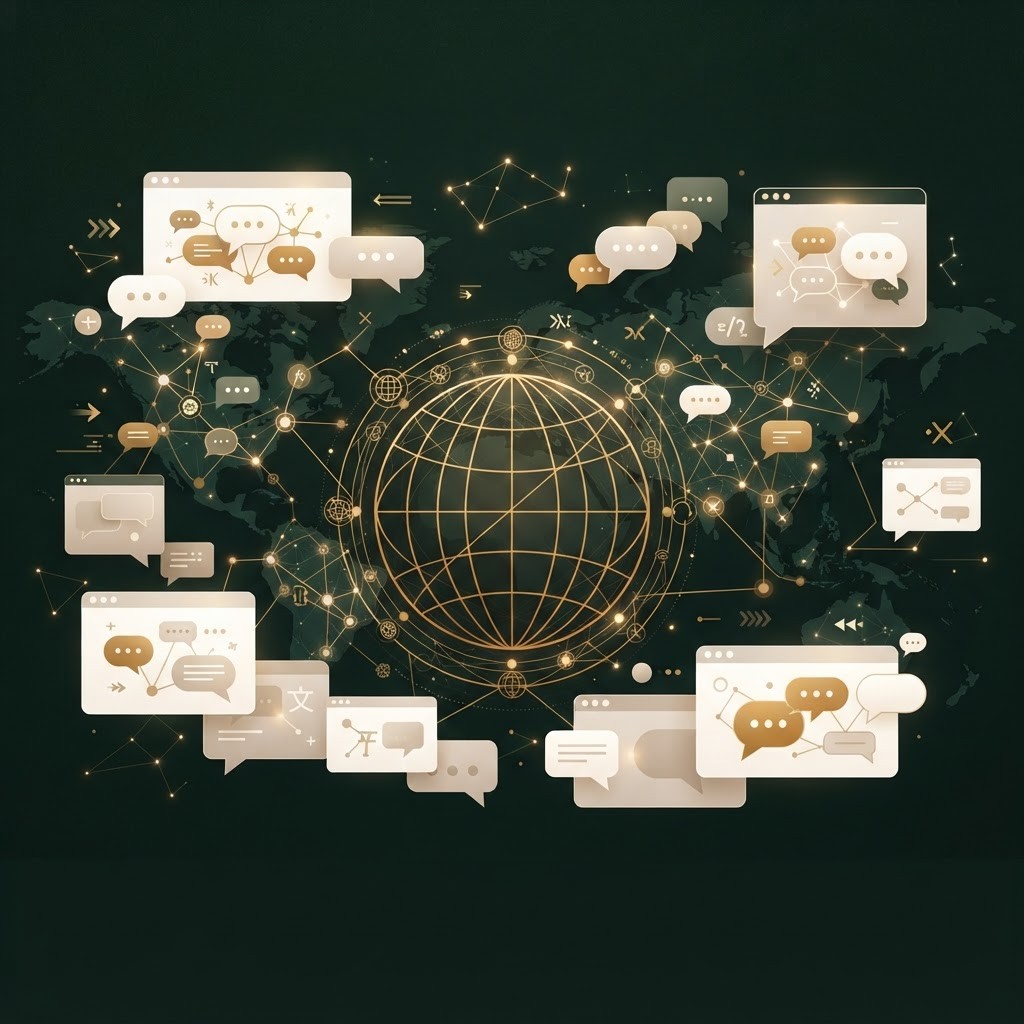
Lahore is a diverse commercial hub where customers speak Urdu, English and a range of regional languages, and where overseas buyers browse in yet more tongues. For any business hoping to grow online, a website that speaks only one language quietly turns away a large share of potential customers. A well built multilingual website removes that barrier, builds trust and opens your brand to a much wider market both inside Pakistan and abroad.
Building for multiple languages is about more than running text through a translation tool. It touches design, structure, search visibility and content strategy all at once. Below are five practical ways to get it right so your Lahore business earns attention and conversions in every language you serve.
At Living Solutions Global we design multilingual sites that feel native to each audience rather than bolted on as an afterthought. Our web design in Islamabad and Lahore teams pair clean structure with content that reads naturally in every language, while our SEO services in Pakistan make sure each version ranks for the right searches. You can explore the full range of what we offer at Living Solutions Global, where design, development and marketing work together under one roof.
Winning multilingual sites start with a clear decision about which languages you actually need. Look at your customer base, your sales data and your growth ambitions. A Lahore retailer targeting local shoppers and overseas Pakistanis might prioritise Urdu and English, while an exporter may add Arabic or Chinese. Choosing deliberately keeps the project focused and the ongoing content workload realistic.
Decide too how users will switch languages. A clear, always visible language selector, ideally using country or language names rather than only flags, helps visitors find their preferred version instantly. Set a sensible default based on your main audience and remember the choice so returning users are not asked again.
Automated translation is a useful starting point but rarely enough on its own. Marketing copy, product names and calls to action carry tone and nuance that machines often miss, and clumsy phrasing can quickly erode trust. Invest in human review by native speakers who understand both the language and the local culture. This localisation step adapts idioms, currency, dates and examples so each version feels written for that audience rather than translated at them.
Pay attention to context. A slogan that works in English may fall flat in Urdu, so give translators the freedom to rework it while keeping the core message. The result is content that sounds authentic and persuasive everywhere.
Search engines need clear signals about which language and region each page targets. Use dedicated URLs for each language, such as a subdirectory structure, and add hreflang tags so search engines serve the correct version to the correct users. Without these signals you risk duplicate content problems and pages ranking in the wrong markets.
Translate your metadata too. Page titles, descriptions and image alt text should all appear in the target language, and your keyword research should be done separately for each one because people search using different phrases in different tongues. A direct translation of an English keyword may have little search volume in Urdu, so research each market on its own terms.
Languages take up different amounts of space and sometimes flow in different directions. German and Arabic can be far longer or written right to left, so your layout must be flexible enough to handle expanding text and changing alignment without breaking. Test buttons, menus and forms in every language to confirm nothing overflows or overlaps.
Choose fonts that render all your scripts cleanly, especially Urdu and Arabic, which need proper support to display correctly. Consistent spacing, readable type sizes and a layout that adapts gracefully keep the experience polished no matter which version a visitor lands on.
A multilingual site is only as strong as its weakest language. If you publish a new offer, blog post or product in English but leave the Urdu version outdated, you send a signal that some customers matter less. Build a content workflow that updates every language together, and assign clear ownership so nothing is forgotten.
Performance matters everywhere as well. Many Lahore users browse on mobile networks, so compress images, streamline code and use caching to keep load times quick across all versions. A fast, well maintained multilingual website rewards you with better engagement, higher rankings and more enquiries from every audience you serve.
A thoughtful multilingual website is one of the most effective ways for a Lahore business to widen its reach and compete in more markets at once. By planning your languages, localising content, nailing the technical SEO, designing flexibly and keeping every version current, you build a site that welcomes far more of your audience. When these pieces come together as part of a wider digital marketing in Pakistan strategy, your website becomes a genuine engine for growth rather than just an online brochure.
Written by the Living Solutions team
Strategy, design, and trade expertise, all under one roof.
Let's discuss how we can turn your vision into sustainable growth and measurable success.