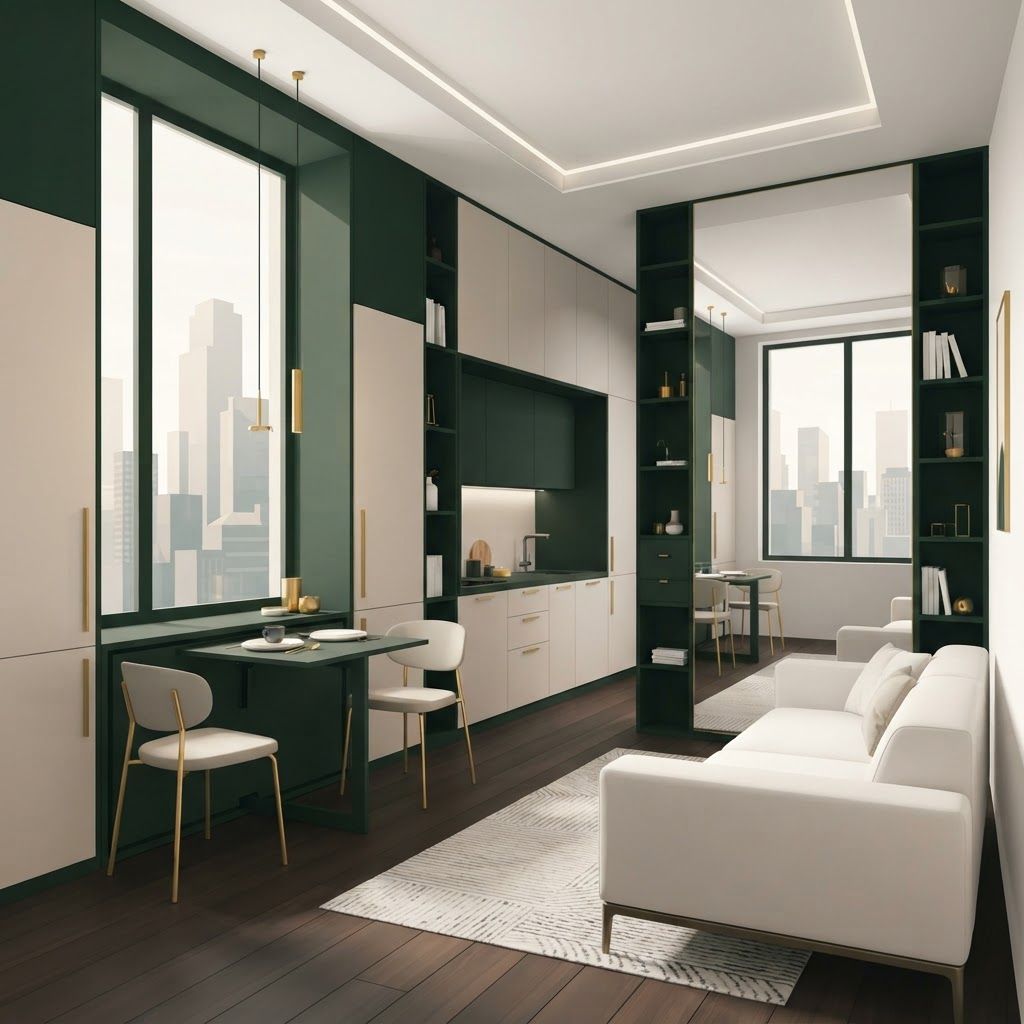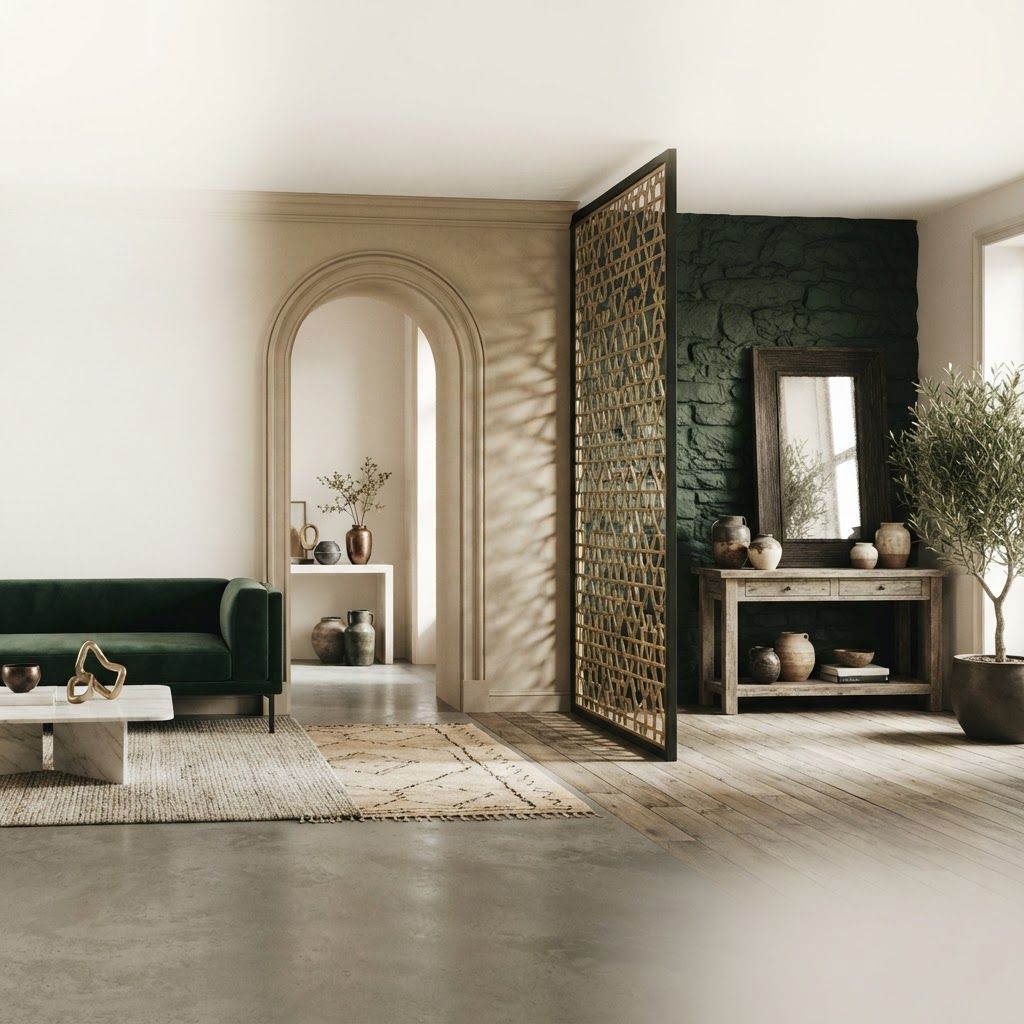
Luxury in home decoration comes from proportion, material quality, layered lighting and thoughtful restraint rather than expensive purchases. These practical tips show how to make any home feel considered, rich and elegant.
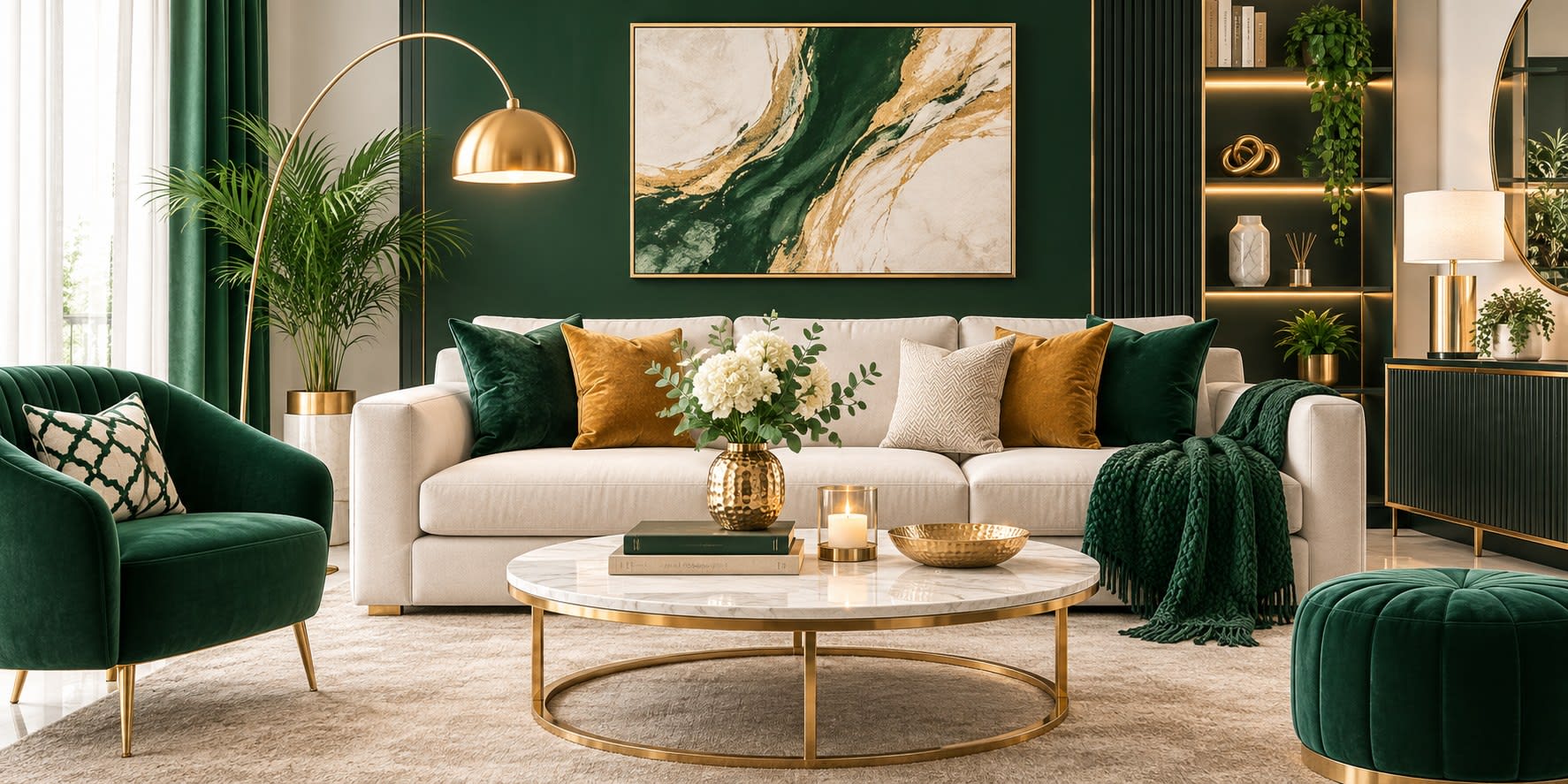
Luxury in interiors is often misread as a shopping exercise. Buy imported furniture, add gold detailing, install a large chandelier and the home will feel expensive. In reality, homes that feel genuinely luxurious share qualities that have very little to do with cost. They have correct proportions, consistent materials, excellent lighting, well made details and enough restraint to let quality be noticed.
You can spend a great deal and produce an interior that feels cluttered and confused, or spend moderately and produce one that feels calm and refined. The difference lies in decisions rather than budget. The tips below focus on the choices that most reliably create a sense of quality in a home.
Luxury depends on execution. A beautiful design becomes ordinary if the joinery is misaligned, the paint finish is uneven or the lighting is poorly positioned. Our Interior Design and Fit Out division at Living Solutions Global controls both design and delivery, producing detailed drawings, specifying materials precisely, working with skilled craftsmen and supervising finishing trades closely so the finished home matches the intent.
Our interior design in Pakistan team develops complete schemes covering stone, joinery, upholstery, lighting and styling, while our residential interior design service tailors each scheme to how the family actually lives. Where clients already have a design and need flawless construction, our fit out services division delivers the build with strict quality control and milestone reporting.
Nothing signals quality faster than correct proportion. Curtains should hang from close to the ceiling and reach the floor exactly, not float above it. Artwork should be hung with its centre at eye level, not high near the ceiling. Rugs should be large enough for the front legs of all seating to sit on them. Pendant lights over a dining table should hang low enough to feel intentional.
These adjustments cost nothing yet transform how a room reads. Most homes that feel unfinished are suffering from proportion errors rather than a lack of expensive items.
Luxury interiors are disciplined. Select one stone, one primary timber, one metal finish and a narrow colour palette, then use them consistently across the home. Repetition creates the impression that everything was chosen together, which is exactly the impression that quality design gives.
Mixing many materials, even good ones, reads as accumulation rather than design. If you want variety, vary the intensity and texture of the same materials instead of introducing new ones.
The perception of quality is largely tactile. Door handles, tap fittings, cabinet hardware, light switches, upholstery fabric and bed linen are touched every day, and cheap versions are immediately obvious. Upgrading these items is comparatively inexpensive because they are small, yet the effect is felt constantly.
Solid metal handles instead of plated plastic, a well weighted door, a smooth drawer runner and a dense upholstery fabric communicate more luxury than a large decorative purchase.
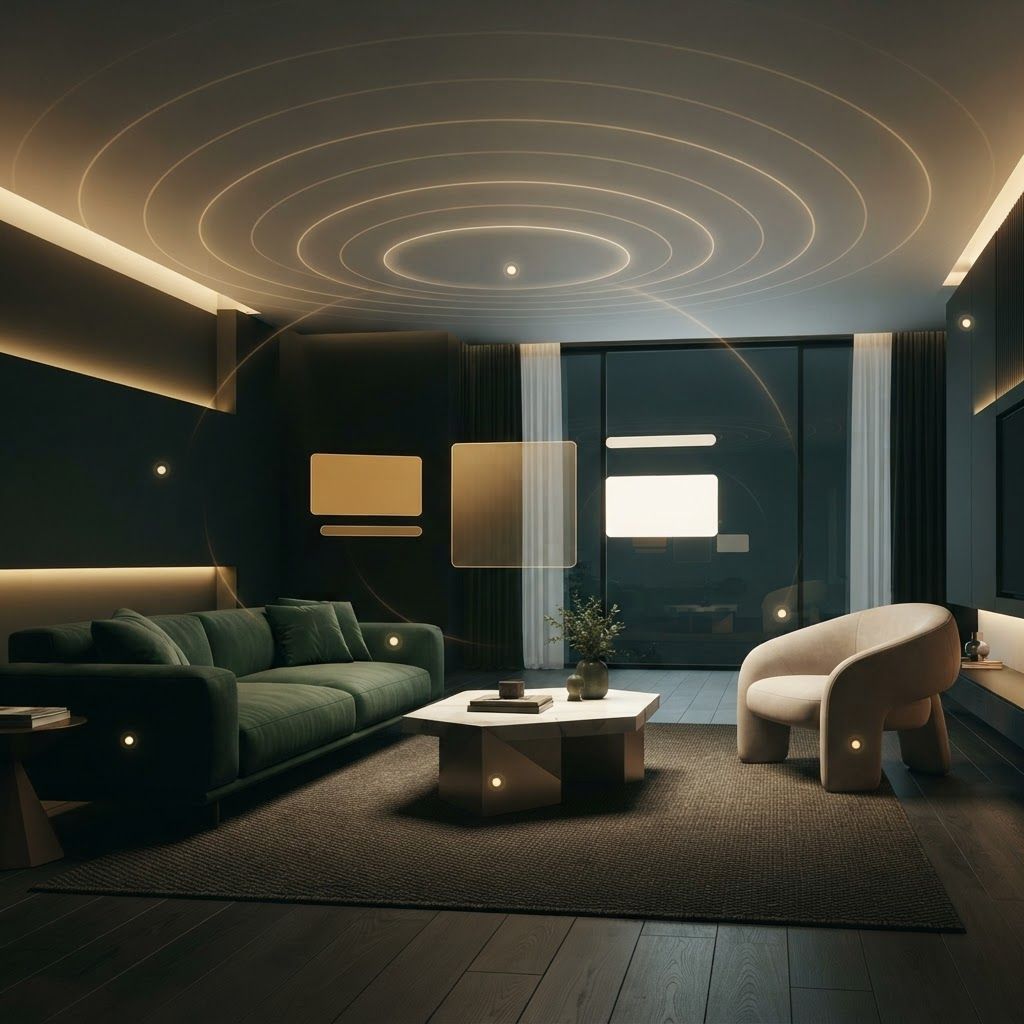
Lighting is the most powerful and most neglected luxury tool. Replace reliance on a single ceiling fitting with multiple sources at different heights. Combine recessed ambient light, a decorative pendant or chandelier as a focal point, wall lights for depth and table or floor lamps for warmth at eye level. Add dimming so the room can move from bright to intimate.
Light surfaces rather than the eye. Washing light across a textured wall, grazing a stone feature or uplighting a plant produces the atmosphere associated with premium hotels and restaurants.
Few things elevate a room as reliably as well made curtains. Use a double layer of sheer and lined drapery, mount the track at ceiling height, extend it beyond the window on both sides and allow generous fullness in the fabric so it falls in deep folds. Skimpy curtains on a short rod make even an expensive room look cheap.
Choose fabric with weight and a subtle sheen or texture. Where curtains are impractical, well fitted timber shutters or high quality roller blinds in a recessed pocket achieve a similar sense of finish.
Rich interiors are tactile. Combine velvet, boucle, linen, leather, wool, natural stone, glazed ceramic and brushed metal within a limited colour range. The result is depth without visual noise. A monochrome room with six textures feels sophisticated, while a colourful room with one texture feels flat.
Pay attention to rugs in particular. A dense hand knotted or thick wool rug changes both the acoustics and the perceived quality of a room instantly.
Every room should have a single element that holds attention, whether a marble fireplace, a large artwork, a sculptural light or a textured feature wall. Everything else supports it. Rooms with three or four competing statements feel restless and, paradoxically, less impressive than rooms with one.
Give the focal point space to breathe. Crowding a beautiful object with accessories reduces its impact.
Accessorising is where many homes lose elegance. Use the rule of grouping in odd numbers, vary heights, and always leave clear surface around each grouping. A console with a lamp, a stack of books and a small sculpture looks curated. The same console with twelve items looks busy.
Choose fewer, larger objects rather than many small ones. Scale reads as confidence, while a scattering of tiny ornaments reads as clutter.
Luxury is experienced through all the senses. Fresh flowers or a single large branch arrangement, a good quality candle or diffuser, and a genuinely clean, well ventilated space contribute enormously to how a home feels. These are inexpensive touches with disproportionate impact, particularly when guests arrive.
Nothing undermines a refined interior faster than visible cables, exposed appliances, overflowing shelves and cluttered counters. Plan concealed cable routes, integrate appliances behind matching panels where possible, provide closed storage for daily items and keep horizontal surfaces largely clear. Order is one of the strongest signals of luxury.
Attend to the small things that most people ignore. Match all switch plates and socket faces. Align skirting joints. Ensure paint edges are crisp against ceilings and frames. Replace mismatched door stops and hinges. Touch up scuffs. A home where every minor detail is resolved feels expensive even when the individual components are modest.
Luxury comes from proportion, consistency, tactile quality, layered light, generous window treatments, a single focal point per room and disciplined styling. Concentrate your budget on the elements touched and seen every day, keep your material palette narrow and finish every detail properly. Do that and your home will feel considered and elegant regardless of its size. When you want a partner to design and deliver that standard of finish, our team is ready to help.

Written by the Living Solutions team
Strategy, design, and trade expertise, all under one roof.
Let's discuss how we can turn your vision into sustainable growth and measurable success.