
Energy projects in Lahore promise strong returns as demand for reliable power keeps climbing. This guide explains the real costs, risks, and rewards so investors can decide with confidence.
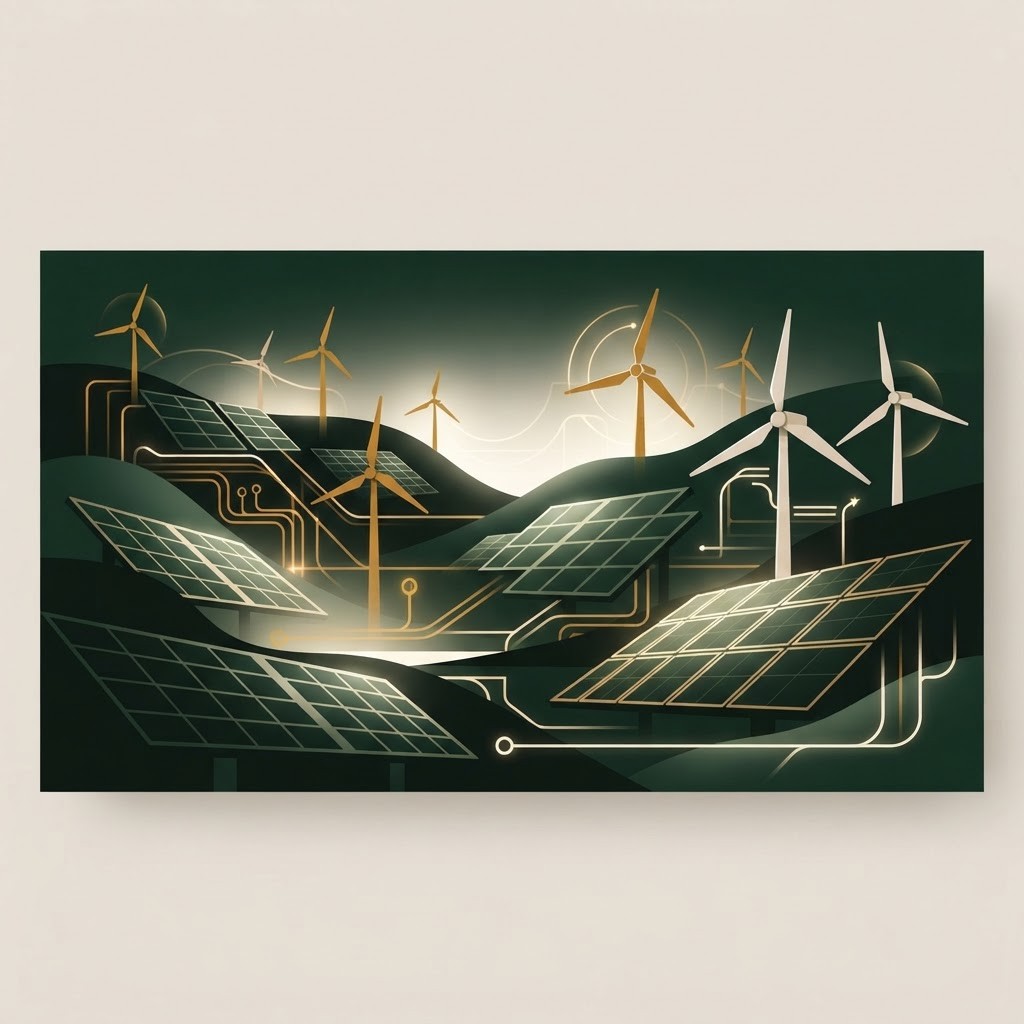
Lahore sits at the heart of Punjab's industrial and commercial growth, and its appetite for reliable power has never been greater. From manufacturing clusters to housing societies and commercial towers, the city consumes energy faster than the grid can comfortably supply. That gap is exactly why energy projects, whether solar farms, rooftop installations, small hydro units, or gas based generation, have become one of the most talked about opportunities in the region. But being popular does not automatically make an investment profitable, and serious investors need to look past the hype.
At Living Solutions Global, we help investors evaluate energy opportunities before a single rupee is committed. Our team combines financial modelling with on the ground knowledge of Punjab's regulatory landscape, so you understand tariffs, approvals, and payback periods clearly. Whether you are exploring Pakistan investment opportunities for the first time or expanding an existing portfolio, our business advisory services turn a complex sector into a clear decision.
Three forces make Lahore attractive. First, demand is structural rather than seasonal, because industry and population both keep expanding. Second, the cost of solar equipment has fallen dramatically, shortening payback periods for well sited projects. Third, net metering and captive power arrangements let businesses offset expensive grid electricity, which turns energy into a defensive investment as much as a growth one. For factory owners in particular, generating power on site can protect margins against tariff shocks.
The headline price of panels or turbines is only part of the picture. Land, grid connection, transformers, storage, insurance, and ongoing operations and maintenance all shape the true cost. Rooftop solar for a commercial building may reach payback in four to six years, while larger ground mounted projects carry longer horizons but bigger absolute returns. Financing terms matter enormously, and a project that looks marginal at one interest rate can look excellent at another. This is why disciplined modelling beats optimistic estimates every time.
Energy is a regulated sector, and approvals can make or break a timeline. Net metering agreements, distribution company clearances, environmental checks, and, for larger plants, generation licensing all require patience and local familiarity. Investors who treat these steps as afterthoughts often face costly delays. Those who plan for them from day one keep budgets intact and protect their return on capital. Aligning your project with credible Pakistan infrastructure projects planning also improves how banks and partners view your proposal.
Every energy project carries risk. Solar output depends on weather and panel quality. Fuel based generation exposes you to commodity prices. Currency movements affect imported equipment. And policy can shift between administrations. The goal is not to avoid risk entirely, which is impossible, but to price it correctly and build contingencies. A project with a slightly lower headline yield but stable, contracted revenue is often worth more than a high yield project resting on fragile assumptions.
Industrialists with high daytime consumption often see the fastest returns from captive solar, because they replace expensive grid units with cheaper self generated power. Property developers can use energy features as a selling point for green buildings. Pure financial investors, meanwhile, may prefer stakes in larger projects with predictable offtake. Matching the project type to your goals is the single most important decision, and it is where many first time investors go wrong by chasing size instead of fit.
So are energy projects worth it in Lahore? For the right investor, with the right structure and realistic expectations, the answer is a confident yes. The city's demand is durable, technology costs are favourable, and the strategic value of energy independence keeps rising. The danger lies in poor site selection, underestimated timelines, and weak financial planning. When you approach the sector as a professional rather than an enthusiast, the numbers frequently work in your favour. If you are ready to invest in Pakistan through the energy sector, the smartest first step is a rigorous feasibility review rather than a rushed commitment.
Energy projects reward investors who combine ambition with discipline. Lahore offers genuine demand and improving economics, but success depends on accurate costing, careful regulatory navigation, and honest risk assessment. With the right guidance, an energy investment can deliver both financial returns and lasting strategic value, powering not just buildings but your broader portfolio for years to come.

Written by the Living Solutions team
Strategy, design, and trade expertise, all under one roof.
Let's discuss how we can turn your vision into sustainable growth and measurable success.