Discover the café interior design trends shaping modern coffee culture, from warm minimalism and biophilic corners to flexible work friendly seating. Learn how layout, lighting and material choices influence dwell time and daily revenue. See how we design and deliver café spaces across Islamabad and Pakistan.
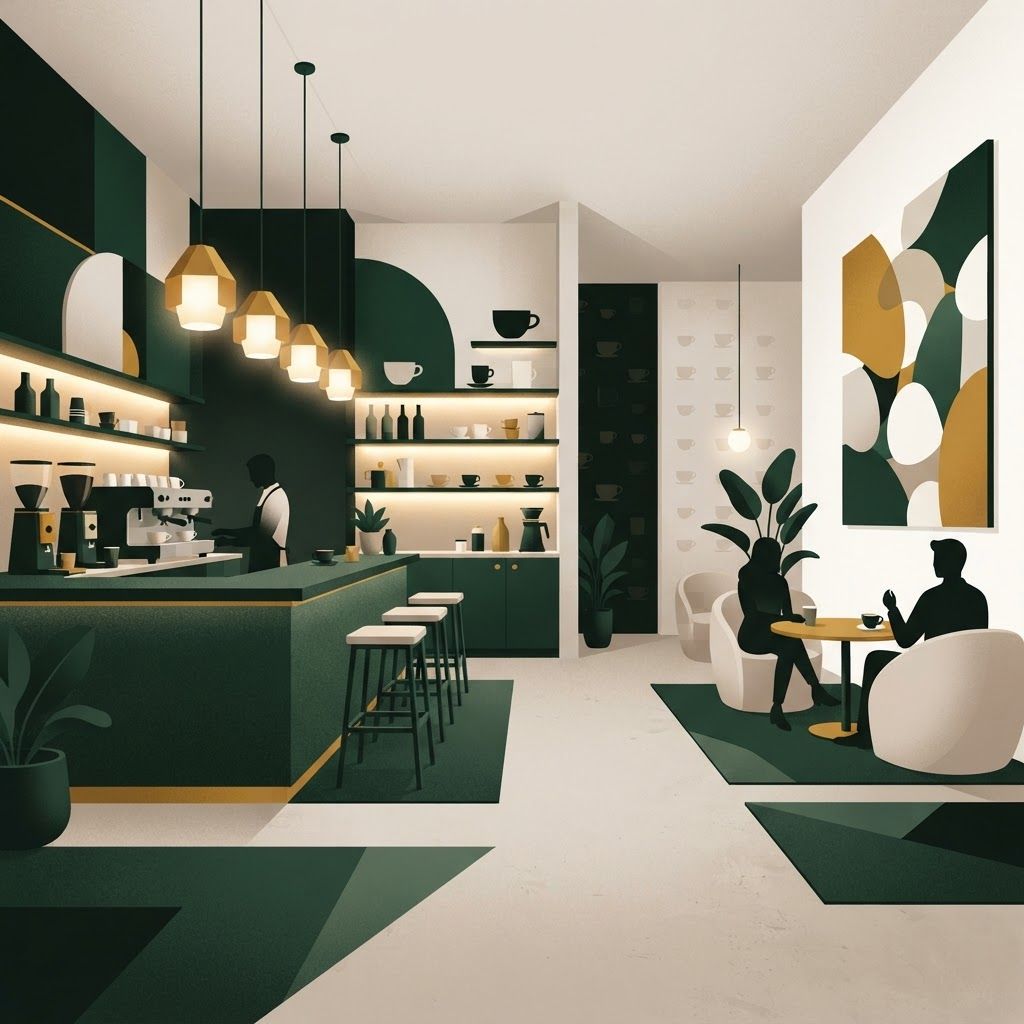
Cafés in Pakistan have moved far beyond a counter, a machine and a few chairs. In Islamabad, Lahore and Karachi a café now functions as a meeting room, a study hall, a first date venue, a remote office and a social destination, often all within the same afternoon. That range of use puts real pressure on design. A café must feel welcoming at eight in the morning and atmospheric at eight in the evening, support laptops without becoming a library, and photograph beautifully without feeling staged. The trends shaping café interiors today are less about decoration and more about intelligent flexibility, sensory comfort and strong brand identity delivered on a controlled budget.
Our team at Living Solutions Global designs cafés as small, high frequency businesses where every square foot must justify itself. We handle concept development, barista workflow planning, counter engineering, seating strategy, lighting design, joinery detailing, services coordination and complete site execution. Because our Interior Design and Fit Out division works alongside our branding and marketing colleagues, your interior, signage, menu boards, packaging and social content can all speak with one voice. Whether you are launching a single independent café or preparing a repeatable format for expansion, our interior design in Pakistan specialists deliver schemes that are buildable, durable and true to your concept.
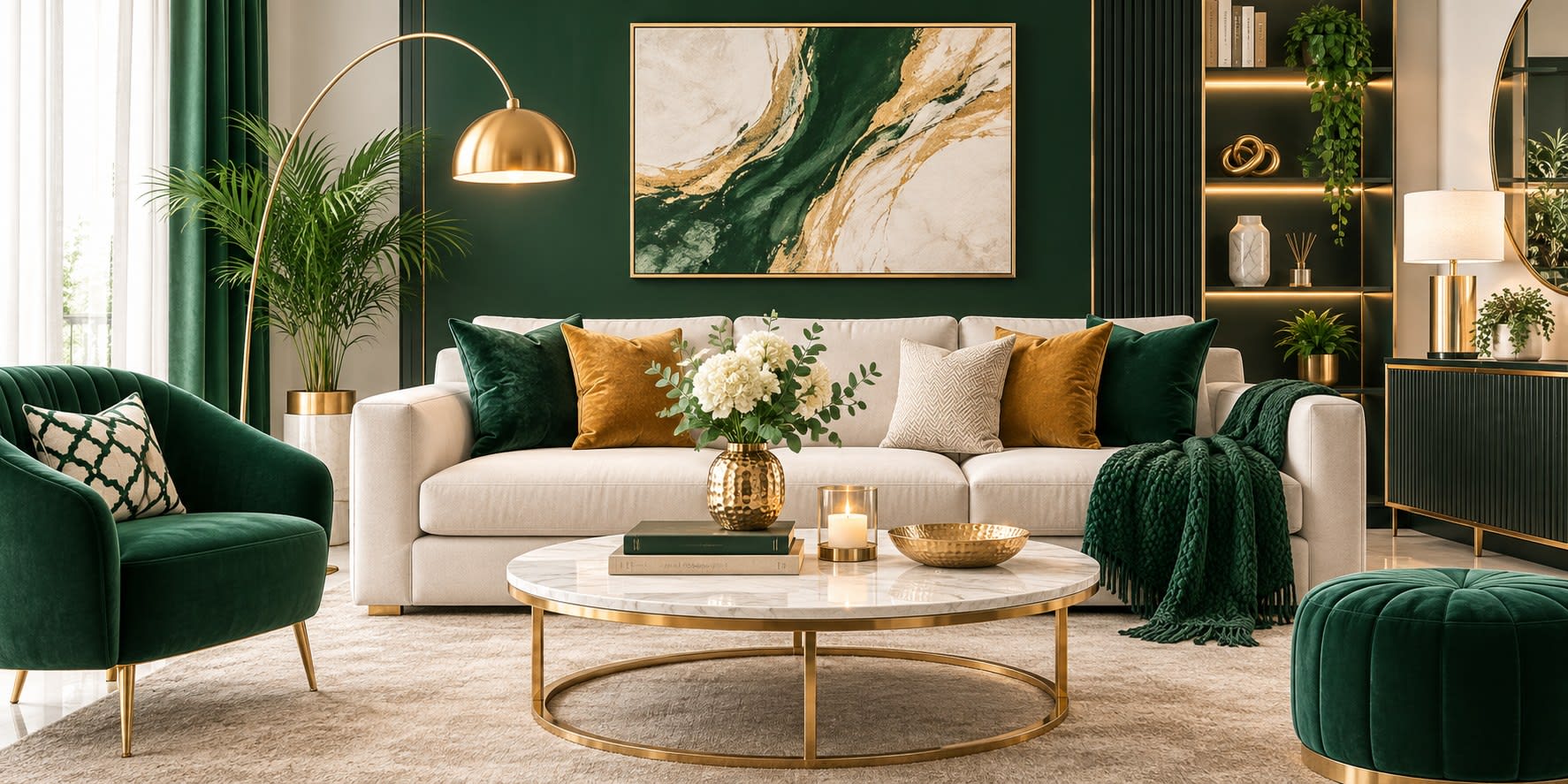
The exposed concrete and black steel look that dominated the last decade has softened. The current direction keeps the discipline of minimalism but adds warmth: oak and walnut toned timber, lime washed plaster, travertine and terrazzo, unglazed clay tiles, boucle and heavy woven textiles, and rounded edges instead of sharp corners. Colour palettes lean earthy, with deep greens, clay tones, caramel and off white. The result feels calm and premium rather than stark, which encourages guests to stay longer and treats the coffee itself as the brightest element in the room.
The bar is the heart of a café and modern layouts celebrate it. Lower counter heights around ninety to one hundred centimetres let customers see extraction, milk texturing and pour over technique. Machines are positioned side on rather than behind a tall barrier so eye contact with the barista is possible. Behind the bar, workflow follows a strict sequence: order point, grinder, espresso machine, milk fridge and steam, assembly, handover. Keeping that sequence tight, ideally within a single step in any direction, protects speed during the morning rush. A separate mobile order and delivery pickup point prevents riders from blocking the main queue.
Successful cafés no longer offer one type of seat. They offer four. Quick stop perch seating at the window or a standing ledge serves takeaway customers who want two minutes and a view. Small two seat tables in the core of the room serve conversation. Communal tables with integrated power serve laptop users and study groups. Soft lounge corners with low tables serve long, relaxed visits and family groups. Zoning by behaviour reduces conflict between guests, spreads occupancy through the day and lets you set slightly different lighting and acoustic conditions in each area.
Plants are everywhere in café photography and often dying in reality. Biophilic design works when it is planned around light levels, irrigation access and maintenance capacity. Choose species suited to the actual daylight in each zone, provide drainage in planters, group planting into a few generous moments instead of scattering pots, and specify a maintenance routine. Natural light, timber grain, stone texture, water sound and views of greenery all reduce perceived stress, which directly supports longer dwell time and higher secondary spend on food.
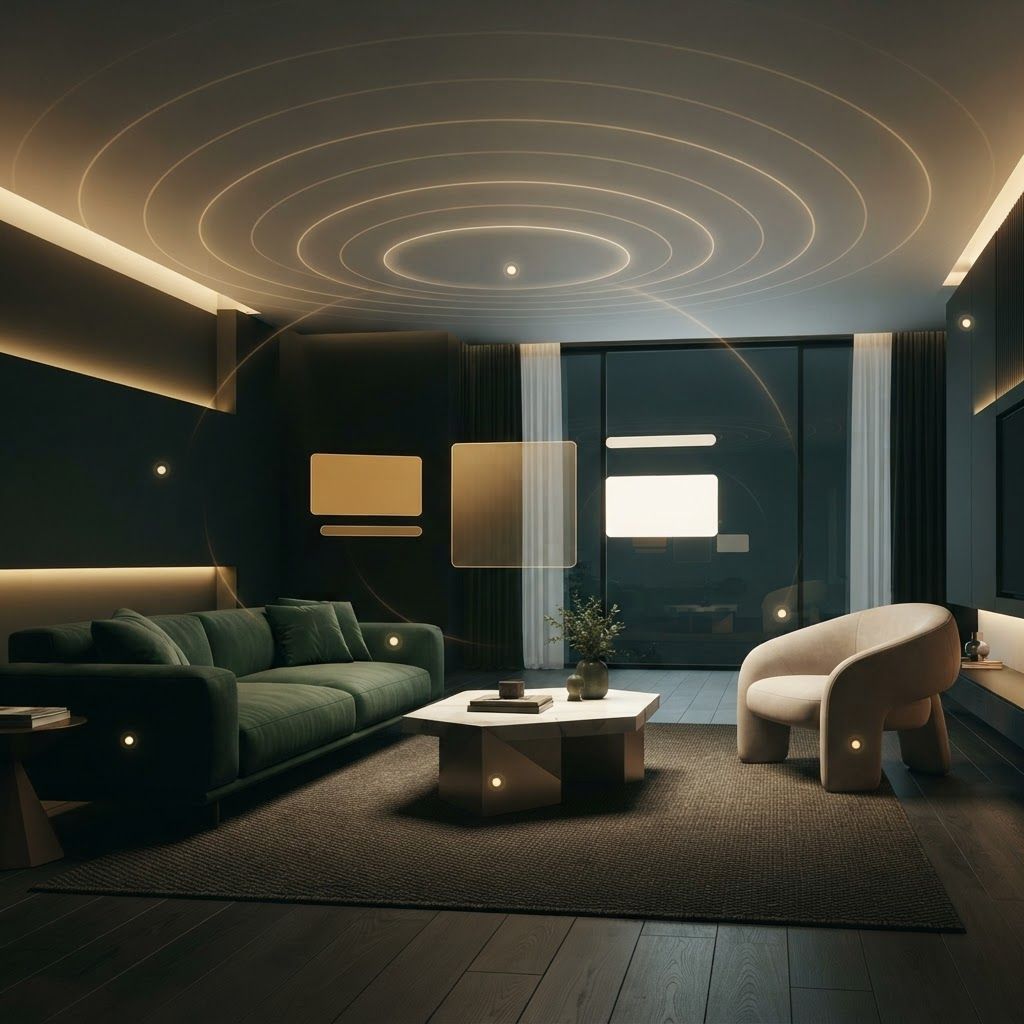
A café lives through several personalities in one day, and lighting is the mechanism that switches between them. Use dimmable warm white lighting at around two thousand seven hundred to three thousand kelvin, layered as ambient wash, focused table light, accent light on the counter and shelving, and decorative pendants that define character. Program simple scenes: bright and crisp for morning trade, balanced for midday, low and intimate after sunset. Backlighting the bar shelving and the menu wall creates a strong evening focal point and makes the space read as open when seen from the street.
Organic social media reach is a real acquisition channel for cafés. Rather than dressing the whole room for the camera, design one or two deliberate moments: an arched niche, a tiled feature wall, a sculptural light above the communal table, a signage detail, or a window seat with strong afternoon light. Make sure these spots have flattering, even light and a clean background. Coordinating the palette with your branding services ensures every guest photograph reinforces recognition instead of confusing it.
Guests rarely say a café is too loud. They simply do not come back. With hard floors, glazing and a busy grinder, sound builds quickly. Introduce absorption through acoustic ceiling panels or rafts, upholstered banquette backs, curtains, felt screens between communal seats, cork or timber slat wall panels and rugs in lounge zones. Locate the grinder and blender within an acoustically treated pocket. The payoff is measurable: comfortable rooms hold guests longer and support second orders.
Cafés endure spills, heat, steam and constant cleaning. Specify slip resistant porcelain or sealed micro concrete flooring in wet and service zones. Use compact laminate, solid surface or sealed stone for table tops so they survive daily wiping. Choose commercial grade upholstery with high abrasion ratings and protective treatment. Protect wall surfaces at chair height. Behind the bar use stainless steel and easily cleaned splashbacks, and design cabinetry with removable panels so plumbing and refrigeration can be serviced without demolition. In Pakistan, combining locally fabricated joinery and tiles with a few imported statement items delivers both character and cost efficiency.
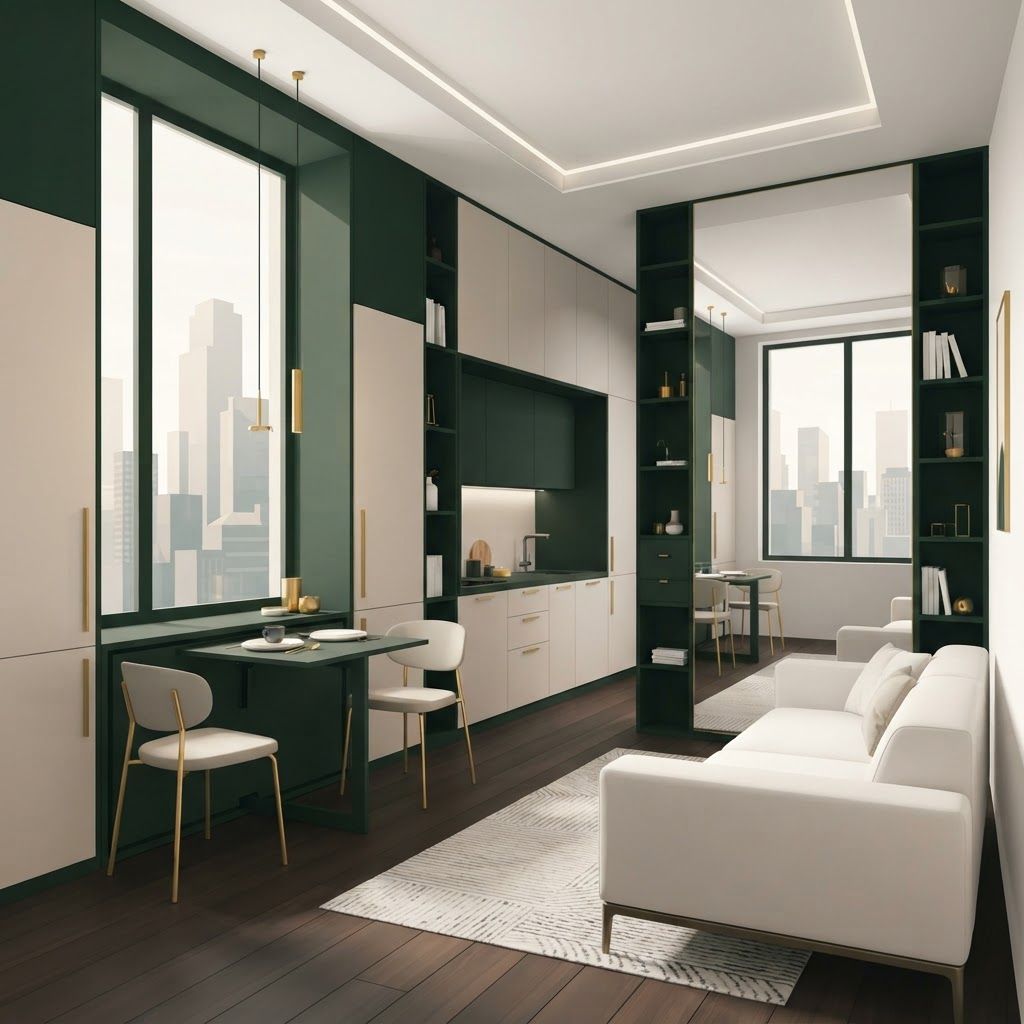
Not every café needs one hundred and fifty square metres. Compact formats of twenty five to sixty square metres are thriving in office districts, university areas and residential markets. In small spaces every centimetre counts: use vertical storage, wall mounted tables, folding facades that open to the street, bench seating that doubles as storage and a strictly edited menu that keeps equipment needs low. A well executed small café can achieve strong revenue per square foot precisely because rent and staffing stay lean.
Plan your investment around three categories: equipment, services and interior finishes. Espresso machines, grinders, refrigeration, ventilation, power supply and plumbing usually dominate the early budget. Interior finishes should be specified with a clear priority list so that value engineering, if needed, protects the counter, lighting and seating comfort first. Allow contingency for existing building surprises. Confirm fire exits, ventilation, gas safety, accessible washroom provision and any local approvals at design stage rather than during construction. Our commercial interior design process builds these requirements into the drawing set so site work runs without costly pauses.
If you intend to open more branches, document your café as a system rather than a one off. Standardise counter modules, seating types, lighting specifications, material schedules and signage rules, then allow a controlled degree of local variation for each site. This makes future rollouts faster, cheaper and visually consistent. For entrepreneurs and overseas Pakistanis evaluating the sector, the combination of rising urban demand and relatively modest entry cost continues to make hospitality an attractive route to invest in Islamabad and other major cities.
Great café design balances beauty with operational truth: a barista who can move quickly, a guest who can sit comfortably, a room that sounds calm and a brand that is instantly recognisable. Get those fundamentals right and trends become tools rather than distractions. Speak to our team and we will help you shape a café that people choose out of habit, not just curiosity.

Written by the Living Solutions team
Strategy, design, and trade expertise, all under one roof.
Let's discuss how we can turn your vision into sustainable growth and measurable success.