
Importing raw materials can unlock quality and cost advantages, but many small businesses fear the expense. We explain how SMEs in Lahore can import affordably and manage the true costs involved.
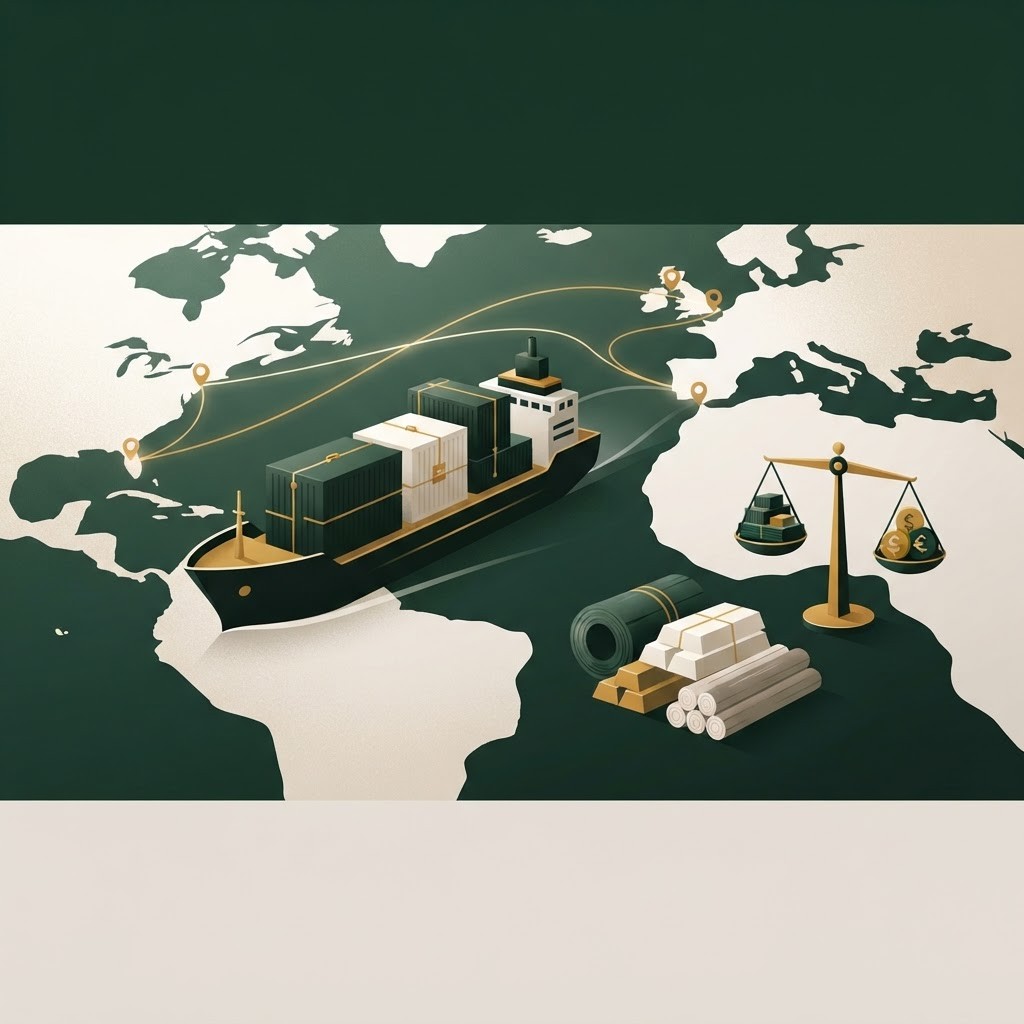
For small and medium enterprises in Lahore, raw materials are often the largest and most sensitive cost in the entire business. Many owners assume that importing these materials is reserved for large corporations with deep pockets, and so they rely solely on local sources even when quality or price is not ideal. The reality is more encouraging. With careful planning and the right guidance, importing raw materials can be affordable and even advantageous for SMEs, provided the full cost picture is understood and managed.
At Living Solutions Global, we help smaller businesses import raw materials without being overwhelmed by cost or complexity. Our import consultancy guides SMEs through supplier selection, cost calculation, customs procedures, and logistics, making the process transparent and manageable. We help you access the quality and pricing advantages of imported materials while keeping your cash flow healthy and your risks controlled.
SMEs turn to imports for several reasons. Certain raw materials are simply not available locally, or the local versions do not meet the required quality. Imported materials can also offer better pricing when purchased from efficient international suppliers, even after shipping and duties. For manufacturers and exporters in Lahore, access to superior inputs can improve product quality and open new markets. The key question is whether these benefits outweigh the additional costs and effort involved.
The price quoted by a foreign supplier is only the beginning. The true landed cost includes freight, insurance, customs duties, taxes, port charges, inland transport, and currency conversion. Many SMEs underestimate these additions and are surprised by the final bill. A realistic cost calculation before committing to an order is essential. When done properly, this analysis often reveals that importing is more affordable than feared, or highlights adjustments that make it viable. This clarity is central to good international trade in Pakistan practice.
Cash flow is the biggest concern for most SMEs. Importing often requires upfront payment or letters of credit, and shipping takes time before materials can be used or sold. Smaller businesses can manage this by starting with modest order quantities, negotiating favourable payment terms, and timing imports around their sales cycle. Consolidating shipments and cooperating with other buyers can also reduce per unit shipping costs, making importing accessible even on a limited budget.
Customs procedures intimidate many first time importers, but they are manageable with proper preparation. Correct classification of goods, accurate documentation, and awareness of applicable duties prevent costly delays and penalties. Certain materials may require permits or certifications. Understanding these requirements in advance keeps shipments moving smoothly. Professional export consultancy in Pakistan and trade support help SMEs handle this paperwork correctly the first time, avoiding expensive mistakes.
Importing carries risks such as quality mismatches, delivery delays, and supplier reliability. SMEs can reduce these risks by verifying suppliers carefully, requesting samples, using clear contracts, and diversifying their sources over time. Building relationships with dependable suppliers gradually creates a more secure and cost effective supply chain. Starting small and scaling as trust grows is a sensible strategy for budget conscious businesses.
Importing is not always the right choice. If local materials meet quality needs at competitive prices, there may be little benefit to importing. But when local options fall short, or when imported materials offer clear advantages in quality or cost, importing becomes a smart move. The decision should rest on a careful comparison of total costs and benefits, not on assumptions about affordability.
Before committing to imports, SMEs in Lahore should conduct a careful comparison between local and imported materials. This means weighing not only price but also quality, consistency, lead times, and reliability. Sometimes a local supplier offers acceptable quality with faster delivery and no currency risk, making it the smarter choice. In other cases, imported materials clearly outperform local options in ways that justify the extra cost and effort. Making this comparison objectively, rather than assuming one is always better, leads to the most profitable sourcing decisions.
Importing does not have to be an all or nothing decision. Many successful SMEs begin with small trial orders to test suppliers and understand the process, then gradually increase volume as confidence and cash flow allow. This staged approach spreads risk and builds valuable experience. Over time, growing order sizes unlock better pricing and stronger supplier relationships, improving margins further. By scaling thoughtfully, even a modest business in Lahore can develop a reliable and cost effective import operation that supports steady expansion.
SMEs in Lahore can absolutely afford to import raw materials when they plan carefully and understand the full cost picture. With disciplined cash flow management, smart sourcing, and proper handling of customs, importing becomes a practical tool for growth rather than a financial gamble. We help small businesses import confidently and affordably, unlocking better materials and stronger competitiveness in both local and export markets.

Written by the Living Solutions team
Strategy, design, and trade expertise, all under one roof.
Let's discuss how we can turn your vision into sustainable growth and measurable success.