
Public private partnerships are often seen as the domain of large corporations, but SMEs in Karachi can participate too. Learn how smaller businesses can access these opportunities affordably.
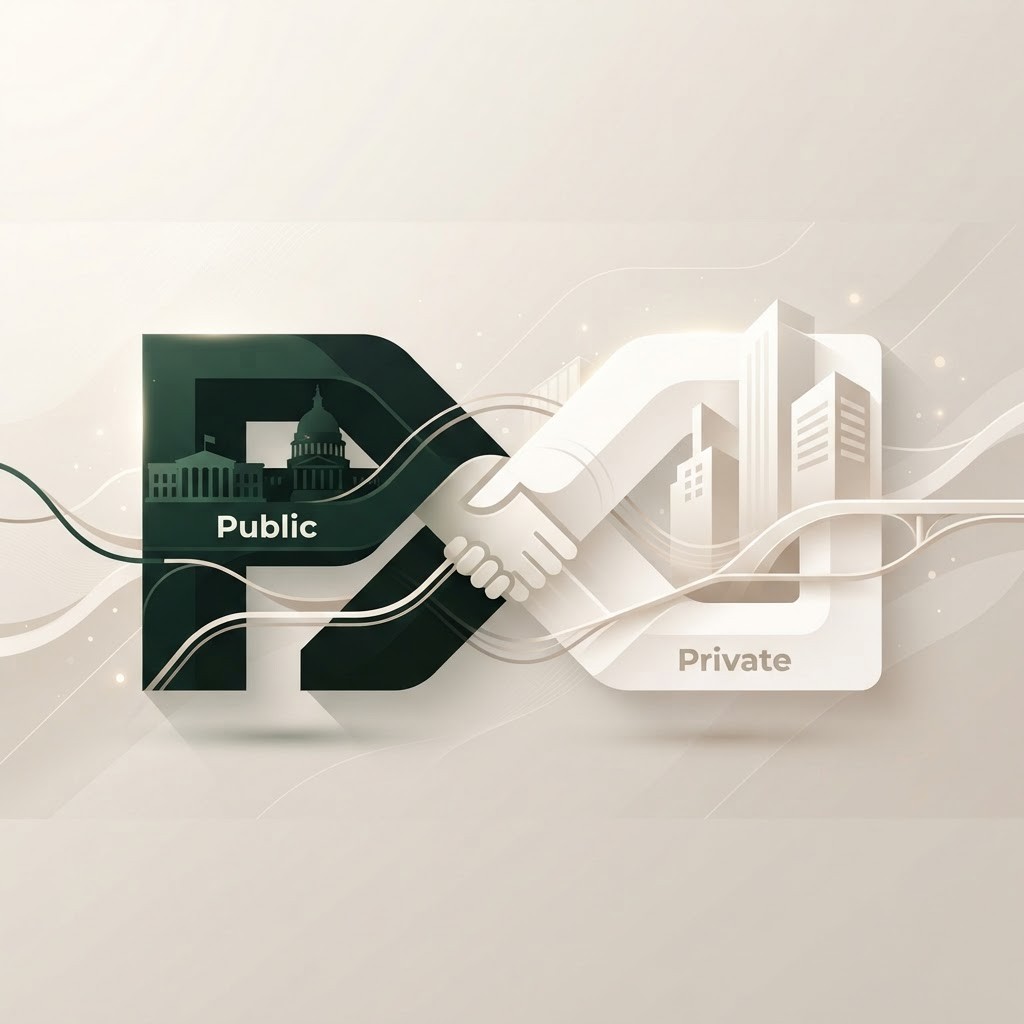
Public private partnerships often carry an image of massive infrastructure deals involving multinational giants and enormous budgets. For small and medium enterprises in Karachi, this can make the whole concept feel out of reach. Yet the reality is more encouraging than the perception. While the largest projects do favour big players, a growing range of partnership opportunities is genuinely accessible to well prepared SMEs. The real question is not simply whether SMEs can afford them, but how they can participate wisely.
At Living Solutions Global, we help smaller businesses navigate opportunities that once seemed reserved for corporations. Our government advisory expertise clarifies how public private structures work, while our business advisory services help you assess affordability and position your enterprise competitively. We make partnership opportunities practical for ambitious SMEs.
At their core, these partnerships are collaborations where private businesses deliver services or projects in cooperation with public bodies, sharing risk and reward. They range from large infrastructure ventures to smaller service contracts, technology solutions, and community projects. This spectrum matters, because it means opportunities are not limited to billion rupee schemes. Many partnerships involve manageable scopes that a capable SME can realistically deliver.
Affordability depends less on sheer size and more on matching your capacity to the right opportunity. An SME that bids for a project far beyond its resources will struggle, but one that targets appropriately scaled partnerships can participate comfortably. The key is honest assessment of your financial strength, delivery capability, and appetite for the commitment involved. With the right fit, participation is not only affordable but genuinely profitable.
SMEs often excel in specialised, service oriented, or locally focused partnerships. They can be more agile, more responsive, and closer to communities than large corporations. Public bodies increasingly value these qualities, especially for projects requiring local knowledge or flexibility. By focusing on niches where their strengths shine, SMEs can win partnerships that larger, less nimble competitors overlook or handle poorly.
The financial demands of partnerships include not just delivery costs but often upfront investment, guarantees, and working capital to bridge payment cycles. SMEs must plan for these carefully. Options such as consortium bidding, where several smaller firms combine strengths, can spread cost and risk, making participation feasible. Sound financial structuring and realistic cash flow planning are essential to ensure a partnership strengthens rather than strains the business.
Every partnership carries risk, from delayed payments to changing requirements. SMEs are more vulnerable to these shocks than large firms, so risk management is vital. Clear contracts, defined scopes, and realistic timelines protect smaller businesses. Understanding the terms fully before committing, and negotiating fair conditions, prevents a promising opportunity from becoming a costly trap. Professional guidance here is often the difference between success and regret.
Public bodies favour partners who demonstrate reliability, financial stability, and relevant experience. SMEs can build this credibility by starting with smaller contracts, delivering excellently, and documenting their track record. Aligning with recognised Pakistan infrastructure projects priorities and demonstrating genuine capability gradually opens doors to larger opportunities. Credibility, once earned, becomes a powerful asset that compounds over time.
SMEs that approach partnerships strategically, rather than opportunistically, tend to benefit most. Each successful project builds experience, relationships, and reputation that make future participation easier and more profitable. Viewed this way, an initial partnership is not just a contract but an investment in the business's long term positioning within an important and growing arena of the economy.
SMEs in Karachi can indeed afford public private partnerships, provided they choose opportunities that match their capacity, plan finances carefully, and manage risk with discipline. The image of these partnerships as an exclusive corporate club is outdated. With the right preparation, guidance, and strategic mindset, smaller businesses can participate profitably and use these collaborations as a genuine engine for sustainable growth.

Written by the Living Solutions team
Strategy, design, and trade expertise, all under one roof.
Let's discuss how we can turn your vision into sustainable growth and measurable success.