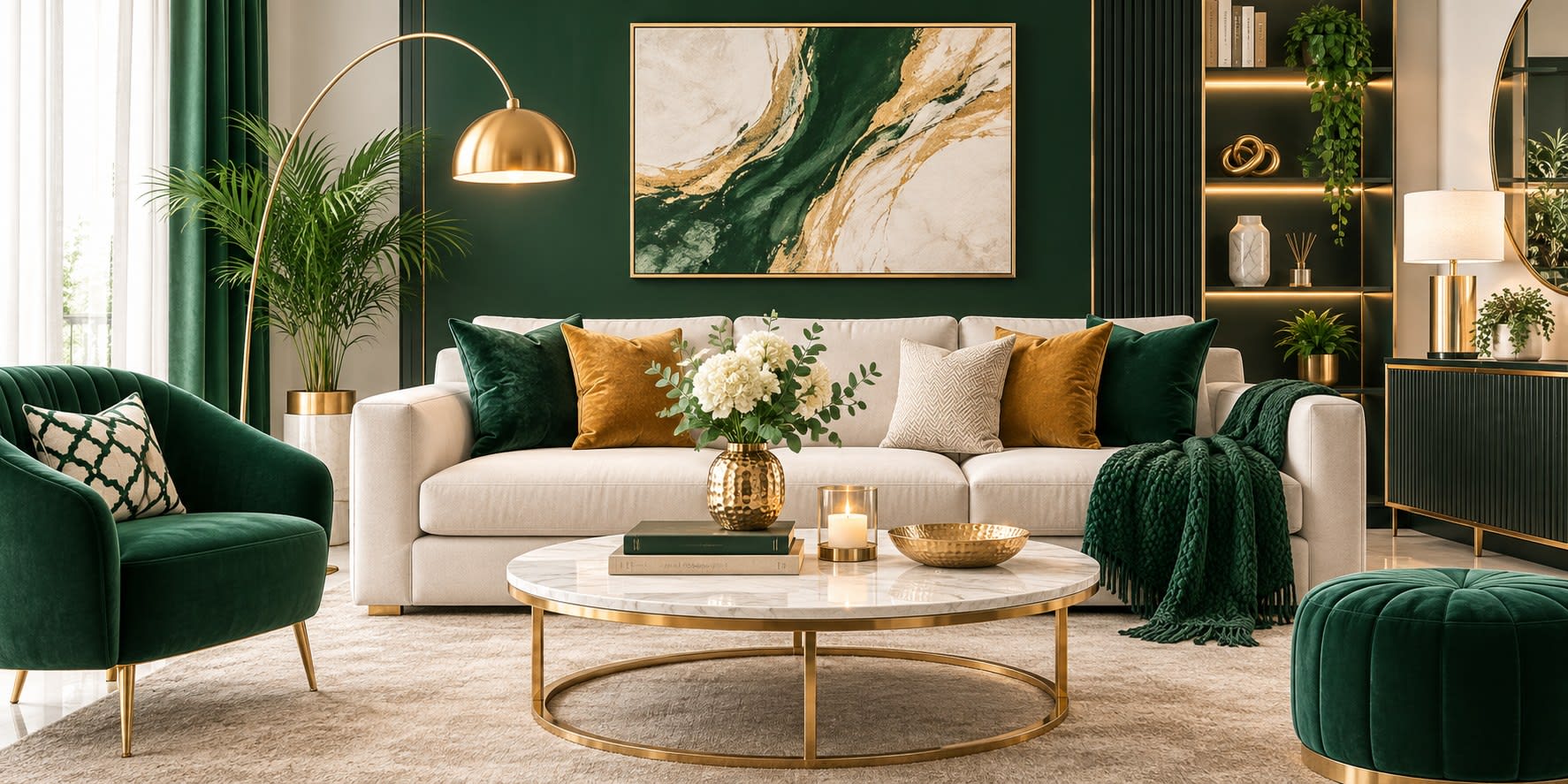
From flexible workspaces to sustainable materials and smart technology, commercial construction is evolving fast. Discover the trends shaping modern buildings and how we help bring functional, beautiful spaces to life.
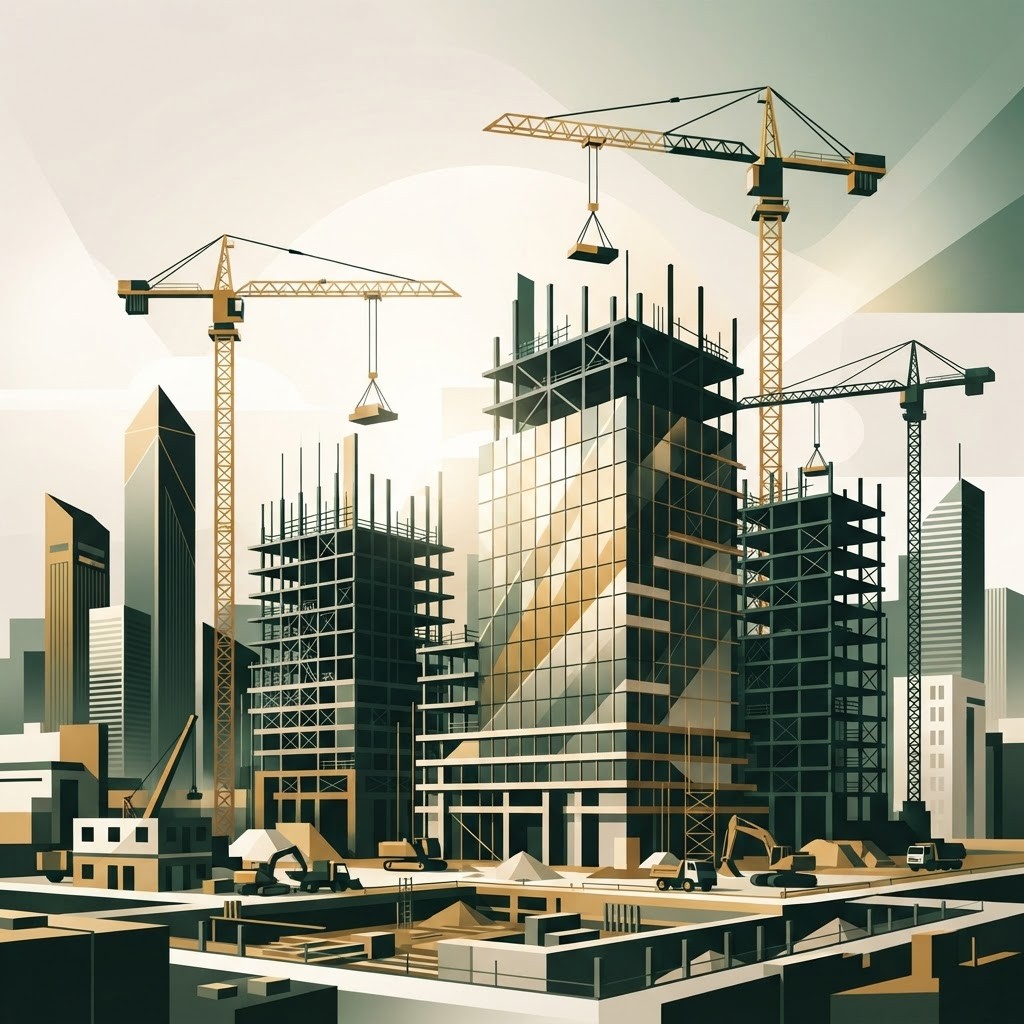
Commercial construction is undergoing a profound transformation. Offices, retail centers, hospitality venues, and mixed use developments are being reimagined to meet changing expectations around flexibility, sustainability, and experience. Businesses no longer want generic space. They want environments that reflect their brand, support their people, and adapt as their needs evolve. This shift is driving a wave of innovation in how commercial buildings are designed, built, and fitted out. Understanding these trends is essential for any organization planning to build, renovate, or lease commercial premises.
The modern commercial project balances many priorities at once. It must be cost efficient yet distinctive, durable yet flexible, and functional yet inspiring. Achieving this balance requires close collaboration between developers, designers, contractors, and end users from the earliest stages of planning.
At Living Solutions Global (livingsolutionsglobal.com) we help businesses create commercial environments that perform on every level. Our commercial interior design expertise turns raw space into polished, purposeful settings, while our end to end fit-out services handle the practical work of construction, finishes, and installation. From concept to completion we manage the details so that your space opens on time, on budget, and ready to impress clients and staff alike.
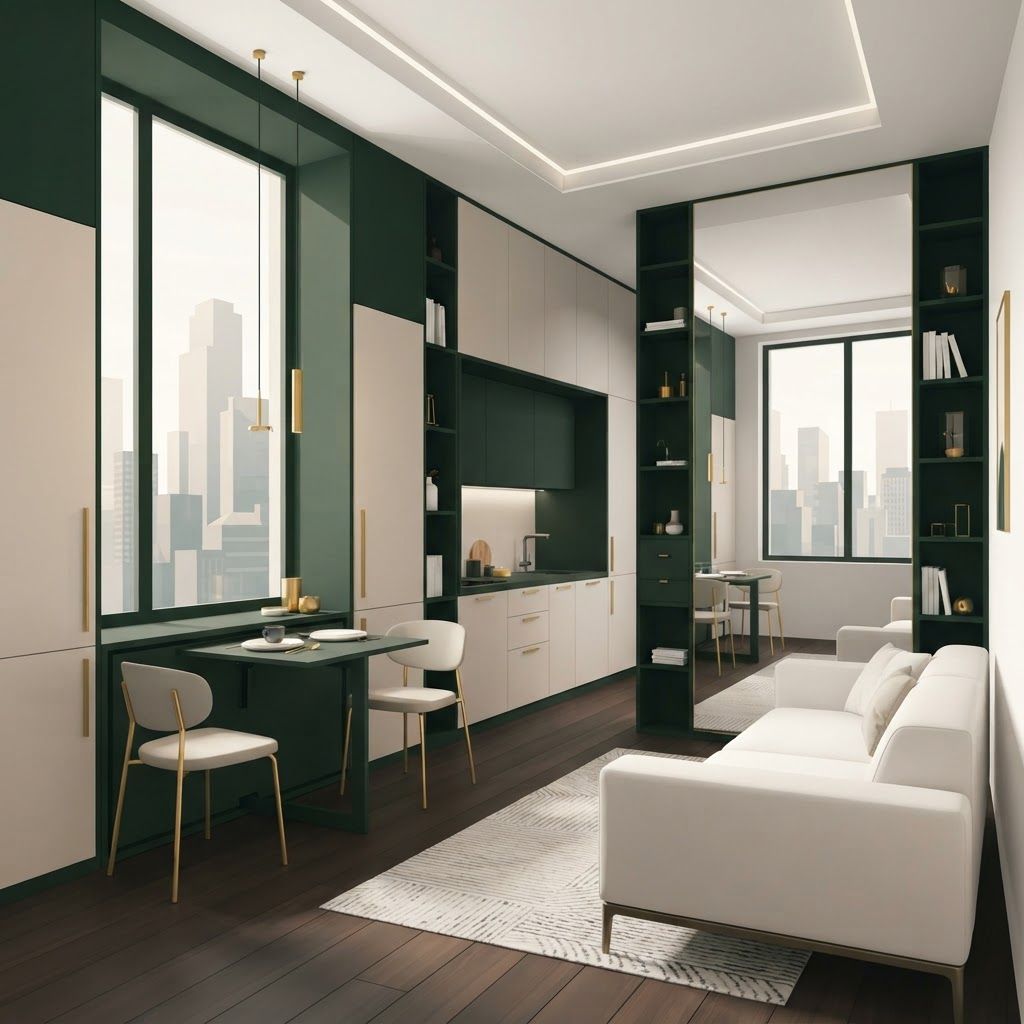
One of the strongest trends in commercial construction is the demand for flexible workspaces. The rise of hybrid work has reshaped how offices are used. Companies now seek layouts that support collaboration, focus, and social connection rather than rows of identical desks. Movable partitions, modular furniture, and multipurpose rooms allow spaces to shift with changing team sizes and activities. This adaptability protects a company investment by ensuring the space remains useful even as work patterns evolve.
Thoughtful office interior design plays a central role here. Zones for quiet work, informal meetings, and larger gatherings help employees do their best work, while considered acoustics, lighting, and greenery support wellbeing and productivity throughout the day.
Sustainability has moved from a nice to have to a core requirement in commercial construction. Clients and tenants increasingly expect buildings that use energy efficiently, reduce waste, and rely on responsible materials. Low emission concrete, recycled steel, sustainably sourced timber, and high performance insulation are becoming standard choices. Energy efficient systems for lighting, heating, and cooling cut operating costs while shrinking environmental impact.
Beyond materials, sustainable construction emphasizes water conservation, natural daylight, and healthy indoor air. These features not only benefit the planet but also enhance the experience of the people who use the building, making it easier to attract tenants and retain talent.
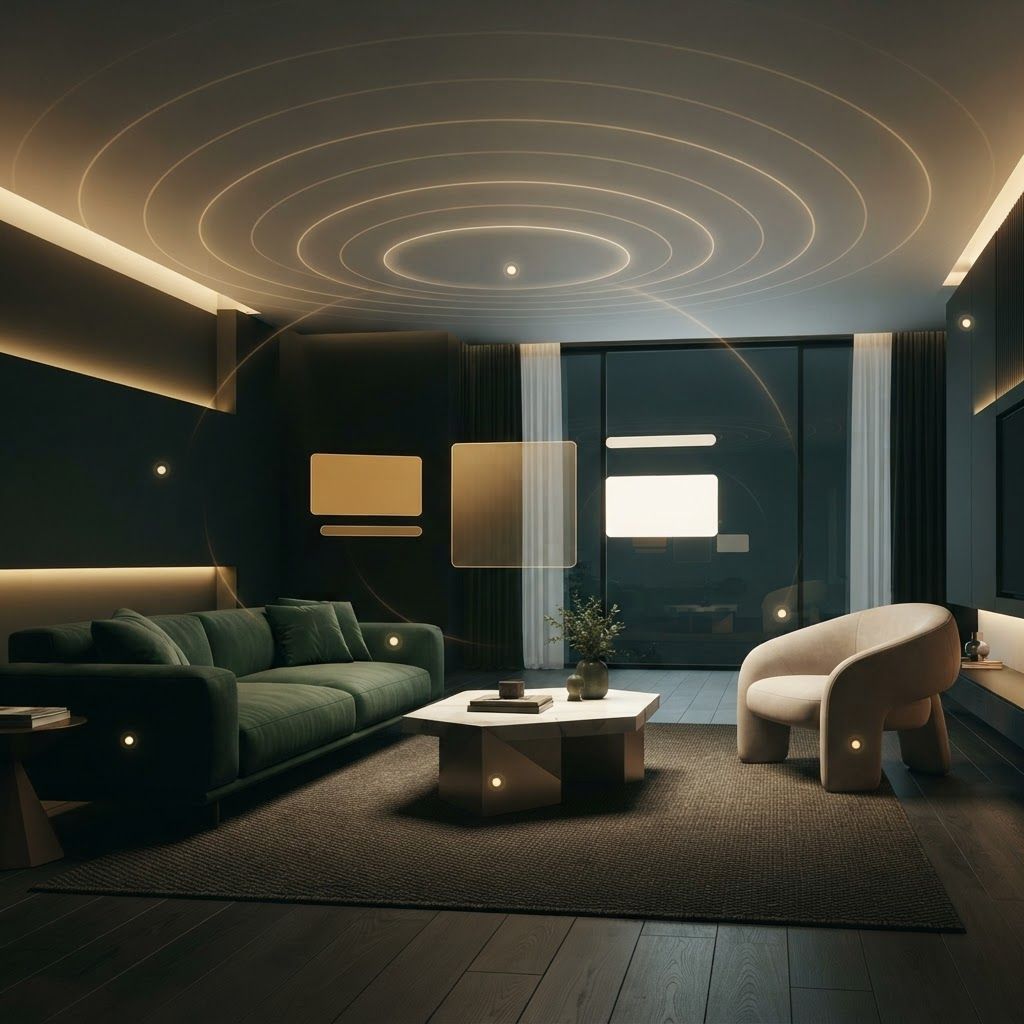
Technology is now woven into the fabric of commercial buildings. Smart systems control lighting, climate, security, and energy use, adjusting automatically to occupancy and conditions. Sensors gather data that helps managers optimize performance and reduce costs over time. Touchless entry, integrated audiovisual systems, and reliable connectivity have become expectations rather than luxuries. Planning for this technology from the start avoids costly retrofits and ensures that wiring, cabling, and infrastructure support future upgrades.
Time is money in commercial projects, and the industry is embracing methods that speed up delivery without sacrificing quality. Prefabrication and modular construction allow components to be built off site and assembled quickly on location. Digital design tools improve coordination among trades, reducing errors and rework. Careful project sequencing keeps work flowing smoothly. Efficient delivery matters because every week a commercial space sits unfinished is a week of lost revenue or delayed operations. Disciplined project management keeps these moving parts aligned so that projects reach completion without avoidable delays.
In retail and hospitality, construction trends center on creating memorable experiences. Physical stores are becoming showcases that blend commerce with atmosphere, encouraging visitors to linger and engage. Restaurants, hotels, and leisure venues invest heavily in design that tells a story and sets them apart. This focus on experience drives demand for high quality finishes, creative lighting, and distinctive architectural features that photograph well and build brand loyalty.
Human centered design is reshaping commercial interiors. Natural light, ventilation, ergonomic layouts, and biophilic elements such as plants and natural textures improve comfort and health. Employers recognize that spaces which support wellbeing lead to happier, more productive teams and lower staff turnover. As competition for talent intensifies, the quality of the workplace has become a genuine business advantage rather than a mere cost.
Commercial construction trends point clearly toward flexibility, sustainability, technology, and human focused design. Organizations that embrace these principles build spaces that serve them well for years and adapt gracefully to change. The key to success lies in careful planning, skilled execution, and a partner who understands both the creative and practical sides of construction. Whether you are opening a new office, upgrading a retail outlet, or developing a mixed use venue, the right approach turns your vision into a space that works beautifully and delivers lasting value. We are ready to help you plan, design, and build a commercial environment that stands out for all the right reasons.

Written by the Living Solutions team
Strategy, design, and trade expertise, all under one roof.
Let's discuss how we can turn your vision into sustainable growth and measurable success.