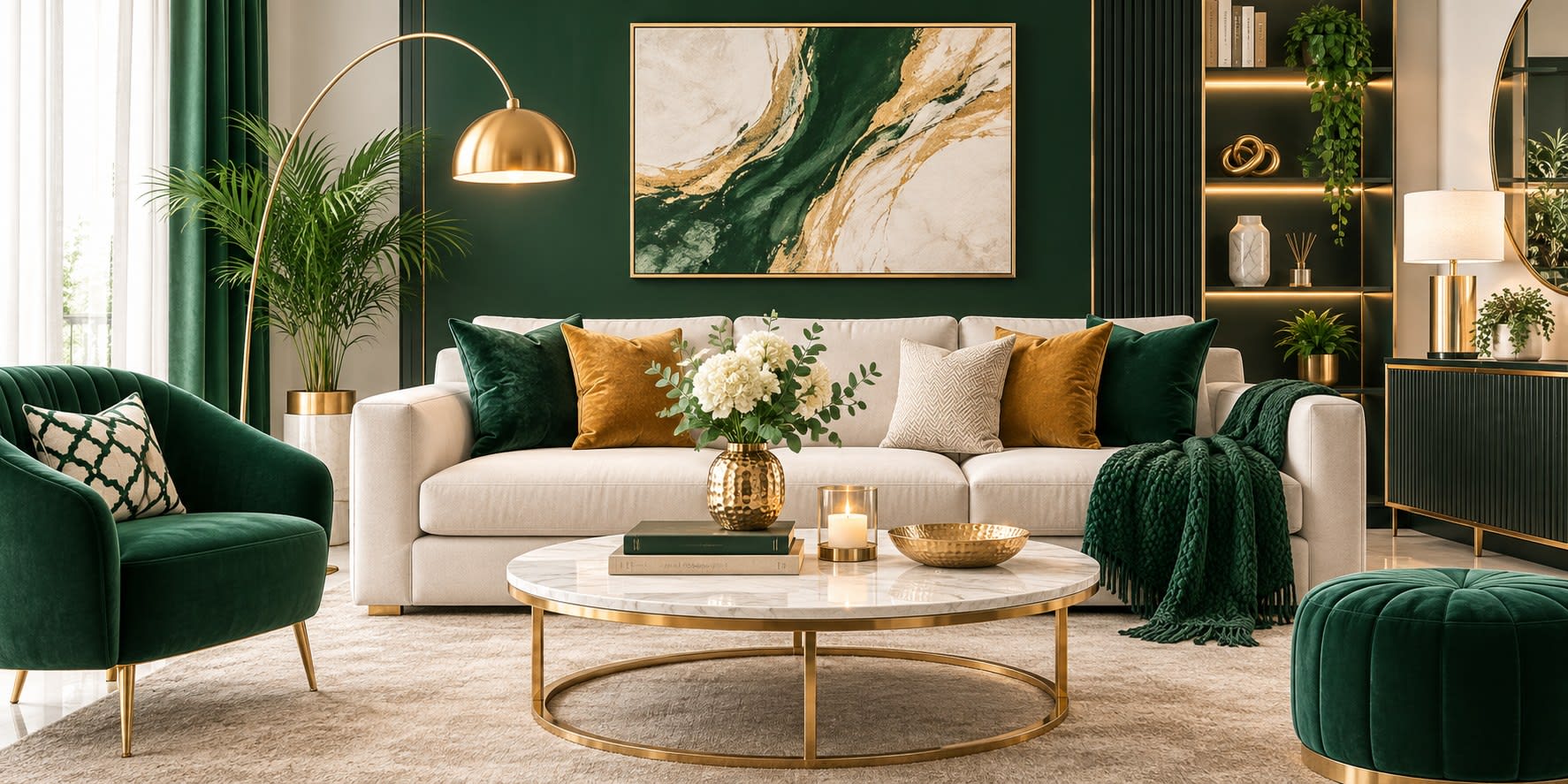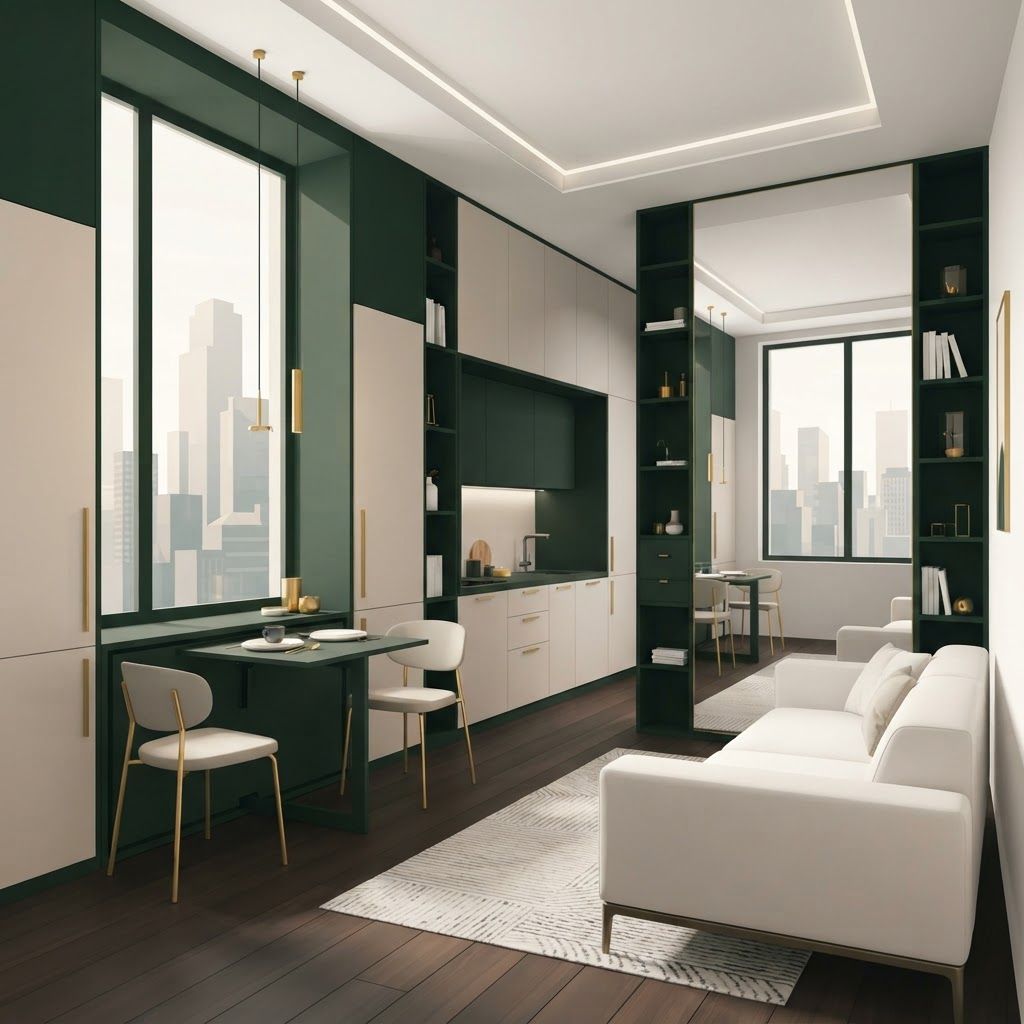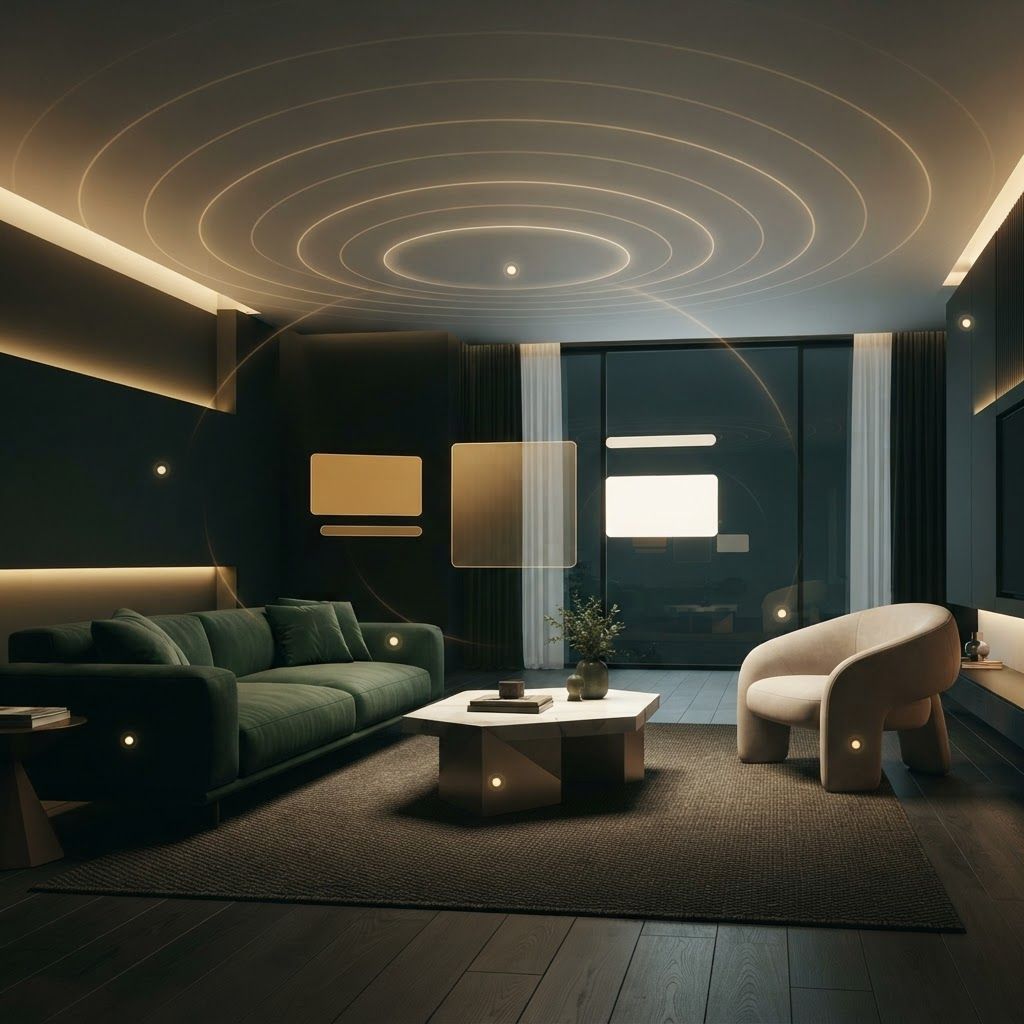
Most interior disappointments come from a short list of repeated mistakes in planning, lighting, scale and material choice. Learn the errors homeowners make most often and the practical way to avoid each one.
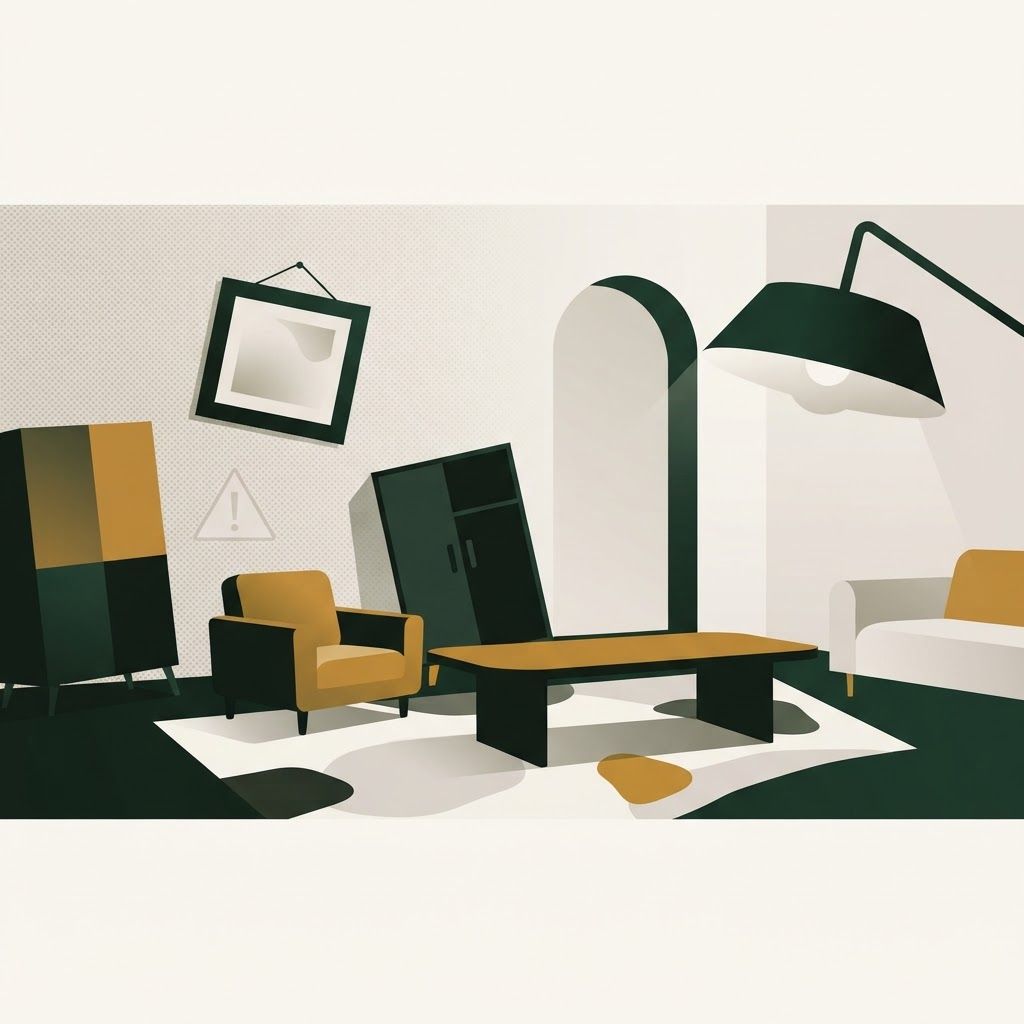
After enough site visits, a pattern becomes obvious. The problems homeowners encounter are rarely exotic. They are the same errors repeated across different properties, budgets and cities: buying before planning, underestimating storage, treating lighting as an afterthought, choosing the wrong scale of furniture and changing decisions after work has started. What makes these mistakes costly is that most of them are discovered only after money has been spent, when correction means dismantling something already built. The encouraging news is that every mistake on this list is entirely preventable at the planning stage, when changes cost nothing more than a revised drawing.
At Living Solutions Global we structure projects specifically to catch these errors before they become permanent. Our process front loads the decisions that are expensive to reverse: measured survey, layout approval, lighting and electrical planning, joinery elevations and a written material specification all come before any purchase or demolition. We then supervise execution so the drawings are actually followed on site, and we document variations in writing so surprises do not accumulate quietly. Clients working with our interior design in Pakistan team consistently find that the discipline of planning first is what keeps both the budget and the finished result intact.
The most frequent and most expensive error is purchasing furniture, tiles, sanitary ware or light fittings before the layout is finalised. A sofa bought on impulse dictates the seating arrangement of an entire room. Tiles bought in a sale determine a bathroom scheme that may not suit the rest of the house. Light fittings bought early often turn out to be the wrong size or the wrong colour temperature for the ceiling design. The correct sequence is always plan, specify, then buy. Complete the layout, agree the palette, list the required items with dimensions and only then go to market. Following this order also strengthens your negotiating position because you know exactly what you need.
A single ceiling light in the centre of a room is the default in many Pakistani homes and the fastest way to make an expensive interior look ordinary. Good lighting is layered: ambient light for general illumination, task light for reading, cooking and mirrors, and accent light to give depth to walls and features. Layering requires circuits, switching zones and dimming to be planned before wiring, because adding them later means opening finished walls and ceilings. Colour temperature also matters and should be consistent throughout the home. Mixing warm and cool sources in the same space makes materials look muddy and inconsistent no matter how good they are.
Almost every homeowner discovers within a year that they needed more storage than they planned. Storage is unglamorous so it loses budget arguments to visible features, but insufficient storage guarantees visible clutter, and clutter defeats every design intention. Plan storage by inventory rather than by instinct: count what you actually own, from crockery and linen to suitcases, prayer mats, seasonal clothing, tools and children's belongings, then design capacity for it with room to grow. Use full height where possible, plan the depth of wardrobes properly and remember that awkward corners and stair voids can often be converted into useful cupboards.
Scale errors are extremely common and immediately noticeable. Typical examples include a rug too small for the seating group, art hung too high, a pendant too small for a dining table, a coffee table that leaves no walking room, or oversized furniture crammed into a modest room. The remedy is measurement rather than intuition. Mark furniture positions on the floor with tape before purchasing, allow proper circulation clearance around beds and dining chairs, and size rugs so that the front legs of seating rest on them. In compact rooms, fewer and larger pieces almost always look better than several small ones.
Trends are inspiration, not instruction. Interiors built entirely from whatever is currently popular online tend to look dated quickly and often ignore local climate and lifestyle. The reliable strategy is a timeless architectural base with trends expressed through replaceable elements: cushions, art, textiles, accessories and paint. That way you can refresh the look in a weekend rather than a renovation. This principle matters even more if you may sell or rent the property later, because highly fashionable choices narrow the pool of people who will pay for them.
Homeowners naturally focus on what they can see, so waterproofing, drainage slopes, electrical loads, ventilation and plumbing quality receive the least attention and cause the most damage. A bathroom that leaks into the room below destroys finishes far more expensive than the waterproofing that would have prevented it. Air conditioning added after ceilings are closed forces compromises in duct routing. Insufficient sockets result in extension cables trailing across new floors. Always resolve technical layers first and never allow a decorative decision to compromise a functional one, particularly in wet areas and kitchens.
Every experienced designer will tell you that late changes are the primary cause of cost growth and delay. A layout change after wiring has started means chasing new channels through completed walls. A wardrobe modification after manufacture means new material. Beyond the direct cost, changes disrupt the sequence of trades, and a delayed trade often cannot return immediately, which extends the programme far more than the change itself suggests. Invest your energy in scrutinising drawings thoroughly, walk through the plan mentally room by room, then commit and allow the team to build it.
Selecting a contractor purely on price without comparing specifications is a decision that pays for itself in regret. Quotations can be reduced invisibly through thinner boards, cheaper hardware, less surface preparation and omitted items that reappear later as variations. Compare like for like: same materials, same brands, same thicknesses, same quantities, same inclusions. When you normalise the scope, apparent bargains usually disappear and the real difference between providers becomes clear.
Designs that look excellent and function badly are surprisingly common. A beautiful glass dining table with small children, a delicate pale fabric sofa in a busy family room, open shelving in a dusty city, or a formal drawing room so precious that nobody uses it. Design should describe your actual life rather than an aspirational version of it. Discuss cleaning routines, guest frequency, prayer spaces, children's habits and elderly access before selecting materials. Households where women manage daily routines often prefer to work through these details with a female interior designer in Islamabad, which produces more accurate briefs and fewer post handover regrets.
Drawings do not build themselves. Without regular inspection, trades default to the method that is fastest for them rather than the method specified. Levels drift, alignments slip, materials get substituted and details get simplified. Assign clear responsibility for supervision, insist on stage inspections before work is covered up, and never allow concealed work to be closed without checking it first. Whether the project is a home or a workplace, this discipline is what turns a design into a delivered result, and it is central to how professional fit out services are managed.
Read the list again and a theme emerges: nearly every mistake comes from doing things in the wrong order. Plan before you buy, specify before you build, inspect before you cover, and decide thoroughly before you commit. If you would like a professional review of your plans before work starts, or an assessment of an ongoing project that feels as though it is drifting, our team can walk your site, identify the risks that matter and set out a clear corrective sequence.

Written by the Living Solutions team
Strategy, design, and trade expertise, all under one roof.
Let's discuss how we can turn your vision into sustainable growth and measurable success.