
International trade opens vast opportunities for Pakistani businesses and foreign partners alike. This complete guide covers the fundamentals, regulations, and strategies for trading successfully across borders.
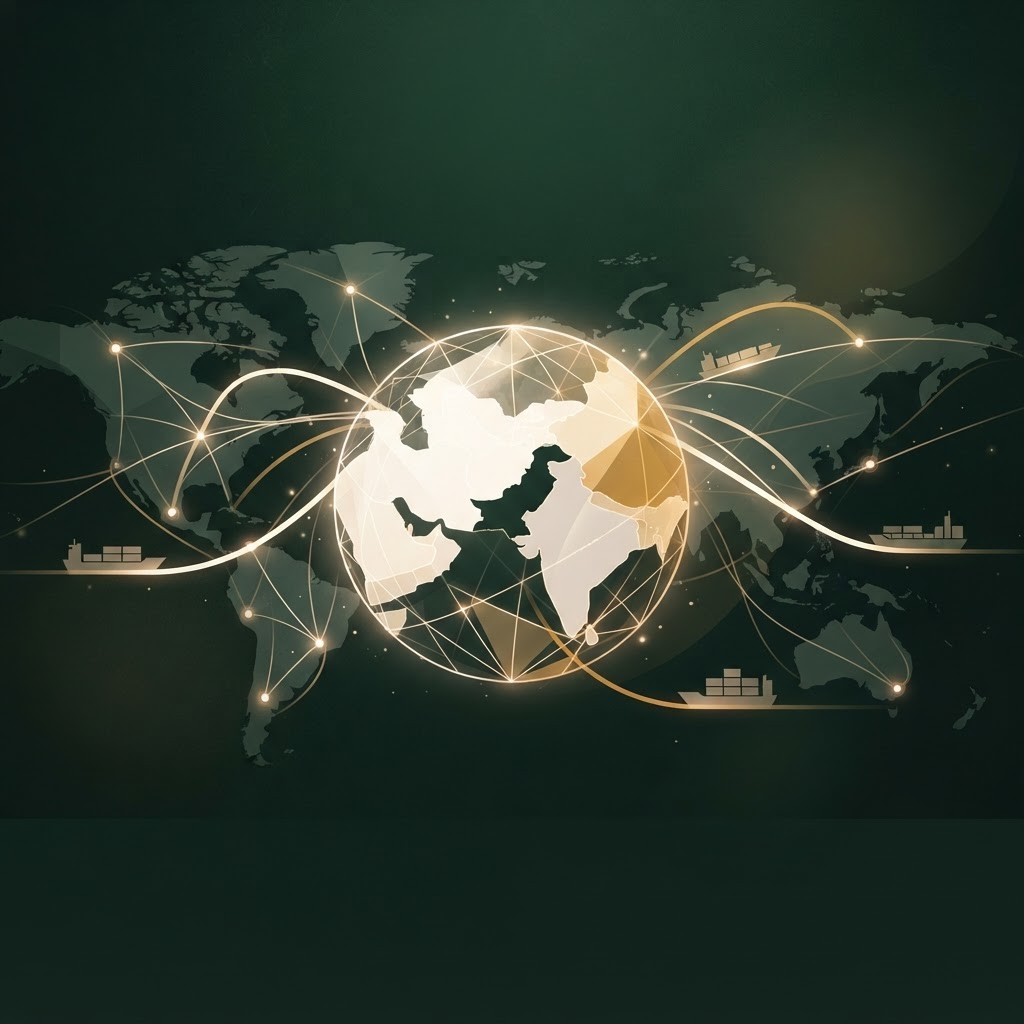
International trade is the engine that connects Pakistan to the global economy. Every day, goods flow out to markets around the world while raw materials, machinery, and consumer products flow in. For businesses, engaging in international trade opens access to larger markets, better prices, and new sources of growth. Yet trading across borders involves regulations, logistics, and financial arrangements that can seem daunting to newcomers. This complete guide explains the fundamentals of international trade in Pakistan and how businesses can participate successfully.
At Living Solutions Global, an Islamabad based consultancy, we help businesses engage in cross border trade with confidence. From market research to regulatory compliance and logistics, our team manages the complexity so you can focus on growth. Our expertise in international trade in Pakistan makes us a trusted partner for exporters and importers alike. Discover our full range of services at Living Solutions Global.
Trade allows businesses to sell beyond the limits of the domestic market and to source inputs at competitive prices from abroad. For Pakistan, exports bring in foreign exchange, create jobs, and drive industrial development. Imports supply the machinery, technology, and raw materials that local industries need to grow. A business that masters international trade can diversify its revenue, reduce dependence on a single market, and build resilience against local downturns.
Pakistan trades with partners across Asia, Europe, the Middle East, and beyond. The country exports textiles, agricultural products, leather goods, sports equipment, and increasingly technology services, while importing petroleum, machinery, chemicals, and electronics. Trade policy, tariffs, and preferential agreements all shape what is profitable to trade and with whom. Staying informed about these factors is essential to making sound decisions.
Trading internationally requires compliance with a range of rules. Businesses must register with the relevant authorities, obtain the correct licenses, and follow the procedures set by customs and the central bank. Each shipment must be accompanied by proper documentation, and payments must move through approved banking channels. Understanding these requirements upfront prevents delays and penalties that can erode profits.
Moving goods across borders involves transport, warehousing, insurance, and timing. Choosing the right shipping method, whether by sea, air, or land, affects both cost and delivery speed. Reliable logistics partners and well planned supply chains ensure that goods arrive in good condition and on schedule. Poor logistics, by contrast, can damage relationships with buyers and suppliers and undermine an otherwise sound trade strategy.
Trade finance is a critical piece of the puzzle. Instruments such as letters of credit, bank guarantees, and documentary collections protect both buyers and sellers by ensuring that payment and delivery obligations are met. Understanding these tools helps businesses manage risk and build trust with international partners. Working capital arrangements can also bridge the gap between paying suppliers and receiving payment from customers.
Successful trade rests on strong relationships with buyers, suppliers, agents, and distributors. Trade fairs, industry networks, and professional introductions all help businesses find reliable partners abroad. Trust, clear communication, and consistent quality turn one time transactions into lasting commercial relationships. Companies seeking growth often combine trade with broader business expansion strategies to maximize their reach.
Trade agreements shape which markets are most profitable for Pakistani businesses. Preferential arrangements can lower or remove tariffs on certain goods, giving exporters a real advantage over competitors from countries without such access. Understanding which agreements apply to your products, and what conditions you must meet to benefit from them, can significantly improve your margins. Tariffs work in both directions, affecting the cost of imports as well as the competitiveness of exports. A product that seems attractive may become uneconomic once duties are added, while another may enjoy a hidden edge thanks to a favorable agreement. Rules of origin, which determine where a product is considered to have been made, often decide whether preferential rates apply. Staying informed about changes to trade policy allows businesses to adjust their sourcing and target markets accordingly. Traders who take the time to understand this landscape make smarter decisions about what to trade, where to trade it, and how to price it for maximum advantage.
The rules and practicalities of international trade can be complex, and mistakes can be costly. Professional guidance from an experienced export consultancy in Pakistan helps businesses avoid pitfalls, meet requirements, and seize opportunities. From the first shipment to sustained growth, expert support makes the difference between struggling and thriving.
International trade offers Pakistani businesses a path to global markets and lasting growth. With the right knowledge, partners, and preparation, any capable business can participate and prosper. We are ready to guide you through every step, from research to delivery. Contact us today and start building your presence in the global marketplace.

Written by the Living Solutions team
Strategy, design, and trade expertise, all under one roof.
Let's discuss how we can turn your vision into sustainable growth and measurable success.