An inside look at the contemporary interior design trends shaping homes and workspaces across Islamabad, from warm minimalism and natural stone to smart integration and sustainable specification.
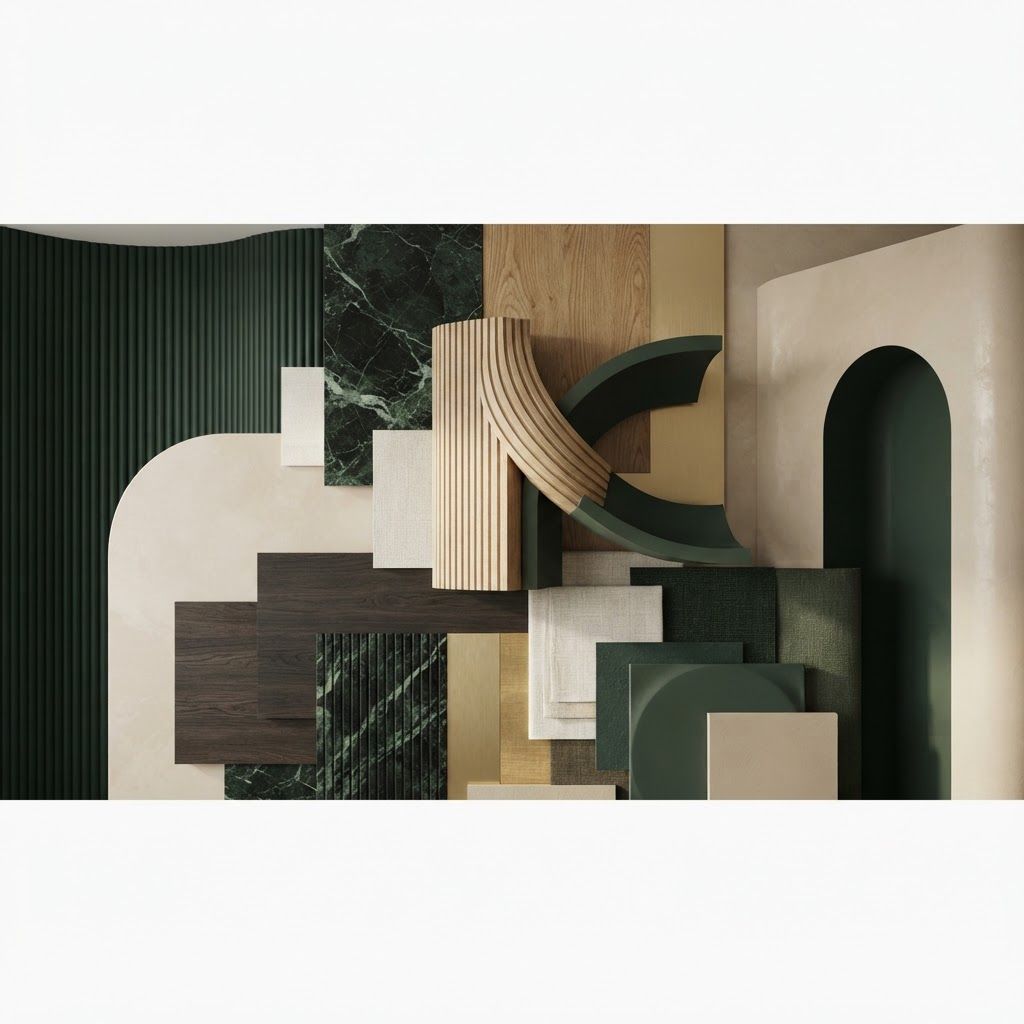
Islamabad has always been Pakistan most planned city, and its interiors are finally catching up with its architecture. Walk through a newly completed home in F 7, a boutique office in Blue Area or a restaurant in Bahria Enclave and you will notice a shift. The heavy ornament and imported gloss that defined the previous decade are giving way to something quieter and far more confident: warm minimalism, honest materials, curved forms, layered lighting and a genuine interest in how a space feels rather than how much it appears to have cost. Several forces are driving this. A large community of overseas Pakistanis returning or investing brings international reference points. Younger professionals working with global clients expect their homes and offices to look the part on video calls. And the growth of local fabrication, joinery and stone processing means designs that once needed importing can now be produced within the city at competitive cost. Understanding these trends matters whether you are building a family home, refitting an office or preparing a property to let or sell.
Trends are only useful when they are translated into decisions that suit your building, your budget and your daily use. That translation is what we do at Living Solutions Global. Our interior design in Pakistan studio works across houses, apartments, offices and hospitality spaces in Islamabad and beyond, producing concept design, detailed drawings, material specification and cost planning. For workplace projects our commercial interior design team balances brand expression with the practical demands of acoustics, cabling and staff wellbeing, while our in house fit out services deliver the build with our own supervision and quality control. We also advise clients who are approaching interiors as part of a wider real estate investment strategy, where the right specification directly affects rental yield and resale value. One team, from first idea to final snag list.
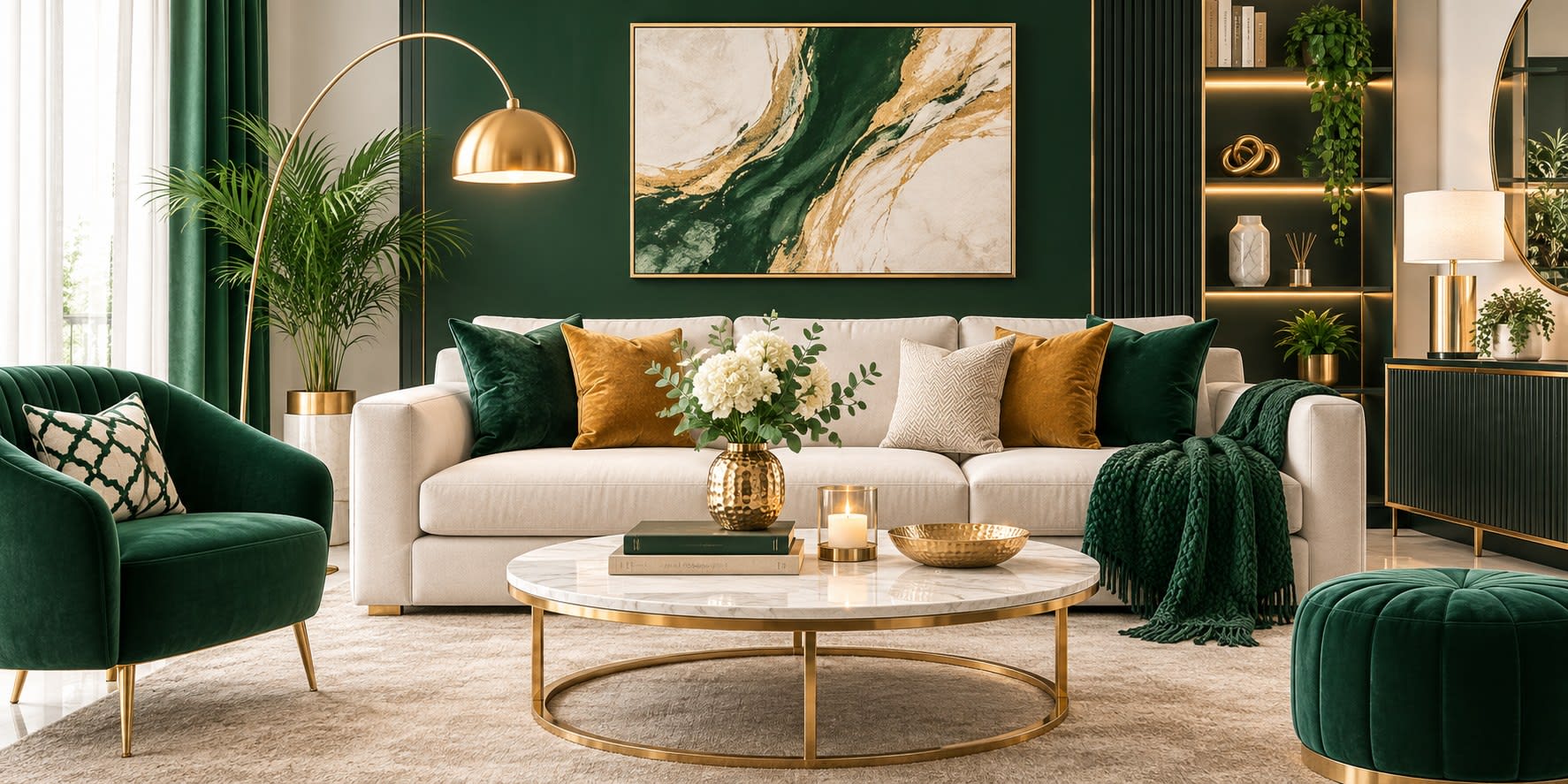
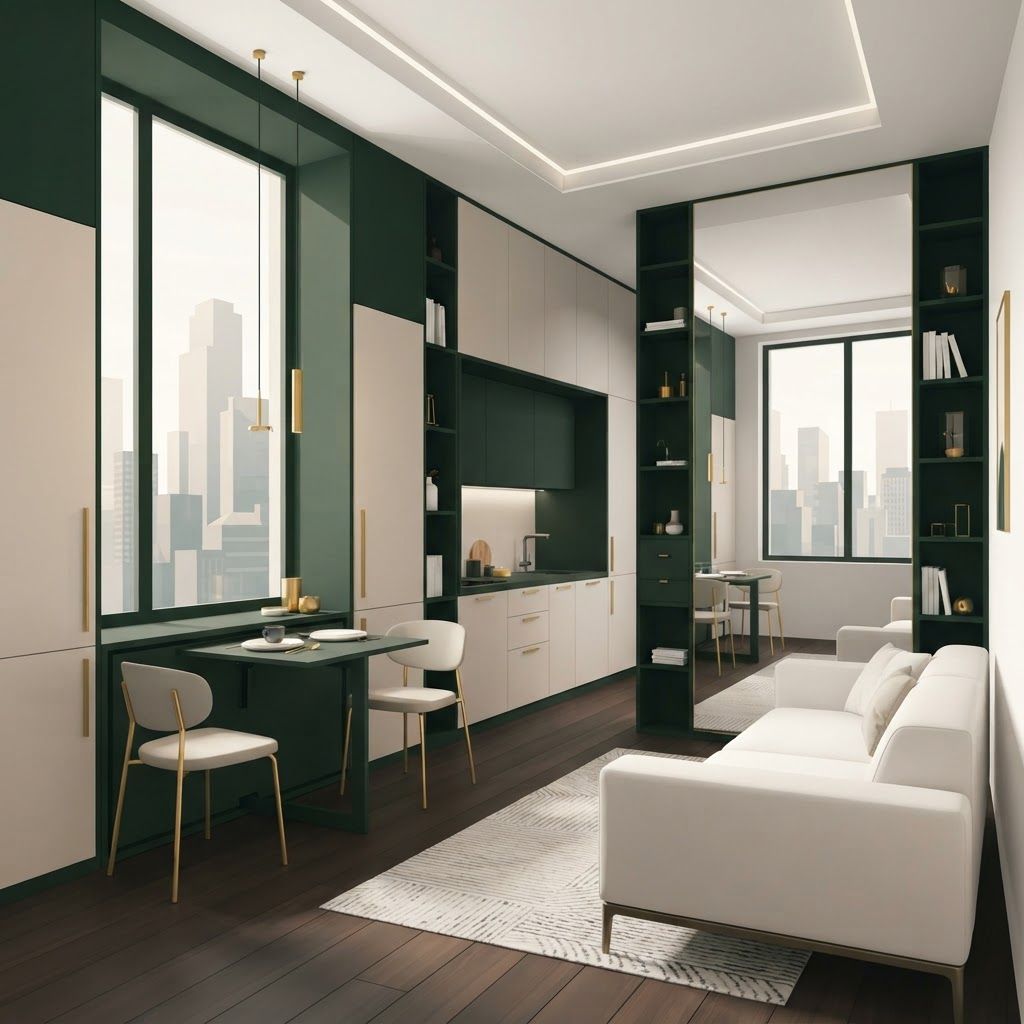
The dominant look in Islamabad right now is minimal in structure but warm in feeling. Clean lines and uncluttered surfaces remain, but the palette has moved from stark white and grey to warm off white, sand, clay, olive and deep forest green. Textured plaster, lime wash and micro cement finishes add depth to walls without pattern. Timber is back in force, particularly natural oak and walnut veneers with visible grain. The effect is calm rather than clinical, which suits a climate of strong light and a culture of frequent hosting. Practically, this trend rewards spending on fewer, better surfaces and resisting the urge to decorate every plane.
Pakistan is rich in stone, and designers are finally treating that as an asset rather than a fallback. Onyx, Ziarat white, Badal grey, Sunny beige and travertine are appearing as full height feature walls, book matched vanity fronts and monolithic kitchen islands. Large format porcelain slabs offer a lower maintenance alternative with convincing veining. Alongside stone, there is renewed appreciation for craft: hand thrown ceramics, brass work, cane and rattan detailing, and handwoven rugs from local weavers. Specifying locally sourced materials reduces lead times, avoids customs delays and gives interiors a sense of place that imported catalogue products never achieve.
Sharp rectangles are being softened everywhere. Arched doorways and niches, rounded plaster corners, curved sofas, pill shaped mirrors and oval dining tables are all in strong demand. The appeal is partly visual relief in homes full of straight lines, and partly a nod to regional architectural heritage, where the arch has deep roots. The trick is restraint. One or two curved gestures per room, such as an arched opening plus a round mirror, feel intentional. Ten of them feel like a theme park.
Vertical texture has become a signature detail of contemporary Islamabad interiors. Fluted timber or plaster panelling behind a bed, slatted timber screens dividing a living and dining zone, and ribbed cabinet fronts in kitchens all add rhythm and shadow without colour. These details also perform: timber slats over an acoustic backing meaningfully reduce echo in rooms with stone floors and glass walls, which is why they are appearing so widely in offices and podcast rooms as well as homes.
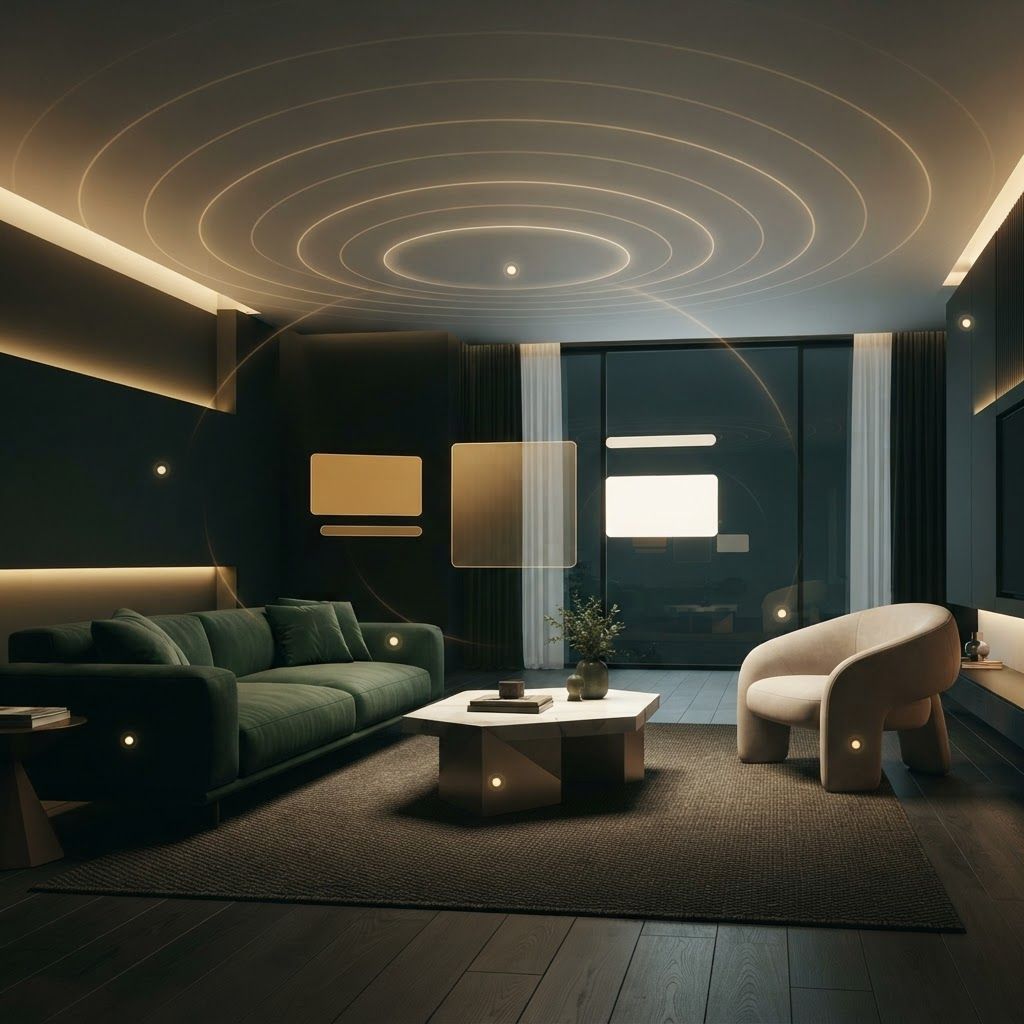
Perhaps the biggest single leap in local design quality has been lighting. The single central fixture is disappearing, replaced by schemes with three or four separate circuits: concealed cove lighting, directional spots on art and texture, decorative pendants as sculpture, and low level accent light. Magnetic track systems allow flexibility after handover. Warm colour temperatures around 2700 to 3000 kelvin dominate. Given local power reliability, designers are also planning which circuits run on backup so the atmosphere survives an outage rather than collapsing into emergency brightness.
Hybrid working has permanently changed floor plans. New Islamabad homes routinely include a dedicated study or a well designed work alcove with proper task lighting, cable management and a background wall that looks composed on camera. Guest rooms double as offices with fitted desks inside wardrobe joinery. Living spaces are being zoned with rugs, ceiling details and lighting rather than walls, so one large area can serve several purposes across the day. Flexibility is now a specification requirement, not a luxury.
Automation has matured from novelty to infrastructure. Motorised curtains, scene based lighting control, smart thermostats, video door entry and app managed security are increasingly standard in mid to high end Islamabad projects. The current trend is invisibility: keypads instead of screens, speakers flush with ceilings, and no visible cable anywhere. This only works if the wiring is planned before plastering, which is why early coordination between designer, electrician and audiovisual contractor has become essential.
Rising energy costs and greater environmental awareness are pushing practical sustainability. Double glazing, better insulation, thermally broken frames and deep reveals or external shading reduce cooling loads significantly in Islamabad summers. Efficient lighting, water saving fittings and locally manufactured furniture cut both footprint and cost. There is also a quiet return to durability as a value: solid timber over particle board, natural stone over thin laminate, and classic proportions over fashionable shapes that will look dated in three years.
Few cities in Pakistan reward an indoor outdoor relationship like Islamabad, with its greenery and hill views. Contemporary projects maximise this with large sliding glazing, continuous flooring between inside and terrace, planted courtyards, generous indoor planting and natural ventilation paths. Beyond aesthetics, the evidence on daylight, greenery and fresh air improving concentration and mood is now strong enough that serious workplace clients treat it as a performance issue.
The common thread across every trend above is intentionality. Islamabad interiors are moving away from display and towards resolution, where each material, light fitting and dimension has a reason. That is good news for homeowners and businesses alike, because considered design costs less to maintain, ages more gracefully and holds value far better. If you are planning a project in the capital, the smartest first step is a clear brief and a proper set of drawings. Everything that makes these interiors look effortless was decided long before the first wall was painted.

Written by the Living Solutions team
Strategy, design, and trade expertise, all under one roof.
Let's discuss how we can turn your vision into sustainable growth and measurable success.