
The China Pakistan Economic Corridor has opened one of the most exciting investment landscapes in South Asia. This guide explores where the real opportunities lie and how investors can participate with confidence.
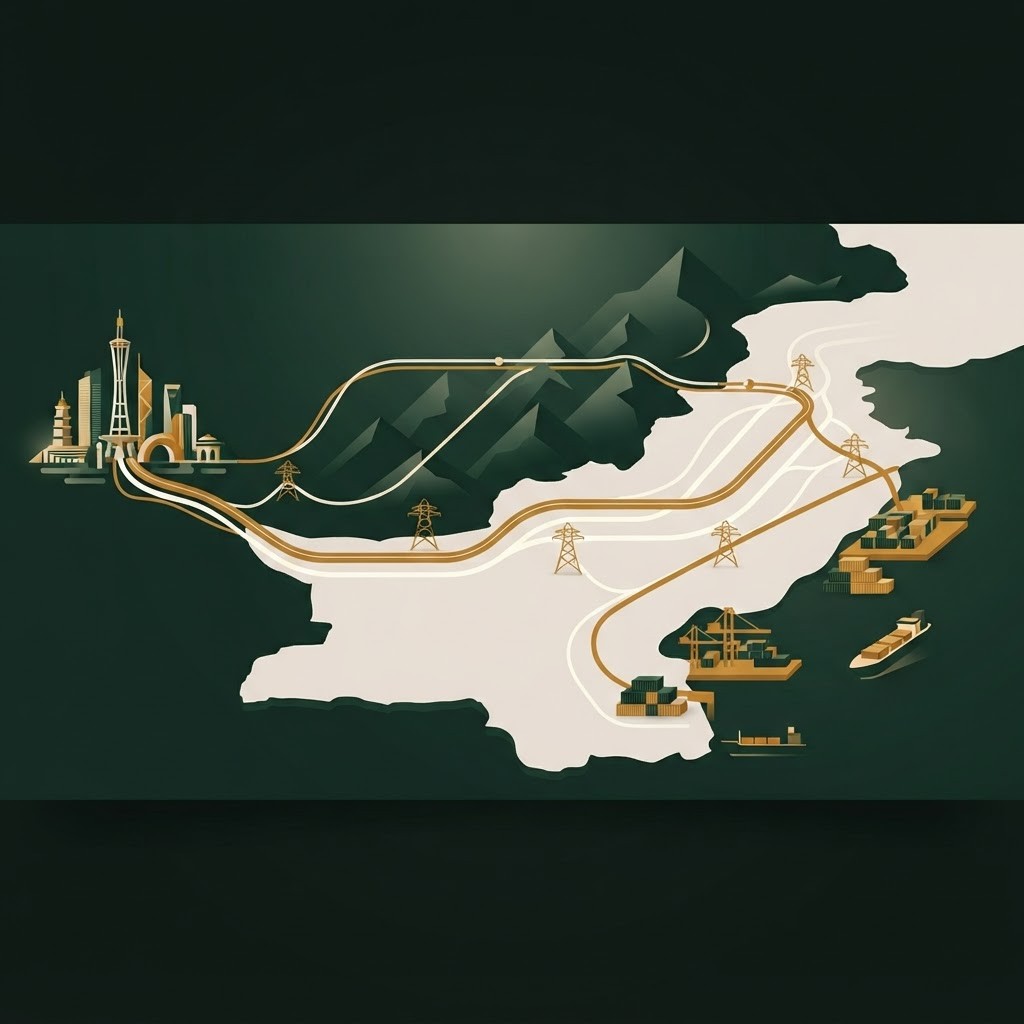
The China Pakistan Economic Corridor, widely known as CPEC, has reshaped the economic map of Pakistan and created a wave of long lasting opportunity for local and international investors alike. As a flagship of regional connectivity, CPEC spans energy generation, transport networks, industrial zones, and port development, linking the deep water port of Gwadar with markets across Asia. For investors who want early access to a rapidly maturing corridor, understanding the structure of these projects is the first step toward making sound and profitable commitments.
At Living Solutions Global, we help investors turn CPEC ambitions into structured, executable ventures. Our Business and Investment Advisory division guides clients through feasibility studies, partner identification, regulatory approvals, and on the ground execution across the corridor. Whether you are evaluating an energy asset or an industrial plot inside a special economic zone, we provide the local intelligence and hands on support you need. Explore our Pakistan infrastructure projects advisory to see how we align capital with the highest value corridors.
CPEC represents one of the largest bilateral investment programmes in the region, covering a broad portfolio of energy, transport, and industrial initiatives. The corridor was designed to solve two of Pakistan's most pressing challenges: reliable power supply and modern logistics. As power plants came online and highways expanded, the wider economy gained the stability that serious investors look for. This foundation now supports a second phase focused on manufacturing, agriculture, and technology, where private capital plays a leading role.
The most compelling opportunities today sit inside the Special Economic Zones established along the corridor. These zones offer serviced land, dedicated utilities, and streamlined approvals, allowing manufacturers and exporters to set up operations with far less friction. Sectors such as textiles, food processing, engineering goods, and building materials are particularly well positioned because they benefit from both domestic demand and export potential. Investors who secure early positions in these zones often gain access to preferential terms that become harder to obtain as the zones fill.
Energy remains a cornerstone of the corridor. From thermal and hydropower to a growing pipeline of solar and wind projects, the energy sector continues to attract patient capital seeking stable, contracted returns. Alongside energy, the transport backbone of highways, railways, and port facilities creates a supporting ecosystem for logistics, warehousing, and distribution ventures. Investors who understand how these pieces connect can build integrated positions that capture value across the supply chain rather than in a single asset.
The port city of Gwadar sits at the heart of the corridor's long term vision. As port capacity expands and the surrounding free zone develops, opportunities are emerging in shipping services, cold storage, fisheries, tourism, and real estate. Coastal development carries a longer horizon, yet the upside for investors who position early can be considerable as trade volumes rise and the city matures into a regional hub.
Successful participation in CPEC depends on rigorous preparation. Investors should validate land titles, confirm zone incentives, understand offtake arrangements, and secure reliable local partners. Currency planning, repatriation of profits, and compliance with sector regulations all require careful attention. This is where structured advisory becomes essential, turning a broad opportunity into a defined and defensible venture. Those looking to invest in Pakistan through the corridor benefit from a partner who can navigate both the paperwork and the relationships that make projects move.
Many of the corridor's foundational projects are now complete, which lowers execution risk for the next generation of investments. With energy and connectivity in place, the focus has shifted to productive enterprise that generates jobs, exports, and recurring revenue. This maturity makes the current moment attractive for investors who prefer to enter after the heaviest infrastructure risk has passed but before the market becomes fully priced. The range of Pakistan investment opportunities tied to the corridor continues to widen as new zones and sectors open.
The next chapter of CPEC will reward investors who combine sector insight with disciplined execution. Manufacturing clusters, agricultural value chains, renewable energy, and digital infrastructure are all set to expand. International investors bringing capital, technology, and management expertise will find willing partners and supportive policy. For those seeking a trusted route into these projects, our team stands ready to structure ventures that meet global standards while remaining grounded in local reality. Investors exploring broader foreign investment in Pakistan can rely on us to connect corridor opportunities with the wider national economy.
The China Pakistan Economic Corridor has moved from vision to working reality, and it now offers a diverse menu of investment opportunities across energy, industry, logistics, and coastal development. The investors who succeed will be those who prepare thoroughly, partner wisely, and act with conviction. With the right guidance, the corridor becomes not just a headline programme but a practical path to durable returns. We invite investors to speak with our advisory team and begin building a corridor strategy that fits their goals.

Written by the Living Solutions team
Strategy, design, and trade expertise, all under one roof.
Let's discuss how we can turn your vision into sustainable growth and measurable success.