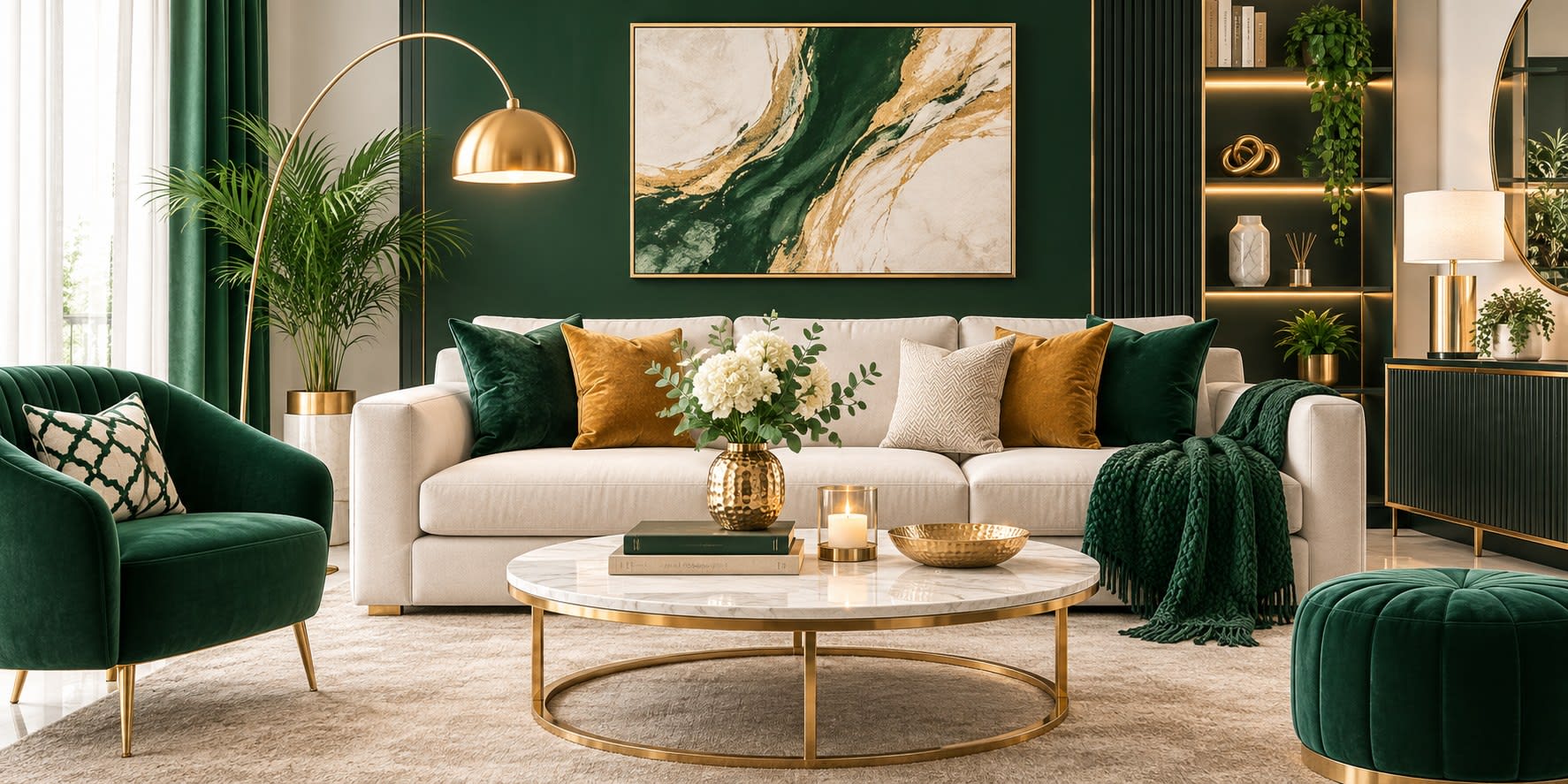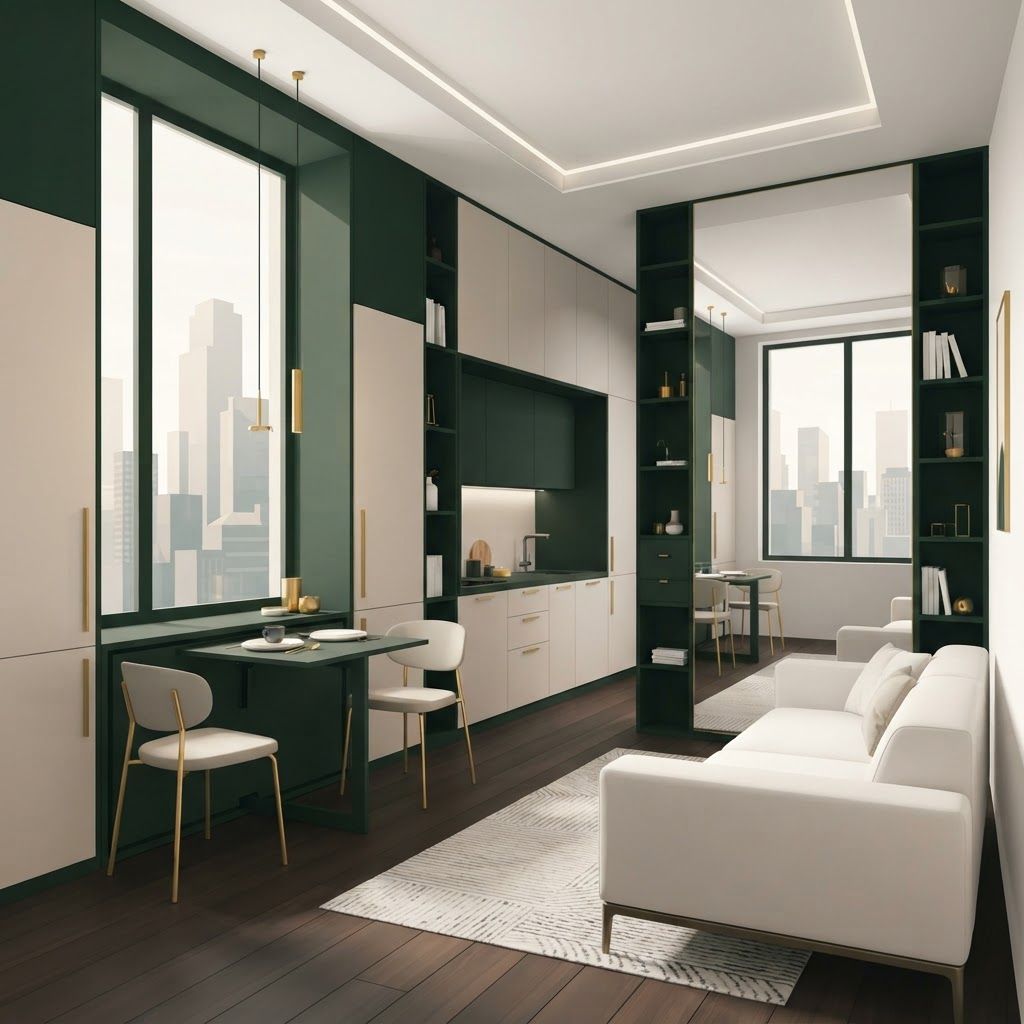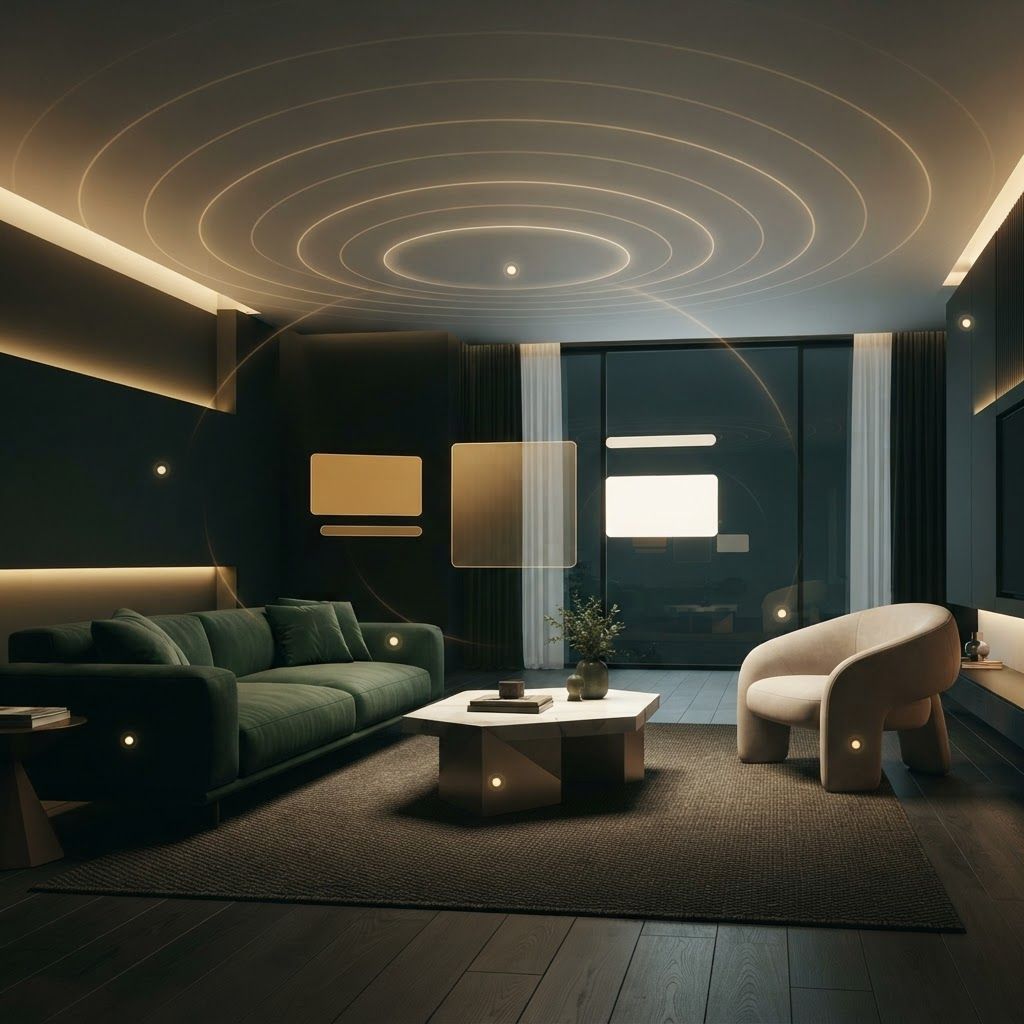
Custom home interior design tailors every layout, joinery unit and finish to the way your family actually lives. This guide explains the bespoke design process, where custom work pays off most and how we deliver personalised homes across Islamabad and Pakistan.
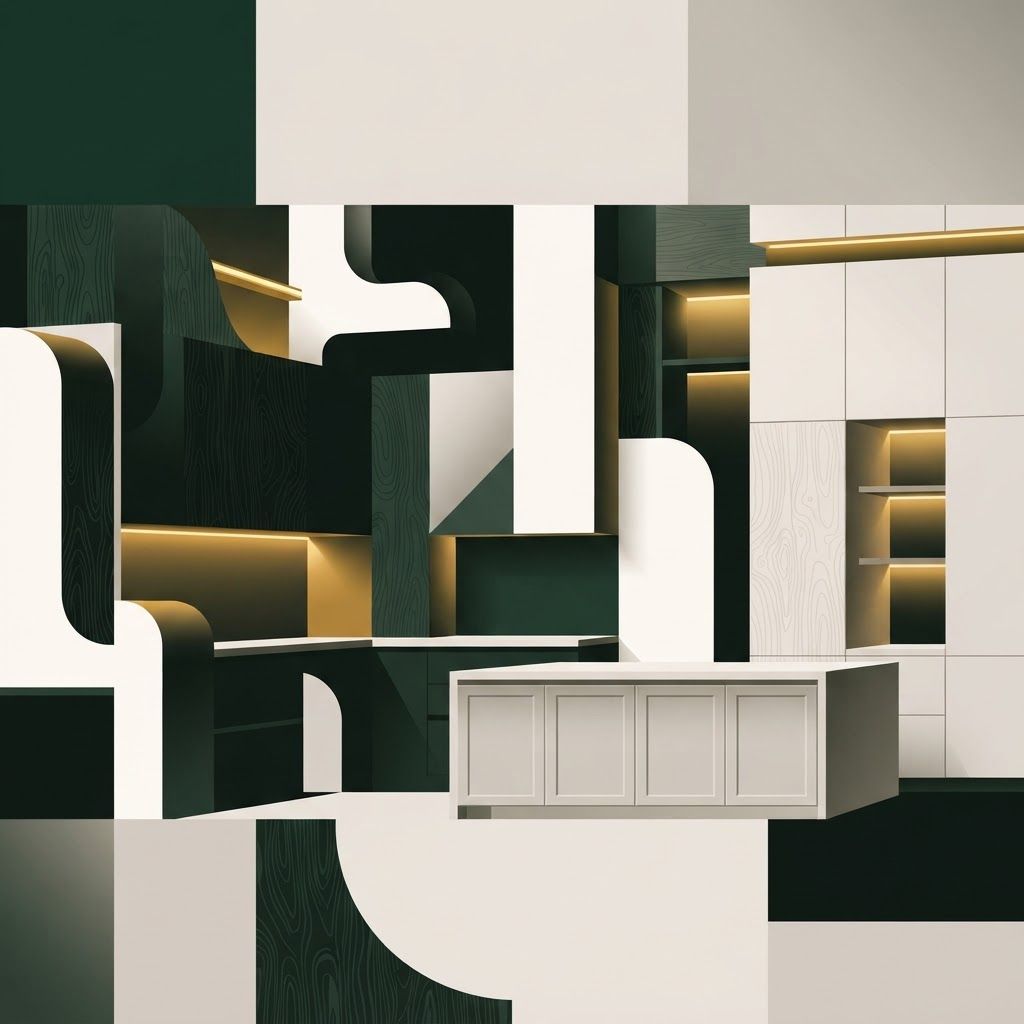
Custom home interior design begins from a simple observation: no two families live the same way. Standard layouts and ready made furniture assume an average household that rarely exists. One family cooks daily for ten people, another entertains guests every weekend, another works from home and needs quiet, another has small children and needs durable surfaces and safe circulation. A bespoke interior responds to these realities. Rooms are proportioned for how they will be used, storage is sized for what the family actually owns and finishes are chosen for the traffic each area receives.
The result is a home that feels effortless. Nothing is in the way, everything has a place and daily routines happen without friction. That sense of ease is what people notice when they walk into a well designed custom home, even if they cannot identify why the space feels better than a similarly sized property next door. It is not decoration. It is fit.
The Interior Design and Fit Out division at Living Solutions Global specialises in tailored home interiors for houses, villas, apartments and full renovations. We are based in Islamabad and work with clients throughout Pakistan, including overseas Pakistanis who want a dependable local team to design and build a home while they are abroad. Our process starts with a detailed lifestyle brief and a measured survey, then progresses through layout options, material curation, custom joinery design, lighting design, full technical drawings, procurement and supervised execution. Where clients prefer working with a woman designer for family comfort and privacy during home visits, we can assign a female interior designer in Islamabad. Our complete residential interior design service ensures the finished home reflects your family rather than a template.
A strong bespoke project starts with honest questions. How many people live here permanently and how many visit regularly? Do you eat at a dining table or in the kitchen? How often do you host and how many guests attend? Who works from home and where? How much clothing, crockery, luggage and equipment needs storing? Do you need a prayer space, a study, a laundry area or a store? Are elderly family members or young children part of daily life? The answers shape floor plans far more usefully than style preferences.
Bespoke design is not equally valuable everywhere. Concentrating custom effort in a few areas gives the biggest improvement per rupee spent. Fitted wardrobes designed for your clothing types eliminate wasted volume and remove the need for loose cupboards. Custom kitchens arranged around your cooking sequence reduce daily effort and use awkward corners productively. Built in storage benches, television consoles and study desks fit exact dimensions where standard furniture leaves gaps. Bathroom vanities made to measure make small bathrooms feel considerably larger. Feature elements such as panelled walls, integrated lighting recesses and stone detailing at focal points create character without redecorating the whole house.
By contrast, some items are better bought than made. Sofas, mattresses, dining chairs and appliances are usually produced to higher standards by specialists than by general joinery workshops. A good designer will tell you where bespoke fabrication adds value and where a well chosen product is the smarter choice.
Custom homes live or die on joinery quality. The visible surface is only part of the story. Board type, moisture resistance in wet areas, edge banding quality, hinge and drawer runner grade, back panel thickness and installation accuracy all determine whether a unit still functions smoothly after five years of daily use. Investing in hardware is one of the most rewarding decisions in a bespoke project because it affects every interaction. For surfaces, match material to exposure. Engineered stone or quartz for kitchen counters, porcelain in wet and high traffic zones, engineered wood in bedrooms, washable premium paint in corridors and cleanable performance fabrics in family seating. Well planned fit out services convert these specifications into accurate site execution rather than approximate substitutions.
Custom interiors depend on electrical planning that follows the furniture layout, not the other way round. Bedside sockets and switches positioned where the bed actually sits, task lighting above kitchen work surfaces, mirror lighting that illuminates the face rather than the ceiling, dimmable circuits in living and dining areas, and sufficient charging points at desks and seating all come from planning while drawings are still on paper. Cooling and heating placement should avoid blowing directly onto beds or seating. Backup power and voltage protection should be sized for the appliances you will actually run. These are unglamorous decisions that quietly determine comfort.
Custom work involves more approvals than standard work, so process discipline matters. Approve material samples physically, sign a finish schedule, review shop drawings for every joinery unit and inspect a prototype where a detail is complex or repeated. Keep a documented variation log with cost and time impact. Tie payments to inspected milestones. Schedule work so the family can remain in part of the home if the project is a renovation, with dust protection for unaffected rooms. Request as built drawings and a paint and material schedule at handover so future touch ups match exactly. These controls turn a complex bespoke project into a predictable one.
Custom home interior design is ultimately about accuracy. Accurate measurements, accurate understanding of your routine and accurate execution on site combine to produce a house that supports your life instead of resisting it. Begin by writing down how your household actually functions, what frustrates you in your current home and what your realistic budget band is. Bring that brief to a design team and ask for layout options before styling. Speak with our Islamabad based team about your property, and we will design and build a home tailored precisely to the way your family lives.

Written by the Living Solutions team
Strategy, design, and trade expertise, all under one roof.
Let's discuss how we can turn your vision into sustainable growth and measurable success.