Pink Himalayan salt is one of Pakistan's most distinctive exports. This guide explains how to build a successful salt export business, from mining and processing to branding and global sales.
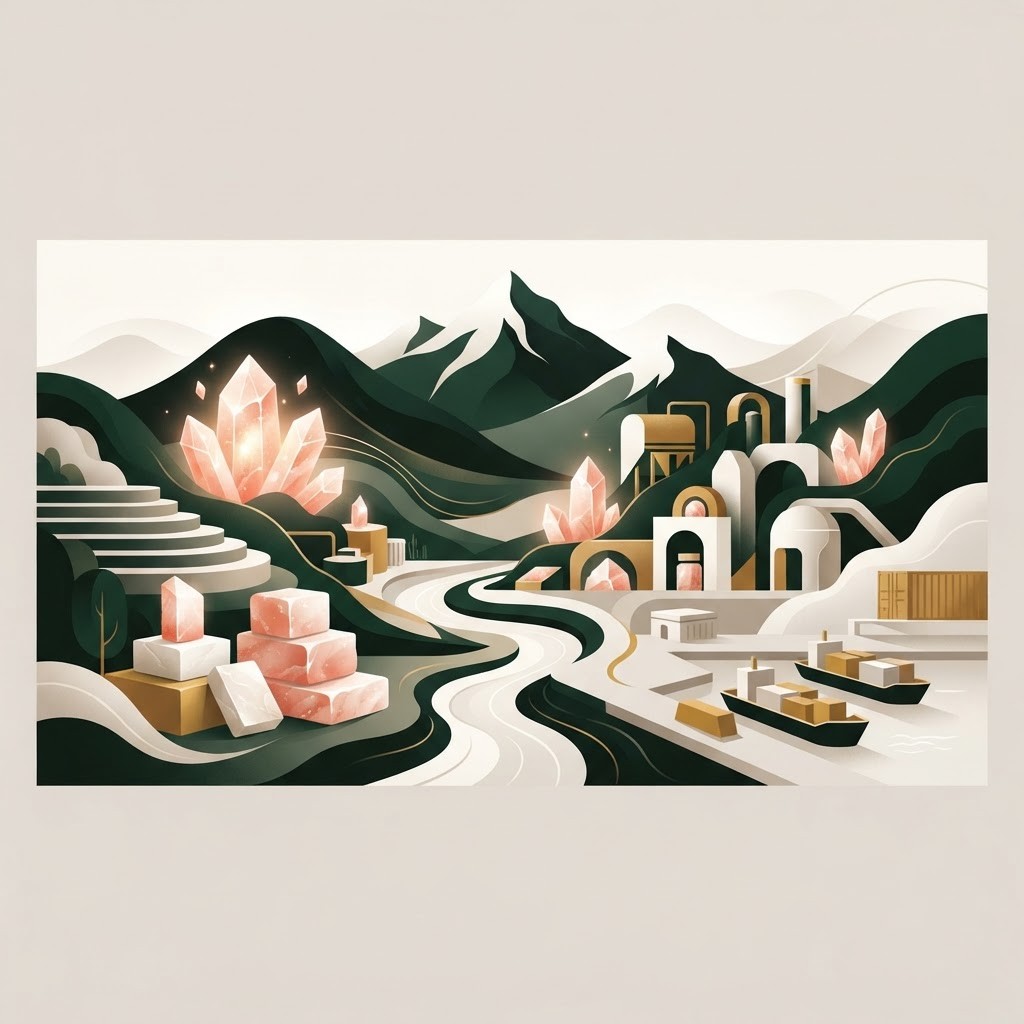
Pink Himalayan salt is one of Pakistan's most recognisable and valuable exports. Mined from the ancient deposits of the Salt Range in Punjab, this distinctive pink mineral is sold worldwide for cooking, wellness, decoration, and industrial use. Demand has grown rapidly as consumers around the world seek natural products, and Pakistan holds a natural advantage as the source of the vast majority of this salt. For exporters, the opportunity is significant, spanning everything from bulk raw salt to premium branded consumer goods.
At Living Solutions Global we help salt producers and traders reach global buyers and build valuable brands. Our Global Trade and Export division supports you with product positioning, compliance, buyer outreach, and logistics. Learn how Living Solutions Global and our export consultancy in Pakistan can help you turn a natural resource into a thriving international business.
The Salt Range holds some of the largest and oldest salt deposits on earth. The characteristic pink colour comes from trace minerals, and this natural appearance is a major part of the product's appeal. Because so much of the world's pink salt originates here, Pakistani exporters enjoy a strong position. Turning this advantage into lasting success means moving beyond raw material sales toward processed and branded products that command higher prices.
Himalayan salt is sold in many forms. Buyers purchase raw rock salt in bulk, fine and coarse edible salt, salt lamps, cooking blocks, bath salts, and decorative items. Each form serves a different market and earns a different margin. Exporters who invest in grinding, sizing, cleaning, and shaping can add substantial value. Developing a range of finished products allows a business to serve premium retail buyers rather than competing solely on the price of raw material.
Edible salt is a food product, so hygiene and purity are essential. Buyers expect clean, contaminant free salt processed in sanitary conditions, and many require food safety certification. For lamps and decorative items, consistent colour and structural integrity matter. Investing in proper processing and quality control ensures your products meet the standards of importing countries and protects your reputation with demanding buyers.
Much of the value in Himalayan salt lies in branding. Consumers pay a premium for attractive packaging, a compelling story of natural origin, and trusted quality. Exporters who develop their own brand rather than supplying unbranded bulk salt can capture far higher margins. Strong branding services help you create packaging and messaging that stand out on international shelves and connect with wellness focused consumers.
Buyers of Himalayan salt include wholesalers, health food retailers, supermarkets, and specialty gift stores. Winning them requires professional samples, reliable quality, and clear communication. Trade fairs for food and wellness products are valuable venues to meet buyers and showcase your range. Support with market entry services can help you identify the right markets and reach the right buyers efficiently.
Salt is heavy and dense, so packaging must be strong and shipping must be planned carefully to control costs. Retail products need attractive, protective packaging, while bulk shipments require durable sacks or containers. Working with experienced freight partners keeps costs competitive and ensures products arrive intact. Reliable delivery protects buyer relationships and supports repeat business.
Demand for Himalayan salt spans many categories, and this diversity is a great strength. Gourmet cooks value it as a premium seasoning, wellness consumers use it in bath products and salt lamps, and the food industry uses it as an ingredient. Spa and hospitality businesses install salt walls and salt rooms. By serving several categories at once, exporters can build resilient demand that does not depend on any single trend or market.
The greatest profits in the salt trade come from moving up the value chain. Raw salt sold in bulk earns modest returns, but finely processed edible salt, precisely shaped lamps, and beautifully packaged wellness products command far higher prices. Investing in grinding, cutting, cleaning, and finishing equipment allows exporters to capture this added value rather than leaving it to buyers overseas who process the raw material themselves.
As global attention turns to responsible sourcing, buyers increasingly want assurance that salt is mined and processed ethically. Demonstrating responsible practices, fair labour, and care for the environment strengthens your appeal to conscientious buyers. A credible story of responsible sourcing adds to the natural appeal of the product and supports the premium positioning that makes this business so rewarding.
Himalayan salt offers a rare combination of natural advantage and growing global demand. Exporters who invest in processing, quality, and branding can build genuinely valuable businesses rather than competing only on raw material prices. With careful planning and strong support for international trade in Pakistan, your salt export business can build a premium and profitable presence in markets worldwide.

Written by the Living Solutions team
Strategy, design, and trade expertise, all under one roof.
Let's discuss how we can turn your vision into sustainable growth and measurable success.