
Pakistan is a leading exporter of basmati and non basmati rice. This guide explains how to build a profitable rice export business, from quality and certification to buyer relationships and logistics.
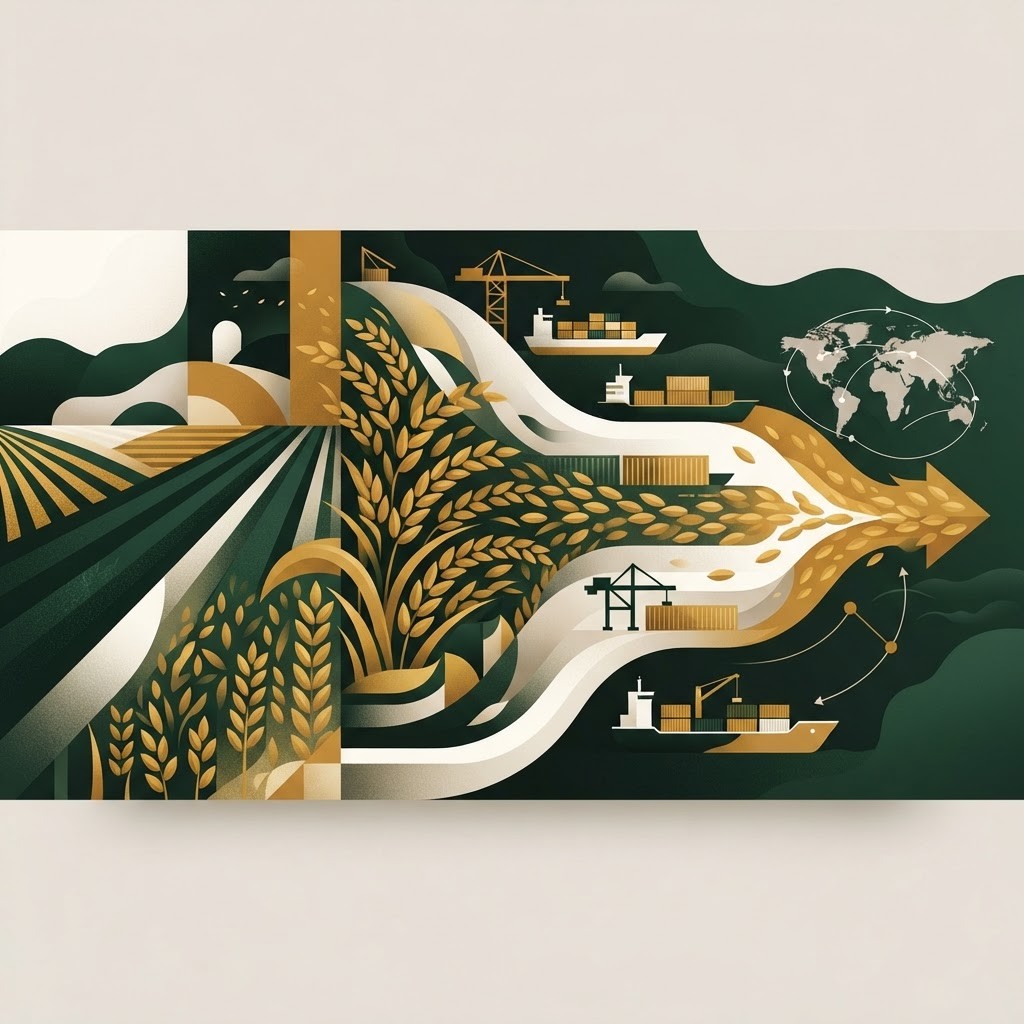
Rice is one of Pakistan's proudest exports. The country is famous worldwide for its aromatic basmati rice, grown in the fertile plains of Punjab, and it also supplies large volumes of non basmati varieties to markets across the Middle East, Africa, Europe, and Asia. Rice exports earn significant foreign exchange and support millions of farmers and traders. For businesses entering this sector, the opportunity is substantial, but so is the competition. Success depends on quality, food safety compliance, and reliable delivery to demanding international buyers.
At Living Solutions Global we help rice traders and processors reach global buyers and meet international food standards. Our Global Trade and Export division supports you with market research, certification guidance, buyer outreach, and logistics. Discover how Living Solutions Global and our export consultancy in Pakistan can help your rice business grow across international markets.
Pakistan enjoys natural advantages in rice production. The climate and soil of the Punjab region produce basmati rice with a distinctive aroma, long grain, and fluffy texture that buyers prize. Non basmati varieties offer competitive value for markets that prioritise price. This combination allows exporters to serve both premium and mass market segments, giving the sector resilience across different regions and buyer preferences.
Consistent quality is the foundation of a successful rice export business. Grain length, aroma, moisture content, purity, and the absence of foreign matter all affect the price buyers are willing to pay. Careful sourcing, proper drying, and modern milling and sorting equipment help maintain high standards. Investing in quality control and cleaning technology reduces rejections and builds the reputation that wins repeat orders.
Rice is a food product, so importing countries enforce strict safety rules. Limits on pesticide residues, aflatoxins, and contaminants must be respected, and many buyers require internationally recognised food safety certifications. Compliance with the standards of the destination market is not optional, because a rejected shipment can be costly and damaging. Strong documentation, laboratory testing, and hygienic processing protect both your buyers and your business.
Packaging protects rice during long journeys and also helps sell the product. Options range from bulk bags for wholesale buyers to branded retail packs for supermarket shelves. Food grade, moisture resistant packaging preserves quality and meets the hygiene expectations of importing countries. Clear labelling with origin, variety, and nutritional information builds buyer confidence and satisfies regulatory requirements.
Buyers of rice include importers, wholesalers, supermarket chains, and food service companies. Winning their trust requires reliable samples, consistent quality, and honest communication. Trade fairs, industry directories, and referrals all help build a buyer network. Reliability matters enormously in the food trade, so delivering exactly what was promised, on time, turns first orders into lasting partnerships. Support with market entry services can help you reach new regions efficiently.
Rice moves in large volumes, usually by sea, so efficient logistics are essential. Careful planning of milling, packing, and shipping schedules ensures orders arrive on time. Working with experienced freight partners helps you secure competitive rates and avoid delays at busy ports. Reliable delivery protects your reputation and keeps buyers loyal season after season.
Basmati rice is the crown jewel of Pakistan's rice exports. Its long grain, delicate aroma, and premium price make it highly sought after in the Middle East, Europe, and North America. Protecting the quality and authenticity of basmati is vital, because buyers pay a premium and expect the genuine article. Exporters who safeguard purity and aroma, and who avoid blending or adulteration, build the trust that supports lasting demand for this valuable product.
Rice quality depends heavily on proper storage. Rice must be kept dry, cool, and free from pests to preserve its condition. Aged basmati, stored carefully for a period before sale, develops a stronger aroma and better cooking qualities that command higher prices. Investing in clean, well managed storage facilities protects your stock, reduces losses, and allows you to deliver consistent quality throughout the year.
Pakistan competes with other major rice producing nations, so exporters must offer a compelling combination of quality, price, and reliability. Understanding the preferences of each market, whether for aroma, grain length, or price, helps you tailor your offer. Building a reputation for consistency and honest dealing is the surest way to win repeat orders in a market where buyers have many options.
The rice export sector rewards businesses that combine quality, compliance, and dependable service. Diversifying across varieties and markets reduces risk and creates steady demand throughout the year. With careful planning and strong support for international trade in Pakistan, your rice export business can build a profitable and enduring presence in global food markets.

Written by the Living Solutions team
Strategy, design, and trade expertise, all under one roof.
Let's discuss how we can turn your vision into sustainable growth and measurable success.