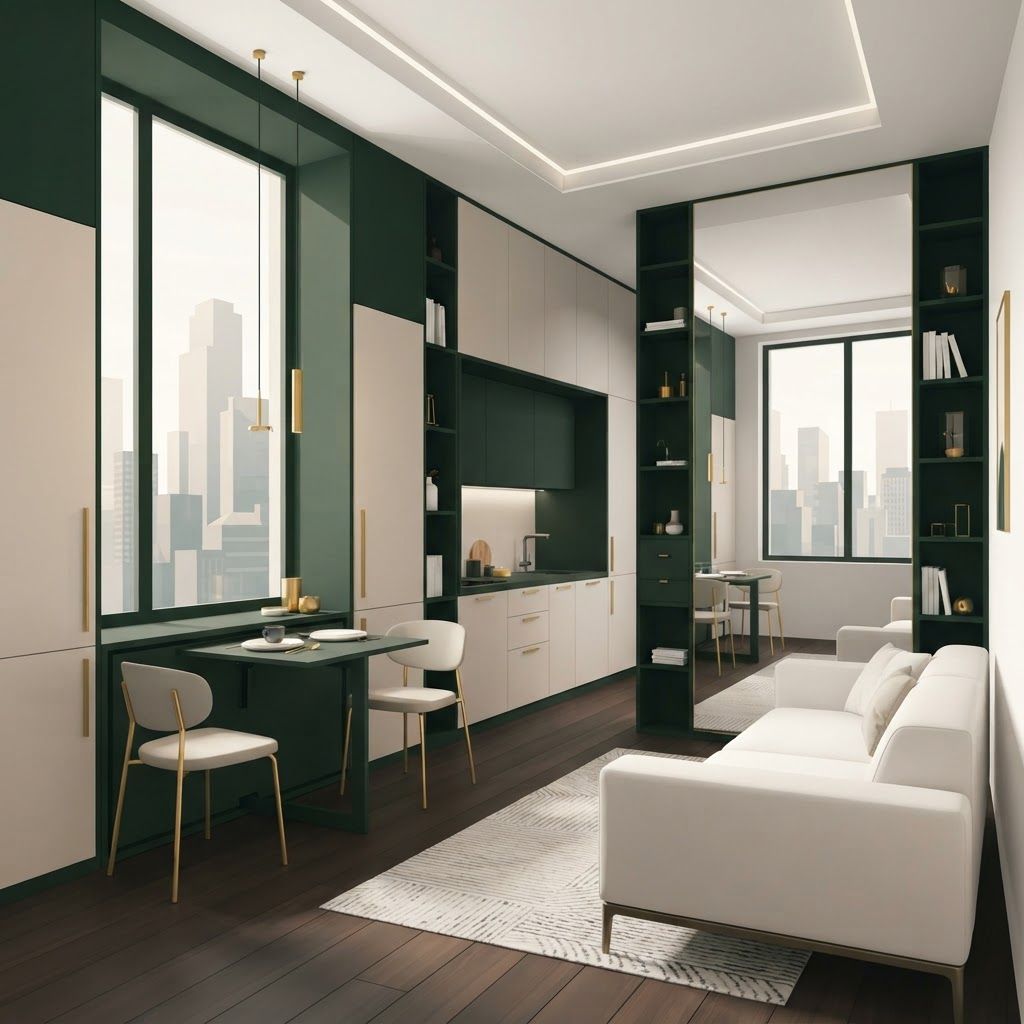
Furniture procurement involves contracts, quality standards, import rules, and tax compliance. Understand the legal framework that keeps furniture buying transparent and protected in Islamabad.

Procuring furniture for offices, hotels, institutions, and large residential projects in Islamabad is rarely a simple purchase. It involves contracts, quality standards, tax obligations, and, for imported items, customs regulations. Understanding the legal framework that governs furniture procurement protects buyers from disputes, hidden costs, and non compliant purchases. Whether procurement happens through direct purchase, tender, or import, knowing the rules ensures transactions are transparent, enforceable, and fair. For businesses and organisations, sound legal awareness is as important as choosing the right designs and materials.
At Living Solutions Global, we help organisations navigate furniture procurement with full compliance and confidence. Our commercial interior design and procurement teams manage supplier contracts, quality specifications, and documentation so every purchase meets legal and operational standards. Partnering with Living Solutions Global means your furniture procurement is handled transparently and professionally, reducing risk while ensuring you receive quality pieces that match your budget and timeline.
Every significant furniture purchase should rest on a clear contract. Under general contract principles, a valid agreement requires offer, acceptance, and consideration, along with clearly defined terms. A strong furniture procurement contract specifies quantities, specifications, delivery dates, payment terms, warranties, and remedies for defects or delays. Well drafted contracts prevent misunderstandings and give both parties enforceable protection if something goes wrong, making them the legal backbone of any procurement.
Furniture procurement often references quality standards to ensure products meet safety and durability expectations. Specifications may cover materials, dimensions, fire safety, and ergonomic requirements, especially for workplaces. Clearly documenting these standards within the purchase agreement gives buyers legal grounds to reject substandard goods. For institutional and corporate buyers, adhering to recognised standards protects users and reduces liability related to unsafe or poorly made furniture.
When furniture is procured by public bodies or through formal tenders, additional rules apply. Public procurement frameworks in Pakistan emphasise transparency, fair competition, and value for money. These rules typically require open bidding, clear evaluation criteria, and proper documentation. Suppliers participating in tenders must comply with eligibility and disclosure requirements. Understanding these procedures is essential for both buyers and vendors involved in institutional furniture supply.
Furniture procurement carries tax obligations that buyers must respect. Sales tax and withholding requirements may apply depending on the nature of the transaction and the parties involved. Proper invoicing and record keeping are essential for compliance and for claiming legitimate input adjustments where applicable. Ignoring tax obligations can lead to penalties, so procurement processes should always incorporate accurate financial documentation aligned with applicable regulations.
Much premium furniture is imported, which brings customs law into play. Imported furniture must be correctly classified, valued, and cleared, with applicable duties and taxes paid. Certificates and documentation must accompany shipments to satisfy customs authorities. Our import consultancy team ensures imported furniture complies with all regulations, preventing clearance delays and unexpected costs that can derail procurement timelines and budgets.
Buyers are entitled to receive goods that match their description and are fit for purpose. Warranties, whether express or implied, give buyers recourse if furniture proves defective. Clearly stated warranty terms within contracts protect organisations that invest heavily in furnishing large spaces. Consumer protection principles reinforce the expectation that suppliers deliver goods of acceptable quality and honour their commitments.
Furniture procurement often forms part of broader interior projects, where legal risk multiplies across many suppliers and deadlines. Coordinating contracts, warranties, and delivery schedules requires careful management. Our office interior design team integrates furniture procurement into complete project plans, aligning legal protections with design and delivery so that furnishing a workplace proceeds smoothly and without disputes.
Even well managed procurement can face disagreements over quality, delivery, or payment. Contracts should include clear dispute resolution mechanisms, whether through negotiation, mediation, or arbitration. Defining these processes in advance saves time and money if conflicts arise. A structured approach to resolving disputes protects relationships and keeps projects moving despite occasional setbacks.
Understanding the laws that govern furniture procurement empowers buyers to purchase confidently and protect their interests. From contracts and quality standards to tax compliance and import rules, each legal element plays a role in a fair, transparent transaction. Organisations that treat procurement as a disciplined, well documented process avoid costly disputes and secure quality furnishings that serve them for years. With expert guidance, furniture procurement becomes a smooth, compliant, and rewarding part of any interior project.

Written by the Living Solutions team
Strategy, design, and trade expertise, all under one roof.
Let's discuss how we can turn your vision into sustainable growth and measurable success.