A practical guide to hiring a home interior designer in Islamabad, covering the design process, room by room priorities, material choices for the local climate and how to budget a renovation sensibly.
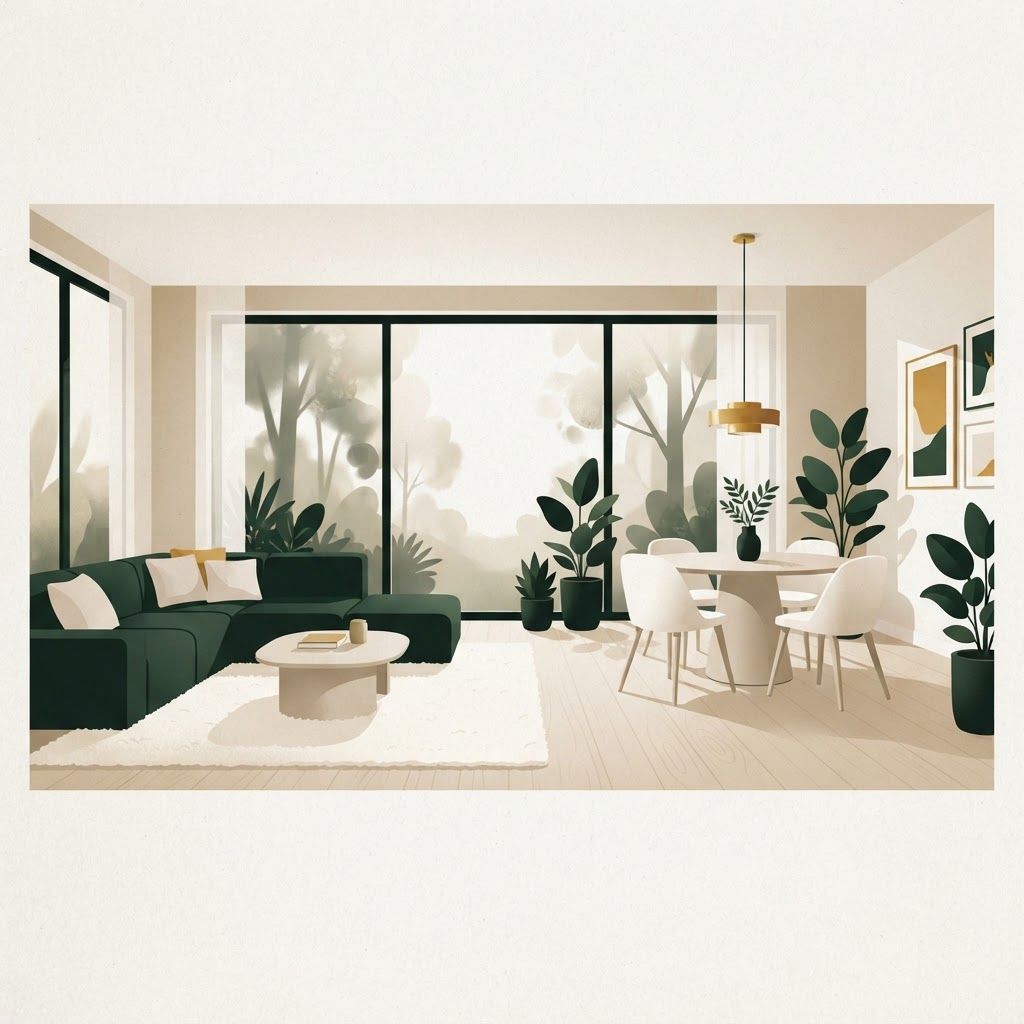
Designing a home is one of the few investments that changes your daily experience every single day. Islamabad offers a particularly rewarding context for this work. The city's planned sectors, generous plot sizes, tree cover and views toward the Margalla Hills give many houses genuine potential, and the local supply of stone, joinery and skilled trades makes quality achievable at reasonable cost. What most homeowners lack is not budget or ambition but a structured process.
That is precisely what a home interior designer provides. The role is not to impose a style. It is to translate how your family actually lives into a plan that solves circulation, storage, light and comfort, and then to specify and supervise the work so the result matches the intention. Without that structure, renovations tend to drift. Decisions get made on site under time pressure, budgets leak into unplanned changes, and the finished house ends up as a collection of separate rooms rather than one coherent home.
At Living Solutions Global our Interior Design and Fit Out division works with homeowners across Islamabad on projects ranging from single room upgrades to complete house transformations. We begin with a site visit and a detailed discussion of how your household functions, then produce measured drawings, revised layouts, lighting and ceiling plans, joinery designs, a full material schedule and 3D views for approval. From there we manage procurement, contractors and installation so you have one accountable team. Clients who prefer a woman to lead the process can work with our female interior designer in Islamabad, which many families find more comfortable during site visits in an occupied home.
The strongest homes are planned around routine. Where does the family gather in the evening. Who works from home and needs quiet. How often do guests visit and do they stay overnight. Do children need supervised study space near the kitchen. Is there enough storage for seasonal bedding, luggage and household supplies. Where do shoes, bags and coats land when people walk in.
Answering these questions produces a brief that is genuinely useful. Style follows naturally afterwards, because a plan that supports your life will look right when it is finished. Choosing a visual theme first and forcing the plan to fit is the most common cause of homes that photograph well and function poorly.
The entrance sets expectation and handles daily clutter. Even a small foyer benefits from a seat, concealed shoe storage, a mirror and one warm light source. In Islamabad homes with a formal drawing room, the entrance should also allow guests to be received without passing family space.
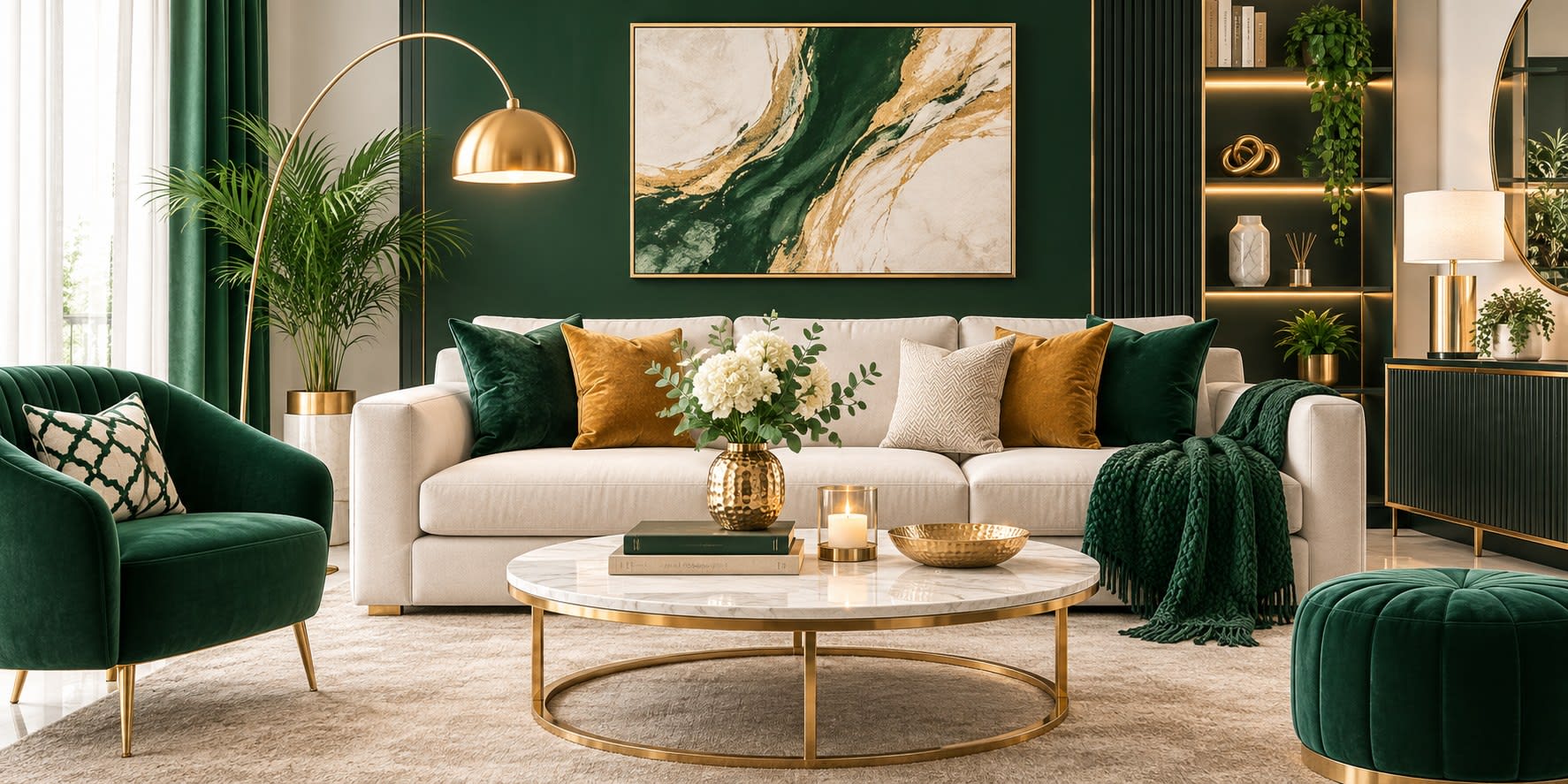
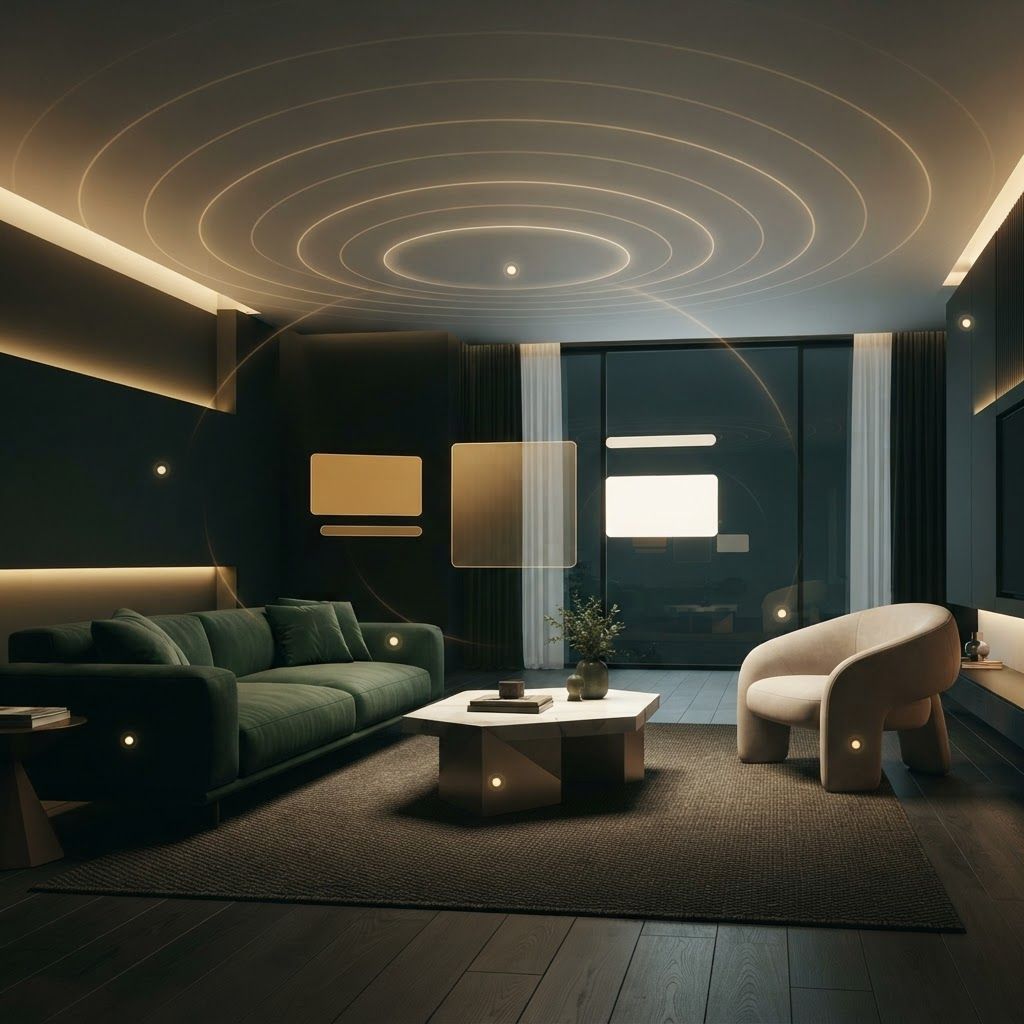
The living area needs a defined focal point and layered lighting. Furniture arranged for conversation, a rug that anchors the seating group, and side lighting at eye level make a room feel finished. Overhead light alone always feels institutional.
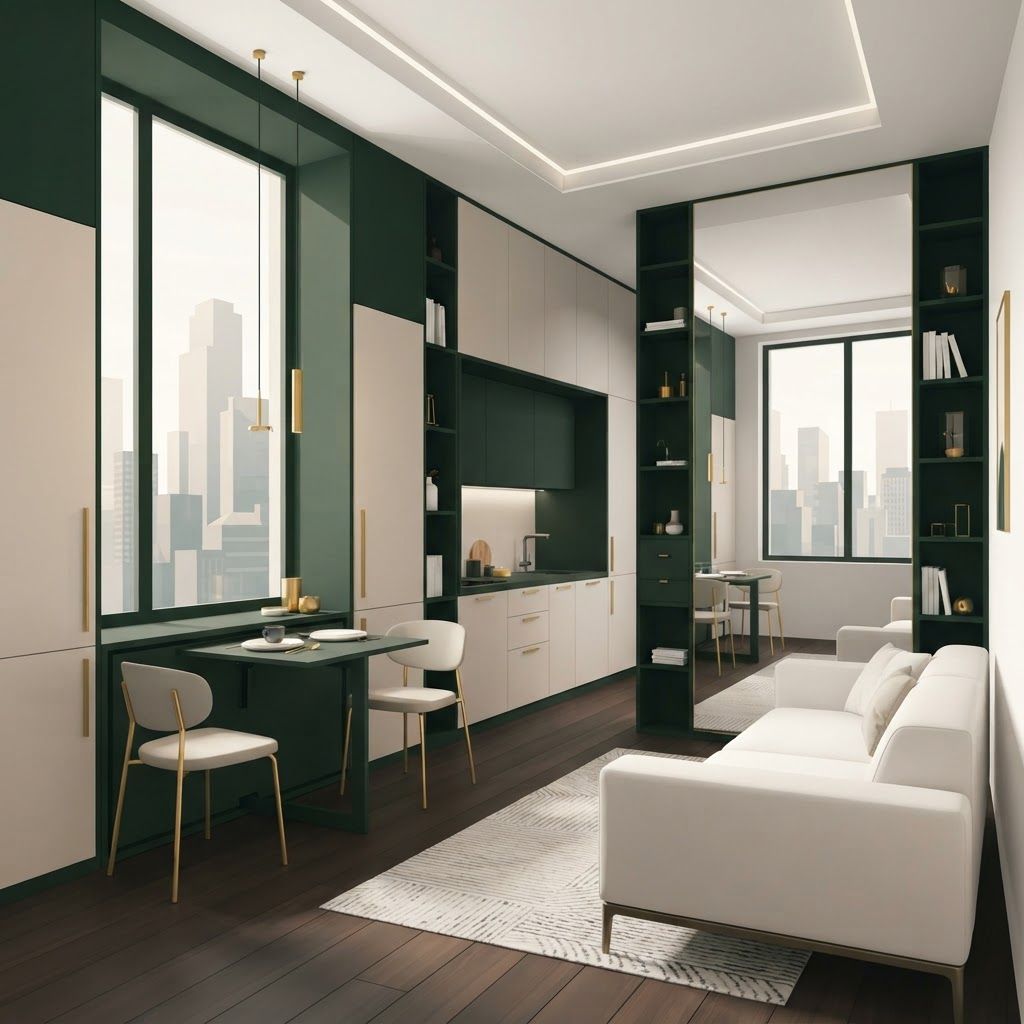
Kitchens deserve the most technical attention. Work triangle logic, deep drawers instead of low cupboards, tall pantry storage, sufficient counter run either side of the hob, real extraction sized for heavy cooking and durable stain resistant surfaces determine whether a kitchen is pleasant to use. Many local families also benefit from separating a robust working kitchen from a presentable open counter.
Bedrooms should prioritise storage and calm. Full height wardrobes with proper internal planning free up floor area. Bedside lighting on independent switches, blackout capability behind decorative curtains and a restrained palette support genuine rest.
Bathrooms need waterproofing and drainage resolved before anything decorative is considered. Wall hung fittings simplify cleaning, niches remove clutter, and good ventilation prevents the mould problems that follow every monsoon.
Islamabad's four distinct seasons should influence material and layout decisions. Hot bright summers argue for shaded west facing windows, light hard flooring on ground floors and ceiling fans working alongside air conditioning. Monsoon humidity demands sealed woodwork, effective extraction and moisture tolerant finishes in wet areas. Cold winter nights make lined curtains, rugs and warm task lighting genuinely valuable rather than merely decorative.
Daylight is one of the biggest assets in many Islamabad homes and one of the most frequently wasted. Deep window reveals, appropriate sheer layers and pale ceiling finishes push natural light further into a plan. Where a corridor or stairwell is dark, a borrowed light panel or repositioned opening usually solves it more elegantly than adding fixtures.
Local stone, porcelain tile, engineered board, laminates, veneers and hardware are all readily available in the twin cities at competitive prices, with quality ranging from poor to excellent. A written specification protects you from silent substitution during construction. We identify exactly which items justify premium selection, typically hardware, sanitary fittings, kitchen surfaces and lighting, and where local material delivers equal performance at lower cost.
Our full residential interior design service includes this documented schedule, and clients who want construction and installation delivered under one contract can add complete fit out services so trades are coordinated on one programme. Through our wider practice in interior design in Pakistan we can also bring in specialist fabricators when a project needs capability beyond the local market.
Divide your budget by permanence. Electrical layout, plumbing positions, waterproofing, flooring, ceilings and fixed joinery should be completed properly in one pass because revisiting them later means demolition. Furniture, curtains, art and accessories can follow in stages without disruption.
Always hold a contingency of around ten to fifteen percent. Older homes reveal surprises once ceilings and walls are opened, particularly in wiring and drainage. A contingency turns those discoveries into manageable adjustments rather than project stopping crises.
Finally, treat scope discipline as a financial tool. Every change after work begins costs more than the same decision made during design. Approving drawings and 3D views carefully is the cheapest form of cost control available to a homeowner.
A good project has a rhythm. Survey and brief, concept layout, developed design and 3D approval, specification and costing, procurement, execution with staged inspections, then snagging and handover. Knowing that sequence lets you plan your life around the work, including where the family will stay if the house must be vacated for a period.
We phase projects for clients who remain in the home, working room by room with dust control and secured storage for belongings. It takes slightly longer but avoids the cost and stress of relocating.
If you are ready to improve your home in Islamabad, the first step is simple. We visit your property, understand your priorities and prepare a clear scope with transparent costing so you can decide with confidence.
Our aim on every residential project is the same. A home that handles daily life effortlessly, welcomes guests gracefully, feels comfortable in every season, and still looks considered many years after the work is finished.

Written by the Living Solutions team
Strategy, design, and trade expertise, all under one roof.
Let's discuss how we can turn your vision into sustainable growth and measurable success.