Explore the latest hotel interior design trends shaping guest experiences, from biophilic design and local storytelling to smart technology and wellness spaces. Learn how modern hotels balance luxury, comfort, and efficiency.
Hotel interior design has evolved into a powerful driver of guest loyalty and revenue. Today travelers expect more than a comfortable bed. They want immersive, memorable environments that reflect a sense of place and offer moments of comfort, wellness, and delight. As hospitality becomes increasingly competitive, hotels that embrace fresh design thinking stand out, earn better reviews, and command stronger rates. This article explores the hotel interior design trends defining modern hospitality and how they can elevate your property.
At Living Solutions Global we design hotel interiors that balance beauty, comfort, and operational efficiency. From boutique properties to large hospitality venues, our team crafts spaces that impress guests while supporting smooth day to day operations. Our commercial interior design expertise ensures every lobby, room, and shared space works as a cohesive experience that strengthens your brand. Working with Living Solutions Global means a single partner guiding your project from concept to completion, so quality and consistency are never compromised.
One of the strongest trends in hospitality is biophilic design, which brings nature indoors to promote calm and wellbeing. Living green walls, indoor plants, natural light, water features, and organic materials help guests feel relaxed and restored. Travelers increasingly seek spaces that feel grounded and healthy, and greenery delivers exactly that. Beyond aesthetics, natural elements improve air quality and create a sense of tranquility that sets a hotel apart from sterile, generic interiors.
Guests want to feel where they are, not stay in an interior that could exist anywhere. Modern hotels celebrate local culture through art, craftsmanship, materials, and design motifs that reflect the region. In Pakistan this might mean incorporating traditional patterns, handcrafted textiles, regional artwork, and locally sourced materials in a refined, contemporary way. This authentic storytelling creates emotional connection, supports local artisans, and gives guests a genuine sense of discovery.
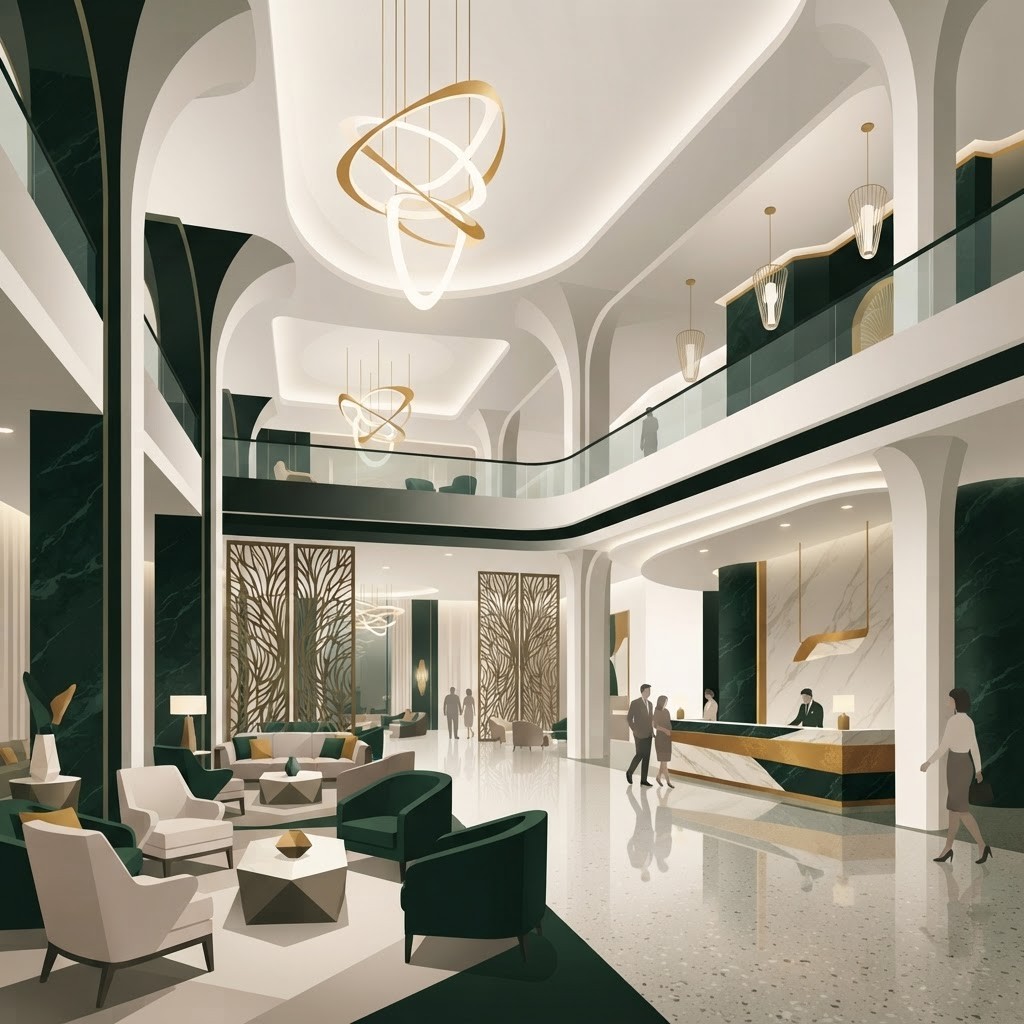
The traditional hotel lobby has transformed into a dynamic, multipurpose hub. Lobbies now blend reception, lounge, cafe, coworking, and social areas into flexible environments where guests can work, relax, and connect. Comfortable seating clusters, communal tables, and inviting nooks encourage people to spend time in shared spaces rather than retreating to their rooms. This approach adds energy to the property and creates additional revenue opportunities through food, beverage, and events.
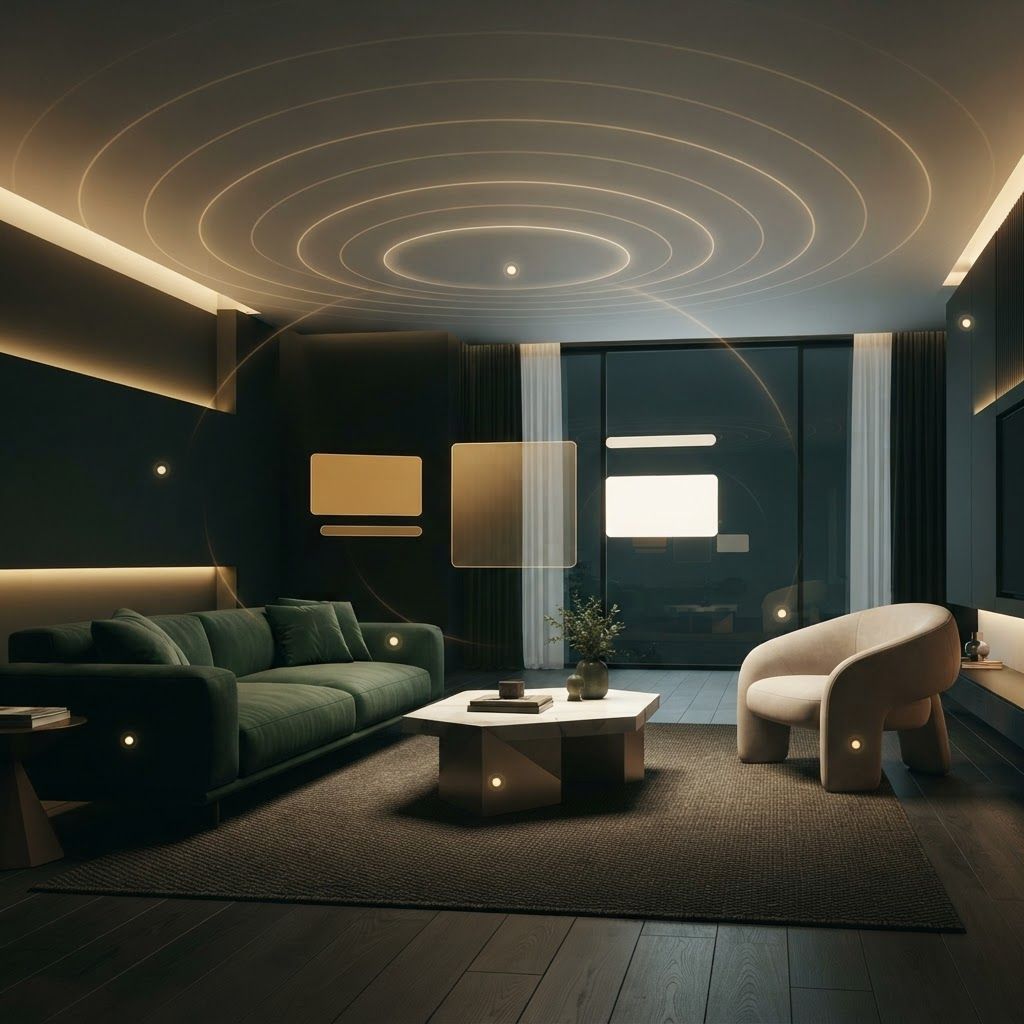
Technology is reshaping guest expectations. Smart rooms with app based controls for lighting, temperature, curtains, and entertainment offer convenience and a modern feel. Contactless check in, keyless entry, and intuitive in room tablets streamline the stay and reduce friction. The key is integrating technology invisibly so it enhances comfort without overwhelming guests. When done well, smart features feel effortless and elevate the overall perception of quality.
Wellness has moved from a luxury add on to a central design consideration. Guests value spaces that support rest and health, from calming color palettes and quality mattresses to blackout curtains, air purification, and soundproofing for deep sleep. Dedicated wellness areas such as spas, yoga studios, and fitness spaces are increasingly expected. Even small touches, like natural light in bathrooms and relaxing lounge zones, contribute to a restorative experience that guests remember.
Sustainability is now a decisive factor for many travelers. Hotels are adopting energy efficient lighting, water saving fixtures, responsibly sourced materials, and durable furnishings that reduce waste. Beyond environmental benefits, sustainable design often lowers long term operating costs and appeals to conscious guests. Communicating these efforts through thoughtful design tells a story of responsibility that enhances brand reputation.
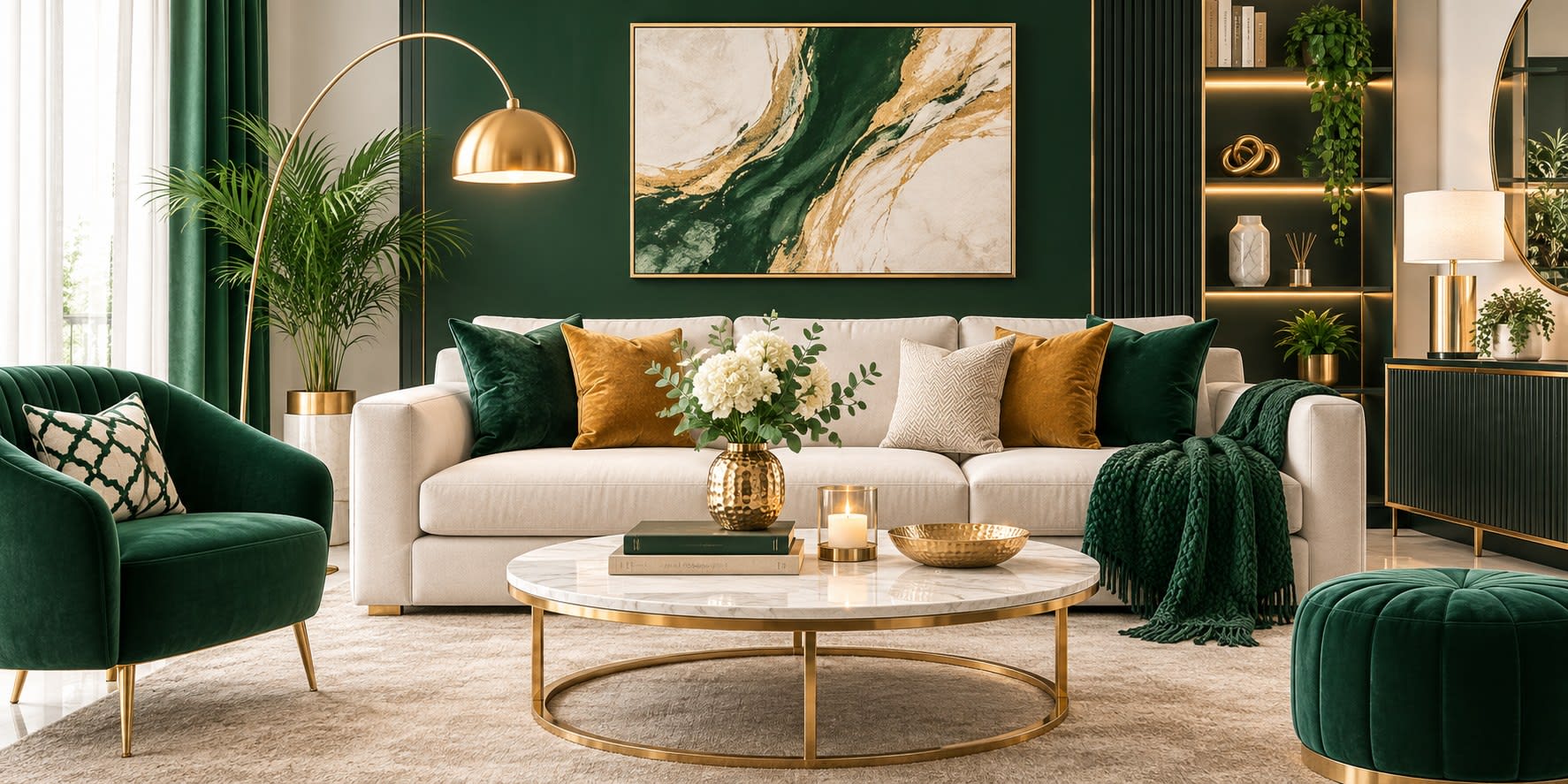
Contemporary hotel interiors are moving away from cold minimalism toward warm, layered luxury. Rich textures, plush fabrics, natural materials, and tactile finishes create depth and comfort. Warm neutral palettes accented with deep greens, ambers, and earthy tones evoke sophistication and calm. Layered lighting, from ambient to accent, adds atmosphere and highlights architectural details, turning ordinary rooms into inviting sanctuaries.
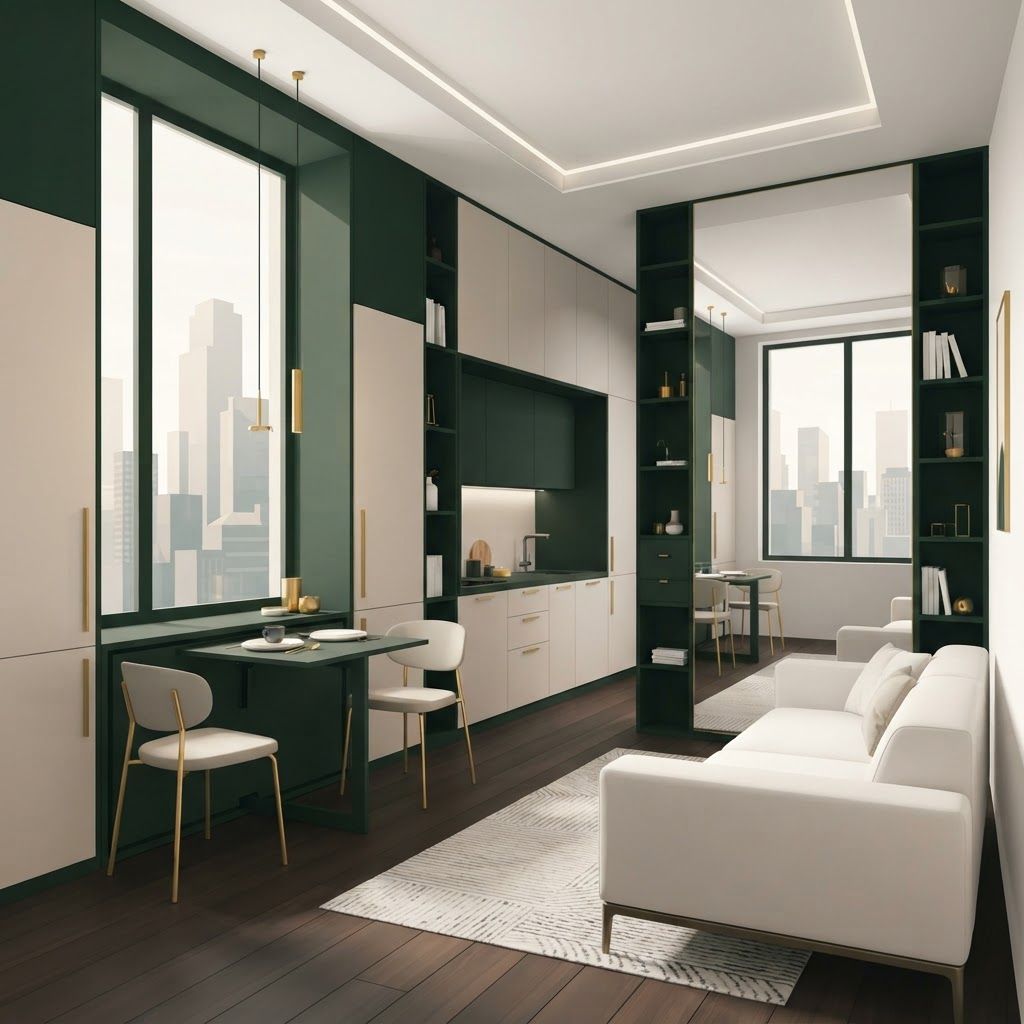
Beyond aesthetics, smart hotel design considers efficiency and profitability. Flexible spaces that can host events, meetings, or dining adapt to demand and generate additional income. Durable, easy to maintain materials reduce long term costs, while energy efficient systems lower operating expenses. Thoughtful back of house planning keeps staff productive and service seamless. When beauty is paired with operational intelligence, a hotel not only delights guests but also delivers stronger financial performance, making design a genuine business investment rather than a simple expense.
The most successful hotels blend timeless comfort with forward thinking design that anticipates evolving guest expectations. By embracing nature, local identity, technology, wellness, and sustainability, properties create experiences that inspire loyalty and positive word of mouth. Whether you are developing a new hotel or renovating an existing one, expert design guidance ensures your investment delivers lasting impact. Discover how our interior design in Pakistan team can help you create a property that guests love and remember.

Written by the Living Solutions team
Strategy, design, and trade expertise, all under one roof.
Let's discuss how we can turn your vision into sustainable growth and measurable success.