Hotel interior projects carry real risks around budget, timelines, and guest experience. This guide explains the common pitfalls in Islamabad and how careful planning keeps them under control.
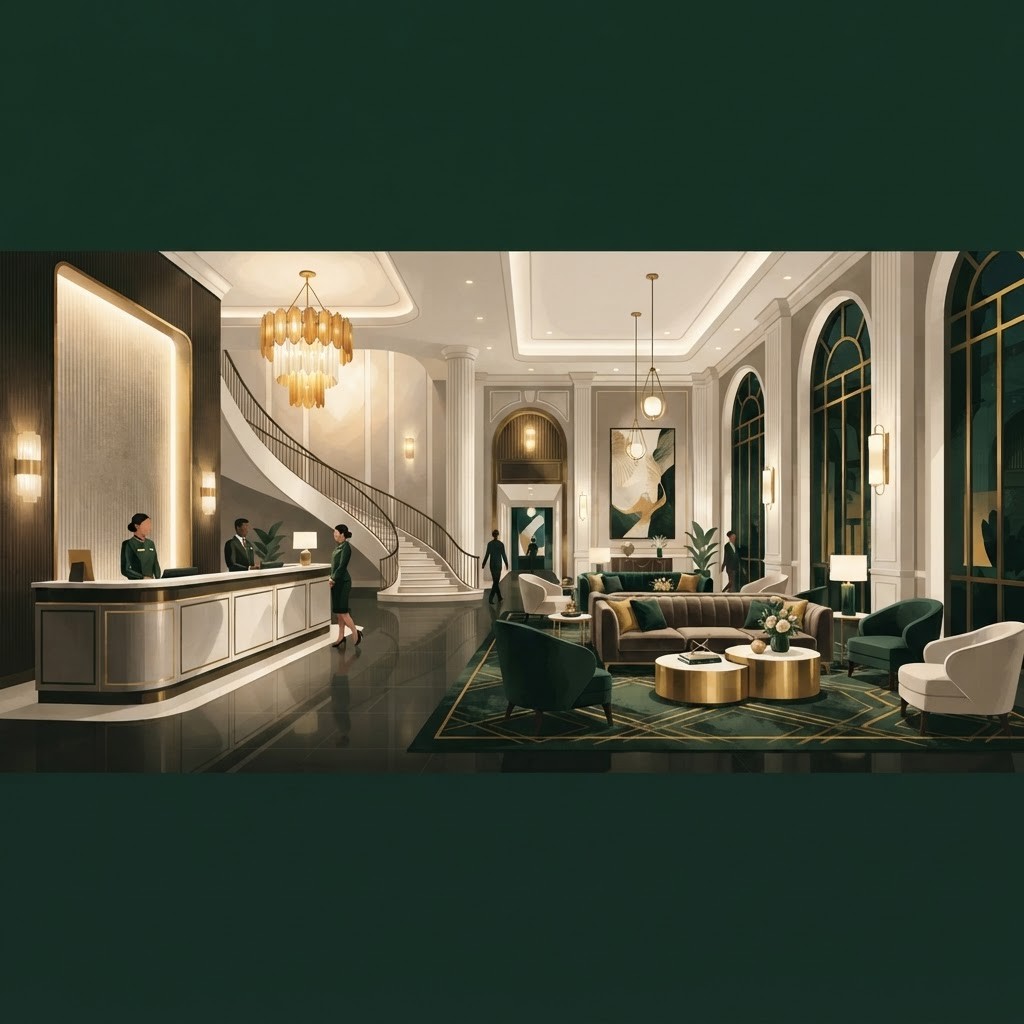
Hotel interiors are among the most demanding projects in the design world. In Islamabad, where hospitality is growing alongside business travel and tourism, a hotel interior must impress guests, survive heavy daily use, and meet strict safety standards. That combination makes these projects rewarding but also genuinely risky if they are not managed with care.
At Living Solutions Global we treat hotel projects as a blend of design, engineering, and operations. Our experience in commercial interior design means we plan for durability, safety, and guest flow from the very first sketch. We also provide steady project management so that budgets and timelines stay under control from demolition to final handover. Discover our full service range at Living Solutions Global.
The most common risk in any hotel interior is cost creep. Hotels involve hundreds of repeated elements, from guest rooms to corridors, and a small pricing mistake multiplies quickly across the whole property. Late design changes, imported materials with shifting prices, and unplanned structural work can all push budgets far beyond the original estimate. The fix is disciplined planning, detailed quantity take offs, and a clear change control process agreed before work begins.
Time is money in hospitality because every delayed opening means lost revenue. Hotel interiors require dozens of trades working in sequence, and poor coordination between electrical, plumbing, joinery, and finishing teams creates costly bottlenecks. In Islamabad, material lead times and seasonal labour availability add further pressure. A realistic programme with built in contingency, plus firm coordination on site, is the only reliable way to protect the opening date.
Guests are hard on interiors. Flooring, upholstery, and surfaces face constant traffic, spills, and cleaning. Choosing finishes that look luxurious but wear poorly is a hidden risk that surfaces months after opening as scuffed floors and tired furniture. Selecting commercial grade materials that balance appearance with resilience protects the investment and reduces long term maintenance costs.
Fire safety, emergency exits, accessibility, and ventilation are not optional in a hotel. Overlooking compliance is one of the most serious risks because it can delay licensing or, worse, endanger guests. A professional interior team designs these systems into the layout from the start rather than forcing them in later, which keeps the property both safe and legally sound.
Beyond the technical risks lies the biggest commercial one: failing to create a memorable guest experience. Lighting that is too harsh, rooms that feel cramped, or a lobby that lacks character can quietly damage reviews and repeat bookings. Successful hotel interiors in Islamabad blend local identity with international comfort, giving guests a sense of place they cannot find elsewhere.
A common tension in hotel interiors is the pull between striking design and everyday practicality. Owners naturally want spaces that photograph well and impress guests, yet those same spaces must survive constant cleaning, heavy footfall, and occasional rough handling. The risk lies in choosing beauty over function, which leads to interiors that look tired within a year. The solution is to select finishes and furniture that achieve both, using commercial grade products that mimic luxury materials while standing up to real world use.
Housekeeping and operations teams should be considered during design, not after. Surfaces that are hard to clean, fabrics that stain easily, or layouts that slow down service create daily friction that quietly erodes guest satisfaction and staff morale. Designing with maintenance and operations in mind reduces long term costs and keeps the property looking its best throughout its life.
Many hotel projects in Islamabad involve renovating while parts of the property remain open. This adds a layer of risk around noise, dust, and guest disruption. Careful phasing, clear signage, and scheduling noisy work during quiet periods all help protect the guest experience during construction. A well managed phased approach lets a hotel keep earning revenue while it upgrades, but it requires tight coordination to avoid negative reviews and lost bookings during the works.
A hotel interior is a long term asset rather than a one off expense, so the smartest way to reduce risk is to plan for the years ahead from the very first sketch. Materials that resist wear, layouts that adapt to changing guest expectations, and finishes that are easy to refresh all protect the original investment. When the design anticipates future maintenance and seasonal demand, owners avoid disruptive closures and costly rework, and the property keeps earning while it stays fresh and inviting for every returning guest.
The truth is that hotel interiors are risky mainly when they are underplanned. With a detailed budget, a realistic schedule, durable material choices, and strict compliance, the major risks become manageable. Experienced teams anticipate problems before they appear on site, which is where most of the real savings are made.
If you are developing or renovating a hotel in the capital, we can guide the project through every stage, protecting your budget and your brand. With the right partner, a hotel interior in Islamabad becomes a controlled, confident investment rather than a gamble.

Written by the Living Solutions team
Strategy, design, and trade expertise, all under one roof.
Let's discuss how we can turn your vision into sustainable growth and measurable success.