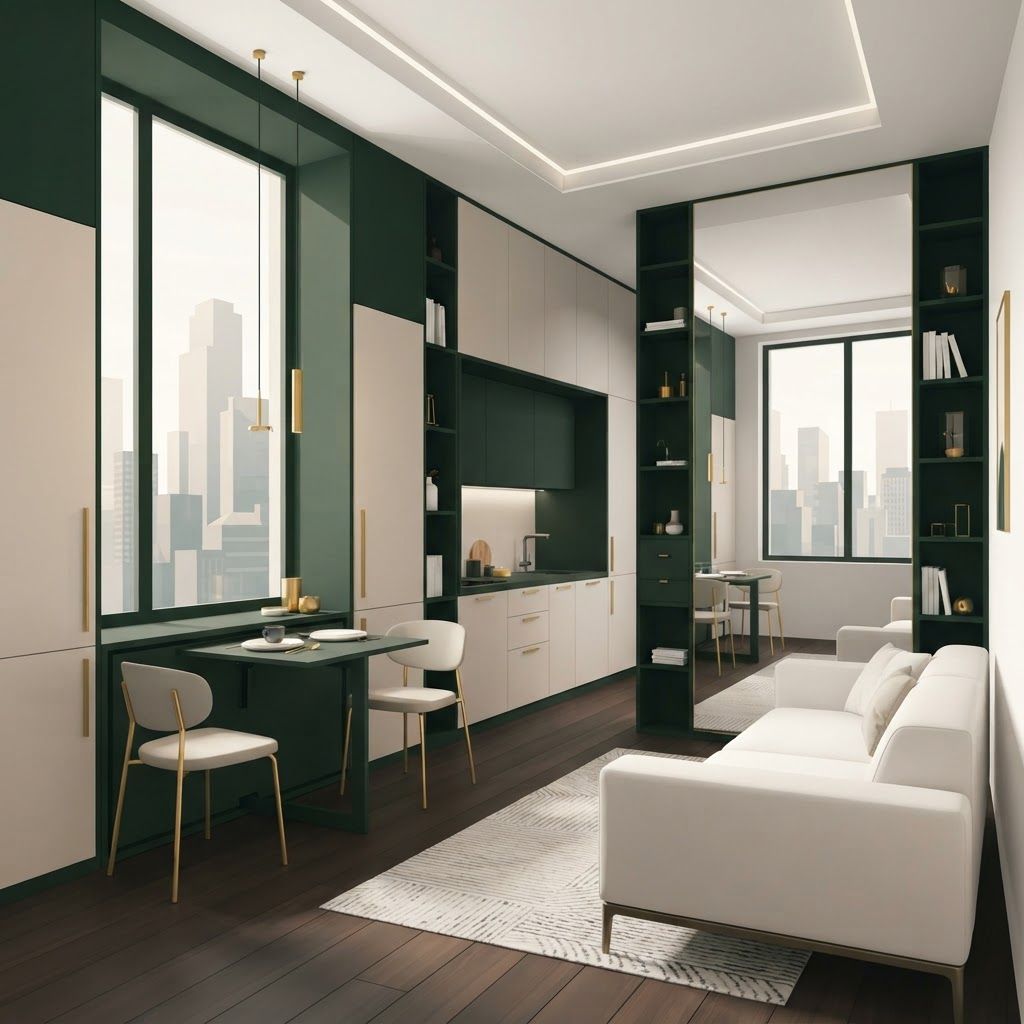
Pakistan's furniture industry has strong export potential. Learn how furniture exports work in Rawalpindi, from finding buyers to shipping, and how to enter international markets.
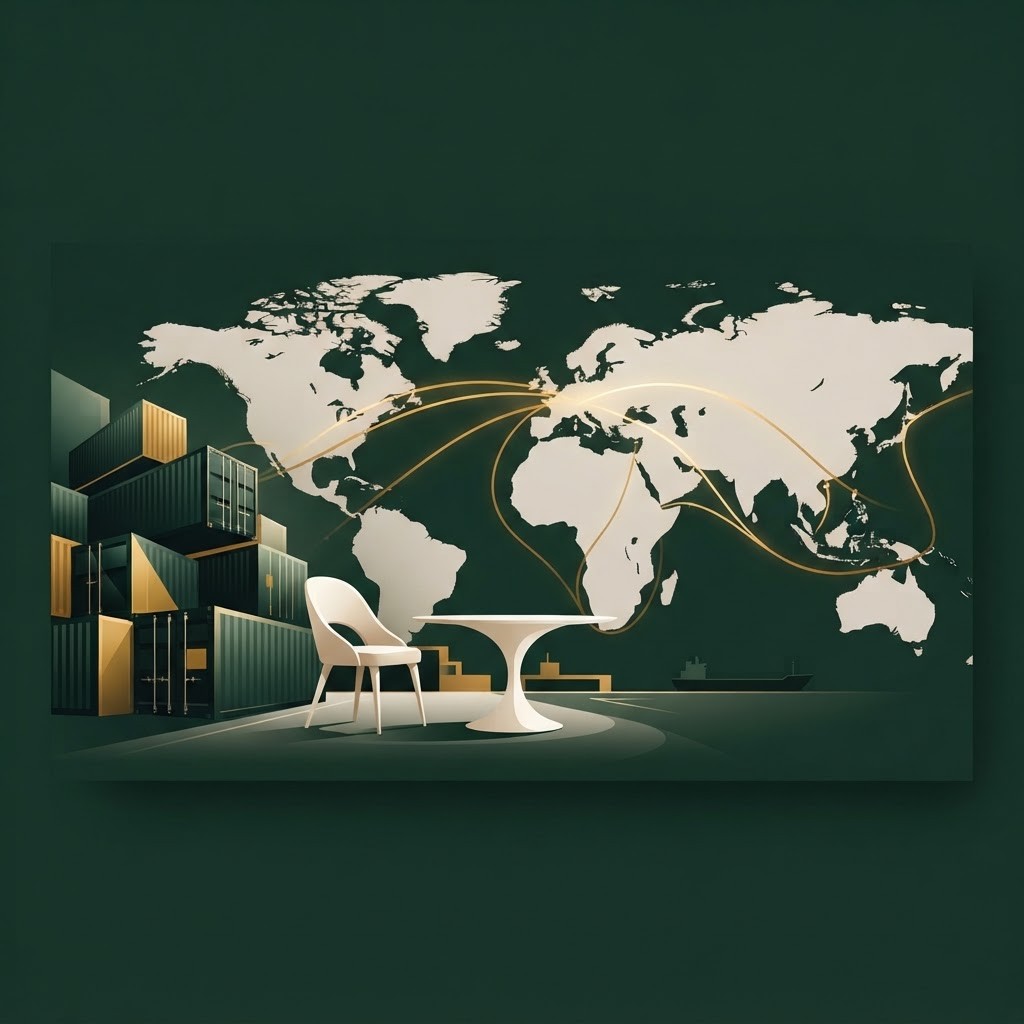
Furniture exports involve selling locally manufactured furniture to buyers in other countries, and Rawalpindi sits within a region known for skilled craftsmanship and quality woodwork. Pakistani furniture, with its distinctive craftsmanship and competitive pricing, has genuine appeal in international markets. Yet exporting furniture is far more involved than selling locally. It requires understanding foreign demand, meeting international standards, handling documentation and managing complex logistics. For Rawalpindi manufacturers, understanding how the export process works is the first step toward tapping into lucrative global opportunities.
At Living Solutions Global we guide Rawalpindi furniture manufacturers through every stage of the export journey. Our export consultancy in Pakistan helps you find buyers, meet standards and manage documentation, while our expertise in international trade in Pakistan ensures your goods move smoothly across borders. We turn the complexity of exporting into a clear, manageable process so you can focus on producing quality furniture.
Successful exporting begins with understanding what foreign buyers want. Different markets have distinct preferences in style, materials, sizing and finish. Furniture that sells well locally may need adaptation to appeal to buyers abroad. Researching target markets reveals which products are in demand, what price points are viable and what quality expectations must be met. Rawalpindi manufacturers who tailor their offerings to specific markets, rather than exporting whatever they already produce, dramatically improve their chances of success.
International buyers demand consistent quality and often require compliance with specific standards covering materials, safety and sustainability. Wood must sometimes be treated and certified, and packaging must protect goods during long journeys. Meeting these standards is essential to winning and keeping international customers. Manufacturers who invest in quality control and understand the certification requirements of their target markets build a reputation for reliability, which is invaluable in securing repeat orders and long term relationships with foreign buyers.
Connecting with international buyers is a central challenge. Buyers can be found through trade exhibitions, online marketplaces, industry contacts and export promotion channels. Building trust with a new buyer takes time and clear communication. Samples, references and reliable responsiveness all help. Once a buyer is interested, terms must be negotiated carefully, covering price, quantity, delivery timelines and payment. Establishing clear agreements protects both parties and lays the foundation for a stable and profitable export relationship.
Exporting furniture requires careful attention to documentation and logistics. Export paperwork, customs declarations and shipping documents must be accurate and complete to avoid delays and penalties. Furniture is bulky and fragile, so packaging and container loading must be handled with expertise to prevent damage. Choosing reliable freight partners and understanding shipping terms ensures goods arrive on time and in good condition. This operational side of exporting is complex, and errors can be costly, which is why experienced guidance matters.
Getting paid securely across borders is vital. Exporters use established payment methods that protect them from the risk of non payment while giving buyers confidence. As export volumes grow, manufacturers may need to expand capacity and refine their operations, drawing on manufacturing consultancy to scale efficiently. Some manufacturers also import specialised materials or components, where import consultancy ensures those inputs arrive smoothly. Managing both sides of trade supports sustainable growth in international markets.
While the mechanics of exporting matter, the greatest long term rewards come from building a recognised brand in international markets. A Rawalpindi manufacturer that consistently delivers quality, meets deadlines and communicates reliably earns a reputation that commands higher prices and repeat orders. Over time this reputation becomes a valuable asset that competitors cannot easily copy. Investing in professional presentation, from product photography to clear catalogues and a strong online presence, helps foreign buyers take a manufacturer seriously. Buyers are more comfortable placing large orders with a business that appears established and trustworthy. Attending trade fairs and maintaining relationships with existing customers further strengthens this standing. Building an export brand also opens doors to premium markets where buyers value craftsmanship over the lowest price. For skilled Rawalpindi furniture makers, this is a natural advantage, as their workmanship can differentiate them from mass produced alternatives. By focusing not only on individual shipments but on building a lasting reputation abroad, manufacturers transform occasional export sales into a stable, profitable and growing international business.
Furniture exports from Rawalpindi work through a clear sequence of understanding international demand, meeting quality standards, finding buyers, handling documentation and logistics, and managing secure payments. Each stage carries its own challenges, but the rewards of accessing global markets are substantial for manufacturers producing quality work. With careful preparation, attention to compliance and expert guidance through the complexities of trade, Rawalpindi furniture makers can transform their craftsmanship into a thriving export business that reaches customers around the world and drives lasting growth.

Written by the Living Solutions team
Strategy, design, and trade expertise, all under one roof.
Let's discuss how we can turn your vision into sustainable growth and measurable success.