
Halal food exports from Lahore must meet both religious certification standards and international food safety rules. This guide explains how the regulatory system works and how exporters can access lucrative global halal markets.
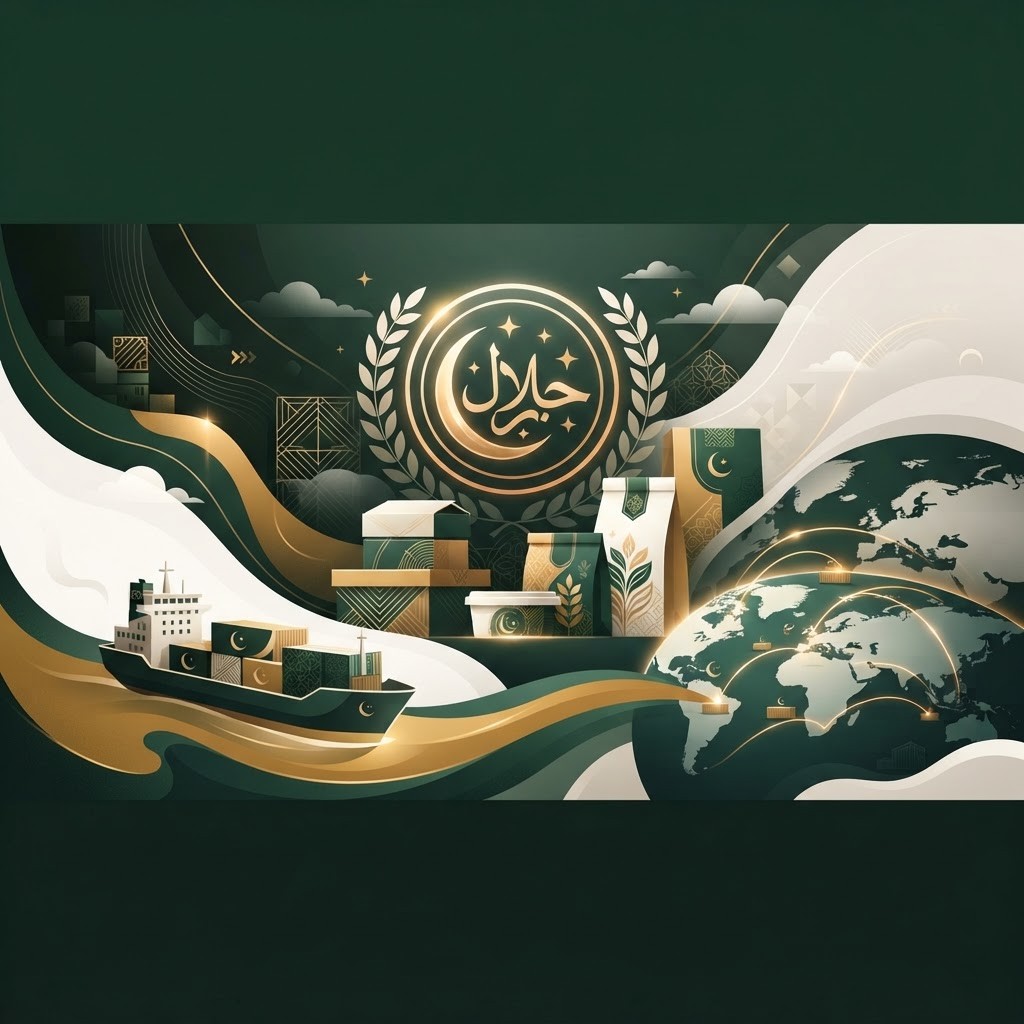
The global halal food market is vast and growing, spanning the Middle East, Southeast Asia, Europe, and beyond. Lahore, with its strong food processing base and agricultural surroundings, is well positioned to serve this demand. Yet halal food exports sit at the intersection of two demanding regulatory worlds: religious certification and international food safety. Exporters who understand and respect both can access premium markets, while those who cut corners face rejection and lasting reputational harm.
At the heart of halal food exports is certification confirming that products comply with Islamic dietary law. This covers not only ingredients but also slaughter methods, processing, storage, and the avoidance of cross contamination with non halal substances. Recognised certification bodies audit facilities and issue the certificates that importing countries and buyers require. Because different markets recognise different certifiers, exporters must ensure their certification is accepted in their target destination, which requires careful planning from the outset.
Halal certification alone is not enough. Importing countries also demand compliance with food safety standards covering hygiene, traceability, packaging, and labelling. Exporters must meet these requirements in parallel with halal rules, which means investing in quality systems, testing, and proper documentation. A product can be perfectly halal yet still be rejected for a food safety lapse, so both dimensions must be managed together.
At Living Solutions Global (livingsolutionsglobal.com), we guide food businesses in Lahore through the combined demands of halal certification and international compliance. As an Islamabad based, Pakistan focused consultancy, we help exporters identify the right certifications for their target markets and build the systems needed to satisfy foreign regulators. Our export consultancy in Pakistan ensures that shipments meet every requirement so they clear customs smoothly and reach buyers ready to pay a premium for trusted halal products.
Modern halal buyers expect full traceability, the ability to track a product from farm and slaughterhouse through processing to the shelf. This requires meticulous record keeping and documentation that proves compliance at every stage. Weak traceability is a common reason shipments are held or rejected, and it undermines buyer confidence. Exporters who build robust documentation systems not only satisfy regulators but also strengthen their marketing, because traceability itself is a selling point in the halal sector. Our expertise in international trade in Pakistan helps exporters put these systems in place efficiently.
Access to halal markets is shaped by trade policy, bilateral agreements, and the recognition of certification bodies between countries. These arrangements can change, and exporters sometimes need to engage with authorities to secure or maintain access for their products. Understanding this landscape and knowing how to work within it is essential for consistent market entry. Our government advisory support helps exporters engage effectively with relevant bodies and stay ahead of policy developments that affect their trade.
The most damaging mistakes in halal food exports include using certification that the destination market does not recognise, neglecting food safety alongside halal compliance, and failing to maintain the traceability that buyers demand. Cross contamination during storage or transport is another frequent problem that can invalidate halal status entirely. Avoiding these pitfalls requires discipline throughout the supply chain, not just at the point of certification.
Despite the complexity, halal food exports offer enormous opportunity for Lahore businesses. Global demand continues to rise, and buyers reward reliable, well certified suppliers with loyalty and premium prices. Exporters who master the regulatory requirements gain access to markets that many competitors cannot reach, giving them a durable advantage.
In the halal food sector, trust is the ultimate currency. Buyers are not simply purchasing a product; they are relying on the exporter's assurance that every requirement of halal integrity and food safety has been honoured. A single lapse can shatter that trust permanently, while consistent reliability builds relationships that last for years. Exporters in Lahore who invest in transparency, sharing certification details, audit results, and traceability records openly, position themselves as partners buyers can depend on. This trust translates directly into commercial advantage, as reliable suppliers win repeat orders, secure better prices, and gain referrals to new buyers. Reputation in the halal market travels quickly across borders, so the effort put into maintaining integrity pays dividends far beyond a single shipment. Exporters who understand that they are selling assurance as much as food are the ones who build durable, profitable positions in this demanding and rapidly growing global sector.
Lahore regulates halal food exports through a combination of religious certification and international food safety standards, both of which must be satisfied for products to reach global markets. Success depends on choosing recognised certification, maintaining rigorous traceability, and staying current with trade policy. With expert guidance, Lahore exporters can meet these demands confidently and claim a growing share of the lucrative worldwide halal market.

Written by the Living Solutions team
Strategy, design, and trade expertise, all under one roof.
Let's discuss how we can turn your vision into sustainable growth and measurable success.