
Agricultural exports are vital to Pakistan's economy and governed by quality, safety, and certification rules. Learn how the sector is regulated.
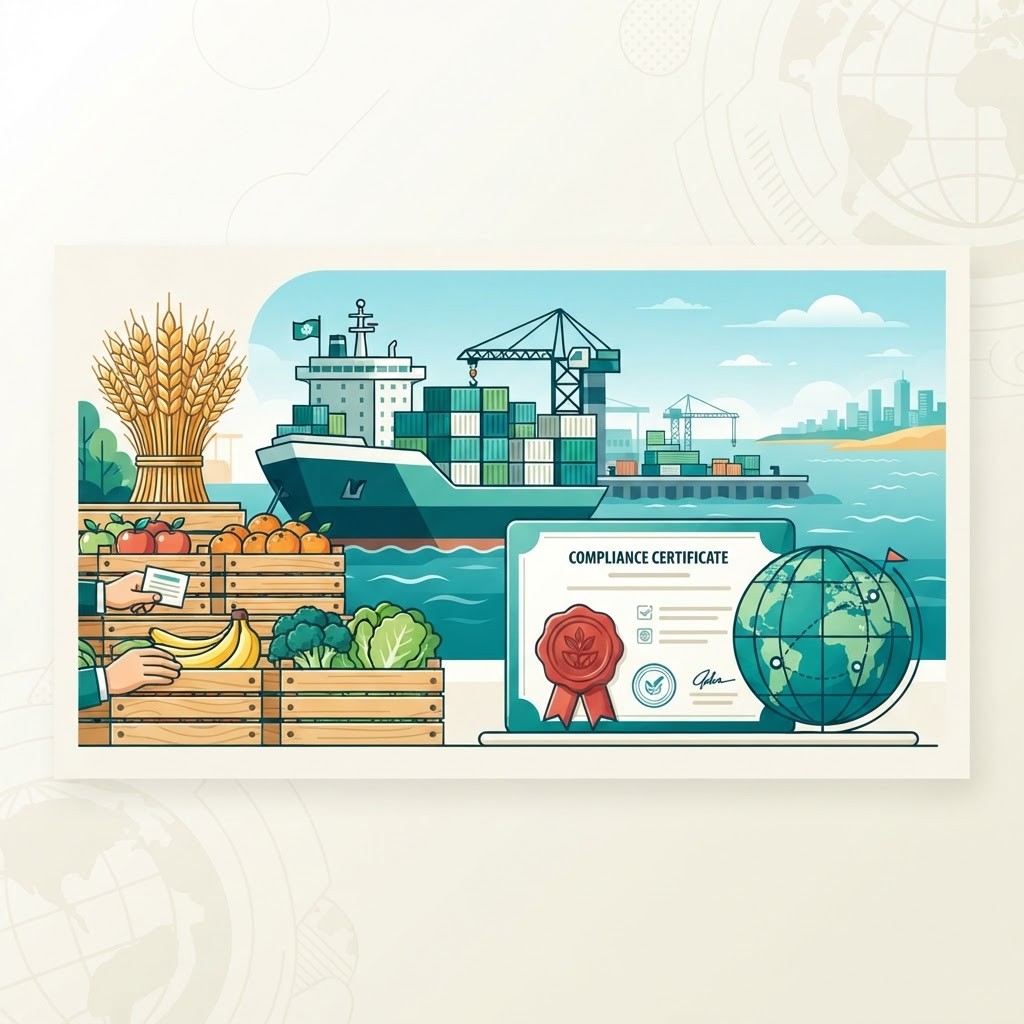
Agriculture is a cornerstone of Pakistan's economy, and agricultural exports bring vital foreign exchange while connecting the country's farmers to global markets. Because food and plant products cross borders and enter foreign supply chains, these exports are carefully regulated to ensure safety, quality, and compliance with international standards. From cereals and fruits to vegetables and processed foods, every category faces rules designed to protect consumers abroad and to uphold the reputation of Pakistani produce.
Regulation in agricultural exports covers quality grading, plant health, food safety, documentation, and the specific import requirements of destination countries. For exporters, understanding this framework is the key to accessing premium markets and avoiding costly rejections. Compliance is not merely a legal necessity but a passport to higher value and more reliable trade relationships.
At Living Solutions Global, we support farmers, processors, and traders through our export consultancy in Pakistan. As an Islamabad based consultancy, we help businesses meet certification requirements, prepare documentation, and reach international buyers with confidence. You can explore our full range of trade services at Living Solutions Global, where we help agricultural exporters unlock their global potential.
Agricultural exports must meet defined standards of quality and grading. Buyers abroad expect consistent size, appearance, ripeness, and purity, and many markets set formal specifications that produce must satisfy. Grading systems help ensure that exported goods match these expectations, protecting both the buyer and the reputation of the exporter. Produce that meets high standards commands better prices and stronger demand.
Achieving consistent quality requires attention throughout the supply chain, from farming practices to harvesting, sorting, and packing. Exporters who invest in these stages find it easier to satisfy international standards and to build lasting relationships with discerning buyers.
One of the most important areas of regulation concerns plant health and food safety. To prevent the spread of pests and diseases, agricultural exports usually require phytosanitary certification confirming that produce is healthy and free from harmful organisms. Destination countries maintain strict rules in this area, and consignments that fail inspection can be rejected or destroyed.
Food safety standards add a further layer. Limits on residues, contamination, and additives must be respected, and many markets demand evidence of safe handling and processing. Meeting these requirements protects consumers and ensures that Pakistani produce remains welcome in valuable markets.
Successful agricultural exports depend on accurate and complete documentation. Certificates of origin, phytosanitary certificates, quality certificates, and correct customs declarations all play a role in moving goods across borders smoothly. Errors or omissions can cause delays, extra costs, and even the loss of perishable shipments, so precision is essential.
Because perishable goods are time sensitive, efficient handling of paperwork is especially important. Exporters who master documentation, often with expert support, avoid the delays that can turn fresh produce into spoiled cargo. This is where broader trade knowledge proves invaluable, and our international trade in Pakistan services help exporters keep their shipments moving.
Every destination country has its own import requirements, and these can vary widely. Some markets focus on residue limits, others on packaging and labelling, and others on traceability and certification schemes. Exporters must research their target markets carefully and prepare their produce and paperwork accordingly. Understanding these rules in advance prevents surprises and builds trust with buyers.
Aligning with destination rules also opens the door to premium segments. Markets with the strictest standards often pay the highest prices, so exporters who meet these requirements can significantly increase their returns.
Beyond compliance, the future of agricultural exports lies in sustainability and value addition. Processing, branding, and improved logistics can raise the value of Pakistani produce and reduce waste. Exporters who combine regulatory excellence with a focus on quality and innovation position themselves for lasting success in competitive global markets.
For many agricultural exports, especially fresh fruits and vegetables, logistics can make or break a shipment. Produce is perishable and sensitive to temperature, so maintaining an unbroken cold chain from farm to destination is essential. Delays at any stage can reduce quality, cause spoilage, and lead to rejected consignments. Exporters who invest in proper cooling, careful packing, and efficient transport protect both their produce and their profits.
Reliable logistics also build buyer confidence. International customers value suppliers who deliver on time and in excellent condition, and they reward that reliability with repeat orders. By treating logistics as a core part of their export strategy rather than an afterthought, Pakistani agricultural businesses can strengthen their reputation and command better prices in demanding markets.
Pakistan regulates agricultural exports through quality grading, plant health and food safety requirements, careful documentation, and the specific rules of destination markets. Exporters who meet these standards gain access to premium buyers and build durable trade relationships. If you want to grow your agricultural exports and reach the world's best markets, our team is ready to guide you every step of the way.

Written by the Living Solutions team
Strategy, design, and trade expertise, all under one roof.
Let's discuss how we can turn your vision into sustainable growth and measurable success.