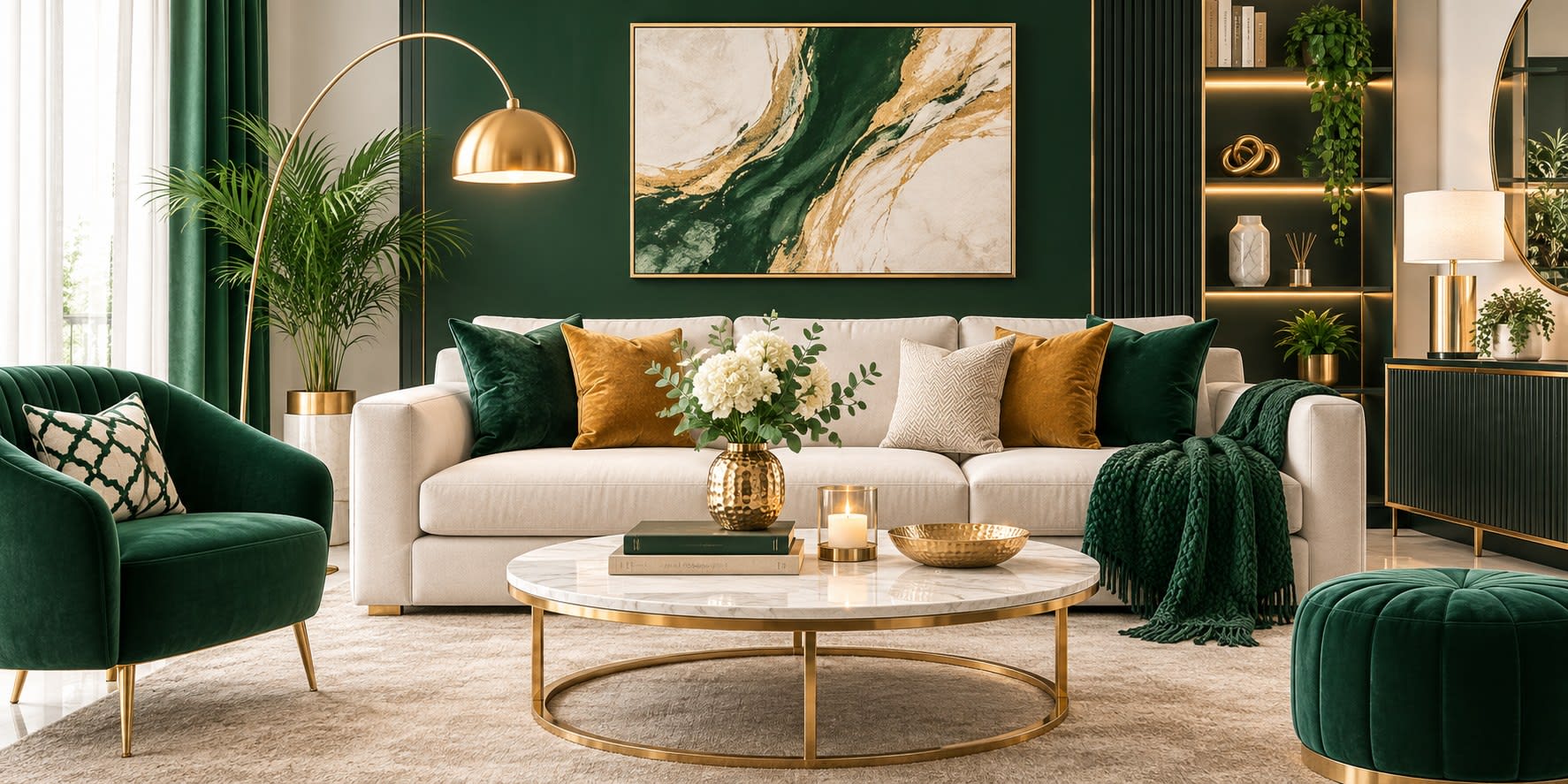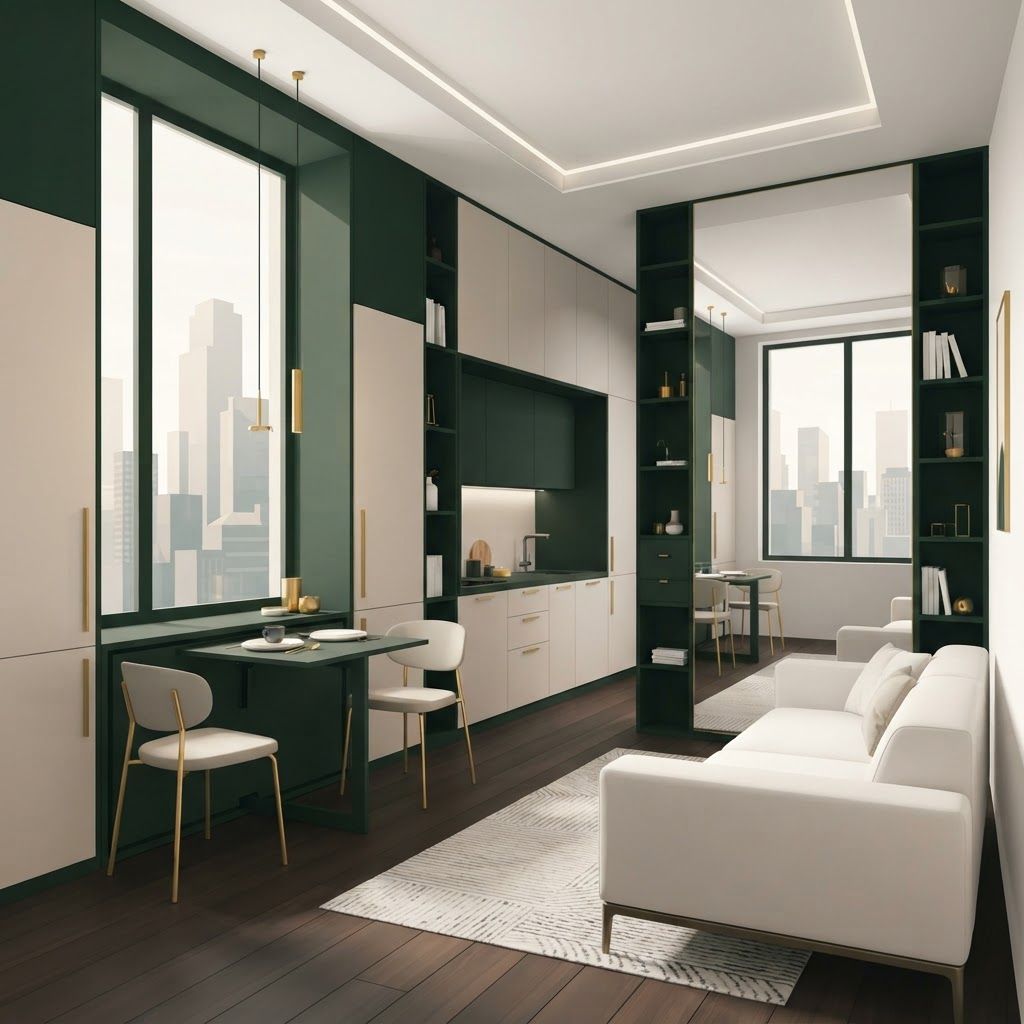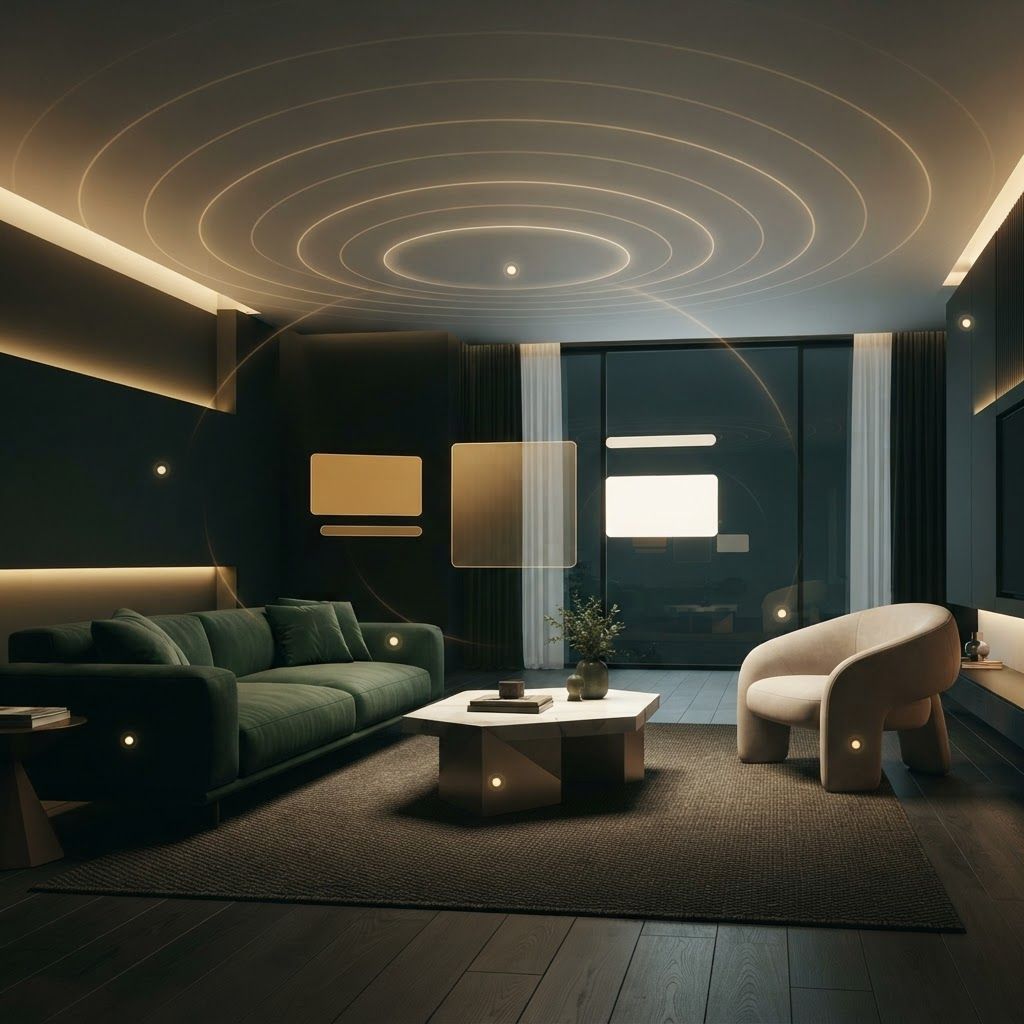
Good interior design is an investment rather than an expense. Learn which improvements genuinely raise property value in Islamabad, which ones do not, and how professional design protects your return on capital.

Property owners in Islamabad often separate two ideas that belong together: the money spent on a house and the value the house holds. Interior design is usually filed under lifestyle spending, yet in a market where buyers and tenants compare dozens of similar units, the condition and intelligence of the interior is frequently the deciding factor between a quick transaction at a strong price and a listing that sits unsold for months. Professional design influences value through three mechanisms: it improves the perceived quality of the property, it improves how efficiently the space functions, and it reduces the future repair liability a buyer expects to inherit. Understanding those mechanisms allows you to spend where returns are highest instead of spreading money thinly across cosmetic changes.
At Living Solutions Global we look at interiors through both a design lens and an investment lens, because our consultancy advises clients on property and capital decisions as well as on space. When a client tells us the objective is resale within two years, or rental to corporate tenants, or long term family occupation, the specification changes accordingly. We identify the improvements that buyers in your sector actually pay for, avoid the ones that add cost without adding value, and document everything so a future purchaser can see the quality of what is beneath the surface. Owners who treat property as a financial asset can combine our interior design in Pakistan service with our advisory perspective on real estate investment so that design decisions and return expectations are aligned from the outset.
Valuation is partly technical and partly psychological. Within the first minute of entering a property, a visitor forms a judgement that colours everything they see afterwards. Entrances, natural light, ceiling condition, floor quality and the absence of visible defects carry disproportionate weight. A property with a well proportioned entrance, clean sightlines and consistent flooring reads as maintained, and maintained properties attract higher offers with less negotiation. This is why professional designers spend so much attention on circulation and thresholds, areas homeowners often ignore because they are not rooms. Improving the first ten seconds of a viewing is one of the cheapest value interventions available.
Buyers pay for usable space, not merely for square footage. Many Islamabad homes lose significant area to awkward corridors, oversized formal rooms that sit empty, poorly placed doors and unusable corners. A designer can often recover the equivalent of an extra room without adding a single square foot, by relocating a door, converting dead circulation into storage, opening a partition between kitchen and dining, or reconfiguring a bathroom to create a functional dressing area. When a property presents four genuinely usable bedrooms instead of three plus a room nobody can furnish, its market position changes categorically.
Across almost every market, kitchens and bathrooms influence value more than any other rooms, and Islamabad is no exception. These are the spaces buyers inspect most sceptically because they are expensive to replace. Upgrading worktops, ensuring adequate storage, improving lighting, replacing dated fittings and above all guaranteeing sound waterproofing and plumbing produces measurable gains. The important distinction is between visible luxury and functional excellence. A modest kitchen with excellent hardware, good ventilation and sensible ergonomics outperforms a showy kitchen with poor storage and failing hinges.
Lighting is the least expensive way to transform how a property feels and one of the most neglected. Replacing a single central fixture with layered lighting, using warm colour temperatures consistently, adding task lighting in kitchens and mirrors, and concealing sources so surfaces glow rather than glare makes rooms appear larger and finishes appear richer. Behind the lighting sits electrical capacity, and here the value is defensive: modern wiring, adequate circuits for air conditioning, properly earthed points and sufficient sockets remove a common objection during due diligence. Buyers discount heavily for anything they suspect will require rewiring.
Every prospective buyer mentally deducts the cost of work they expect to do after purchase. Cracked tiles, damp patches, warped doors, peeling laminates and unstable joinery all increase that deduction, often by more than the actual repair cost. Choosing durable materials suited to Islamabad conditions therefore protects value twice: once by lasting longer and once by signalling quality. This means selecting finishes that tolerate temperature swings, monsoon humidity and dust, specifying quality hardware for daily use items, and ensuring waterproofing in wet areas is done properly rather than quickly.
Highly personalised interiors narrow your buyer pool. Bold feature walls, unusual colour combinations, heavily themed rooms and fixed decorative elements may delight you but create work in the mind of a purchaser. The professional solution is not blandness; it is a neutral architectural base with personality delivered through replaceable elements such as art, textiles, rugs and accessories. The property then photographs beautifully, appeals broadly and allows the next owner to imagine their own life in it without imagining a renovation first.
If your objective is rental yield rather than resale, optimise for durability, ease of cleaning, low maintenance and features tenants pay premiums for: adequate storage, working air conditioning, good bathrooms, reliable internet provision and secure entry. Avoid delicate finishes that will not survive turnover. Well designed furnished units in desirable Islamabad sectors command higher monthly rents and shorter vacancy periods, and the arithmetic of reduced vacancy alone often justifies the improvement cost within two or three years.
For commercial assets the value logic is even more direct, because the interior affects the income the space can generate. A well planned workplace supports more staff comfortably, presents better to clients and reduces churn, while a poorly planned one wastes rent on unusable area. Landlords letting offices and retail units find that professionally delivered commercial interior design shortens letting periods and supports stronger lease terms, since tenants can occupy immediately without incurring their own fit out cost.
Honesty matters here. Some expenditures seldom return their cost: elaborate false ceilings throughout the house, extremely high specification finishes in a modest neighbourhood, converting a bedroom into a specialised room such as a gym or theatre, and highly bespoke built in furniture sized to unusual items. Over improving relative to the local market is a genuine risk in Islamabad, where value ceilings vary noticeably between sectors. A designer who knows the local market will tell you where that ceiling sits before you exceed it.
The most valuable habit an owner can adopt is to state the financial objective at the start of the design process. Long term family occupation, resale in three years and corporate rental all justify different specifications, and a designer briefed correctly will allocate your budget accordingly. If you would like an assessment of which interior improvements will genuinely strengthen the position of your Islamabad property, our team can review the asset, compare it with market expectations in your sector and recommend a targeted plan that improves both how the property lives and what it is worth.

Written by the Living Solutions team
Strategy, design, and trade expertise, all under one roof.
Let's discuss how we can turn your vision into sustainable growth and measurable success.