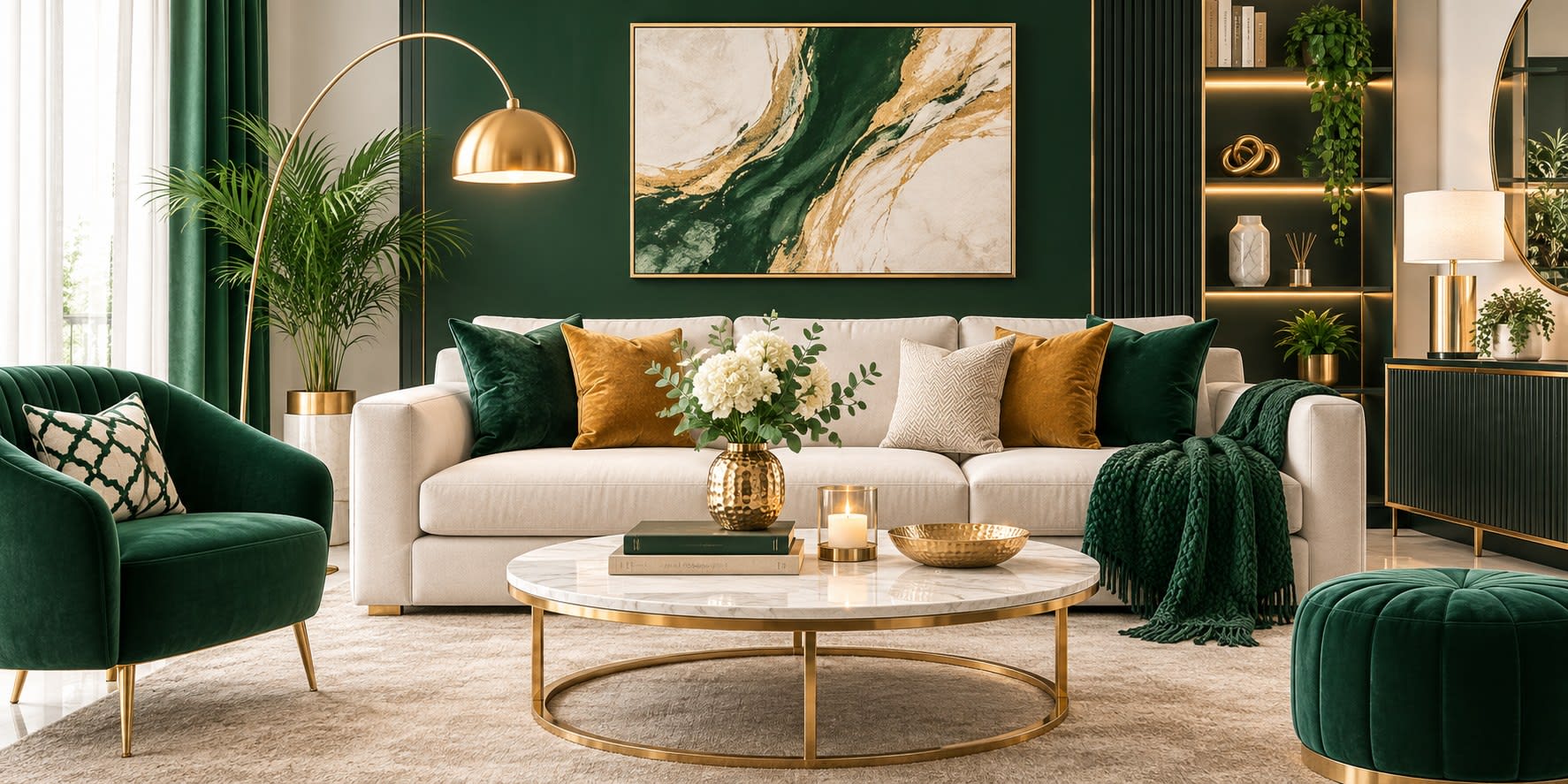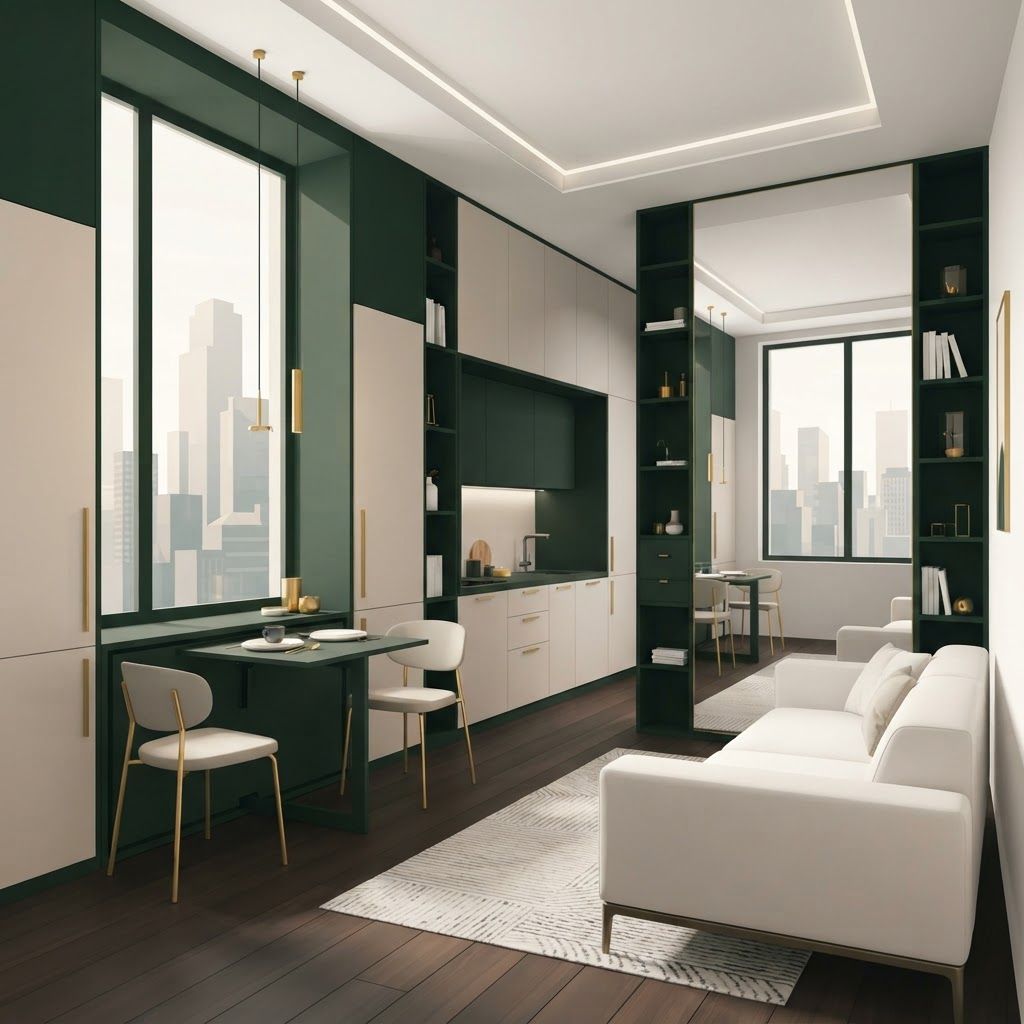
Interior design timelines depend on scope, approvals, procurement and site conditions rather than on square footage alone. This guide sets out realistic durations for consultations, drawings and full fit outs in Pakistan. It also explains the most common causes of delay and how to avoid them.
Every client asks how long the work will take, usually because a wedding, a relocation, a tenancy start or a business opening is already fixed in the calendar. It is a fair question and it deserves a considered answer rather than an optimistic one. Interior design timelines are shaped less by the size of the space than by the depth of the work, the number of decisions required and the reliability of the supply chain. A large apartment refresh can finish faster than a small kitchen that needs plumbing relocation and imported cabinetry.
At Living Solutions Global we treat the programme as a deliverable in its own right. Before work begins we issue a stage by stage schedule that names each activity, its duration, its dependencies and the decisions we need from you to keep it moving. Our Interior Design and Fit Out team sequences trades so that painters are not waiting on electricians and joinery arrives when the site is ready to receive it. Clients in Islamabad choose our fit out services because we commit to dates in writing and report progress against them honestly, including when something slips.
The opening stage usually takes one to two weeks. It covers the initial consultation, a detailed site measurement, photography, service checks and a written brief that captures your requirements and priorities. On older properties in settled sectors this stage may extend slightly because we investigate wiring condition, damp, drainage and roof integrity before promising anything.
Clients can shorten this stage significantly by preparing in advance. Bring existing plans if you have them, list who uses each space and how, note what frustrates you about the current layout and set a budget range you are comfortable discussing.
Concept development typically runs two to four weeks. It includes layout options, mood direction, material palettes, indicative furniture selection and preliminary costing. This is the stage where the largest decisions are made and where client responsiveness has the biggest effect on the calendar.
Expect one or two rounds of revision as a normal part of the process. Endless rounds are not. If a project is still debating a layout after six weeks, something in the brief was never resolved and the schedule will not recover on its own.
Technical documentation takes two to five weeks depending on complexity. This produces the drawings that make execution possible: floor and ceiling plans, electrical and lighting layouts, plumbing points, elevations, joinery details, tile setting drawings and finish schedules.
It is tempting to compress this stage to start work sooner. Resist that temptation. Every week saved here tends to cost two on site through rework, wrong quantities and improvised decisions made by tradesmen who had no drawing to follow.
Procurement is where timelines are won or lost, and much of it runs in parallel with site work. Locally available paint, standard tile, sanitary ware and basic hardware can arrive within days. Custom joinery generally requires three to six weeks from approved drawings to installation. Upholstered furniture made to order often takes four to eight weeks. Engineered stone, specialist lighting and imported fittings can take considerably longer once shipping and clearance are included.
A realistic programme places orders early against confirmed selections. The most common self inflicted delay we see is a client who approves a design promptly then postpones the final material choice for a month, leaving the site idle while the calendar runs.
Site duration varies with scope. A cosmetic refresh involving paint, lighting replacement, curtains and loose furniture can complete in two to four weeks. A single room renovation with joinery and new electrical points usually takes four to six weeks. A full apartment fit out with kitchen, wardrobes, false ceilings and flooring commonly runs eight to sixteen weeks. A large villa with structural alterations and premium finishes should be planned across six to twelve months.
Commercial projects follow their own logic. A compact office suite can be delivered in six to ten weeks if the building permits work outside business hours. Larger commercial spaces with fire compliance, structured cabling and landlord approvals need longer, and the approval process itself frequently dictates the start date.
The final stage deserves its own allowance of one to two weeks. Snagging means walking the space methodically, recording every imperfection from a misaligned drawer to a paint blemish, then closing each item before final payment. Clients who skip this stage in their rush to move in almost always regret it, because attention disappears once the site team demobilises.
In our experience delays cluster around a handful of predictable causes.
Late decisions are the leading cause. A design cannot be built while a finish is undecided, and one pending selection often blocks several trades at once.
Scope changes during execution are the second cause. Adding a wardrobe or moving a light after work has begun sounds minor and rarely is, because it disturbs sequencing.
Approvals in apartment buildings and gated societies routinely add time. Many buildings restrict working hours, material movement and noisy activities, which stretches the same volume of work over more days.
Supply chain interruption affects imported goods most, but even local supply can be disrupted by seasonal demand, currency movement or a discontinued batch.
Weather and season play a genuine role. Monsoon humidity slows paint and polish curing. Peak wedding season absorbs skilled labour. Ramadan and Eid periods shift working patterns and should be planned for rather than discovered.
Start earlier than you think you need to. If you have a fixed date, work backwards from it and add a buffer of at least twenty percent.
Make decisions in batches and stick to them. Approve the full material palette in one sitting rather than one item per week.
Release funds on schedule. Procurement stops when payment milestones slip, and suppliers reallocate production slots quickly.
Appoint one accountable party for the whole scope. Split responsibility across several independent contractors and nobody owns the critical path. Coordinated delivery is exactly why our clients rely on our project management discipline.
Finally, insist on a written programme with milestones at the outset. A team unwilling to commit to dates is telling you something important.
The honest summary is that a well run residential fit out in Pakistan usually spans three to six months from first meeting to handover, with design and procurement consuming as much of that as construction. Knowing this early lets you plan around it instead of fighting it. Speak to our team with your target date and we will tell you whether it is achievable and what the schedule needs to look like to get there. Our full interior design in Pakistan offering is built around delivering on the dates we promise.

Written by the Living Solutions team
Strategy, design, and trade expertise, all under one roof.
Let's discuss how we can turn your vision into sustainable growth and measurable success.