
Exporting from Pakistan can open lucrative global markets when done correctly. This step by step guide walks you through registration, documentation, logistics, and payment for a smooth export process.
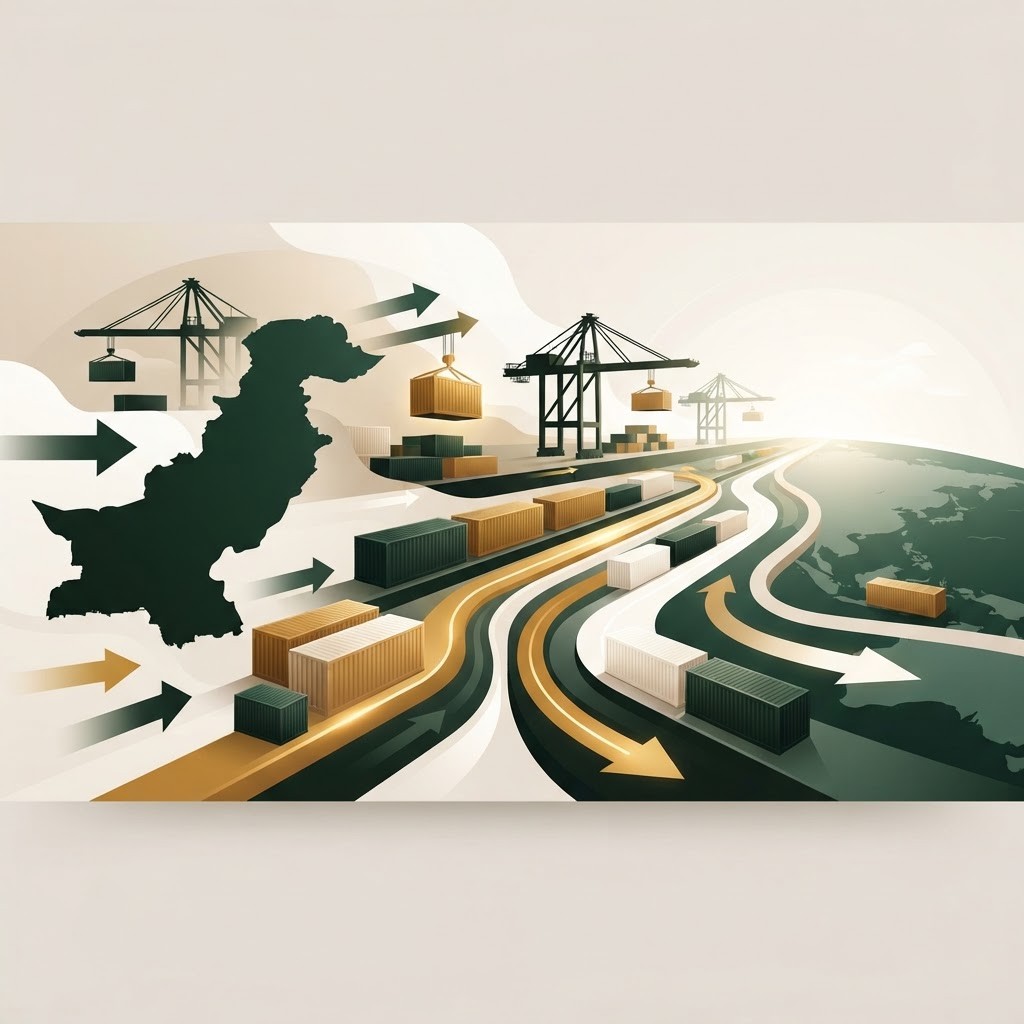
Exporting products from Pakistan can transform a local business into an international player. With strong sectors in textiles, agriculture, leather, surgical instruments, and sports goods, the country has plenty to offer global buyers. Yet many capable businesses hesitate to export because the process seems complicated. In reality, exporting follows a clear sequence of steps that any organized company can master. This guide walks you through the export journey from start to finish so you can reach overseas customers with confidence.
At Living Solutions Global, an Islamabad based consultancy, we guide businesses through every stage of the export process. From registration and documentation to finding buyers and arranging shipment, we handle the details that trip up first time exporters. Our dedicated export consultancy in Pakistan turns a complex process into a smooth and profitable one. Learn more about how we can help at Living Solutions Global.
Before you can export, your business must be properly registered and hold the necessary credentials. This includes registering with the tax authorities, obtaining a national tax number, and enrolling with the relevant trade and export bodies. Membership in a chamber of commerce or trade association is often required as well. Getting these foundations right ensures that your shipments can move without administrative obstacles.
Successful exporting starts with knowing where demand exists. Research which countries buy the products you offer, what standards they require, and how much competition you will face. Understanding pricing, packaging preferences, and cultural expectations helps you tailor your offering. Thorough market research reduces risk and increases the chance that your first export venture succeeds.
International buyers expect consistent quality and compliance with their standards. Ensure your products meet the technical, safety, and labeling requirements of the destination market. Proper packaging protects goods during long journeys and reflects the professionalism of your business. Investing in quality and presentation pays off in repeat orders and strong buyer relationships.
Every export shipment requires a set of documents, including a commercial invoice, packing list, certificate of origin, and any product specific certificates. These documents allow customs authorities to process your goods and enable your buyer to receive them. Accuracy is essential, because errors can cause delays and extra costs. Careful preparation of paperwork keeps your shipments moving smoothly.
Choosing how to ship your goods is a key decision. Sea freight is economical for large volumes, while air freight suits urgent or high value shipments. You will need to coordinate with freight forwarders, arrange insurance, and plan delivery timelines. Reliable logistics ensure your products arrive on time and in good condition, protecting both your reputation and your revenue.
Getting paid safely is central to profitable exporting. Instruments such as letters of credit and bank guarantees protect you against non payment while reassuring your buyer that goods will be delivered as agreed. Working through approved banking channels also keeps you compliant with regulations. Understanding trade finance helps you manage cash flow and reduce risk on every transaction.
Finding a buyer is only the beginning. Turning a first order into a lasting relationship is what makes an export business sustainable. Buyers value suppliers who communicate clearly, deliver consistent quality, and honor their commitments. Responding promptly to inquiries, keeping customers informed about production and shipping, and resolving issues quickly all build trust. Offering flexible terms where possible and demonstrating reliability over several transactions encourages buyers to place larger and more frequent orders. Many exporters find that a handful of loyal customers can provide the bulk of their revenue, so nurturing these relationships is time well spent. Attending trade fairs, following up after shipments, and occasionally visiting key markets strengthen the personal connection that underpins international business. Cultural awareness also matters, as understanding a buyer's expectations and customs shows respect and professionalism. By treating buyers as long term partners rather than one time transactions, exporters create a stable foundation for growth and earn the reputation that attracts even more business over time.
Once your first shipments succeed, the focus shifts to growth. Building relationships with reliable buyers, expanding into new markets, and improving efficiency all contribute to lasting success. Many exporters combine their trade activities with broader market entry services to establish a stronger presence abroad. With each shipment, your experience and confidence grow.
Exporting from Pakistan is well within reach for any prepared and organized business. By following the steps in this guide and seeking expert support where needed, you can open the door to global markets and new revenue. We are ready to guide you through the entire process. Contact us today and take your products to the world.

Written by the Living Solutions team
Strategy, design, and trade expertise, all under one roof.
Let's discuss how we can turn your vision into sustainable growth and measurable success.