
Importing goods into Pakistan offers strong profit potential across many sectors. This guide explores the best opportunities, the regulations to know, and how to build a successful import business.
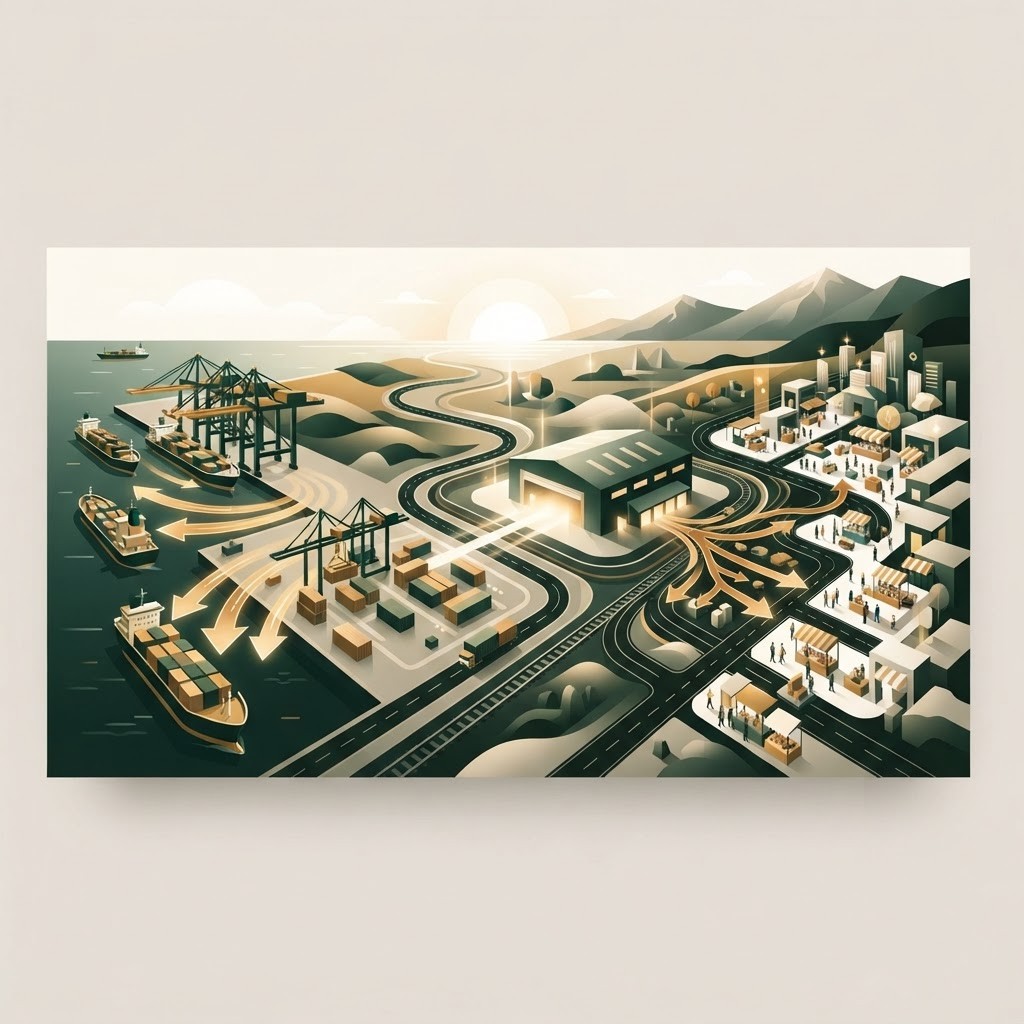
Pakistan's growing population and expanding middle class create constant demand for products that are not produced in sufficient quantity at home. This demand makes importing one of the most promising business avenues in the country. From machinery and electronics to chemicals and consumer goods, importers connect global suppliers with local buyers and earn healthy margins in the process. This guide explores the opportunities available to importers in Pakistan, the rules that govern the trade, and how to build a business that lasts.
At Living Solutions Global, based in Islamabad, we help entrepreneurs and companies establish and grow import businesses. We identify profitable products, connect clients with reliable suppliers, and manage the regulatory and logistical details. Our experienced import consultancy ensures your venture starts on solid ground and scales smoothly. Explore our complete services at Living Solutions Global.
Importing allows businesses to meet demand that local production cannot satisfy. Many products, from advanced machinery to specialized consumer goods, are simply not made in Pakistan or are not available in the quantity or quality that buyers want. Importers fill this gap and profit from the difference between global supply prices and local market prices. With the right products and efficient operations, importing can generate strong and steady returns.
Several sectors stand out for import potential. Industrial machinery and equipment are in constant demand as manufacturing expands. Electronics and technology products appeal to a young and connected population. Chemicals and raw materials feed local industries, while specialized consumer goods serve a growing appetite for variety and quality. Identifying a sector with reliable demand and manageable competition is the first step toward a profitable import business.
Importing into Pakistan requires compliance with customs procedures, tariff schedules, and product specific rules. Some goods require special permits or must meet safety and quality standards before they can enter the country. Duties and taxes vary by product category and affect the profitability of each shipment. Understanding these regulations before committing to a product line prevents unpleasant surprises and protects your margins.
The success of an import business depends heavily on the quality and reliability of overseas suppliers. A dependable supplier delivers consistent quality, honors agreed timelines, and communicates openly. Vetting suppliers carefully, starting with smaller orders, and building relationships over time all reduce risk. Trade fairs, verified online platforms, and professional introductions are valuable ways to find trustworthy partners abroad.
Bringing goods into Pakistan involves shipping, insurance, customs clearance, and inland transport. Each of these adds cost and requires coordination. Choosing the right shipping method and planning shipments efficiently keeps expenses under control. Accurate cost calculation, including duties and freight, is essential to setting profitable prices. Careful logistics management protects both your cash flow and your reputation with customers.
One of the most common mistakes new importers make is underestimating the true cost of bringing goods into the country. The price paid to the supplier is only the starting point. Freight, insurance, customs duties, taxes, port charges, inland transport, and handling all add to the final cost that lands the goods in your warehouse. This total, often called the landed cost, is the figure you must use when setting prices and calculating margins. Ignoring any component can turn an apparently profitable deal into a loss. Currency fluctuations between the time of order and the time of payment can also affect the outcome, so many importers factor in a buffer for exchange rate movement. Building a clear cost sheet for every product, updated as rates and charges change, gives you an accurate picture of profitability. Understanding landed cost also helps you negotiate better with suppliers and logistics providers, since you can see exactly where savings would have the greatest impact on your bottom line.
Once goods arrive, they must reach buyers. Building a network of distributors, retailers, or direct customers turns imported stock into revenue. Understanding the local market, pricing competitively, and offering reliable supply all help establish your position. Many importers grow by pairing their trade activities with a wider business expansion plan that strengthens their presence across the market.
Launching an import business is achievable for any prepared entrepreneur, but doing it well requires knowledge and planning. Professional guidance helps you choose the right products, comply with regulations, and avoid costly mistakes. With sound advice and disciplined execution, importing can become a reliable and rewarding enterprise.
The opportunities for importers in Pakistan are broad and growing. Whether you are launching a new venture or expanding an existing one, we are ready to help you succeed. Our expertise covers every stage from product selection to distribution. Contact us today and start building a profitable import business.

Written by the Living Solutions team
Strategy, design, and trade expertise, all under one roof.
Let's discuss how we can turn your vision into sustainable growth and measurable success.