
Accurate import cost planning protects margins and prevents nasty surprises at the port. This complete guide breaks down every cost in the import chain for businesses in Islamabad.
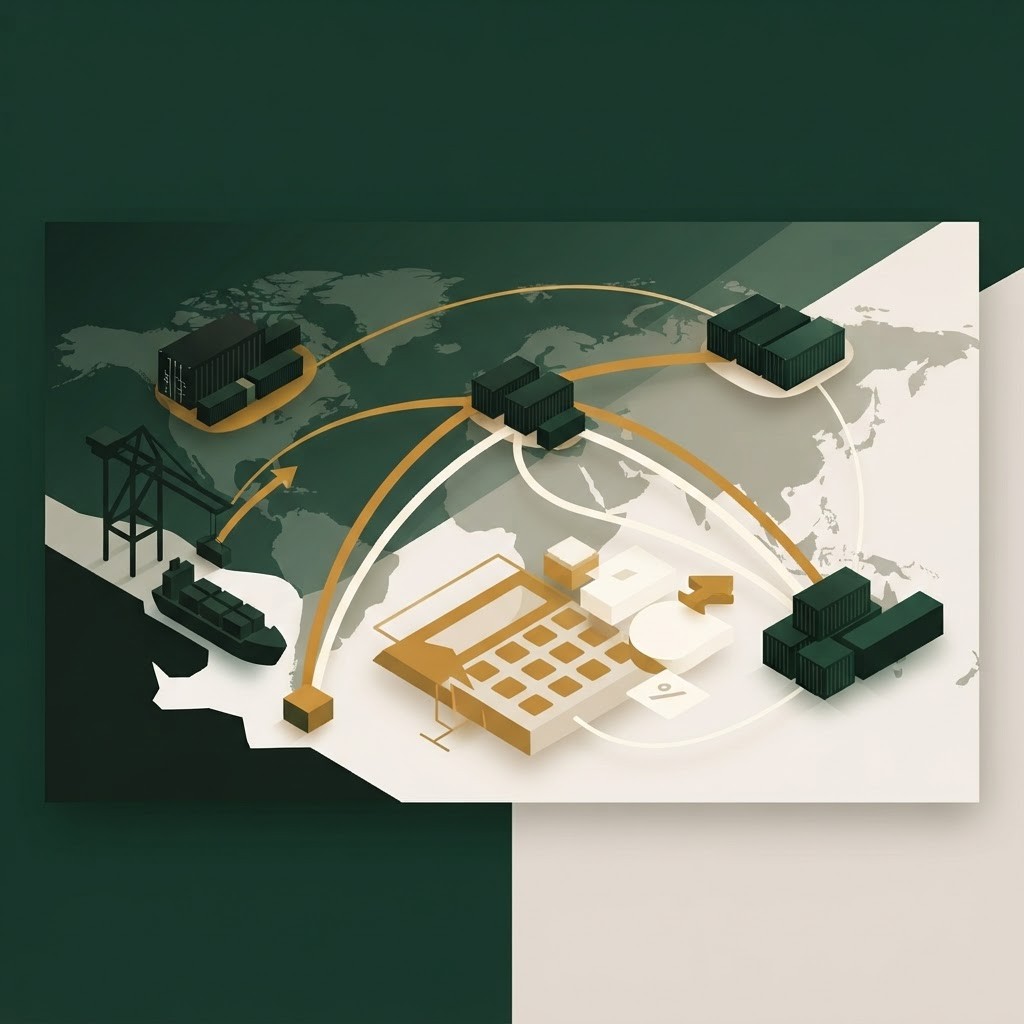
Importing goods can open new markets, lower input costs, and expand your product range, but it only works if you understand the true landed cost of what you bring in. Many businesses in Islamabad focus on the supplier price and are then caught off guard by duties, freight, and handling charges that erode their margins. Complete import cost planning accounts for every expense from the factory gate to your warehouse, so you can price correctly and protect profitability. This guide breaks it all down.
We help businesses plan, cost, and manage imports so there are no surprises at the port. Our import consultancy team maps your landed costs and clearance requirements, while our international trade in Pakistan expertise helps you structure sourcing and logistics for the best overall value.
The foundation of import planning is the price you pay the supplier, but even this needs care. Understand exactly what the quoted price includes. Does it cover packaging, inland transport to the port of export, or export documentation? The internationally recognized trade terms you agree with your supplier determine where their responsibility ends and yours begins, which directly affects the rest of your cost calculation.
Moving goods to Pakistan carries a significant cost that varies by mode, distance, and volume. Sea freight is usually cheapest for large shipments but slower, while air freight is faster and far more expensive. Freight costs also fluctuate with fuel prices and demand. Obtain clear quotes and understand whether they include origin charges, so your estimate reflects reality rather than a headline rate.
Import duties and taxes are often the largest and most misunderstood component of landed cost. The rate depends on the classification of your goods, so correct classification is essential. On top of customs duty you may face additional taxes and levies calculated on the value of the goods plus freight and insurance. Misjudging these charges is the most common reason imports become unprofitable, so research them carefully before you commit to an order.
Goods in transit face risks of loss and damage. Cargo insurance protects your investment for a modest cost and is well worth including in your plan. Factor the premium into your landed cost, and understand what the policy covers so you are not exposed to gaps.
Once goods arrive, a series of charges apply before you can take possession. These include port handling, customs clearance, documentation, and the fees of a clearing agent if you use one. Storage charges accrue if clearance is delayed, so efficient paperwork saves money. Building these charges into your estimate prevents unpleasant surprises at the port.
Finally, goods must travel from the port to your premises in Islamabad, and they may need storage along the way. Inland freight and warehousing costs complete the landed cost picture. For inland cities, transport from the port adds meaningfully to the total, so include it from the start.
Add every component together, from product price and freight to duties, insurance, clearance, and inland transport, and divide by the number of units to find your true landed cost per item. This figure, not the supplier price, is what you must use to set prices and judge profitability. Many businesses discover that an apparently cheap product becomes expensive once all costs are counted.
Because imports are usually paid in foreign currency, exchange rate movements affect your costs between order and payment. Plan for this volatility and, where appropriate, use tools to manage the risk. Timing your orders and payments thoughtfully can protect your margins from sudden swings.
Once goods arrive at the port, a further layer of costs begins. Terminal handling, port charges, demurrage if containers are not cleared promptly, inland transport to your warehouse, and short term storage all add to the landed cost. These figures are easy to overlook because they appear after the headline freight and duty numbers, yet together they can be substantial. Build them into your calculation from the start and stay disciplined about clearing shipments quickly, because delays at the port are one of the fastest ways to erode a carefully planned margin. Accurate handling estimates keep your final costing honest and complete.
Imports are usually paid in foreign currency, so exchange rate movements between the time you agree a price and the time you settle can quietly change your true cost. Track the rates that matter to your purchases and consider how you time payments to reduce exposure. Where the amounts justify it, discuss options with your bank for locking in rates on larger orders. Building a small allowance for currency movement into your pricing protects you from sudden swings, so a favourable supplier quote does not turn into a loss simply because the exchange rate shifted while your shipment was still on the water.
Complete import cost planning means counting every expense from the supplier's factory to your warehouse, so your pricing rests on the true landed cost rather than the sticker price. Businesses that plan this way protect their margins and avoid the shocks that catch less prepared importers. If you want expert help to map your import costs and streamline clearance, our team at Living Solutions Global is ready to guide you.

Written by the Living Solutions team
Strategy, design, and trade expertise, all under one roof.
Let's discuss how we can turn your vision into sustainable growth and measurable success.