
Machinery imports into Islamabad are evolving fast as businesses chase efficiency, energy savings, and compliance. This guide explores the biggest trends shaping how companies source and clear industrial equipment today.
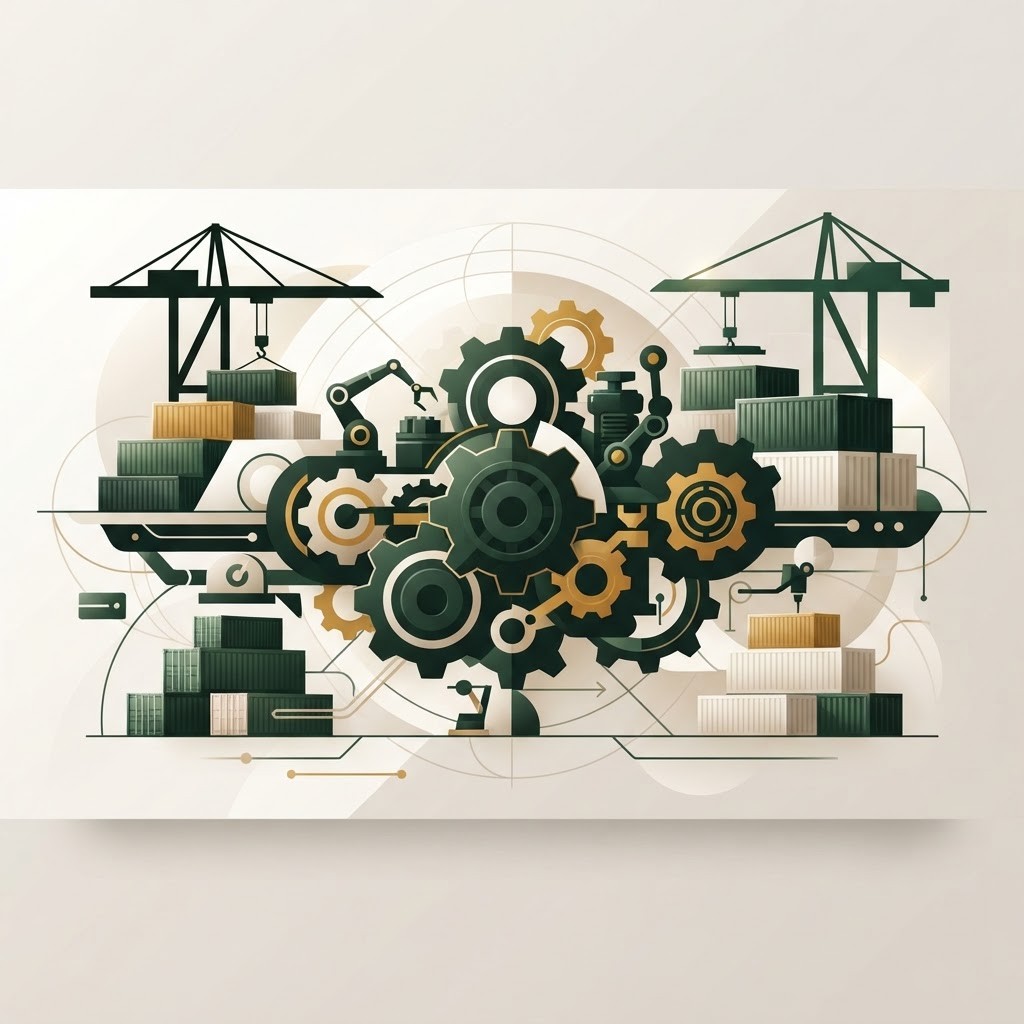
Importing machinery into Islamabad has become a strategic priority for manufacturers, construction firms, and industrial startups that want to scale with modern, reliable equipment. As the capital continues to attract investment across manufacturing, energy, and infrastructure, the way businesses source machinery from abroad is changing quickly. Buyers are no longer focused only on price. They now weigh energy efficiency, after sales support, spare part availability, and regulatory compliance before committing to a supplier. Understanding these shifting trends is essential for any organisation that wants to import capital equipment without costly delays or surprises.
At Living Solutions Global, we guide businesses through every stage of sourcing and importing industrial machinery. Our import consultancy team handles supplier vetting, documentation, customs coordination, and landed cost planning so you can focus on production rather than paperwork. As a trusted partner for Living Solutions Global clients across Pakistan, we align each machinery purchase with your operational goals, ensuring the equipment you bring into Islamabad is compliant, efficient, and ready to perform from day one.
One of the strongest trends shaping machinery imports is the demand for energy efficient equipment. Rising utility costs in Pakistan have pushed buyers to favour machines that consume less power while maintaining high output. Importers now request detailed energy consumption data before purchasing, and many prefer equipment that carries recognised efficiency ratings. This shift not only reduces long term operating costs but also aligns with the broader move toward sustainable industrial practices that global buyers increasingly expect.
Automation is reshaping the machinery market. Businesses in Islamabad are importing computer controlled systems, robotic components, and sensor driven machines that improve precision and reduce human error. These smart machines allow smaller teams to manage higher production volumes, which is especially valuable for growing manufacturers. The trend toward automation also means importers must plan for staff training and technical support, since advanced equipment requires skilled operators and reliable maintenance partners.
For years, many Pakistani importers relied heavily on a small number of source countries. Today, buyers are diversifying across multiple regions to secure better pricing, faster delivery, and improved quality. This diversification protects businesses from supply disruptions and currency fluctuations. Our international trade in Pakistan specialists help clients evaluate suppliers across different markets, compare total costs, and negotiate favourable terms that protect the buyer throughout the transaction.
Regulatory compliance has become a defining factor in machinery imports. Customs authorities require accurate classification, valuation, and certification, and errors can lead to expensive clearance delays. Modern importers invest heavily in correct documentation, including certificates of origin, technical specifications, and safety standards. Businesses that treat compliance as an afterthought often face demurrage charges and stalled projects. The trend now is to prepare paperwork well before shipment, ensuring smooth clearance at the port.
Sophisticated buyers no longer look only at the factory price of a machine. They calculate the total landed cost, which includes freight, insurance, duties, taxes, inland transport, and installation. This mindset helps businesses avoid budget shortfalls and make smarter purchasing decisions. By modelling landed cost early, importers can compare suppliers fairly and choose the option that delivers the best value once the machine reaches their facility in Islamabad.
As Islamabad grows as an industrial hub, more importers are pairing machinery purchases with plans to expand local production. This means aligning imported equipment with existing production lines and future capacity goals. Our manufacturing consultancy team helps businesses match imported machinery to realistic production targets, factory layouts, and workforce capabilities, ensuring every purchase strengthens the overall operation rather than creating bottlenecks.
A machine is only valuable if it keeps running. Buyers increasingly evaluate suppliers based on the availability of spare parts, warranty terms, and technical support in the region. Downtime caused by a missing component can halt production for weeks. The trend toward prioritising after sales service reflects a maturing market where reliability matters as much as the initial purchase price.
The businesses that succeed in importing machinery are those that plan ahead, understand market trends, and work with experienced partners. From energy efficiency and automation to compliance and landed cost planning, every trend points toward a more strategic approach. Islamabad based companies that embrace these trends position themselves to compete effectively, control costs, and grow with confidence. With the right guidance, importing machinery becomes a powerful engine for long term industrial success rather than a source of uncertainty.

Written by the Living Solutions team
Strategy, design, and trade expertise, all under one roof.
Let's discuss how we can turn your vision into sustainable growth and measurable success.