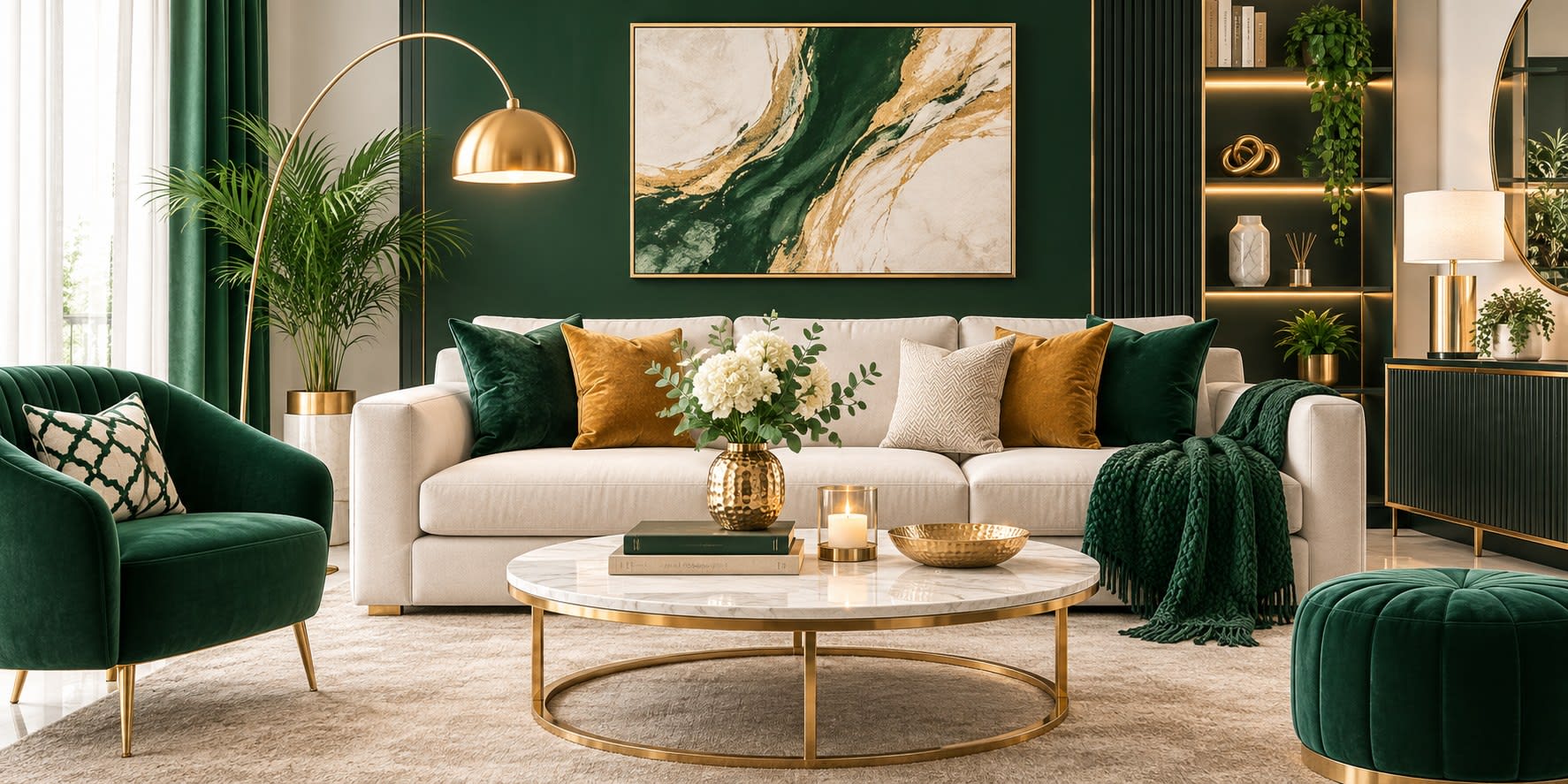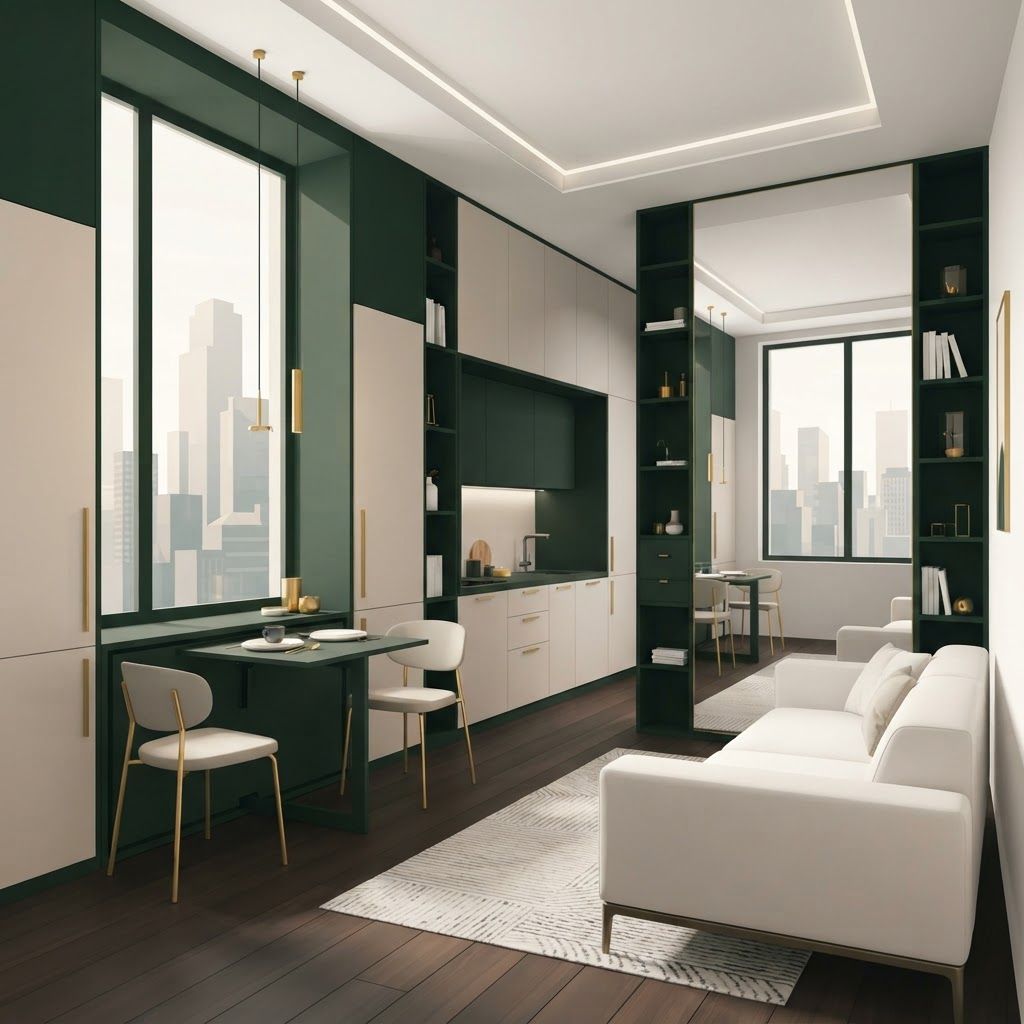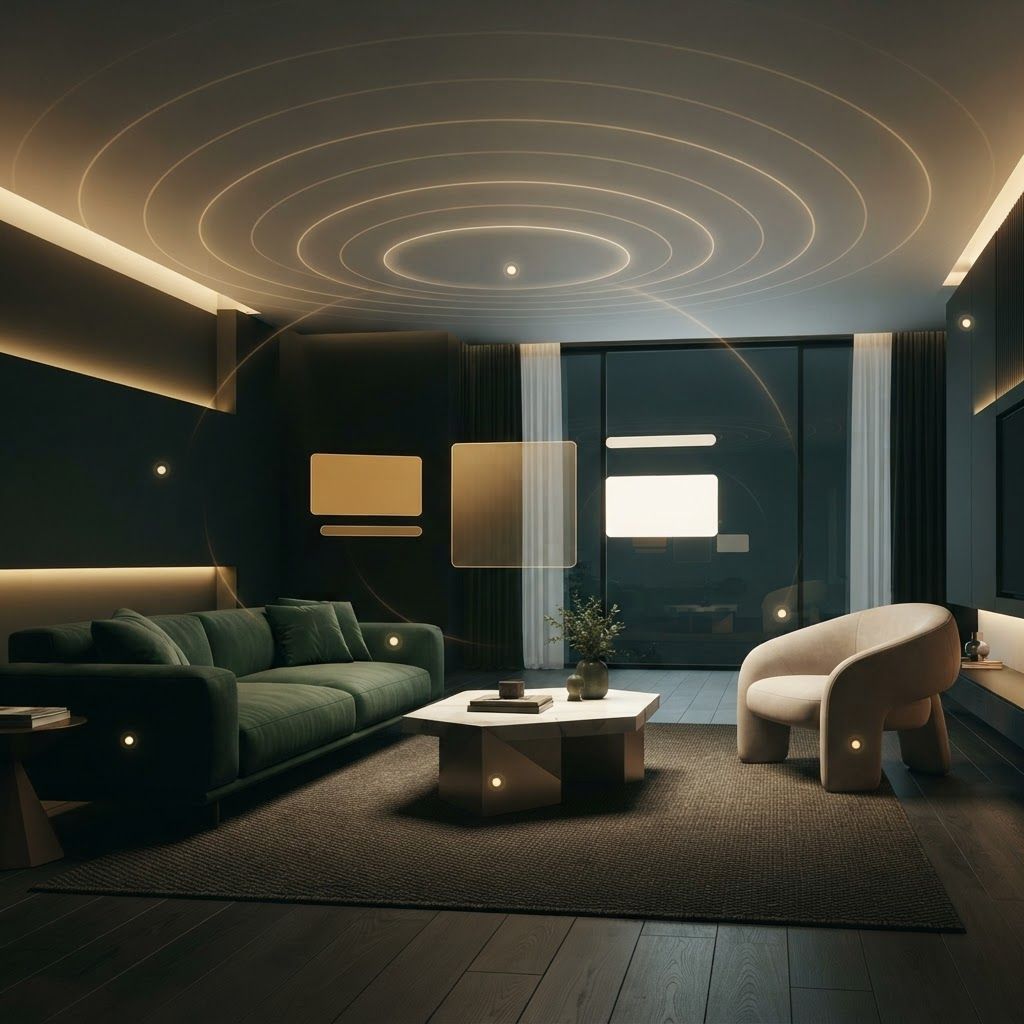
Learn how to plan an interior design budget that keeps your project on track and free of surprises. Discover how to allocate costs, prioritize spending, and get the best value without compromising on quality.
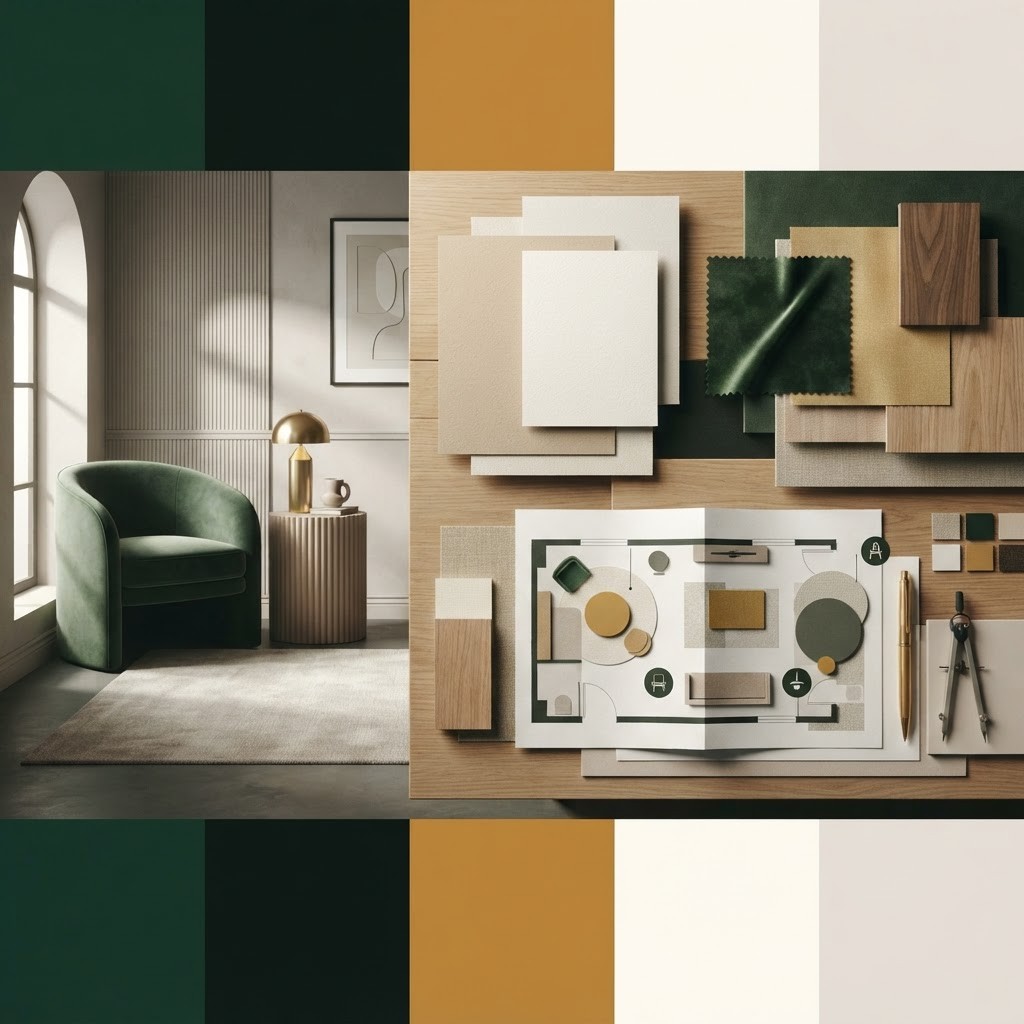
Budget planning is one of the most important yet most overlooked aspects of any interior design project. A clear, realistic budget keeps your project on track, prevents unpleasant surprises, and ensures you get the best possible value for your investment. Whether you are designing a home, office, or commercial space, understanding how to allocate and manage costs is essential to a successful outcome. This article explains how to plan an interior design budget wisely and avoid the common financial mistakes that derail projects.
At Living Solutions Global we believe great design should also be smart financially. Our team helps you plan realistic budgets, prioritize spending, and achieve outstanding results without unnecessary costs. Whether you are investing in your home through our residential interior design or upgrading your business through our commercial interior design, we deliver exceptional value at every stage. With Living Solutions Global managing your project, you gain transparency, control, and confidence in your investment.
A well planned budget is the foundation of a stress free interior project. Without one, costs can quickly spiral, decisions become rushed, and quality often suffers. A clear budget helps you understand what is achievable, guides your choices, and keeps everyone aligned. It also allows you to prioritize the elements that matter most while making informed trade offs elsewhere. In short, good budget planning turns a potentially chaotic process into a controlled, confident journey.
The first step is to set a budget that reflects both your goals and the realities of your project. Consider the size of the space, the level of finish you desire, and the scope of work involved. Research typical costs and be honest about what you can comfortably invest. It is wise to define a range rather than a single figure, giving yourself flexibility. A realistic budget from the start prevents disappointment and keeps expectations grounded.
A smart budget divides spending across key categories such as construction, furniture, lighting, materials, and finishes. Understanding roughly how much each area typically requires helps you distribute funds sensibly. Structural and permanent elements often deserve a larger share because they are costly to change later, while decorative items offer more flexibility. Allocating thoughtfully ensures you invest where it counts and avoid overspending in less important areas.
Unexpected costs are almost inevitable in interior projects, from hidden structural issues to price changes and last minute adjustments. Setting aside a contingency, typically a portion of your total budget, protects you from these surprises. This buffer gives you peace of mind and prevents small setbacks from becoming major problems. Treat the contingency as a genuine part of your budget rather than an optional extra, and your project will run far more smoothly.
Not every element of a space carries equal importance, so prioritizing is essential. Identify the features that will have the greatest impact on how the space looks, feels, and functions, and allocate more of your budget to them. For example, quality seating, good lighting, and durable flooring often deliver lasting value. Being clear about your priorities allows you to invest confidently in the essentials while economizing on less critical details.
Cheapest is rarely best when it comes to interiors. Low quality materials and furnishings often need replacing sooner, costing more over time. Instead, focus on value, choosing well made items that offer durability and timeless appeal. Mixing higher investment pieces with more affordable accents lets you achieve a refined look without overspending. Thoughtful choices ensure your space looks great and stands the test of time.
A budget is only useful if you monitor it closely. Keep detailed records of quotes, purchases, and expenses, and compare them against your plan regularly. Tracking spending helps you catch overruns early and make adjustments before they become problems. Clear communication with your design team about costs ensures transparency and keeps everyone accountable. Consistent tracking is the key to staying in control from start to finish.
Smart budgeting is about value, not just cost cutting. Investing in quality where it matters, reusing or refreshing existing pieces, and shopping strategically all stretch your budget further. Timing purchases around sales, choosing versatile items, and mixing statement pieces with affordable finds create impact without overspending. A clear plan also reduces expensive last minute decisions and impulse buys. By focusing on long term value rather than short term savings, you achieve a space that looks refined, functions well, and stands the test of time.
Effective interior design budget planning empowers you to create a beautiful, functional space without financial stress. By setting realistic figures, allocating wisely, planning for contingencies, and prioritizing quality, you protect your investment and achieve better results. Whether your project is large or small, careful budgeting makes all the difference. Explore our interior design in Pakistan services and let us help you get the most from every rupee you invest.

Written by the Living Solutions team
Strategy, design, and trade expertise, all under one roof.
Let's discuss how we can turn your vision into sustainable growth and measurable success.