Avoid the most common interior design mistakes that ruin the look and function of a space. Learn practical tips on scale, lighting, layout, and color to create balanced, beautiful, and livable interiors.
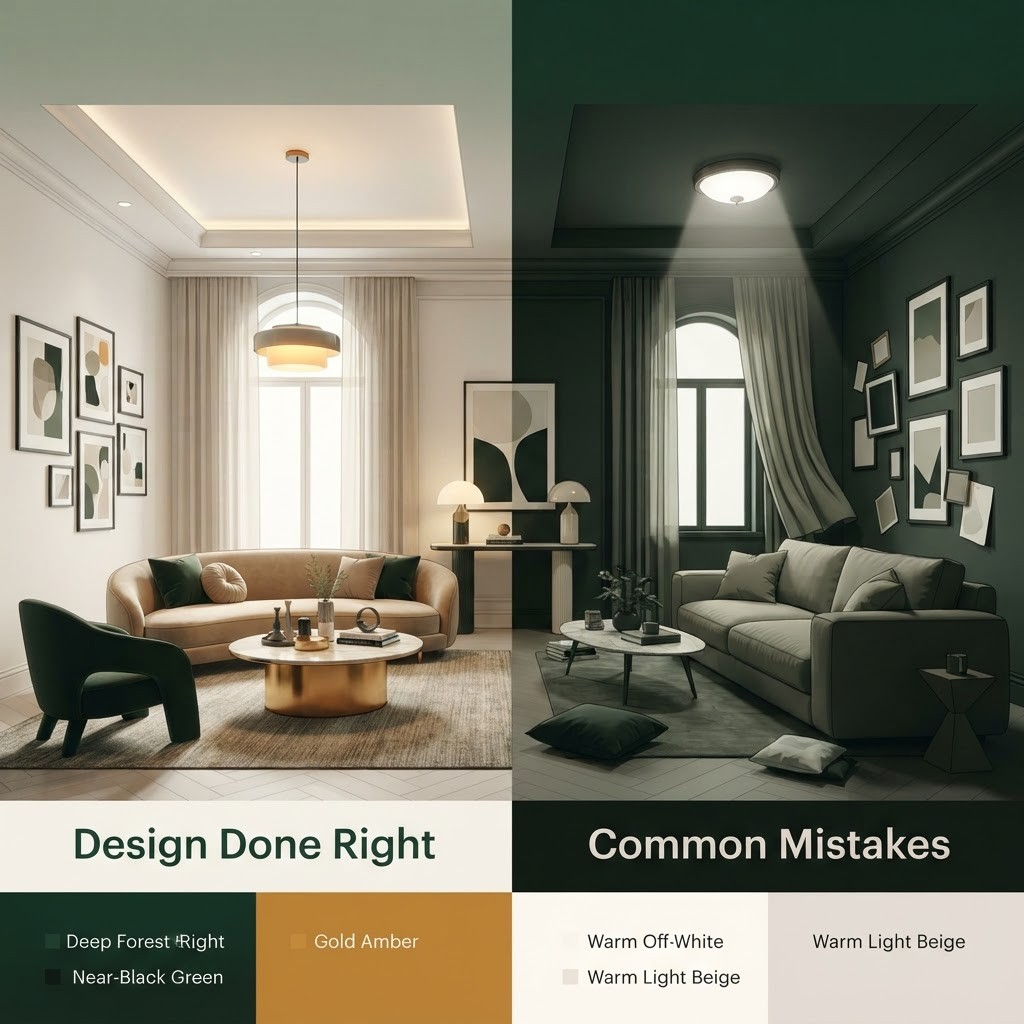
Even the most well intentioned interior projects can go wrong when common mistakes creep in. From poor lighting and awkward layouts to mismatched scale and cluttered spaces, small errors can undermine both the beauty and function of a room. The good news is that these mistakes are easy to avoid once you know what to look for. Whether you are designing a home or a workplace in Pakistan, understanding these pitfalls helps you create balanced, comfortable, and stylish interiors. This article covers the most common interior design mistakes and how to avoid them.
At Living Solutions Global we bring professional expertise that helps you avoid costly design mistakes and achieve results you will love. Our team guides every decision, from layout and lighting to materials and finishes, ensuring a cohesive and functional outcome. Whether you are enhancing your home through our residential interior design or improving your business through our commercial interior design, we deliver spaces that work beautifully. With Living Solutions Global, you avoid guesswork and enjoy a space designed with confidence.
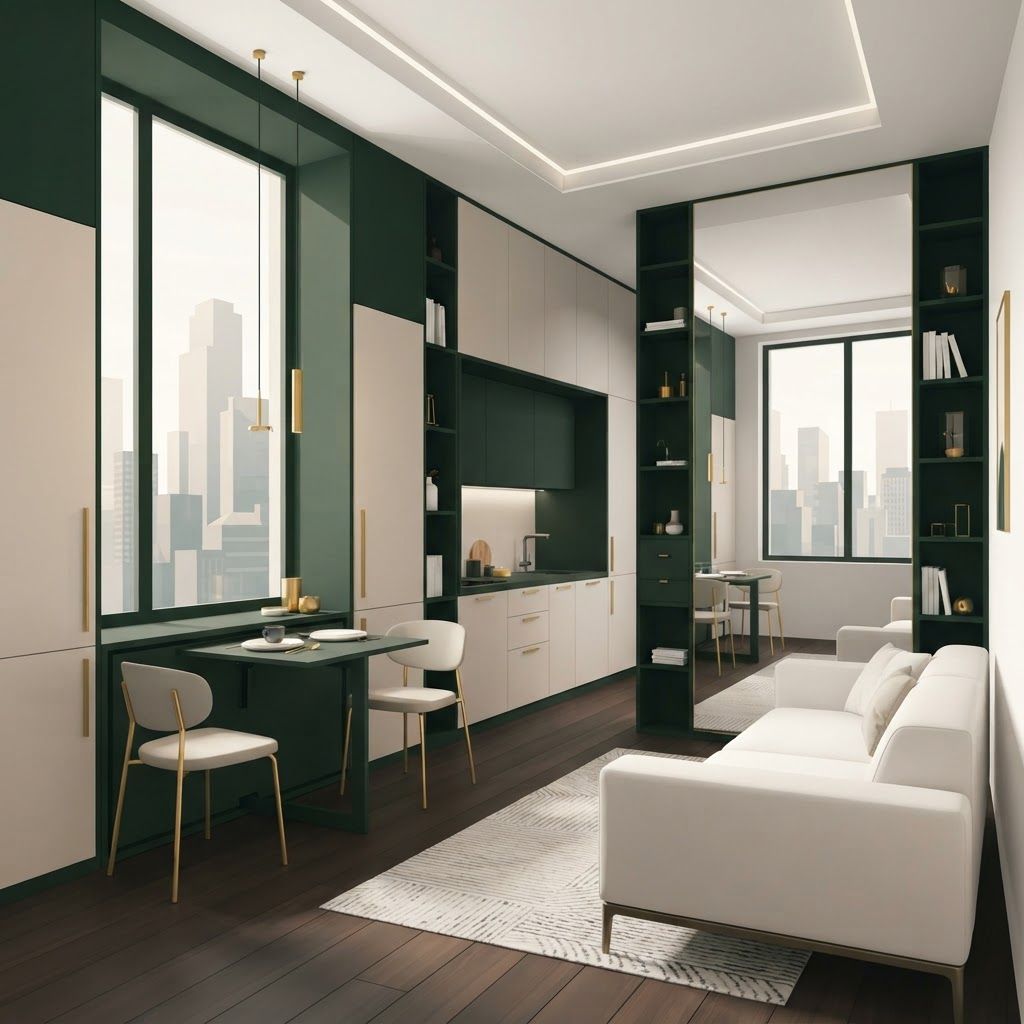
One of the most common mistakes is getting scale and proportion wrong. Furniture that is too large overwhelms a room, while pieces that are too small feel lost and insignificant. Before buying, measure your space carefully and consider how each item relates to the others. Balanced proportions create harmony and make a room feel intentional and comfortable. Taking the time to plan scale prevents crowded or empty feeling spaces and ensures everything fits together naturally.
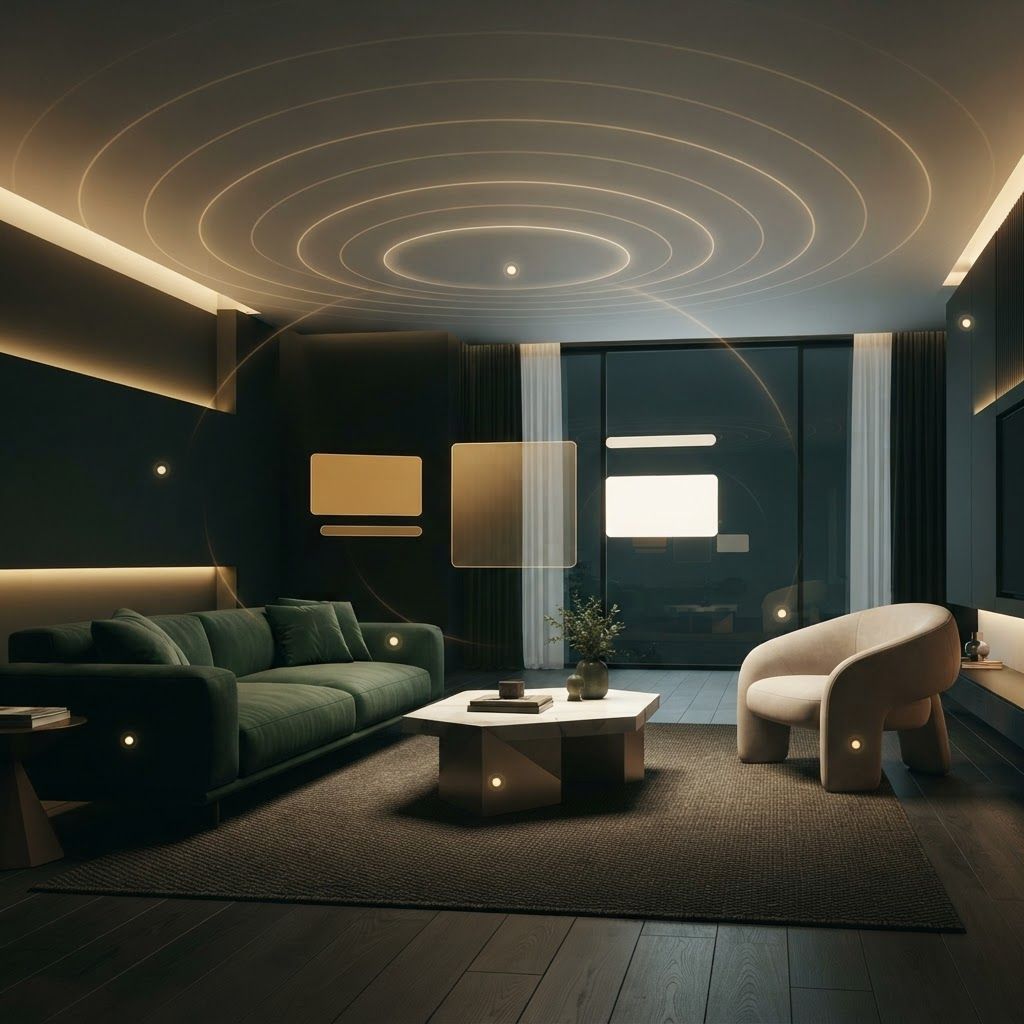
Lighting is often treated as an afterthought, yet it dramatically affects how a space looks and feels. Relying on a single overhead light creates flat, unflattering illumination. Instead, layer your lighting with ambient, task, and accent sources to add depth and flexibility. Consider natural light too, and avoid blocking windows. Thoughtful lighting transforms a room, highlighting its best features and creating the right mood for every occasion. Neglecting it is a mistake that undermines even the best design.
A beautiful space that does not work is a common regret. Prioritizing looks over function leads to interiors that are impractical for daily life. Always consider how a space will be used, how people will move through it, and what they need from it. Comfortable seating, adequate storage, and sensible layouts matter as much as aesthetics. The best interiors balance beauty and practicality, ensuring the space is as livable as it is attractive.
Poor layout is a frequent and frustrating mistake. Pushing all furniture against the walls, blocking pathways, or creating awkward arrangements disrupts flow and comfort. Instead, plan layouts around how the space functions, creating clear circulation and comfortable groupings. Leave enough room to move freely and ensure conversation areas feel natural. A well planned layout makes a space feel effortless, while a poor one creates constant frustration.
Insufficient storage quickly leads to clutter, which spoils even the most beautiful interior. Many people underestimate how much storage they need or fail to integrate it thoughtfully. Plan for adequate, well organized storage from the start, using built in solutions, multifunctional furniture, and clever concealment. Good storage keeps spaces tidy and calm, allowing the design to shine. Addressing storage early prevents a messy, chaotic result later.
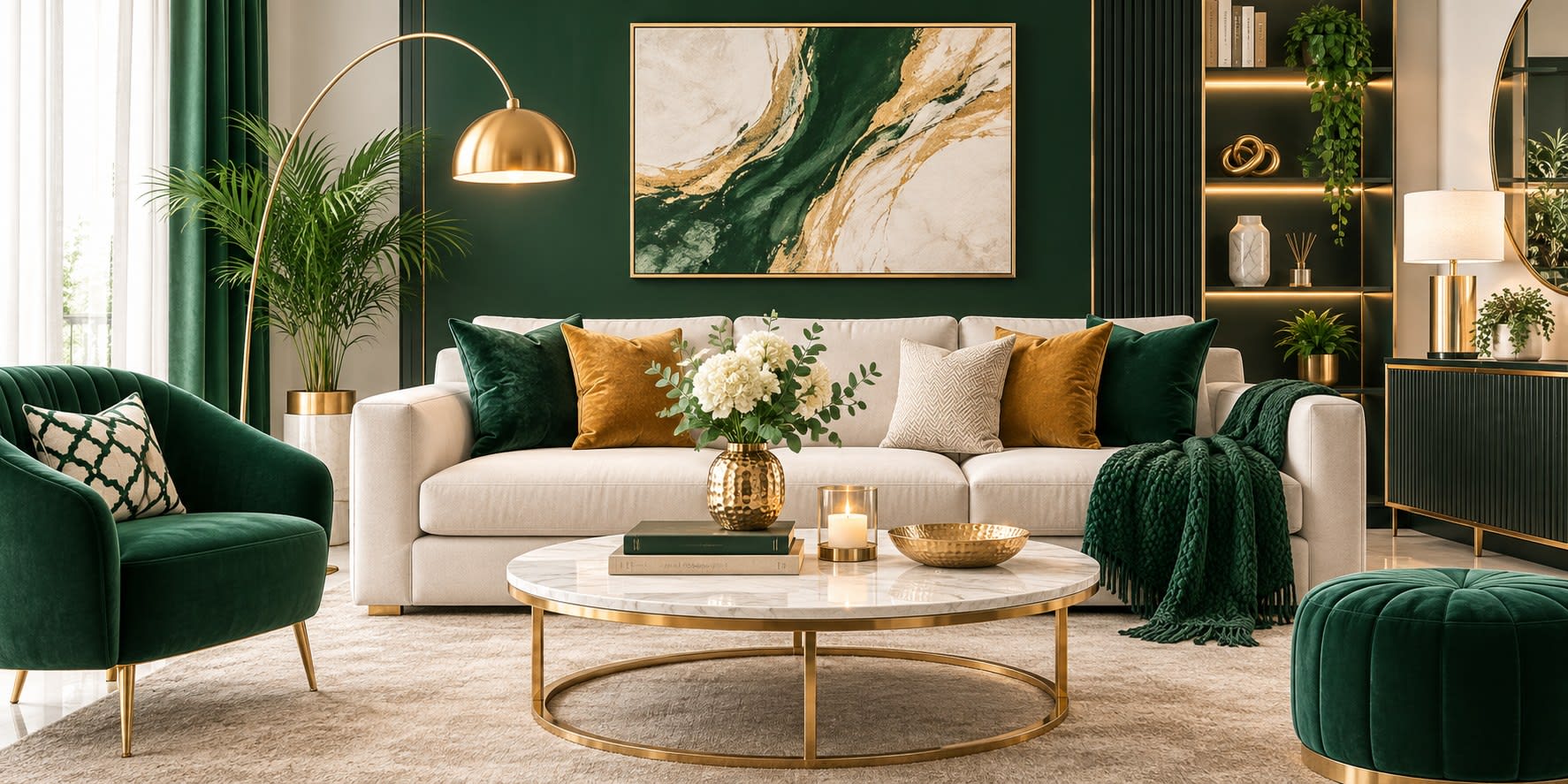
Color mistakes can make or break a room. Using too many competing colors creates visual chaos, while an entirely neutral scheme can feel flat and lifeless. The key is balance, choosing a cohesive palette with a dominant tone, supporting shades, and thoughtful accents. Consider how colors affect mood and how they interact with light throughout the day. A well considered color scheme brings harmony, personality, and warmth to any space.
Spaces that feel impersonal or overly matched can lack soul, while overly busy rooms feel overwhelming. The goal is balance, mixing textures, layering elements, and adding personal touches that tell your story. Avoid filling every corner or leaving spaces bare. Instead, curate thoughtfully, allowing the eye to rest while creating interest. A balanced, personal interior feels welcoming, authentic, and genuinely enjoyable to live or work in.
Small details often make the difference between an ordinary space and an exceptional one. Ignoring window treatments, using the wrong rug size, hanging art at awkward heights, or overlooking finishing touches can leave a room feeling unfinished. Consistency in hardware, thoughtful styling, and attention to texture elevate the entire design. These details may seem minor, but together they create polish and cohesion. Taking the time to get the small things right ensures your space feels considered, complete, and truly professional.
Avoiding these common interior design mistakes helps you create spaces that are beautiful, functional, and comfortable. By paying attention to scale, lighting, layout, storage, and color, you set your project up for success. When in doubt, professional guidance can save you time, money, and regret while delivering superior results. Explore our interior design in Pakistan services and let us help you design a space you will love for years to come.

Written by the Living Solutions team
Strategy, design, and trade expertise, all under one roof.
Let's discuss how we can turn your vision into sustainable growth and measurable success.