A clear look at the interior design trends shaping homes and offices across Islamabad right now, from earthy palettes and fluted panelling to smart lighting and multifunctional rooms. Learn which trends are worth the investment and which ones fade fast.
For years, interiors in Islamabad followed a fairly predictable script of heavy chandeliers, glossy tiles, ornate ceilings and formal drawing rooms reserved for guests. That has changed quickly. A younger generation of homeowners, a growing number of returning overseas Pakistanis and a wave of well travelled professionals have pushed the capital towards interiors that feel calmer, warmer and far more usable. Social platforms accelerated the shift, and local suppliers responded by stocking materials that simply were not available a decade ago. The result is a design conversation in Islamabad that now moves almost as fast as it does in Dubai or Istanbul, but with a distinctly Pakistani warmth running through it.
Understanding which of these trends have staying power matters, because interiors are expensive to redo. Below are the directions we see most often in the capital, along with an honest view of which ones are worth committing to.
As an Islamabad based consultancy, Living Solutions Global spends every week on sites and in supplier showrooms across the capital, which gives us a very practical read on what is actually available, what it truly costs and what performs over time. Our design division helps clients separate lasting quality from short lived fashion, so your budget goes into decisions that will still look considered in ten years. We deliver complete interior design in Pakistan for homes, apartments and commercial spaces, and we manage execution through our own fit out services so that a beautiful drawing does not get lost in translation on site. Clients who prefer to work with a woman on the design and site coordination can be paired with our female interior designer in Islamabad, which makes measurement visits and family consultations far easier for many households. From a single room refresh to a full villa, we bring structure to a process that otherwise becomes overwhelming.
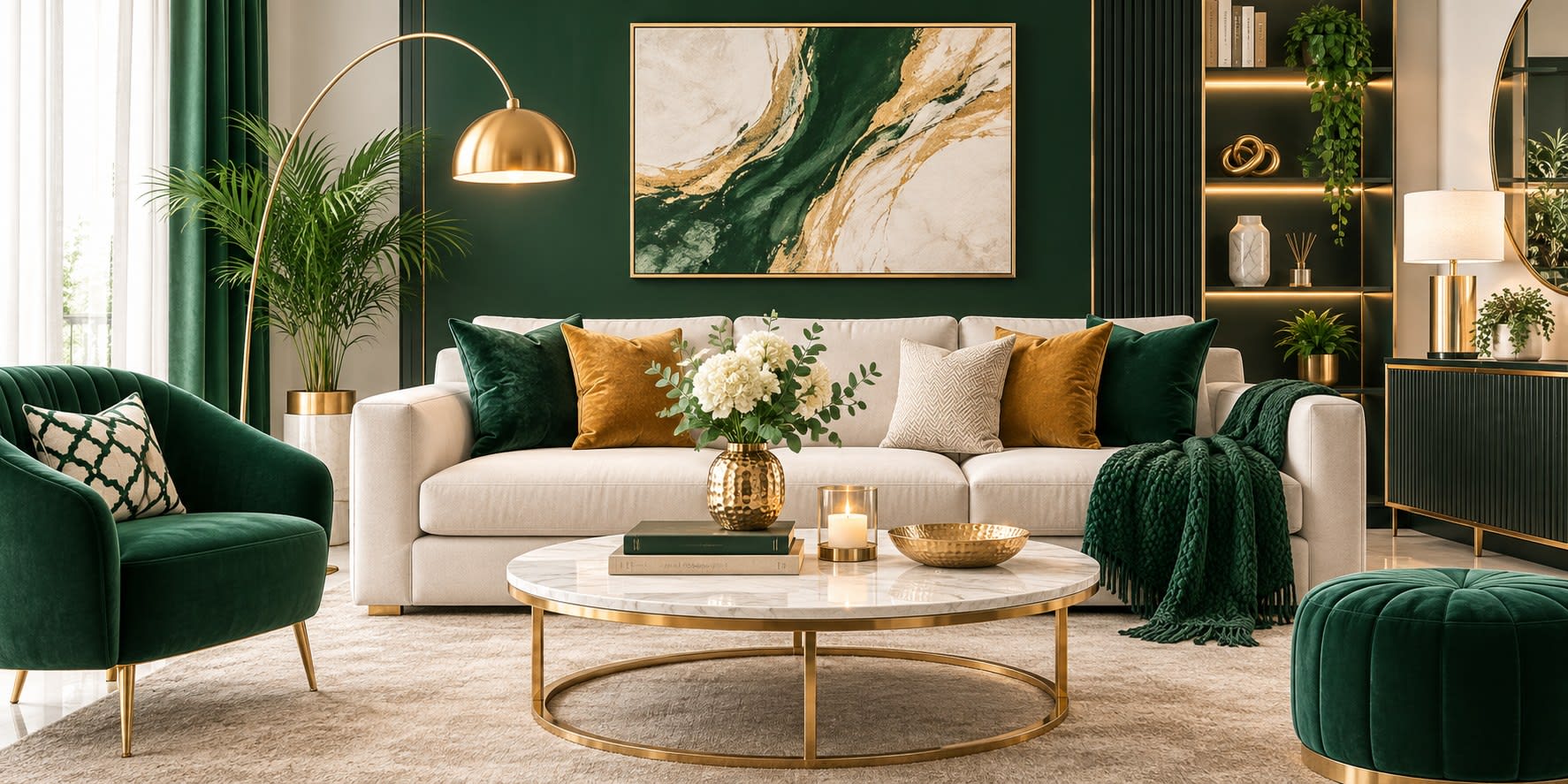
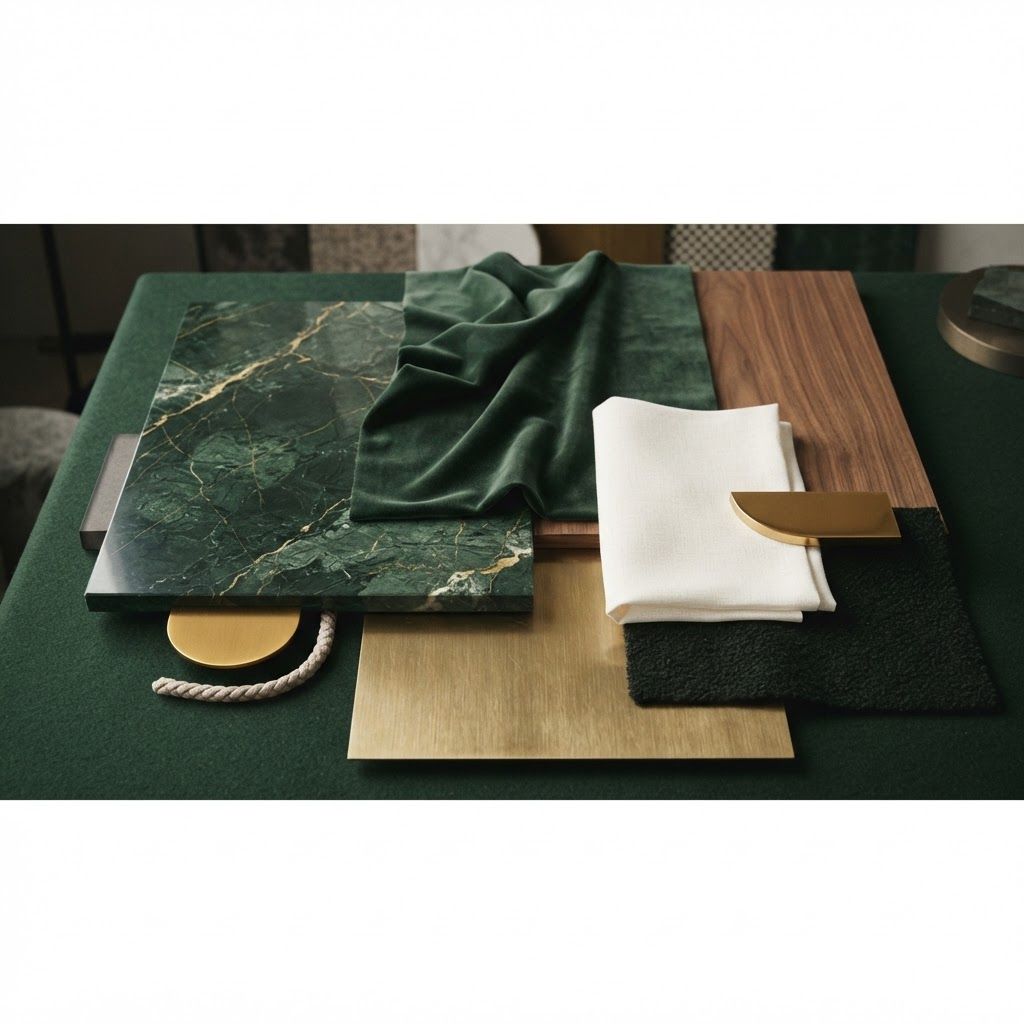
The strongest trend in Islamabad right now is a move away from cold greys towards warm, grounded tones. Olive and forest greens, clay, oat, sand, mushroom and deep charcoal are appearing on walls, joinery and upholstery across the city. These colours flatter the natural light in the capital and connect the interior to the hills and trees outside. They also photograph beautifully and disguise everyday dust better than stark white.
This is a trend worth adopting because it is genuinely timeless. Warm neutrals have anchored good interiors for centuries and they allow you to change accessories without repainting the entire house.
Flat painted walls are giving way to texture. Fluted wood panelling, vertical slat screens, micro cement finishes, lime wash effects and Venetian plaster are all in high demand in Islamabad, partly because local carpenters and finishers have become very skilled at producing them at reasonable cost. A single panelled feature wall behind a bed or a television unit adds depth that no amount of paint can achieve.
Used sparingly, texture is a lasting investment. Used everywhere, it becomes visual noise and will date the room. Choose one or two moments per floor and let the rest of the surfaces stay quiet.
The formal drawing room that stayed locked for months is slowly disappearing. Families in the capital increasingly want one generous living space that hosts everyday life and guests alike. What makes this work is zoning rather than emptiness. A large rug defines the seating cluster, a change in ceiling treatment marks the dining area, a slim console separates the entry from the lounge, and pendant lighting anchors each zone.
Alongside this openness, we see growing demand for glazed partitions with slim black or brass frames. They deliver the visual flow of an open plan while containing kitchen smells, air conditioning and noise, which is a sensible adaptation for Pakistani households.
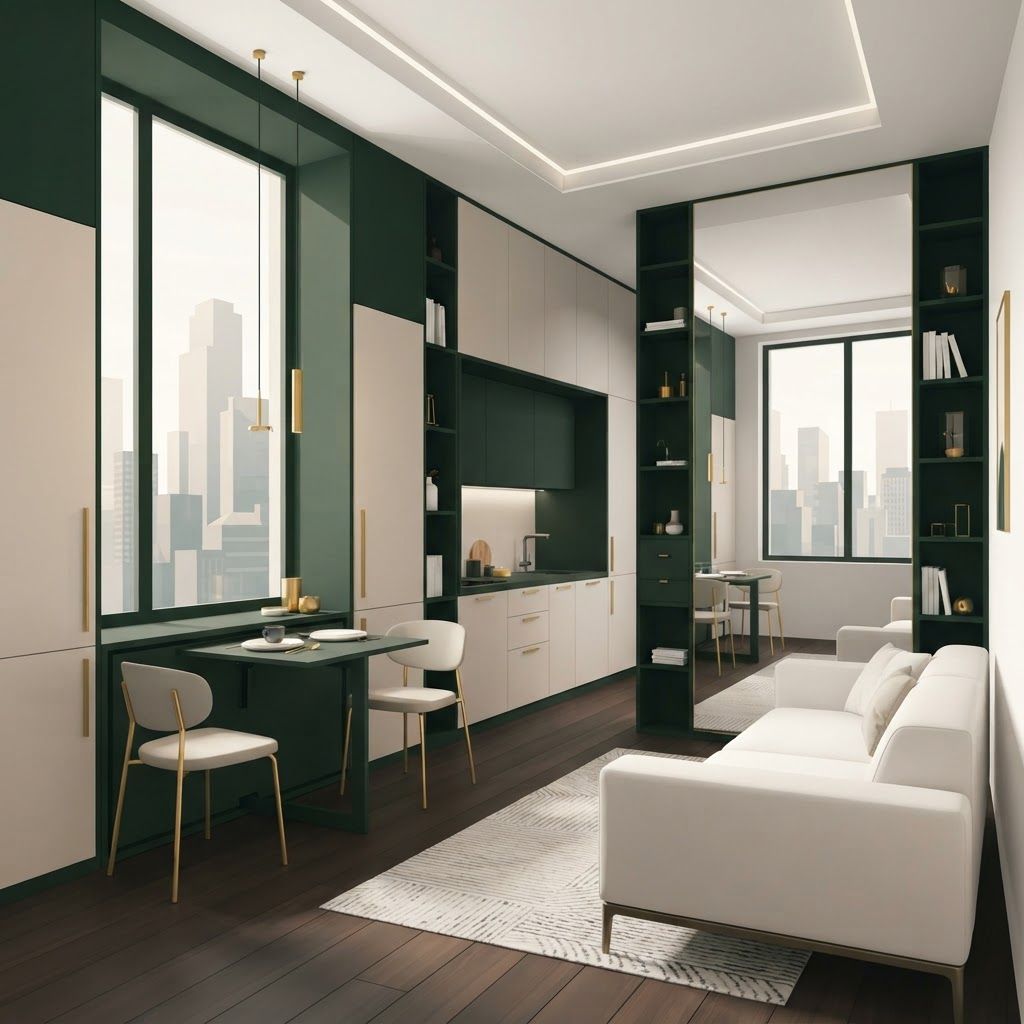
Multifunctional space is one of the most useful trends to reach Islamabad. Home offices became essential during the shift to remote and hybrid work, and many families now need a video call ready corner, a study zone for children and a guest room that does not sit idle for eleven months of the year. Wall mounted folding desks, built in window seats with storage below, murphy beds and sliding partitions all appear regularly in current projects.
This trend rewards careful planning at the drawing stage. Retrofitting a functional home office into a badly wired bedroom is far more expensive than designing the sockets, data points and lighting correctly from the start.
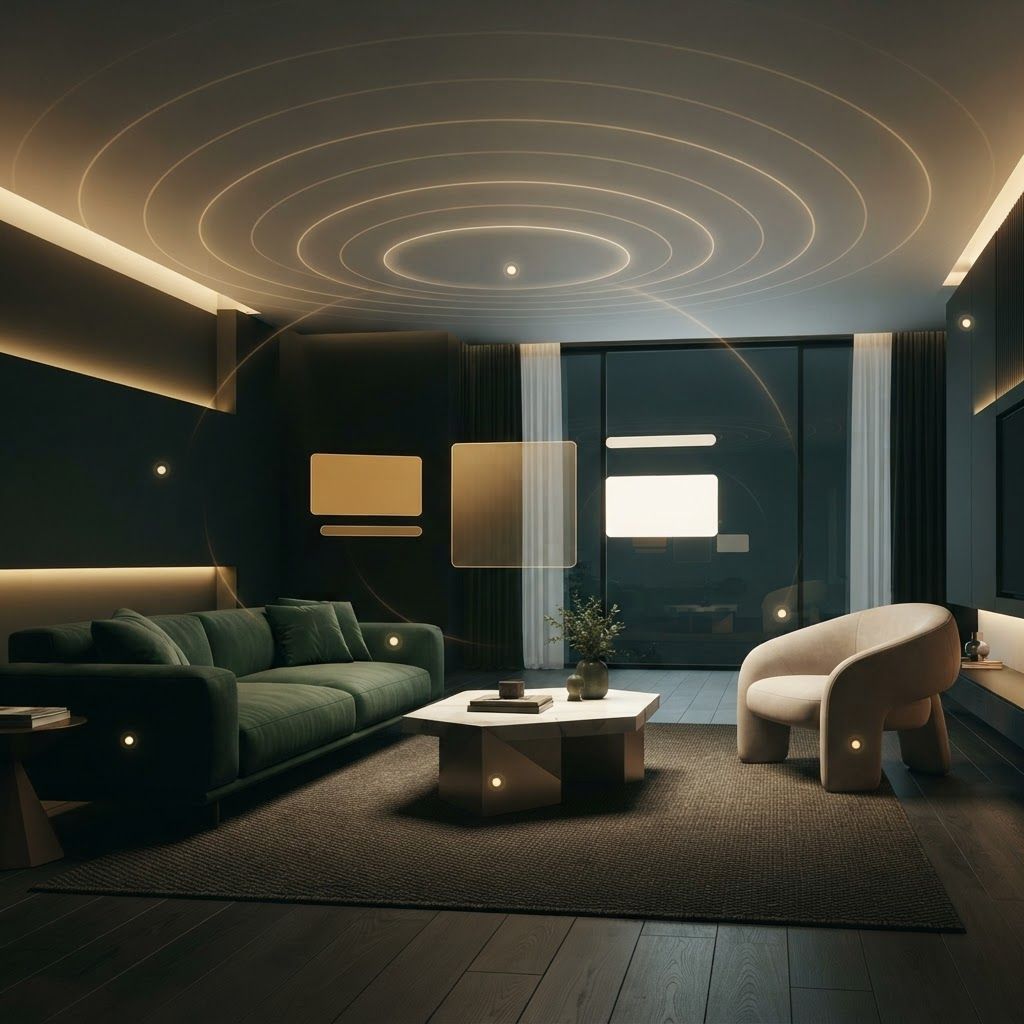
Lighting has become the jewellery of the Islamabad interior. Oversized rattan or fabric pendants above dining tables, sculptural brass wall sconces beside beds, linear profiles over kitchen islands and concealed cove lighting in ceilings have replaced the single heavy chandelier as the focal point. Alongside the decorative pieces, technical lighting has improved dramatically, with dimmable warm white sources and properly positioned downlights that wash walls instead of glaring into eyes.
Layered lighting is not a fashion. It is fundamental good design and the fastest way to make an ordinary room feel expensive.
Cane and rattan detailing, unlacquered brass, travertine and limestone look surfaces, solid wood edges, handmade ceramic tiles and jute or wool rugs are all rising in popularity. The appeal is tactile honesty. After a decade of high gloss laminate, homeowners want materials that show their character and improve with age.
The practical caution here is climate. Some natural stones stain easily in a busy Pakistani kitchen, and untreated timber can move with humidity. The trick is to use natural material where it is touched and admired, and engineered material where it is scrubbed and abused.
One of the most encouraging developments in the capital is a confident return to regional design vocabulary interpreted in a modern way. Simplified jali screens in metal or wood, arched niches and doorways, geometric floor inlays, blue pottery accents and calligraphy as contemporary art are being combined with minimal furniture and neutral walls. The effect is sophisticated and unmistakably rooted in Pakistan rather than borrowed wholesale from a foreign catalogue.
We consider this the most valuable trend of all, because it produces interiors with genuine identity. Supporting local artisans also keeps money in the domestic economy and produces pieces no one else owns.
With rising utility costs and load management concerns, technology in Islamabad homes has become practical rather than showy. Popular additions include app controlled lighting scenes, motorised blinds on large west facing windows, inverter air conditioning with zoned control, smart door locks, and solar systems with battery backup integrated neatly into the utility area rather than bolted on as an eyesore.
Energy efficiency also drives material decisions. Double glazed windows, proper wall insulation on sun exposed elevations, light coloured roof treatments and good cross ventilation planning all reduce running costs and improve comfort far more than any decorative upgrade.
Trends in the capital are not limited to homes. Cafes, clinics, salons and corporate offices in Islamabad have become genuinely design led, and this raises expectations everywhere. Businesses now understand that a well planned workplace supports recruitment, brand perception and productivity. Demand for warm minimal workspaces, acoustic treatment, biophilic planting, flexible meeting areas and strong brand integration continues to grow, which is why our commercial interior design work in the city has expanded so quickly.
Our advice is simple. Commit permanently to the fundamentals, which are good layout, generous natural light, warm neutral base colours, quality flooring, layered lighting and abundant storage. Express current fashion through the elements that are easy and inexpensive to change, such as cushions, art, rugs, lamps, paint accents and accessories. That way your home always feels current without requiring a renovation every few years.
Islamabad is producing some of the most interesting interiors in Pakistan today because it blends international influence with local craft and a genuinely beautiful natural setting. If you want help deciding which of these directions suits your space, your climate exposure and your budget, our team is available in the capital to guide you from first concept through to final handover.
Written by the Living Solutions team
Strategy, design, and trade expertise, all under one roof.
Let's discuss how we can turn your vision into sustainable growth and measurable success.