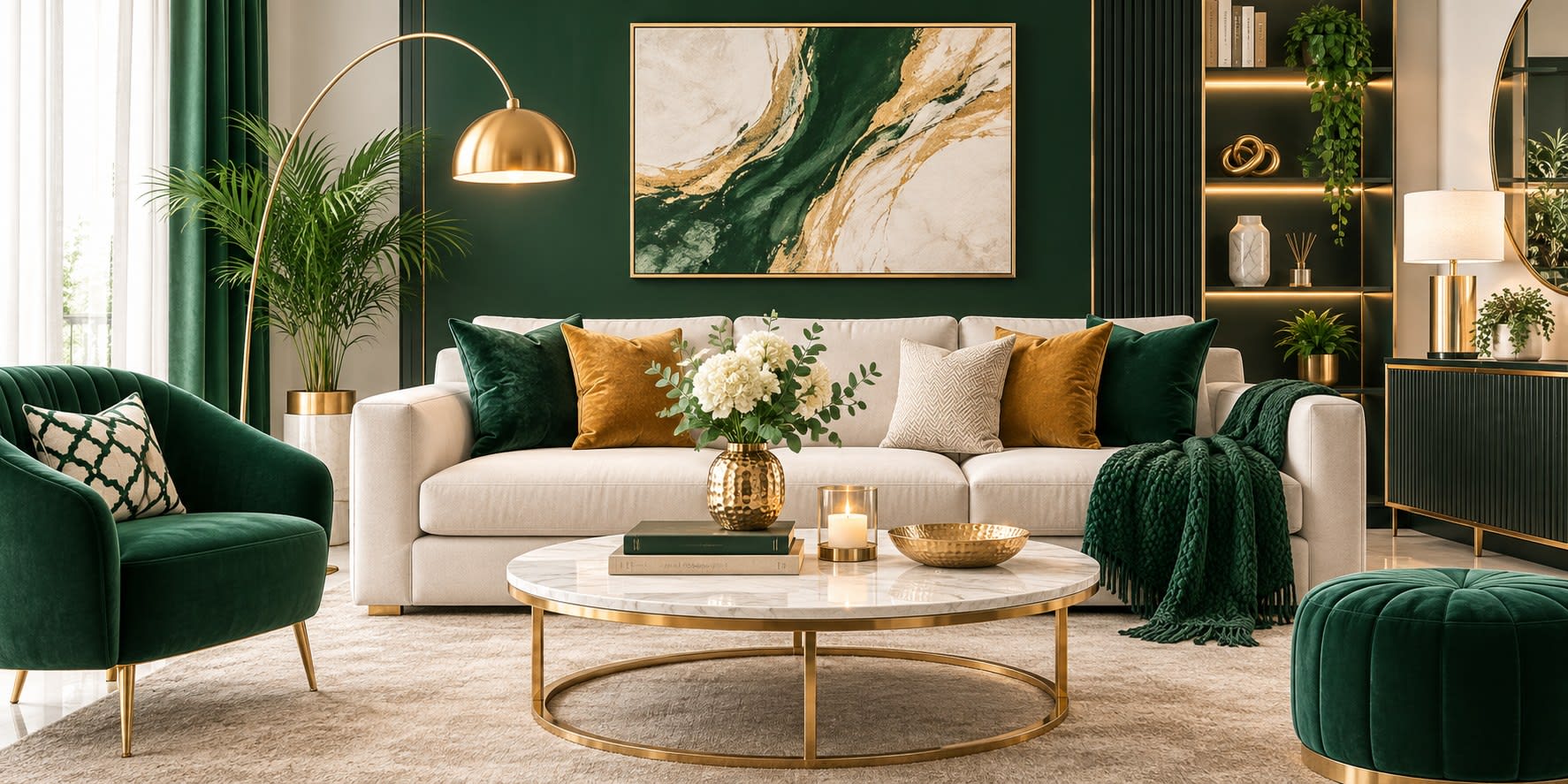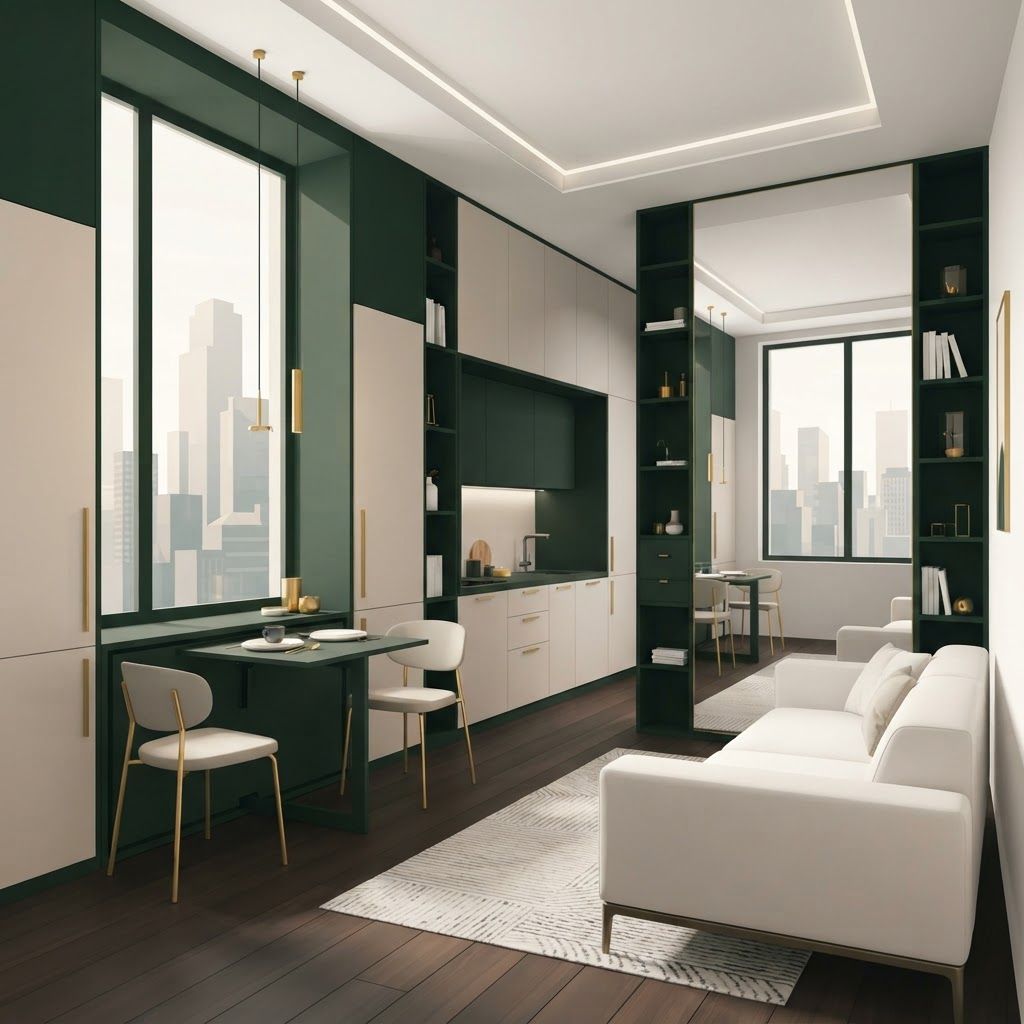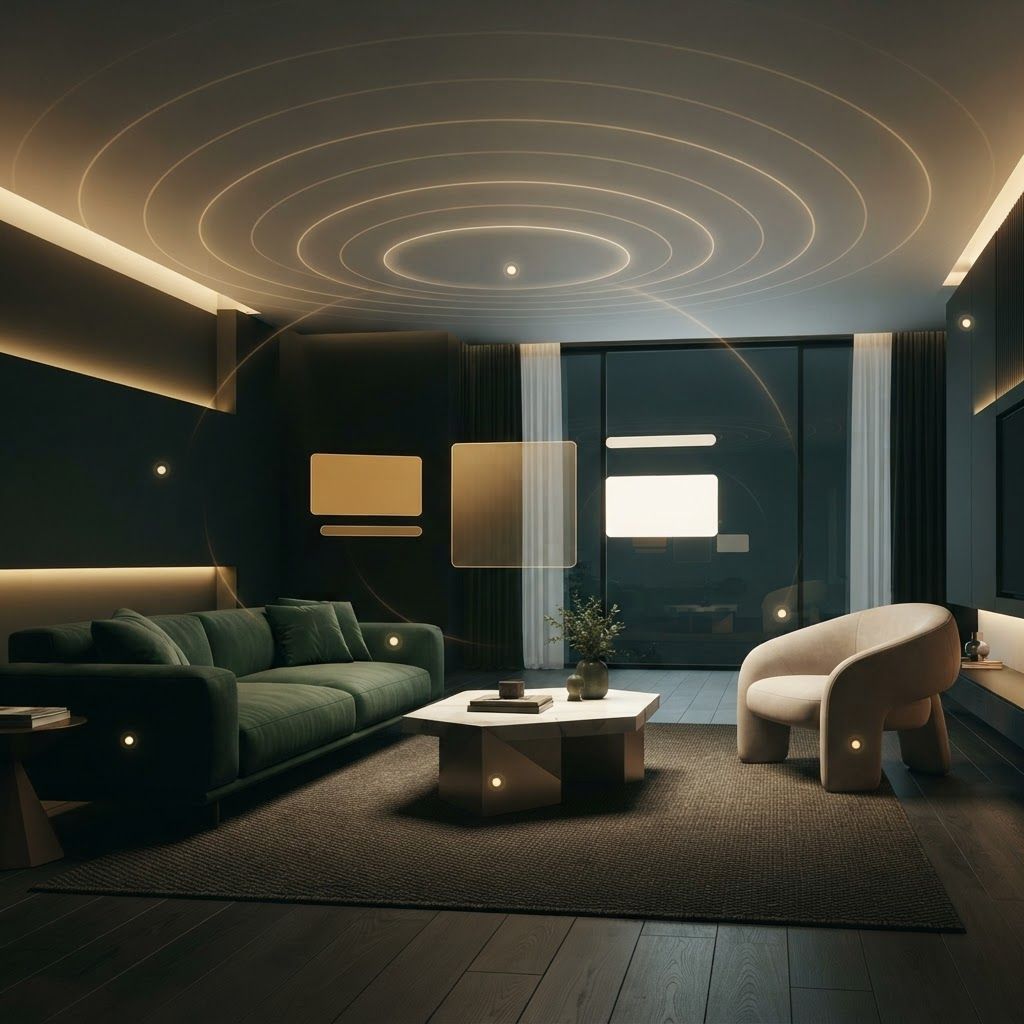
The interiors defining Islamabad right now favour warmth, texture, natural light and quiet craft over heavy gloss. This guide covers the trends our female designers actively recommend and the ones they advise clients to avoid. It also shows how to apply them without dating your home.
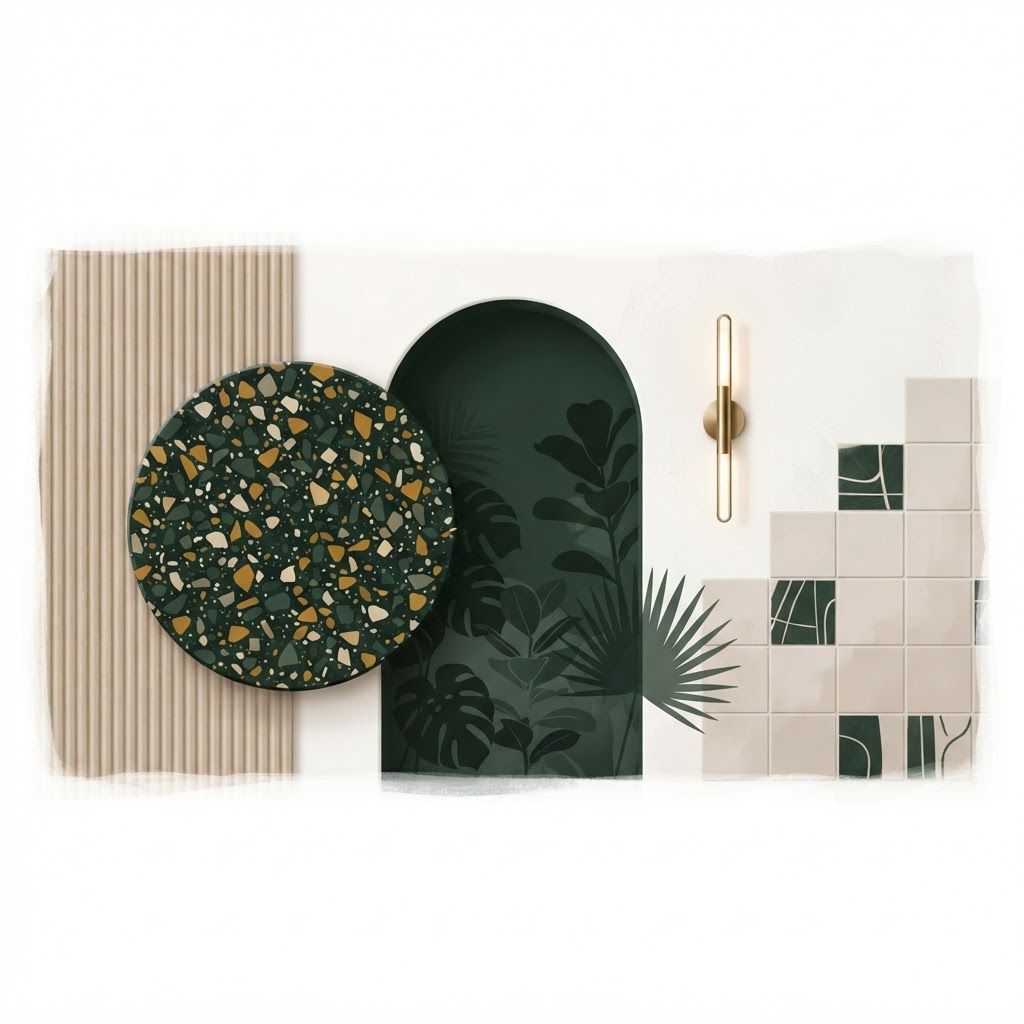
Interior taste in Islamabad has changed faster in the last five years than in the previous fifteen. The heavy, high gloss, high contrast look that dominated the capital has given way to something warmer, quieter and considerably more sophisticated. Homeowners want interiors that feel calm, that make use of Islamabad's exceptional natural light, and that still look current after several years. Much of this movement has been guided by the city's female designers, who tend to prioritise texture, comfort and craft over spectacle. Clients who consult a female interior designer in Islamabad today are usually presented with this softer, more layered direction, and it is proving remarkably durable.
Below are the trends our own design leads actively recommend, along with honest guidance on which fashions to treat with caution.
Our Interior Design and Fit Out division at Living Solutions Global works with homeowners in Islamabad and across Pakistan to translate trends into decisions that suit a specific property, climate and budget. Rather than importing a look wholesale, we test each idea against your plan, your natural light, your family routine and the maintenance you are realistically willing to do. Our team provides concept design, material and finish selection with physical samples, lighting design, bespoke joinery, procurement and full site delivery. Whether you need a single room refreshed or a complete transformation, our interior design in Pakistan service and our in house fit out services mean the design you approve is the design that gets built, on programme and without the coordination burden falling on you.
The grey and white palette that swept through Pakistani homes has aged poorly, particularly under Islamabad's warm daylight. The palette we now recommend is built on warm off whites, oatmeal, sand, clay, soft olive and deep forest tones, grounded with charcoal rather than black.
Warm neutrals flatter skin tones, respond beautifully to evening light and make timber and stone look richer. They also age far more gracefully, because they are closer to the colours of natural materials than to a passing fashion.
The most noticeable change in the capital's better interiors is that walls are no longer flat. Lime plaster, micro cement, roller applied textured finishes and fluted or slatted timber panelling create depth that paint alone cannot achieve. A single textured feature wall behind a bed or a sofa can carry an entire room, allowing the rest of the scheme to stay quiet.
The benefit over wallpaper with a strong pattern is longevity. Texture is neutral, so it does not tire the eye or tie the room to a particular year.
Fluted wood has become a signature of contemporary Islamabad interiors, and for good reason. It adds rhythm, absorbs sound, conceals joins and looks expensive without being costly. We use it on television walls, headboards, kitchen island fronts, reception counters and as screening between spaces.
The caution is restraint. Fluted timber on every surface becomes overwhelming. Used on one or two elements per room, with a natural oil finish rather than high gloss, it remains elegant.
Softer geometry has returned, partly as a reaction to years of hard rectilinear design and partly as a quiet reference to traditional South Asian architecture. Arched niches, curved wall returns, rounded island ends, oval mirrors and sofas with soft profiles all reduce visual tension in a room.
Curves also improve circulation in practical terms, because a rounded corner in a corridor or kitchen is simply easier to live with than a sharp one, especially with children in the house.
Highly polished stone across every surface has fallen out of favour. Honed and matt finishes are more forgiving, less slippery, better at hiding marks and considerably more refined. Pakistan produces excellent marble, and used honed with a simple mitred edge it looks far more contemporary than the same slab polished to a mirror.
Alongside this, editing matters. The interiors that impress now use three or four materials repeated confidently throughout a home rather than a different combination in every room. Coherence reads as luxury.
The most valuable trend of all is the shift from a single ceiling light to a designed lighting scheme. Recessed profiles washing walls, concealed strips under joinery and kitchen counters, slim wall sconces beside beds, pendants over dining tables and islands, and picture lights on art all combine to give a room several personalities across a day.
Practical rules we apply on every project: keep colour temperature warm and consistent, split circuits so each layer works independently, install dimmers in living and bedroom spaces, and choose fixtures for light quality rather than appearance. Good lighting improves a modest interior more than expensive furniture improves a badly lit one.
Brushed brass, antique bronze and blackened steel have largely replaced bright chrome in taps, handles, light fittings, mirror frames and shadow gap trims. These finishes are warmer, they hide fingerprints and water marks far better, and they pair naturally with timber and stone. Mixing two metals deliberately, for example brass with black, looks intentional. Mixing four looks accidental.
Islamabad's climate and greenery are among its greatest assets, and interiors increasingly acknowledge that. Larger windows where structure permits, sheer layers behind heavier drapery, glazed doors opening to a lawn or terrace, and generously sized real plants bring the outside in. A single large plant in a good planter improves a room more than a collection of small ones scattered around it.
Clients now expect beauty and practicality together. Handleless joinery with push to open mechanisms, deep drawers, pantry cupboards that hide the working kitchen, integrated shoe storage at the entrance and full height wardrobes with lofts all keep surfaces clear. The visual calm that defines current interiors is only achievable when there is somewhere for everything to go.
Not every fashion deserves your budget. We advise caution with very dark ceilings in rooms with limited daylight, extremely bold patterned tiles across large floor areas, oversized statement chandeliers in rooms with standard ceiling heights, glossy lacquer on high traffic joinery, open shelving in kitchens given the dust levels in the region, and heavily themed rooms that will need replacing in three years. Fashion belongs in the elements that are cheap to change, such as cushions, art and accessories, not in the elements that are expensive to replace.
The trends worth following in Islamabad share one quality. They are rooted in material honesty, natural light and everyday practicality rather than novelty. If you would like a home that feels current without being fashionable, contact Living Solutions Global for a consultation. We will review your property, show you physical samples and design a scheme that suits your family, your light and your budget.
Written by the Living Solutions team
Strategy, design, and trade expertise, all under one roof.
Let's discuss how we can turn your vision into sustainable growth and measurable success.