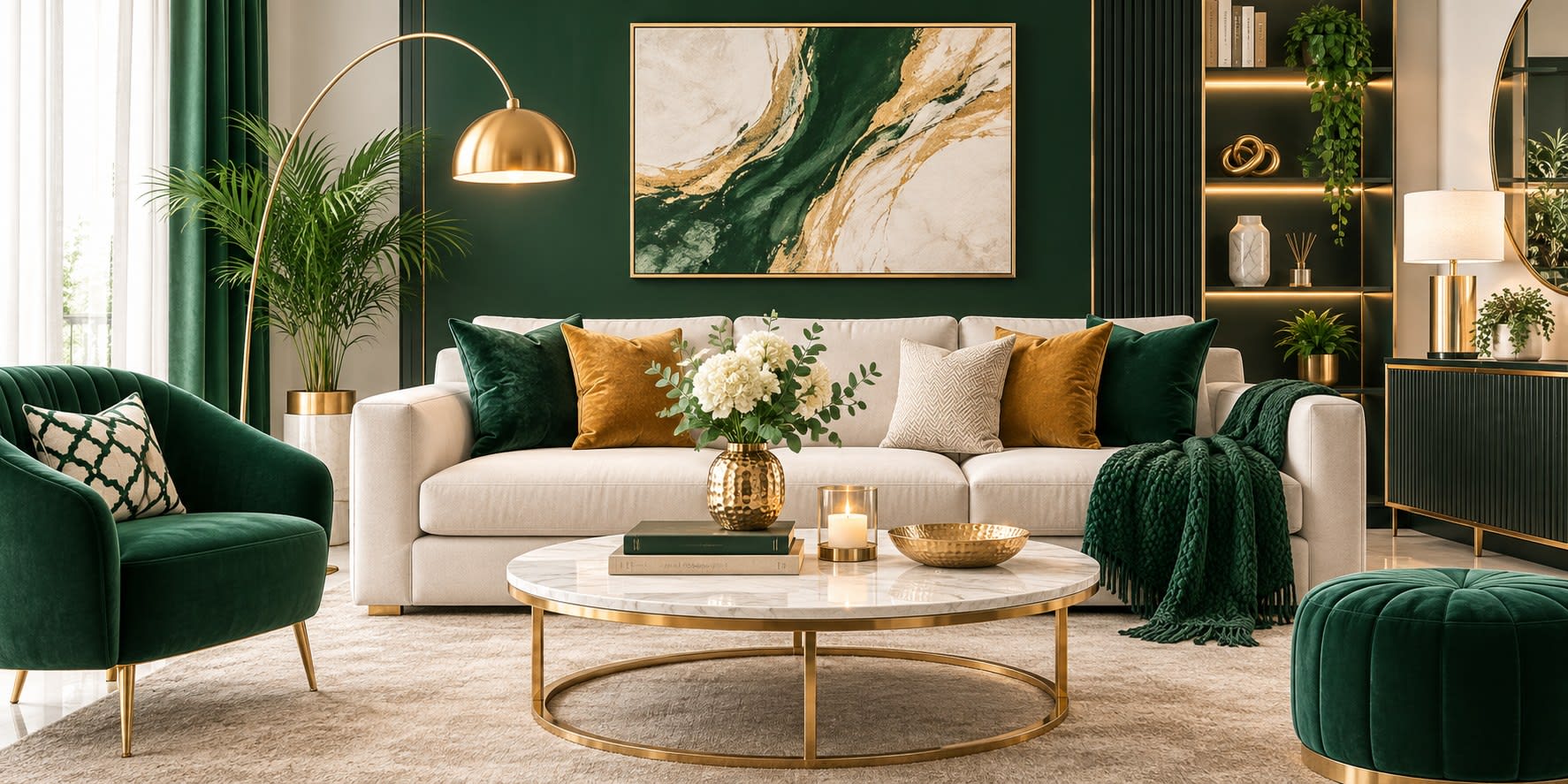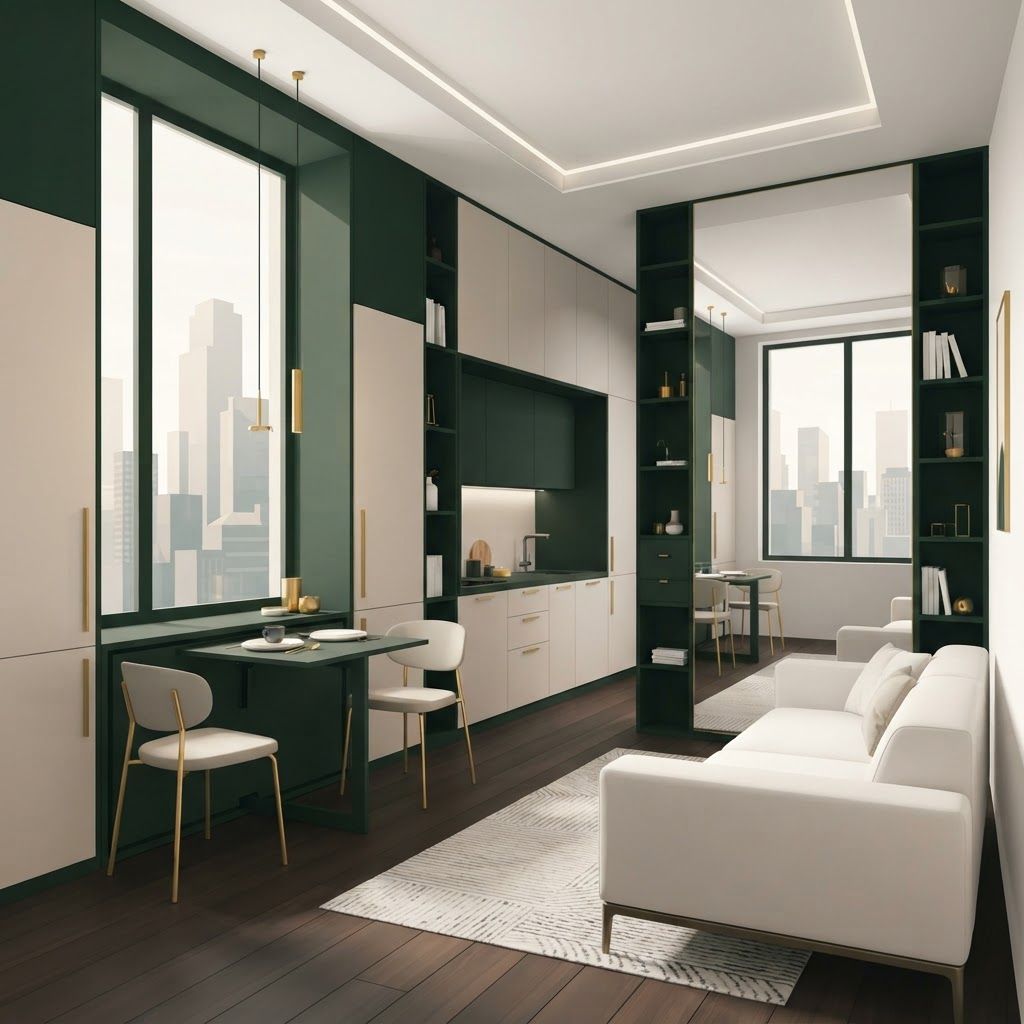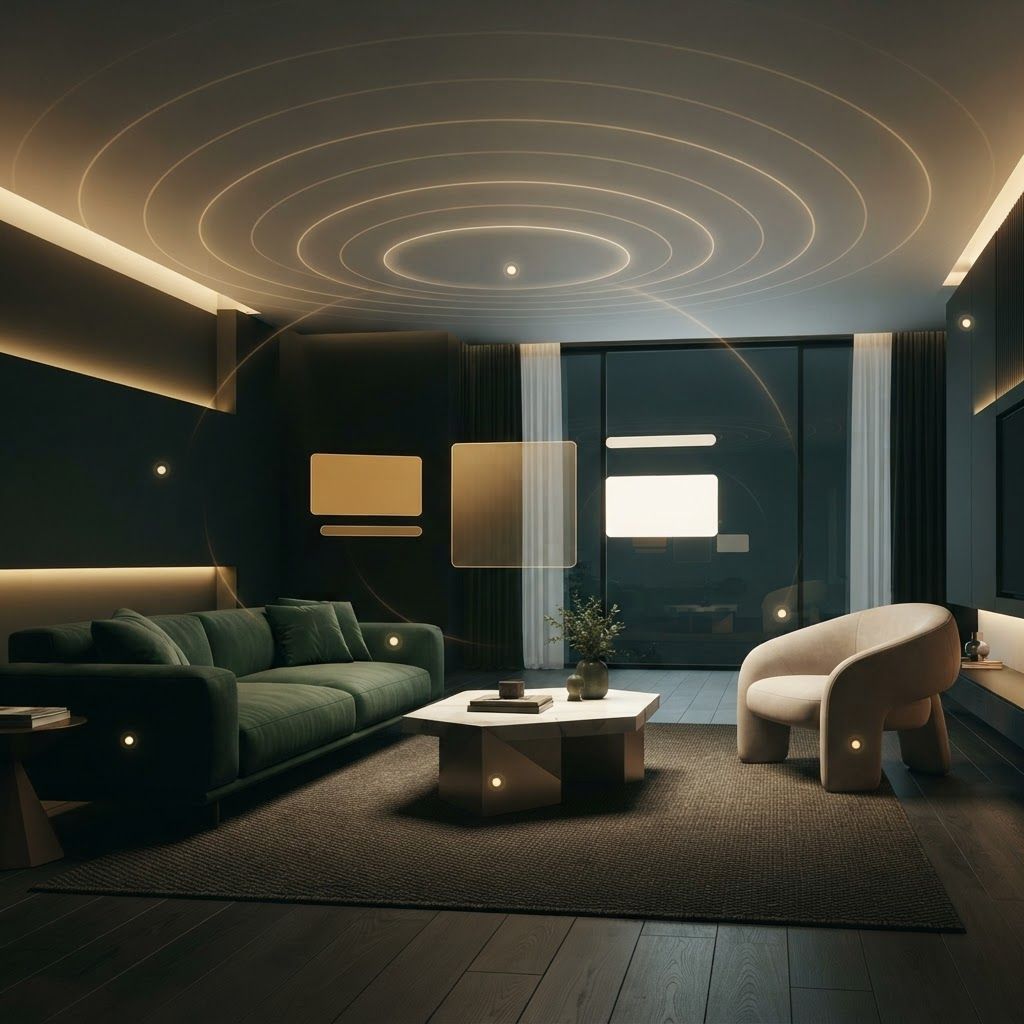
Should you hire an interior designer in Islamabad or manage the project yourself? This honest comparison covers cost, time, risk, quality and resale value so you can decide which route genuinely suits your property.

Almost every homeowner in Islamabad reaches the same crossroads. On one side is the appeal of doing it yourself: choosing your own tiles, negotiating directly with a carpenter, saving a professional fee and enjoying full creative control. On the other side is hiring an interior designer who brings drawings, specifications, vendor networks and site supervision. Both routes can succeed and both can fail. The right answer depends on the complexity of your project, the time you can genuinely commit, your tolerance for risk and how much the final quality matters to you financially. This comparison sets out the real trade offs rather than the marketing version, so you can make the choice with clear eyes.
We are Living Solutions Global, an Islamabad based consultancy whose Interior Design and Fit Out division works with clients at every level of involvement. Some clients hand us the entire project on a turnkey basis and receive a finished, styled home. Others prefer to remain hands on and engage us only for the technical foundation: measured survey, space planning, drawing sets, material specification and a bill of quantities that they then execute with their own contractor. We also offer supervision only engagements where a client manages procurement but wants professional eyes on site to catch mistakes before they become permanent. Through our interior design in Pakistan practice you can therefore choose the level of support that matches your confidence and your schedule rather than accepting an all or nothing arrangement.
The most common assumption is that doing it yourself is cheaper because you avoid a design fee. Sometimes that is true, particularly on small cosmetic projects such as repainting, changing curtains and buying furniture. On larger projects the arithmetic often reverses. Designers buy materials regularly and negotiate rates that individual homeowners rarely obtain. They calculate quantities accurately, which reduces wastage on tiles, boards, paint and stone. They also prevent rework, which is the single biggest hidden cost in self managed projects. A wardrobe built to the wrong depth, a socket placed behind a bed, a bathroom slope that drains the wrong way or a ceiling that leaves no room for an air conditioning duct all cost real money to correct. One significant error can exceed an entire design fee.
Managing an interior project yourself is a part time job. You will visit markets repeatedly, compare samples, chase deliveries, coordinate trades who depend on each other, resolve disputes and inspect work daily. In Islamabad this often means travelling between multiple suppliers across the city and the neighbouring markets for weeks. If your professional schedule is demanding, or if you live abroad and are renovating remotely, the practical reality is that trades will proceed without instruction whenever you are unavailable, and they will make decisions based on convenience rather than design intent. A designer absorbs that coordination load and, just as importantly, sequences the trades so nobody waits for anybody, which compresses the overall programme.
Certain elements of interior work are forgiving and certain elements are not. Paint colour, furniture layout and decorative styling can be adjusted later at modest cost. Waterproofing, electrical load, plumbing slopes, structural alterations, ventilation and anything concealed behind a finished surface cannot. This is where professional involvement earns its keep. A designer thinks about switch heights, circuit loads for air conditioning, water pressure for showers, hinge quality for daily use, expansion of wooden flooring and the practical clearance needed to open a door beside a wardrobe. Homeowners rarely consider these details until something fails. If your project touches wet areas, electrical rewiring or layout changes, the risk profile of the self managed route rises sharply.
Self management makes good sense in several situations. If your project is purely cosmetic, if you have a reliable contractor you have used before, if you enjoy the process and have the time, or if your budget is very tight and you are willing to accept a simpler result, doing it yourself can be satisfying and economical. It also works well for staged improvements, where you complete one room at a time over months as funds allow. In these cases the most valuable thing you can buy is not full service delivery but a few hours of professional advice at the start, so your sequence and layout decisions are sound before you spend anything.
Hiring a designer becomes the stronger option when the property is large, when layouts must change, when custom joinery forms a major part of the work, when the timeline is fixed, when you are managing the project from another city or country, or when the property is an investment whose resale or rental performance depends on finish quality. It is also the better route for commercial premises, where compliance, services coordination and business downtime carry financial consequences that dwarf a design fee. For anyone treating property improvement as a financial decision rather than a hobby, the professional route usually protects value more reliably, a principle familiar to anyone active in real estate investment.
In practice the majority of successful Islamabad projects sit between the two extremes. The client engages a designer for the parts that carry technical risk and long term consequence, then handles the enjoyable parts personally. A typical hybrid arrangement includes a professional layout and lighting plan, a specification for materials, drawings for kitchen and wardrobes, and periodic site inspections, while the homeowner selects final colours, sources loose furniture and manages small purchases. This keeps costs moderate, preserves creative involvement and removes the highest risks. Households that prefer a woman to coordinate directly on internal spaces such as kitchens, dressing areas and bedrooms often find this arrangement especially comfortable when working with a female interior designer in Islamabad.
Ask yourself five questions. Does the project involve moving walls, plumbing or major electrical work? Will custom joinery exceed a third of the budget? Is there a fixed deadline such as a wedding, a tenancy or a return flight? Will you be present on site at least several times a week? Does the resale or rental value of the property depend on the standard of finish? If you answer yes to the first, second, third or fifth question, and no to the fourth, professional involvement will almost certainly save you more than it costs. If your answers point the other way, a self managed project with expert advice at the planning stage is a sensible and economical choice.
There is no universal winner in the comparison between hiring an interior designer in Islamabad and doing it yourself. There is only the right fit for a particular property, budget and lifestyle. What matters most is that the decision is deliberate rather than accidental, and that the technically irreversible parts of the work are handled properly regardless of which route you choose. If you would like an objective view on whether your project needs full service delivery, a design only package or simply a few hours of guidance, our team is happy to review your plans and tell you honestly which approach will serve you best.

Written by the Living Solutions team
Strategy, design, and trade expertise, all under one roof.
Let's discuss how we can turn your vision into sustainable growth and measurable success.