
International logistics is the backbone of global trade, connecting suppliers, carriers, and customers across borders. This guide explains how the process works and how businesses in Pakistan can manage it with confidence.
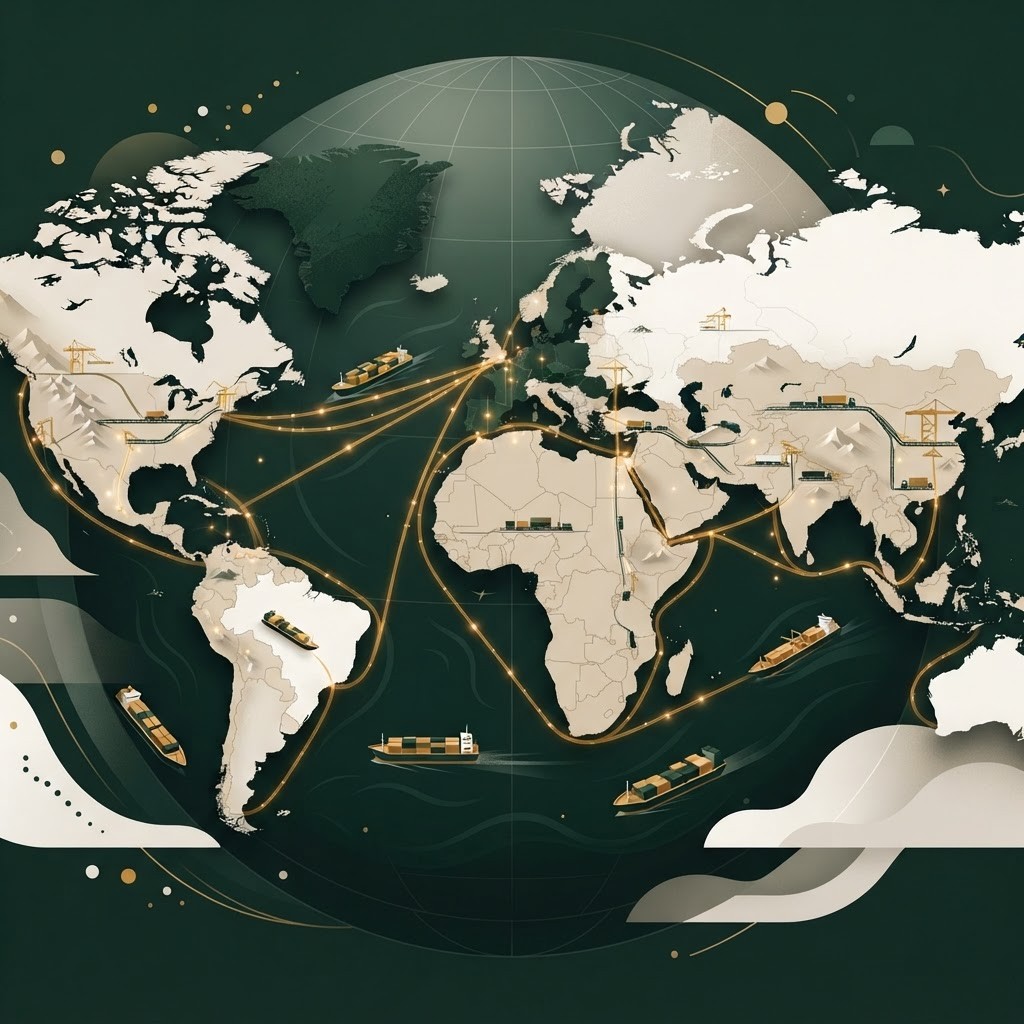
International logistics is the coordinated movement of goods, information, and payments across national borders. It covers everything from the moment a product leaves a factory floor to the moment it arrives at a customer in another country. For any business that wants to sell beyond its home market, understanding this system is essential. It involves transportation, warehousing, customs clearance, documentation, insurance, and careful planning at every stage. When these elements work together smoothly, products reach global buyers on time and in perfect condition. When they do not, businesses face delays, penalties, and unhappy customers.
Pakistani exporters and importers operate in a fast changing global environment. Fuel prices, port congestion, currency movement, and shifting regulations all influence how goods travel. A strong logistics strategy turns these challenges into manageable steps rather than costly surprises.
At Living Solutions Global, we help Pakistani businesses design logistics systems that are reliable, cost aware, and ready for growth. As an Islamabad based consultancy with a dedicated Global Trade and Export division, we guide clients through carrier selection, documentation, and route planning so that goods move efficiently. Our team combines local knowledge with global reach, offering practical export consultancy in Pakistan that keeps your shipments moving. Whether you are shipping your first order abroad or scaling an established operation, we build logistics plans around your real needs. Learn more about our services at Living Solutions Global.
Every international shipment passes through several stages. First comes planning, where you decide the mode of transport, the route, and the timeline. Sea freight is economical for large volumes, air freight is faster for urgent or high value goods, and road freight often handles regional movement to and from ports. Next comes packaging and labeling, which must meet the standards of the destination country. Poorly packed goods are far more likely to be damaged or rejected.
The third stage is documentation. Commercial invoices, packing lists, certificates of origin, and bills of lading must be accurate and complete. A single error can hold a shipment at customs for days. The fourth stage is customs clearance in both the exporting and importing countries. This requires knowledge of tariffs, duties, and compliance rules. The final stage is delivery to the buyer, often through a local distribution network. Strong international trade in Pakistan depends on managing each of these stages without gaps.
Logistics costs can quietly consume profit margins if they are not monitored. Freight charges, insurance, handling fees, storage, and customs duties all add up. Smart businesses track these costs closely and look for ways to consolidate shipments, negotiate better carrier rates, and choose routes that balance speed with affordability. Risk management is equally important. Goods can be lost, damaged, or delayed, and currency shifts can change the value of a deal overnight. Insurance and clear contracts protect against these outcomes.
Technology now plays a major role in reducing risk. Tracking systems allow businesses to follow a shipment in real time, while data tools help forecast demand and avoid overstocking. When you pair these tools with expert guidance, you gain visibility and control over the entire journey. Businesses that also import raw materials benefit from coordinated planning, which is where sound import consultancy becomes valuable.
A well managed logistics operation does more than move boxes. It builds trust with international buyers who expect consistency. It shortens delivery times, which improves cash flow. It reduces waste and lowers the total cost of doing business abroad. Most importantly, it allows a company to enter new markets with confidence, knowing that the physical and administrative journey of its products is under control.
For Pakistani businesses, the opportunity is significant. Global demand for quality goods continues to grow, and buyers value suppliers who deliver reliably. By treating logistics as a strategic function rather than an afterthought, exporters position themselves as dependable partners on the world stage.
The best way to begin is with a clear assessment of your products, your target markets, and your current capabilities. From there you can build a step by step plan that covers transport, documentation, and compliance. You do not need to master every detail on your own. Working with an experienced trade partner lets you focus on your product and your customers while experts handle the moving parts. International logistics may seem complex, but with the right structure and support, it becomes a powerful engine for lasting growth.

Written by the Living Solutions team
Strategy, design, and trade expertise, all under one roof.
Let's discuss how we can turn your vision into sustainable growth and measurable success.