Explore the interior design styles that look most beautiful in Islamabad homes, from modern minimalism and contemporary Islamic design to organic modern and transitional classical. Learn which style suits your house, your climate exposure and your lifestyle.
Islamabad has a rare advantage among Pakistani cities. Its planned sectors, generous plot sizes, mature greenery and dramatic Margalla backdrop mean that very different design styles can all look at home here. A minimal modern villa in DHA, a contemporary Islamic inspired home in Bani Gala, an organic modern apartment in Gulberg and a transitional classical house in F sector can each be genuinely beautiful because the city itself is varied enough to support them.
Choosing a style is therefore less about fashion and more about honesty. The right style for your home depends on the architecture you already have, the light your rooms receive, how your family actually lives and how much maintenance you are realistically willing to accept. Below are the styles that consistently produce the most beautiful results in the capital, along with guidance on who each one suits.
At Living Solutions Global our Islamabad based design division spends every week specifying materials, reviewing samples and supervising site work across the capital, which gives us a very practical understanding of which styles can actually be executed well here and at what cost. We help clients select a direction that suits their architecture, orientation and lifestyle rather than copying an image that will not translate, then we document it properly through concept boards, material schedules, joinery drawings and lighting layouts. Our interior design in Pakistan service covers homes and apartments, our commercial interior design team applies the same discipline to offices, clinics, salons and hospitality spaces, and our fit out services deliver the execution with supervised trades so the finished space matches the drawings. Clients who prefer a woman to lead design consultations and site visits can work with our female interior designer in Islamabad.
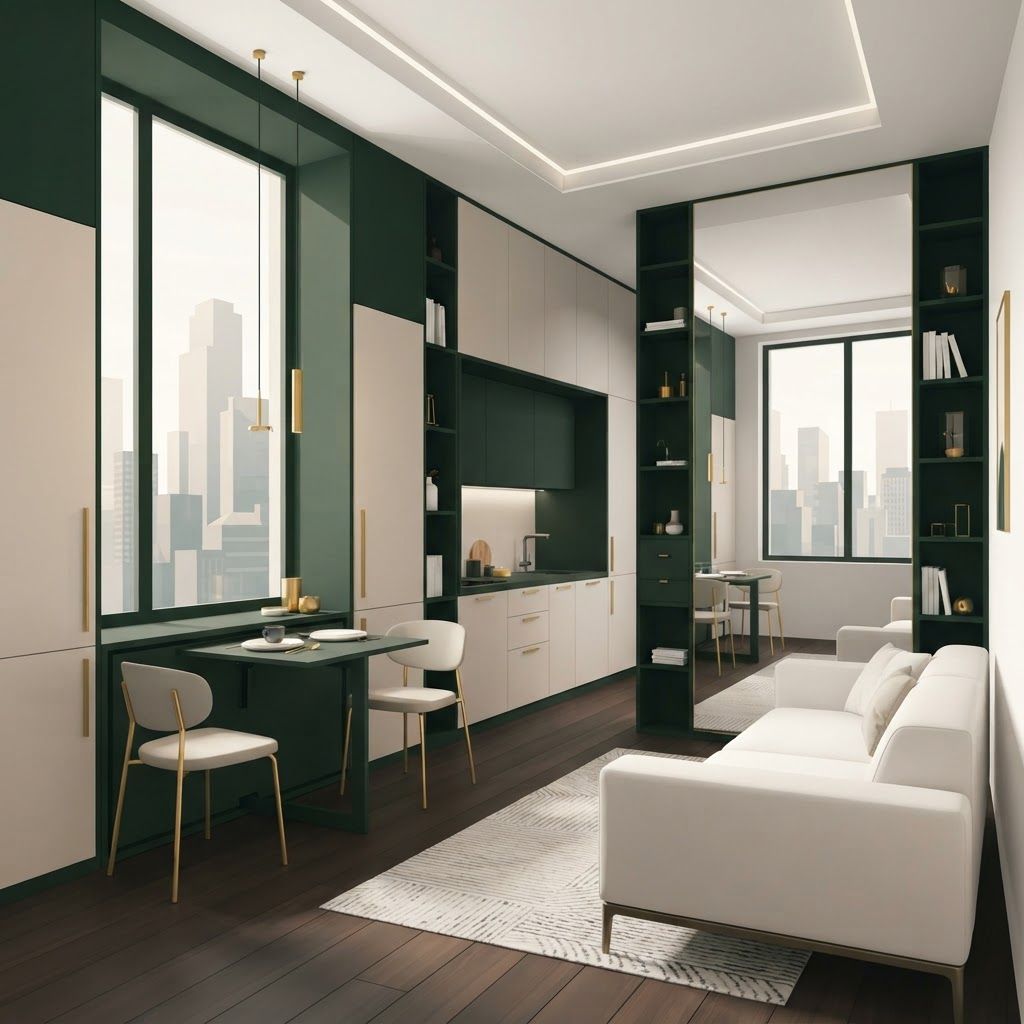
Modern minimalism remains the most popular contemporary direction in the capital, and when it is done properly it is stunning. The style relies on clean planes, concealed storage, restrained colour and impeccable execution. Flush joinery without visible handles, shadow gap details instead of skirting, large format flooring with minimal grout lines and a palette of warm white, soft grey and pale timber define the look.
Minimalism suits modern flat roof villas and new apartments with good natural light. It demands two things from the household. First, genuine discipline about clutter, because there is nowhere to hide it. Second, a higher standard of workmanship, since minimal detailing exposes every imperfection in a wall or a cabinet line. Warm it with texture through a wool rug, a linen sofa and a timber ceiling detail, otherwise it can feel clinical.
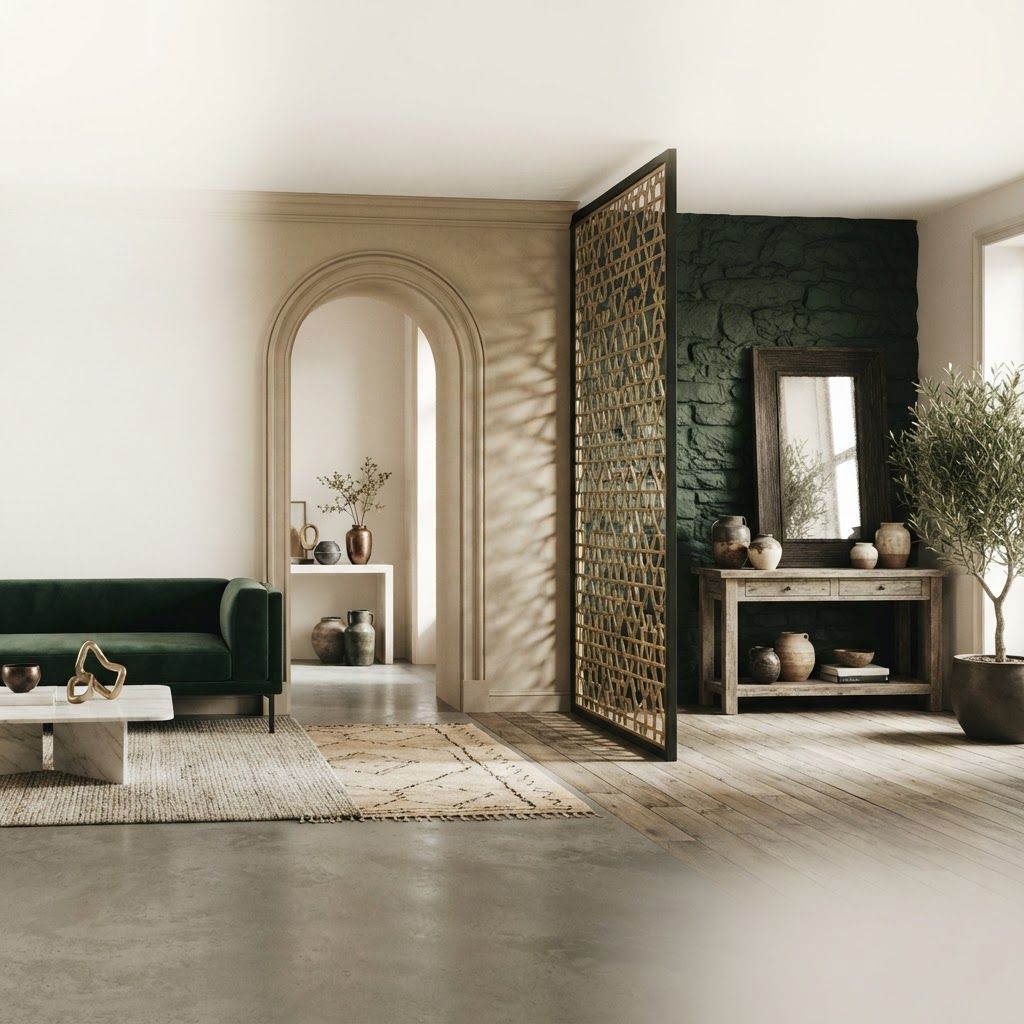
This is, in our view, the most exciting direction in Islamabad today, and the most rewarding. It takes the geometry, craftsmanship and spatial ideas of regional architecture and expresses them in a modern way. Simplified jali screens in wood or metal, arched niches and doorways, geometric floor inlays, carved detail used sparingly as a focal point, calligraphy as contemporary art and courtyards or light wells that bring the sky inside.
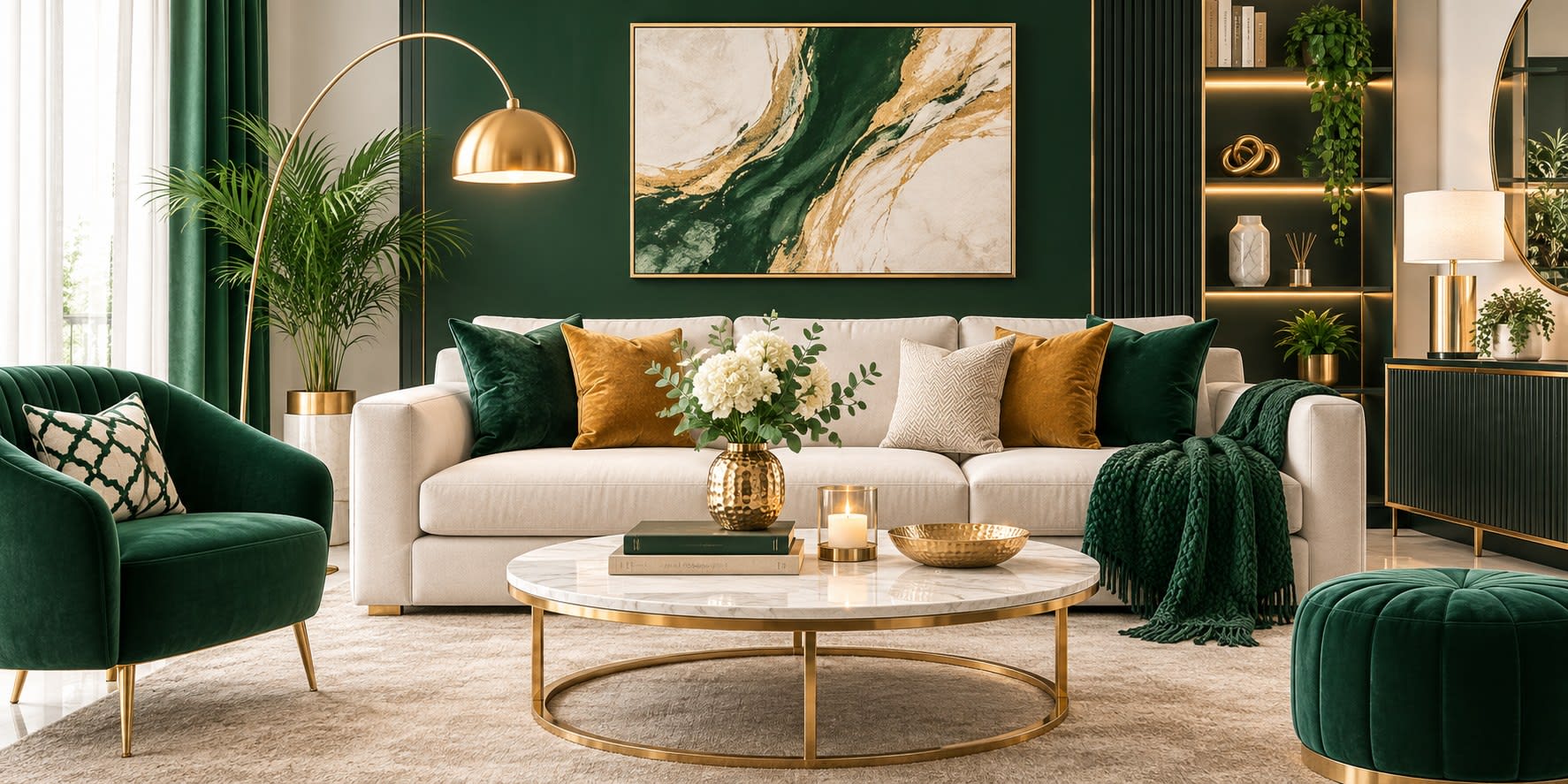
Paired with clean modern furniture and a restrained palette of ivory, sand, deep green and brass, the result is sophisticated and unmistakably rooted in Pakistan. The style suits both large villas and modest homes, and it has an important practical advantage. It relies on local craft, so the pieces are available, affordable and repairable, and the money spent supports domestic artisans rather than importers.
Organic modern has become the most requested style among younger homeowners in the capital, and it fits the Islamabad landscape perfectly. The palette is warm and earthy with olive and forest greens, clay, oat, mushroom and charcoal. Materials are natural and tactile, including travertine and limestone look surfaces, solid timber, cane and rattan, unlacquered brass, handmade ceramics and jute or wool rugs. Furniture forms are soft and rounded rather than sharp.
The style is forgiving, which is part of its beauty. Textured matt finishes hide dust, natural materials improve with age, and the warm palette flatters both bright summer light and grey winter mornings. It works especially well in homes with garden views, in Gulberg Greens and Park View City style settings, and in apartments where warmth is needed to counter a compact footprint.
Many Islamabad houses were built with classical architectural intent, including stone facades, columns, arched openings and formal proportions. Fighting that architecture with strict minimalism rarely succeeds. Transitional classical is the intelligent answer. It keeps the architectural language, meaning panelled walls, cornices used with restraint, tall skirtings and symmetrical layouts, but pairs it with contemporary furniture, simpler colour schemes and modern lighting.
The key to beauty here is editing. Traditional interiors in the capital have often suffered from too much at once, with heavy curtains, ornate ceilings, gilded furniture and patterned floors competing in one room. Choose two or three classical elements, execute them precisely, and let the rest of the space stay calm. A panelled feature wall painted in a single deep tone with a modern sculptural pendant above a simple dining table is far more elegant than a room full of ornament.
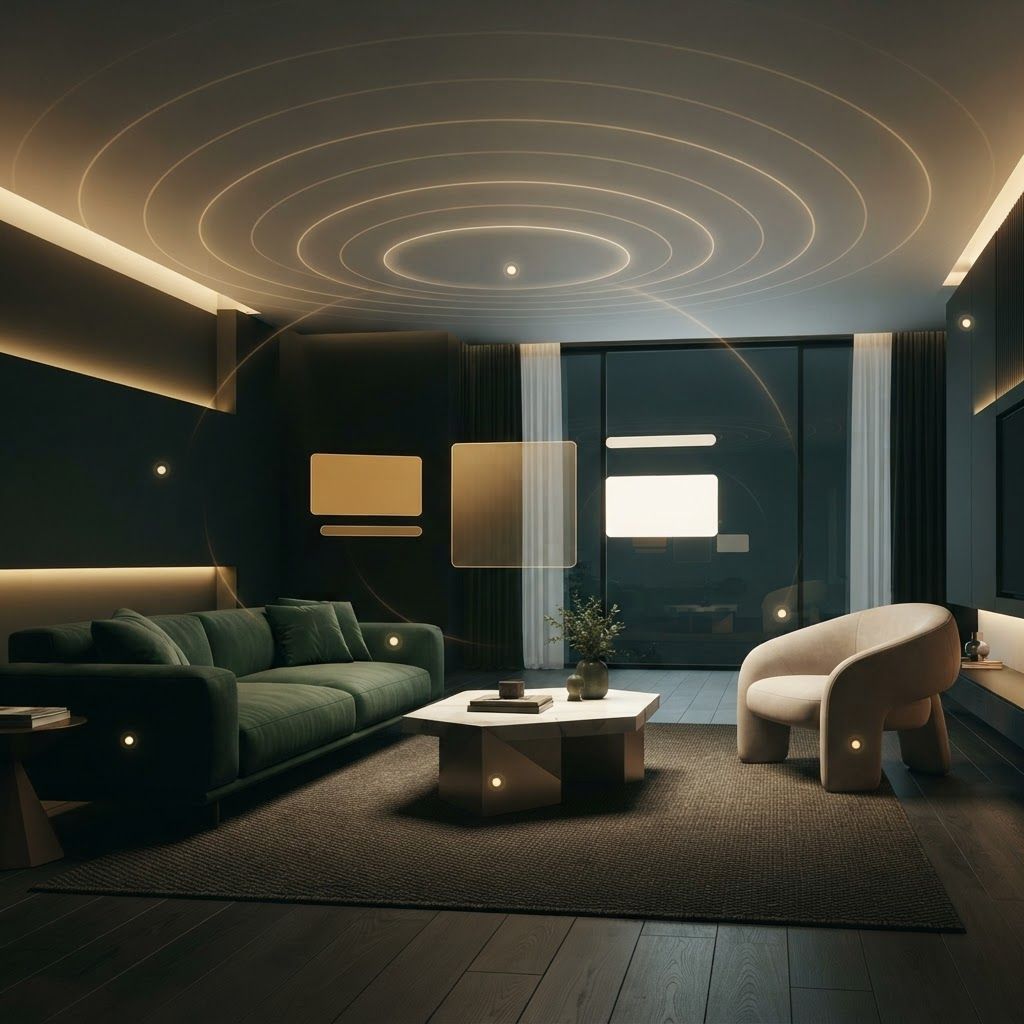
A smaller but growing style in Islamabad, particularly in apartments, studios and creative offices, is a softened industrial look. Micro cement or polished concrete effect surfaces, black metal framed glazed partitions, exposed pipework treated as a design feature, and reclaimed timber combined with leather and wool.
Pure industrial design can feel cold in a residential setting, so the successful version here is warm industrial, where hard surfaces are balanced with generous textiles, plenty of planting and warm layered lighting. It suits duplex apartments, converted spaces and homes with high ceilings, and it is particularly popular for home offices and studio areas.
Rounded plaster walls, arched openings, curved niches, textured lime wash finishes, terracotta floors and a palette of chalk white, sand and olive give this style a soft handmade quality that photographs beautifully. It is increasingly seen in Islamabad farmhouses and garden homes because the earthy materials sit naturally in a landscaped setting.
The style has a practical benefit in the local climate. Thick textured plaster and terracotta handle heat and dust gracefully, and imperfection is part of the aesthetic rather than a defect, which makes maintenance far less stressful than a high gloss finish.
The blend of Japanese restraint and Scandinavian warmth appeals strongly to Islamabad professionals who want calm at home after busy days. Low profile furniture, pale and mid tone timbers, paper like light diffusers, natural fibre textiles, deliberate empty space and a very tight material palette characterise the style.
It is ideal for compact apartments and for homeowners who genuinely prefer few possessions. Like minimalism, it depends on discipline and precise workmanship, but it is warmer and more forgiving because of its emphasis on natural texture.
Start with the architecture. If your house has arches, columns and classical proportions, work with them through a transitional approach rather than against them. If it is a flat roof modern structure with large glazing, minimalism, organic modern or contemporary Islamic design will all sit comfortably.
Next consider light and orientation. Rooms with strong western exposure benefit from deeper earthy tones that absorb glare, while north facing rooms need warmer palettes to avoid feeling cold. Then consider lifestyle honestly. Households with young children, frequent guests and daily heavy cooking should lean towards forgiving textured materials rather than pale minimal surfaces. Finally, consider maintenance appetite. Every style can be beautiful, but only the one that matches how you actually live will still look beautiful in three years.
Across all these styles, the most beautiful homes in the capital share the same fundamentals. The layout supports daily life without friction. Natural light is used generously and the view outside is treated as part of the interior. Artificial lighting is layered, warm and dimmable rather than a flat grid of downlights. Materials are chosen for the local climate. Storage is abundant and concealed. Furniture is scaled correctly to the room. And there is at least one element of genuine local craft that gives the home a sense of place.
Style is the vocabulary, but these fundamentals are the grammar. Get them right and almost any direction will look beautiful. Get them wrong and no amount of expensive material will rescue the room. If you would like help identifying the style that suits your home and then executing it to a high standard, our Islamabad based team can guide you from first concept through to final handover.

Written by the Living Solutions team
Strategy, design, and trade expertise, all under one roof.
Let's discuss how we can turn your vision into sustainable growth and measurable success.