Interior design in Pakistan is moving towards warm minimalism, natural materials, arched forms and multifunctional living spaces. This guide reviews the trends shaping homes and offices in Islamabad and beyond. It also explains which trends are worth investing in and which are best kept temporary.
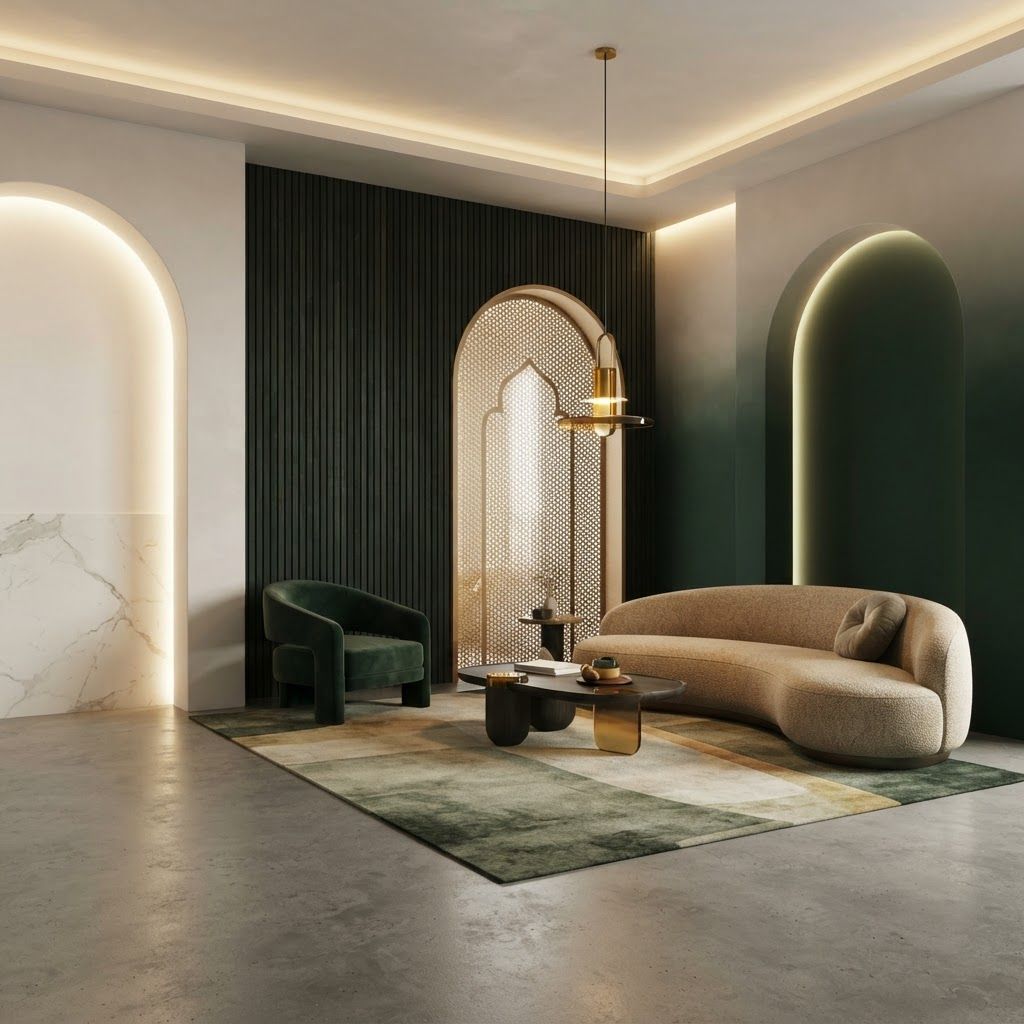
Design in Pakistan has changed noticeably over the last few years. The heavy formal drawing room reserved for guests and used twice a year is giving way to spaces families actually live in. Ornate imported furniture is being replaced by cleaner forms and locally crafted pieces. Colour has warmed. Lighting has become intentional. Behind all of it sits a practical shift, which is that people now expect their homes to work as hard as they look good. Here are the directions we see most clearly in Islamabad, Rawalpindi, Lahore and Karachi.
At Living Solutions Global our Interior Design and Fit Out division follows trends selectively rather than slavishly. We adopt what improves comfort, durability and function in Pakistani conditions and we quietly ignore what will look dated within two years. Our team translates current thinking into schemes suited to local climate, local material availability and local family life. Whether you are refreshing a single room or planning a complete transformation, our interior design in Pakistan practice will help you invest in the ideas that last.
The stark white minimalism that dominated a decade ago never suited Pakistani homes particularly well. It showed dust, felt clinical and ignored the country's rich craft traditions. What has replaced it is warm minimalism, which keeps the calm and the clean lines but introduces earth tones, textured plaster, natural timber and layered fabric.
In practice this means fewer objects but better ones, a restrained palette of two or three tones, and texture doing the work that pattern used to do. It photographs beautifully and, more importantly, it is easy to live with because nothing competes for attention.
Arches have returned decisively, and in Pakistan they carry an additional advantage because they echo a long regional architectural tradition. We are seeing arched doorways, arched niches carved into feature walls, curved headboards, rounded mirrors and softened furniture profiles.
Used with restraint the effect is elegant. Used everywhere it becomes theatrical. Our advice is to pick one or two locations where an arch genuinely improves the composition, typically an entry threshold or a display niche, and leave the rest of the space rectilinear.
Vertical fluted panelling has become one of the most requested finishes in the country and there are good reasons for it. It adds depth and shadow without colour, it hides minor wall imperfections, it improves acoustics slightly and it works equally well in a bedroom, a lounge or a reception area.
Quality matters enormously here. Well made panelling in properly finished timber or veneer ages gracefully. Cheap versions warp, separate at the joints and yellow. This is a case where paying for craftsmanship is not vanity but economy.
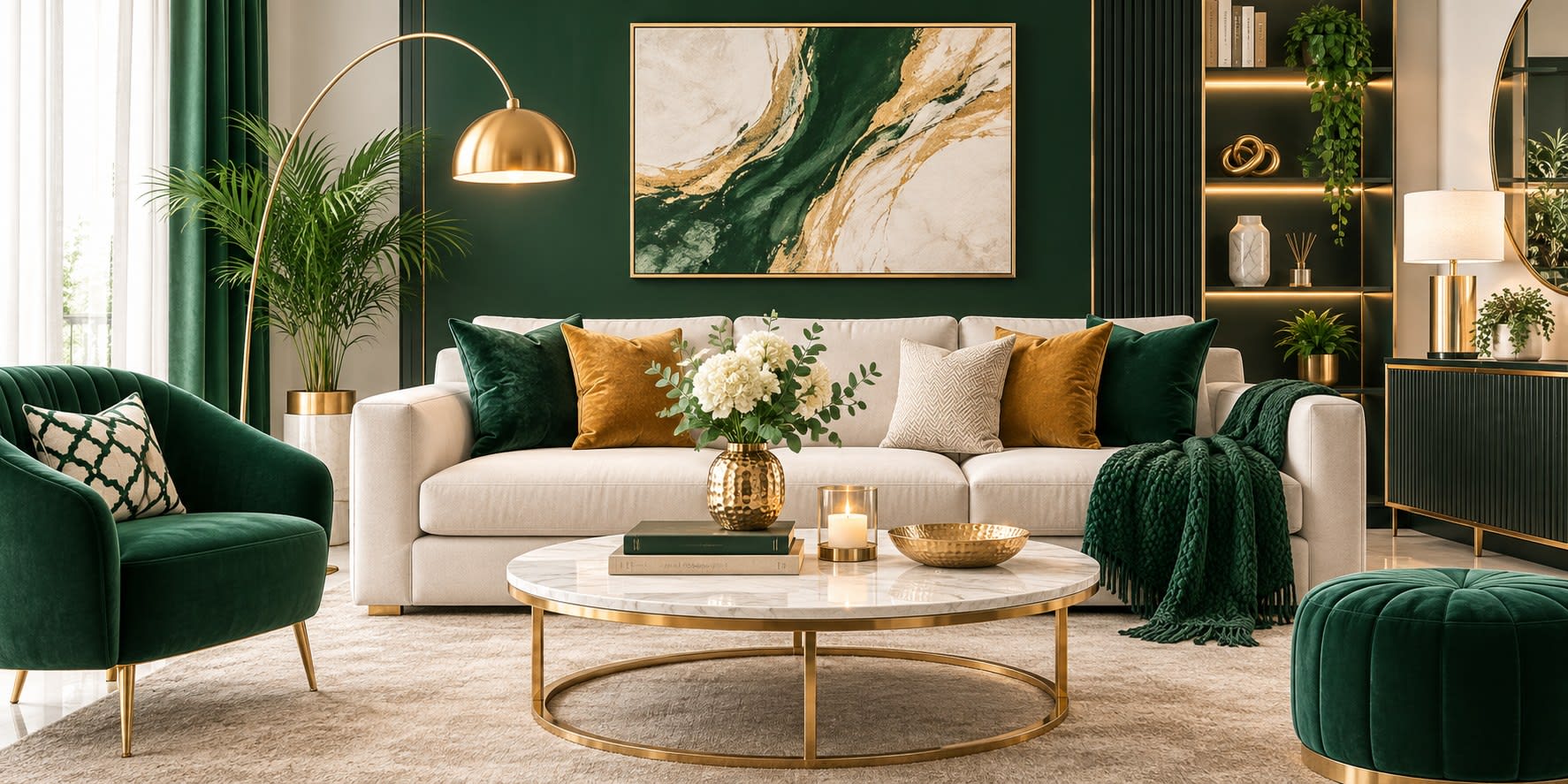
Colour has moved away from grey towards nature. Deep forest greens, olive, terracotta, clay, sand and warm off whites are dominating current schemes. These tones flatter the strong natural light we receive for most of the year and they disguise dust far better than pale grey.
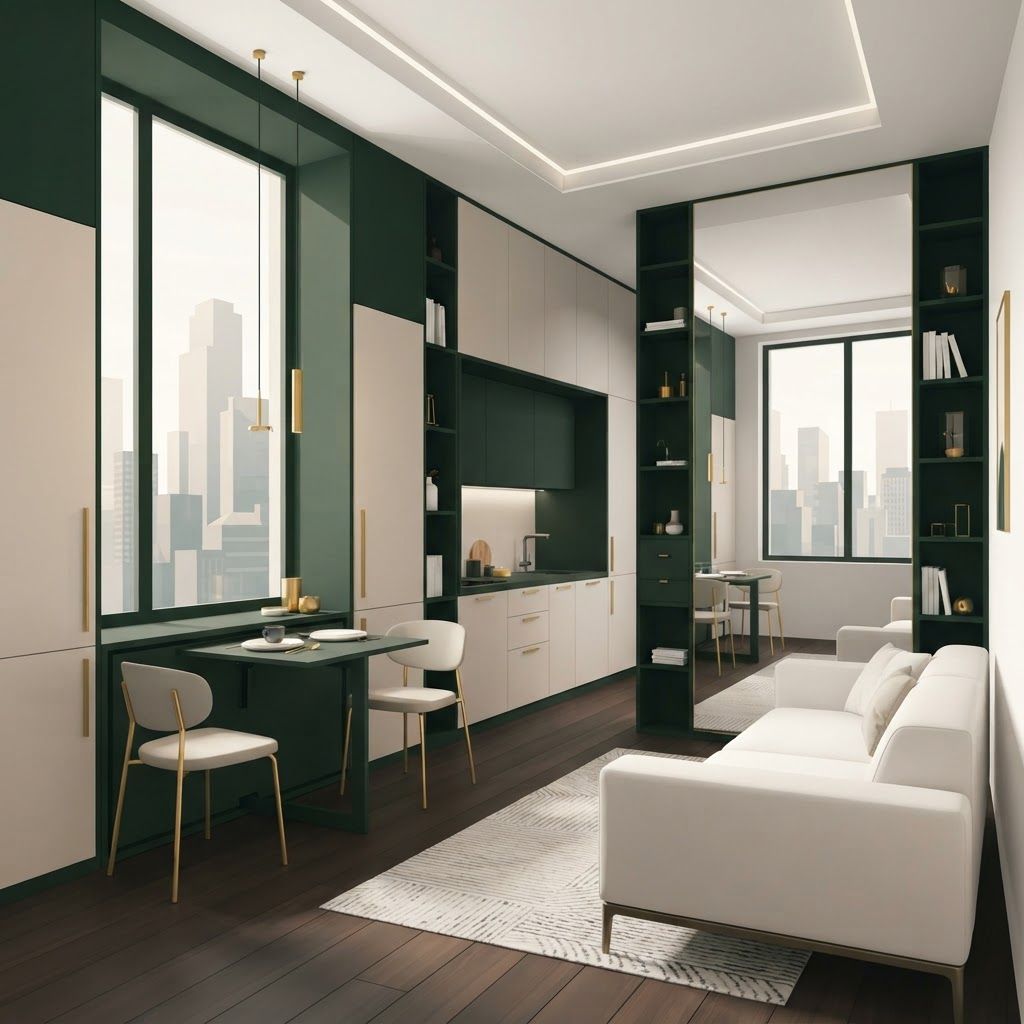
The most successful application we see is a rich colour on cabinetry or a single wall, balanced by warm neutral surroundings and brass or antique gold metal accents. It reads as considered rather than fashionable.
The pandemic permanently changed how Pakistani families use their homes and the effect has not reversed. Working from home is now normal for a large share of professionals, which means every home needs at least one space that supports focused work.
The trend is towards flexibility rather than dedicated rooms. Guest bedrooms that double as studies. Dining tables sized for both meals and laptops. Sliding or pocket partitions that let a large living space become two smaller ones. Built in desks tucked into bedroom joinery. In apartments especially, furniture that serves two purposes is now a requirement rather than a clever idea. This thinking sits at the heart of our residential interior design projects.
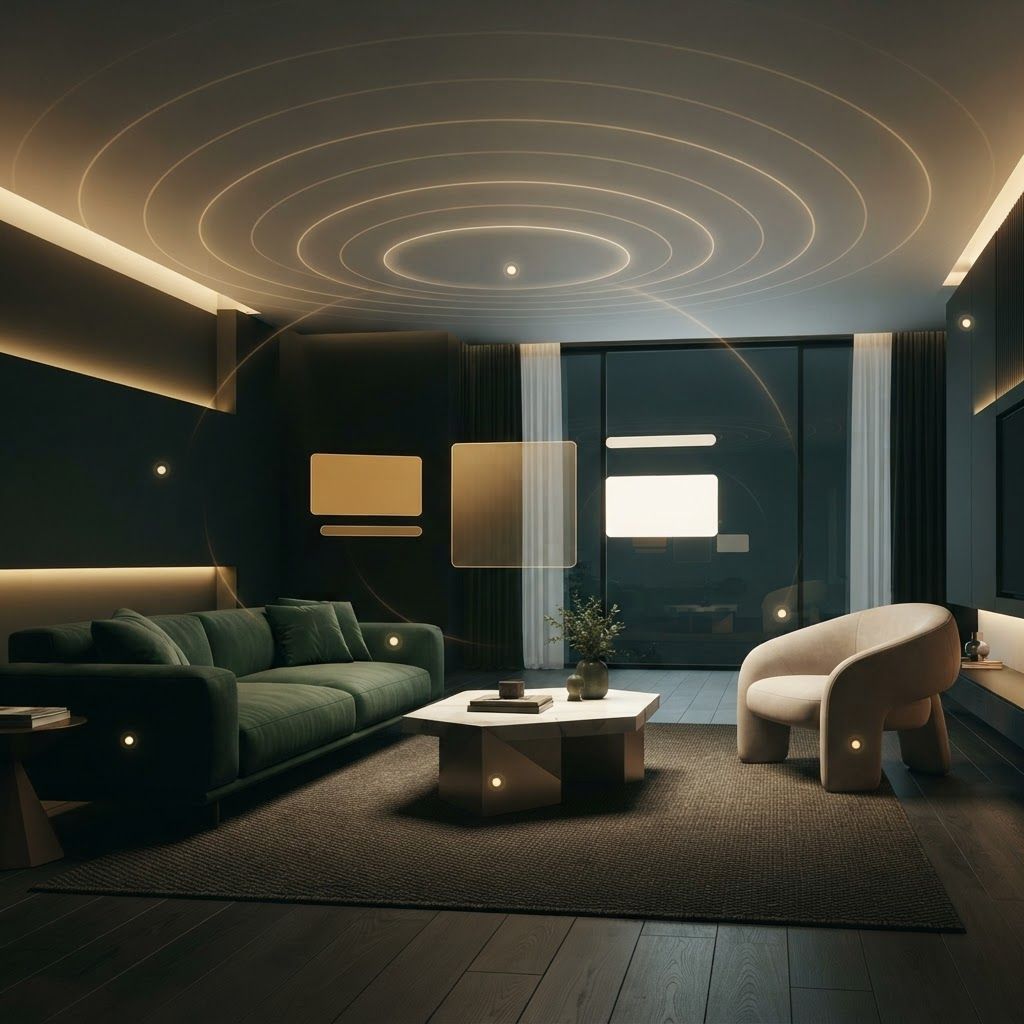
Lighting is where the gap between an ordinary interior and an excellent one is most visible. The single central ceiling light is finally losing ground to layered schemes combining recessed downlights, concealed cove lighting, wall washers, pendant fixtures over specific zones and portable lamps for atmosphere.
Dimming and colour temperature control have moved from luxury to expectation. The same living room can be bright and practical during the day and warm and restful at night, which is a genuine improvement in quality of life rather than a styling flourish.
Open plan kitchens continue to gain popularity, particularly with younger families, but Pakistani cooking presents a real challenge in terms of smoke, oil and aroma. The intelligent response we are implementing more often is a two part kitchen, with a presentable open cooking and serving area supported by a separate enclosed utility or wet kitchen for heavy work and washing.
This arrangement delivers the sociability of an open kitchen without surrendering practicality, and it protects the finishes in the main space.
There is a welcome resurgence of interest in Pakistani craft. Locally made solid wood furniture, hand woven textiles, block printed fabrics, brass work, marble from domestic quarries and traditional lattice patterns reinterpreted in contemporary forms are appearing in sophisticated schemes.
Beyond aesthetics, this shift makes commercial sense. Local sourcing avoids import duty and currency exposure, shortens lead times and makes replacement or repair straightforward years later.
Commercial design is following a parallel path. Offices are moving away from dense uniform workstation grids towards varied settings, with focus rooms, informal collaboration areas, phone booths and genuinely comfortable break spaces. Biophilic elements such as planting and natural material palettes are now standard rather than experimental. Branding is being expressed through material, form and colour instead of oversized logos on walls.
Retail and hospitality clients are prioritising memorable, photograph friendly moments because social media exposure has become a functional part of the business plan. We build these considerations into our commercial interior design scope from the concept stage.
Here is the practical filter we apply. Invest in trends that improve function permanently, such as layered lighting, flexible layouts, quality joinery and better storage. These will still serve you in ten years.
Treat purely visual trends as temporary and execute them in changeable materials. Paint, textiles, cushions, artwork and accessories can all follow fashion safely because updating them costs little.
Be cautious about anything highly distinctive in stone, tile or fixed cabinetry. A bold permanent statement that defines a particular year will date the whole room with it.
The strongest interiors we deliver are not the most fashionable ones, they are the ones that feel personal, function effortlessly and use good materials honestly. Trends are a useful vocabulary, not a script. If you would like a scheme that feels current today and still feels right a decade from now, speak to our team and we will help you choose carefully.

Written by the Living Solutions team
Strategy, design, and trade expertise, all under one roof.
Let's discuss how we can turn your vision into sustainable growth and measurable success.