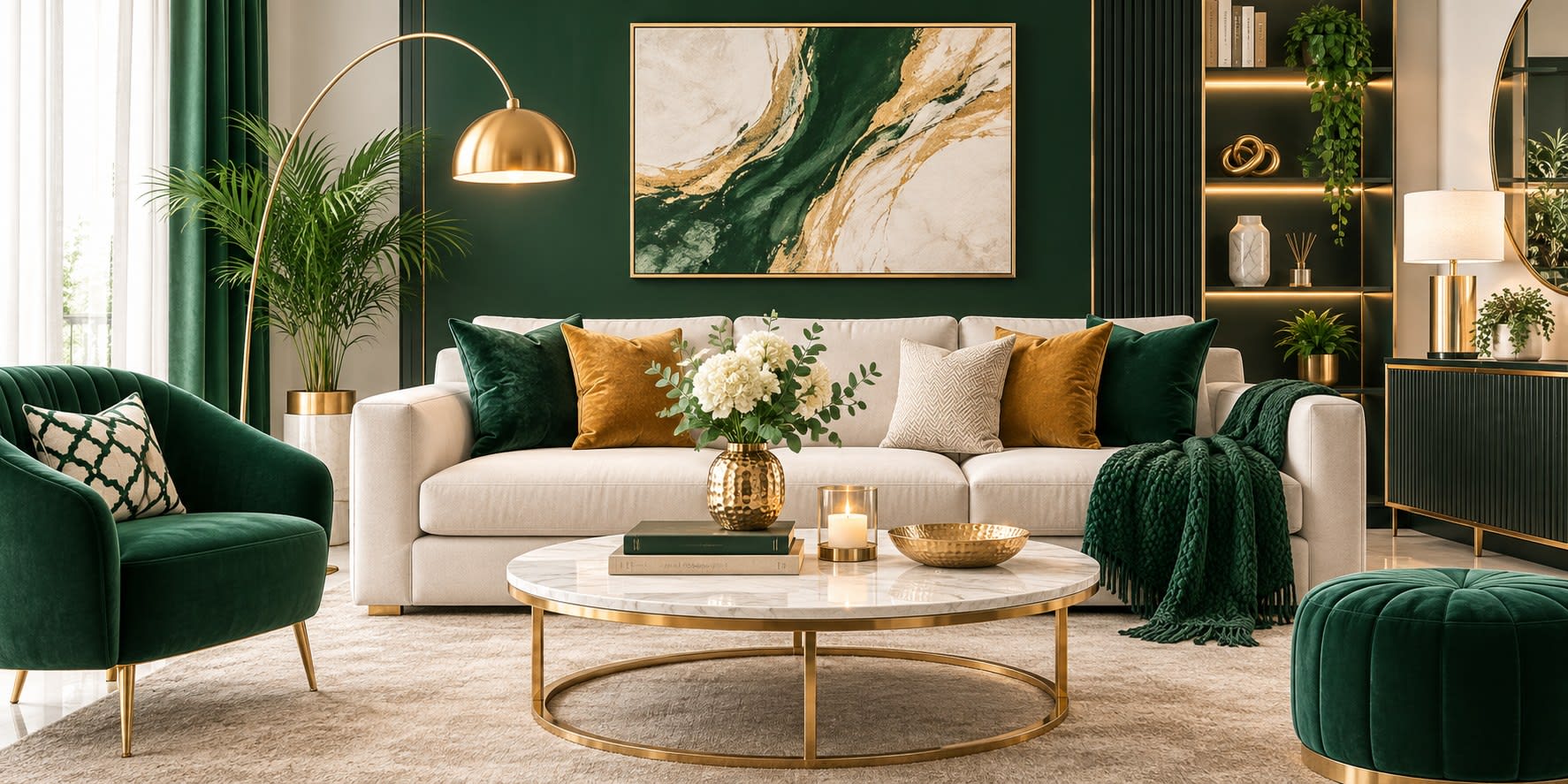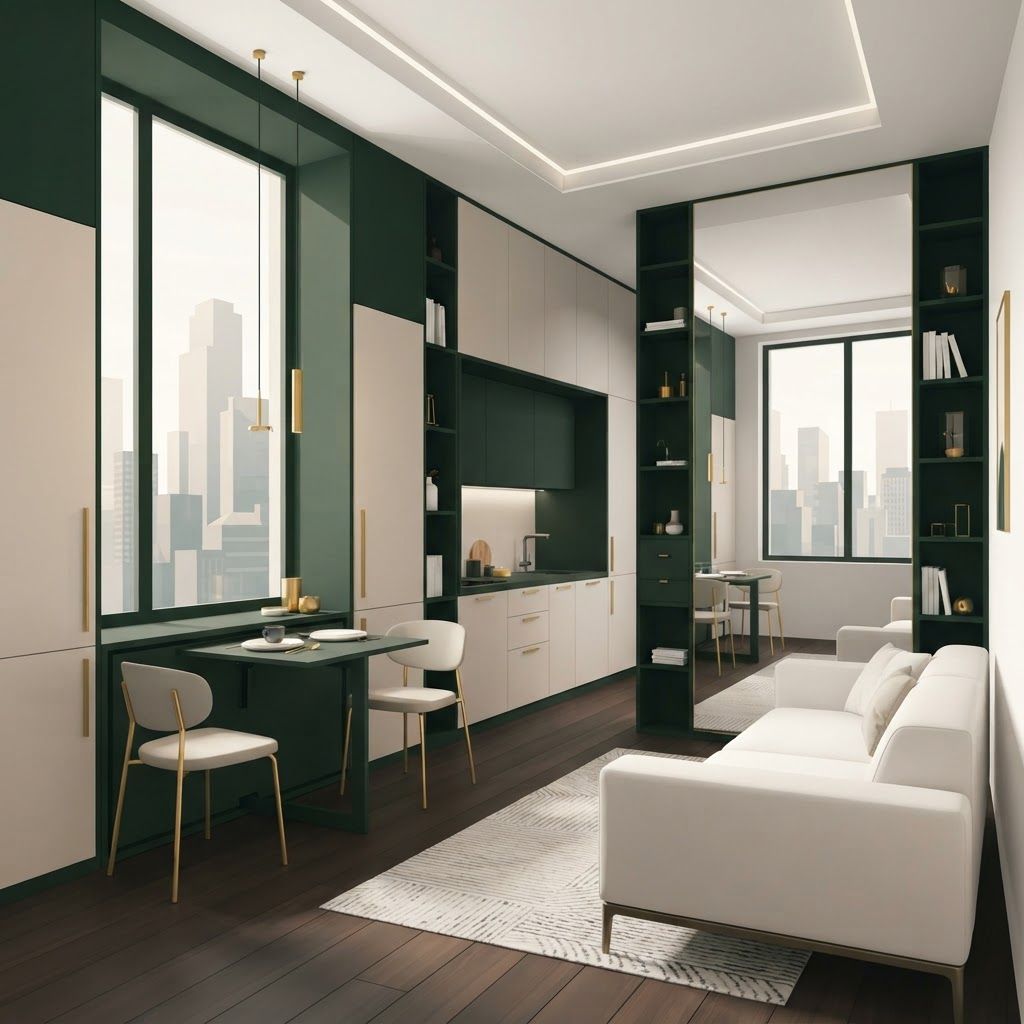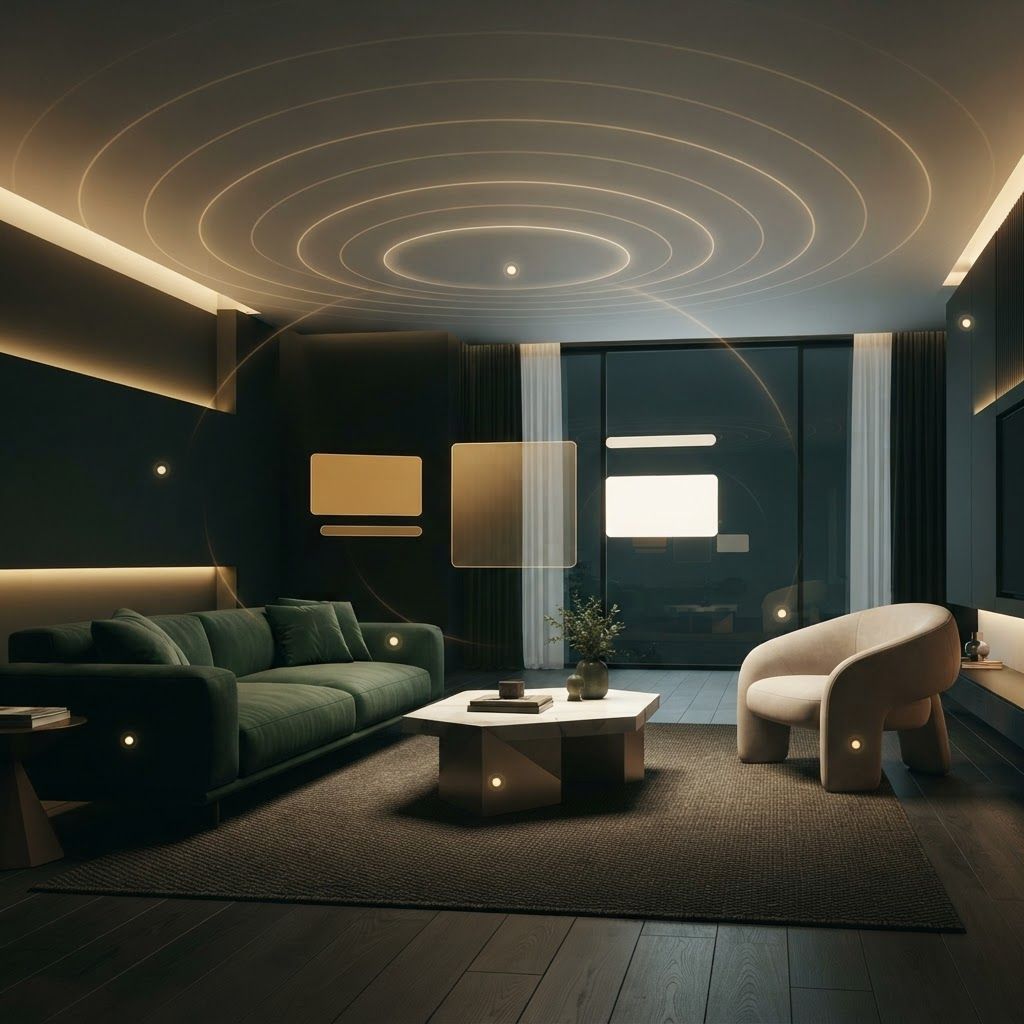
Lighting shapes atmosphere, function and beauty in every interior. This guide explains layered lighting, colour temperature and practical techniques for homes and offices.
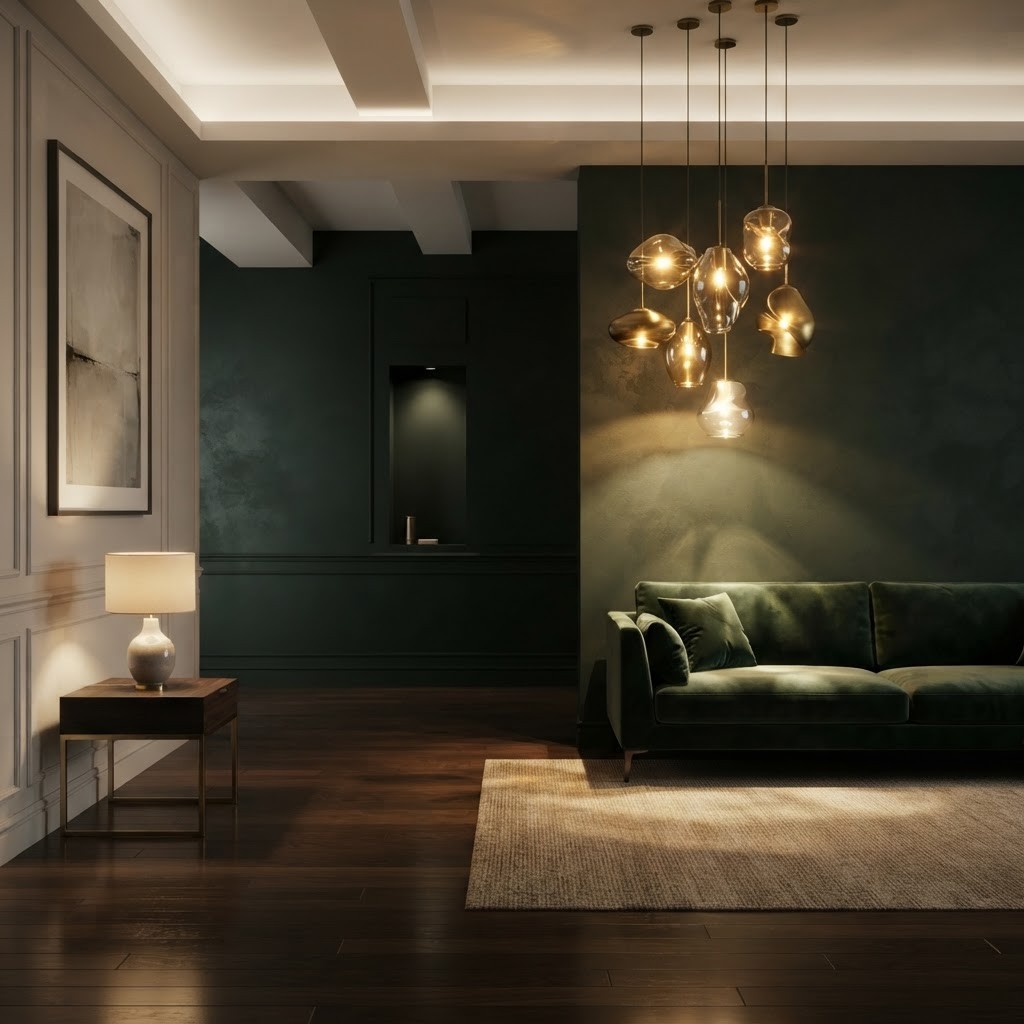
Lighting is the invisible architecture of every great interior. It shapes atmosphere, guides movement, highlights beauty and determines whether a space feels warm and inviting or flat and lifeless. Even the most carefully chosen materials and furnishings can fall short under poor lighting, while thoughtful illumination can transform an ordinary room into something remarkable. A considered lighting design is therefore one of the most valuable investments in any interior project.
At Living Solutions Global lighting is central to our interior design in Pakistan process. We plan illumination from the earliest stages, coordinating fixtures, circuits and controls with layout, materials and daily routines. The result is lighting that flatters the space, supports the tasks performed within it and creates the exact mood our clients want, whether that is a serene home or an energised workplace.
Successful lighting design relies on three complementary layers. Ambient lighting provides overall illumination and sets the base mood. Task lighting delivers focused brightness where activities take place, such as reading, cooking or working. Accent lighting adds drama and depth, highlighting artwork, textures and architectural features. Combining all three layers gives a room flexibility, allowing it to shift from bright and functional to soft and atmospheric with ease.
The warmth or coolness of light dramatically affects how a space feels. Warm light creates a cosy, relaxed atmosphere ideal for living rooms, bedrooms and hospitality settings. Cooler light feels crisp and alert, supporting concentration in kitchens, bathrooms and work areas. Balancing colour temperature across a space ensures consistency and comfort, while dimmable and tunable fixtures allow the same room to adapt to different times of day and activities.
In residential interiors, lighting should respond to the rhythm of daily life. Layered schemes let a living room feel bright for family time and soft for relaxing in the evening. Bedside and reading lights offer focused control, while gentle accent lighting adds warmth to hallways and staircases. Dimmers are invaluable, giving homeowners the freedom to fine tune ambience. Our residential interior design team designs lighting that makes every room feel considered and comfortable.
In offices and commercial spaces, lighting influences productivity, comfort and wellbeing. Even, glare free illumination reduces eye strain and fatigue, while task lighting supports focused work. Accent and feature lighting can reinforce brand identity in reception and meeting areas. Access to natural daylight, supported by well balanced artificial lighting, keeps occupants alert and satisfied. Our commercial interior design approach treats lighting as a key driver of workplace performance.
Daylight is the most valuable lighting resource in any interior. Maximising it through open layouts, reflective surfaces and considered window treatments improves mood and reduces energy use. Where daylight is limited, artificial lighting should mimic its qualities, providing balanced brightness and pleasant colour. Managing glare and harsh contrast is equally important, ensuring that natural light enhances rather than disrupts comfort.
Beyond their function, light fixtures are powerful decorative elements. A sculptural pendant can anchor a dining area, elegant wall lights can add rhythm to a corridor, and discreet recessed fittings can keep ceilings clean and uncluttered. Choosing fixtures that complement the overall style, scale and materials of a room ensures they contribute to the design story rather than distracting from it.
Modern lighting design embraces smart controls and energy efficiency. Dimmers, zoning, sensors and programmable scenes give occupants precise control while reducing consumption. Energy efficient sources deliver excellent light quality with lower running costs and longer lifespans. Planning controls early, alongside fixtures and circuits, ensures a seamless, future ready system that is easy to use every day.
The most successful lighting schemes give occupants the ability to adapt a space to different moments. A single bright ceiling light offers little flexibility, but combining several independently controlled sources allows a room to transform throughout the day. Morning routines may call for bright, energising light, while evenings benefit from soft, warm pools of illumination. Separating circuits, adding dimmers and using a mix of fixtures gives users complete control over mood and function. This flexibility is what makes a lighting scheme feel truly considered and responsive to real life.
Many interiors suffer from avoidable lighting errors. Relying on a single central fixture flattens a room and creates harsh shadows, while poorly positioned task lighting can leave work surfaces dim or cast unwanted glare. Choosing the wrong colour temperature can make finishes look unappealing, and forgetting to plan for dimming limits atmosphere. Overlooking lighting until late in a project often leads to compromises and additional cost. Planning illumination early, as an integral part of the design, ensures these mistakes are avoided and the space performs beautifully.
Great lighting is felt more than it is seen. By layering ambient, task and accent light, balancing colour temperature and celebrating natural daylight, we create interiors that feel alive and effortless. Whether you are designing a home or a workplace in Islamabad, our team is ready to craft a lighting scheme that brings your space to life.

Written by the Living Solutions team
Strategy, design, and trade expertise, all under one roof.
Let's discuss how we can turn your vision into sustainable growth and measurable success.