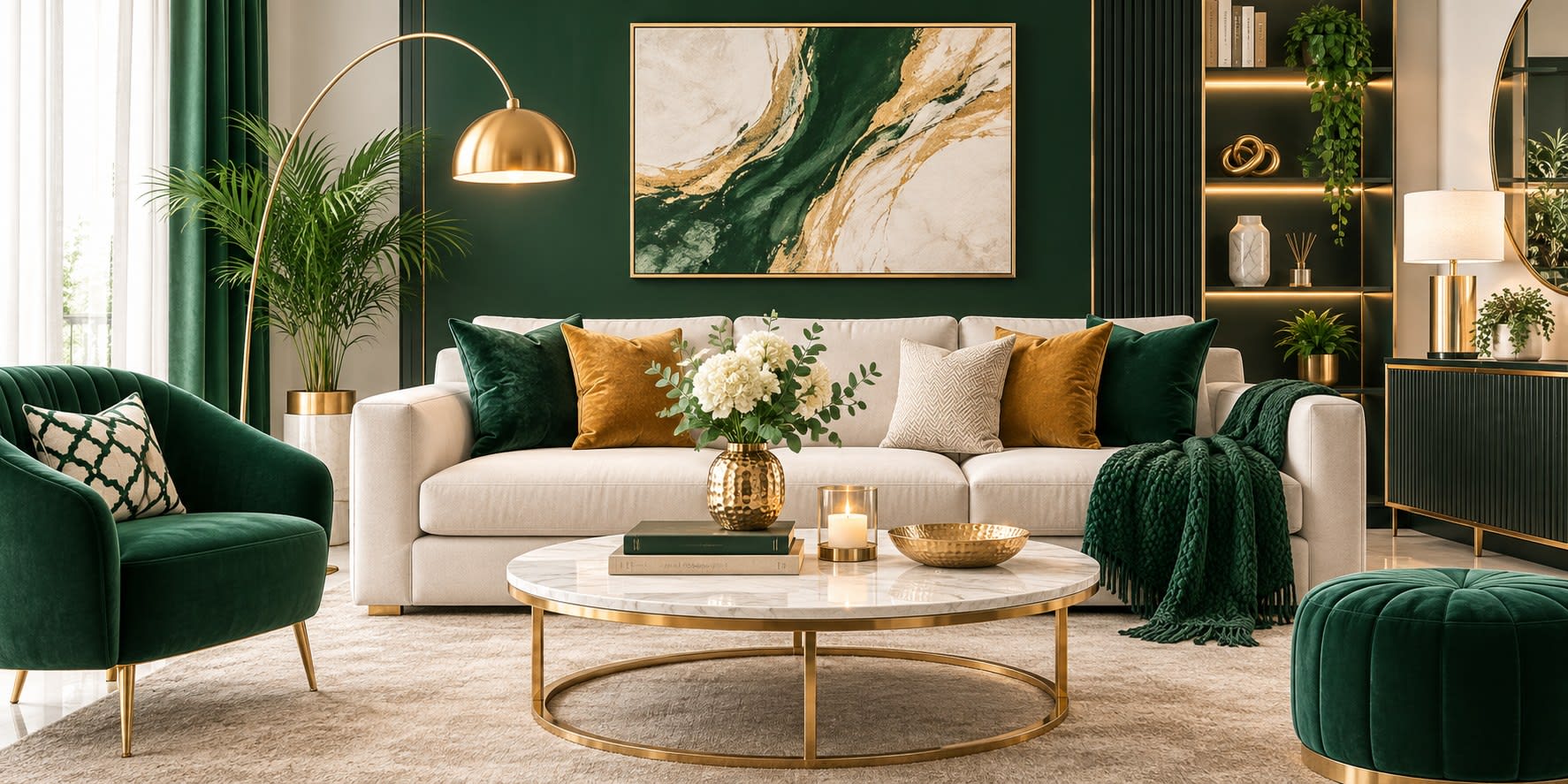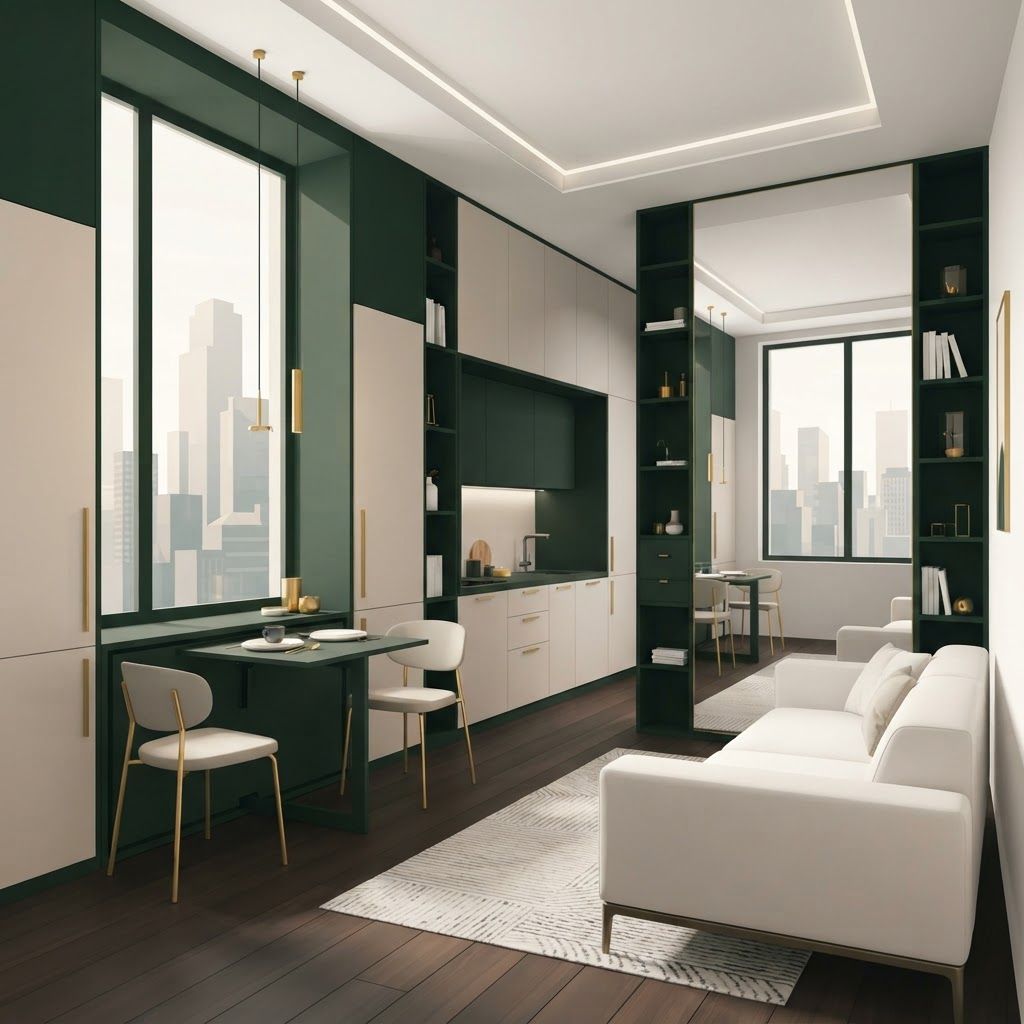
A complete guide to luxury home lighting, from layering ambient, task and accent light to choosing colour temperature, concealed detailing, controls and backup planning for Pakistani homes.
Ask any interior designer which single element separates an expensive looking home from an ordinary one, and the answer will be lighting. You can furnish a room with imported furniture and cover the walls in marble, and one badly placed ceiling fixture will flatten all of it. Conversely, a modestly furnished room with a properly layered lighting scheme will feel considered, warm and expensive. Lighting is also the element most commonly left until it is too late. In Pakistan the sequence on most sites is that electrical conduit goes in before the interiors are designed, so light positions are decided by an electrician working from a rough plan rather than by anyone thinking about where a sofa, a painting or a dining table will eventually sit. The result is symmetrical grids of downlights in the middle of rooms, glare in the eyes, shadows on worktops and no ability to change the mood. Getting lighting right requires only two things: planning it early, and understanding that a room needs several different kinds of light, not more of one kind.
Lighting design is a discipline in its own right, and we treat it that way at Living Solutions Global. Our interior design in Pakistan team produces reflected ceiling plans, circuit and switching diagrams, fitting schedules and lux calculations for each room, coordinated with the furniture layout so every fitting has a purpose. Our fit out services team then installs cove details, plaster shadow gaps, track systems and control wiring correctly, and commissions the scenes with you on site so the house arrives ready to use rather than needing adjustment for months. For hotels, offices, showrooms and restaurants, our commercial interior design team applies the same rigour, where lighting directly affects how long customers stay and how products are perceived. Involving us before conduit is laid saves considerable rework.
Every professional lighting scheme is built from three layers that work together. Ambient light provides the general level that lets you move safely and see the shape of the room. Task light delivers focused illumination where you read, cook, work or apply makeup. Accent light creates drama by picking out artwork, texture, planting and architectural features. A room with only ambient light feels institutional. A room with only accent light feels like a museum after hours. The magic is in combining all three and being able to change the balance between them, so the same living room can be bright and practical on a winter afternoon and low and intimate at eleven at night.
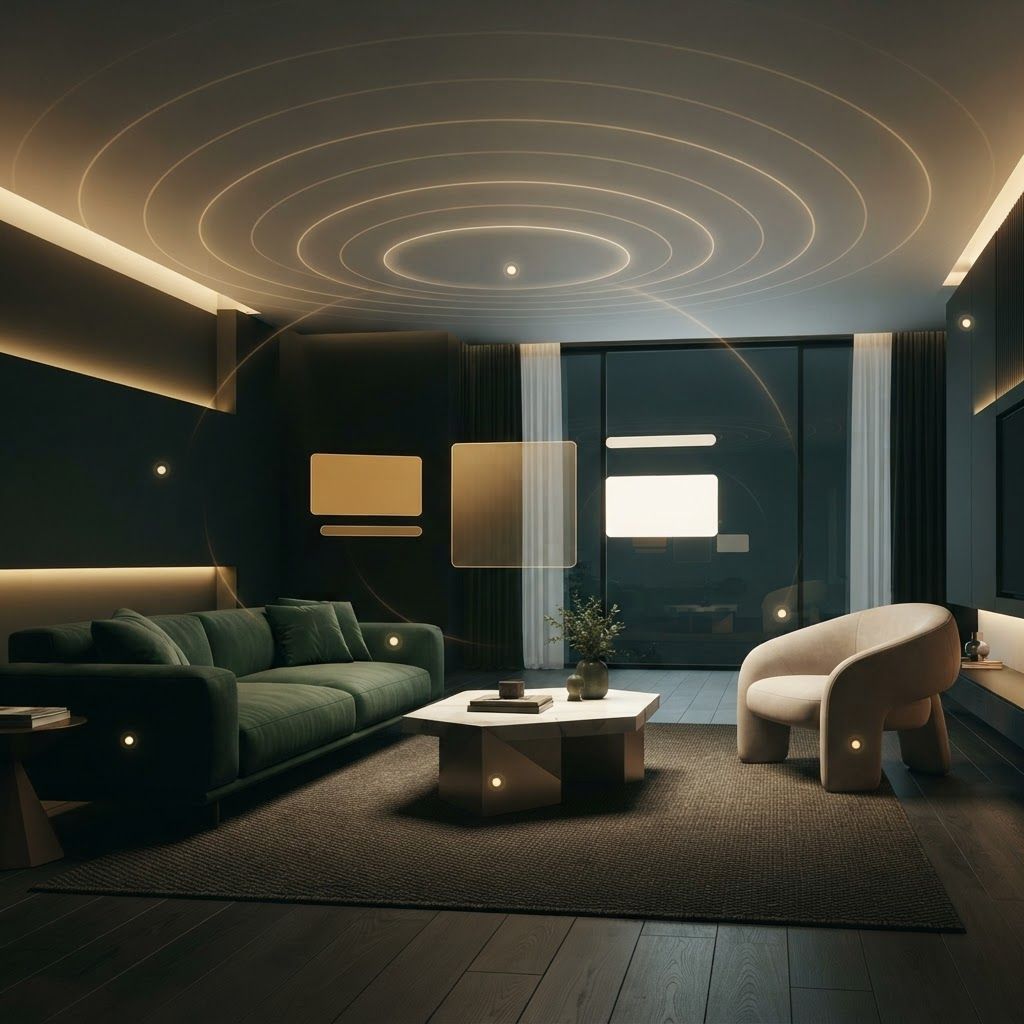
The most common mistake is a grid of downlights spread evenly across the ceiling. Downlights aimed at the middle of a room light the tops of heads and the floor, creating harsh shadows on faces and leaving walls dark, which makes the room feel smaller. Instead, place downlights closer to the perimeter so they wash the walls, which is what actually makes a space read as bright and generous. Better still, replace much of the direct downlighting with indirect ambient light: a concealed cove around the ceiling perimeter, a shadow gap detail, or uplight from tall floor lamps bouncing off the ceiling. Indirect light has no glare, flatters everyone in the room and gives a soft, hotel like quality that no amount of downlights can imitate.
Task lighting is about position, not power. Under cabinet strips in a kitchen are essential because any ceiling light behind you throws your own shadow onto the chopping board. In a study, an adjustable desk lamp positioned to the side of your writing hand prevents shadow across the page and reduces screen glare. Beside a reading chair, a floor lamp with the shade bottom at roughly seated eye level puts light on the book without shining in your eyes. At a bathroom mirror, vertical fittings on both sides at face height beat an overhead downlight every time. Each of these is a small decision that materially improves daily comfort.
Accent lighting is where a home starts to feel curated. Aim adjustable spots at artwork at roughly thirty degrees from vertical to avoid reflection and shadow from the frame. Graze a textured plaster or stone wall with light from close range to reveal its relief. Uplight a large plant so it casts patterned shadow on the ceiling. Light the inside of glazed display joinery. Use a narrow beam to make a sculpture or a stone basin glow. The general rule is a contrast ratio of about three to one between accent and ambient light for a comfortable but noticeable emphasis, and five to one where you want real drama.
Colour temperature changes how a room feels more than almost anything else. Warm light between 2700 and 3000 kelvin is right for living rooms, bedrooms, dining rooms and hospitality spaces. Neutral light around 3500 to 4000 kelvin suits kitchens, bathroom mirrors, wardrobes and workspaces where accurate colour matters. Avoid mixing temperatures within one visible space, because a single cool fitting among warm ones looks like a fault. Equally important and often ignored is colour rendering: specify a colour rendering index above ninety, especially over food, art, clothing and skin tones. Cheap fittings with poor rendering make marble look grey, timber look dull and food look unappetising, which undoes an expensive material budget instantly.
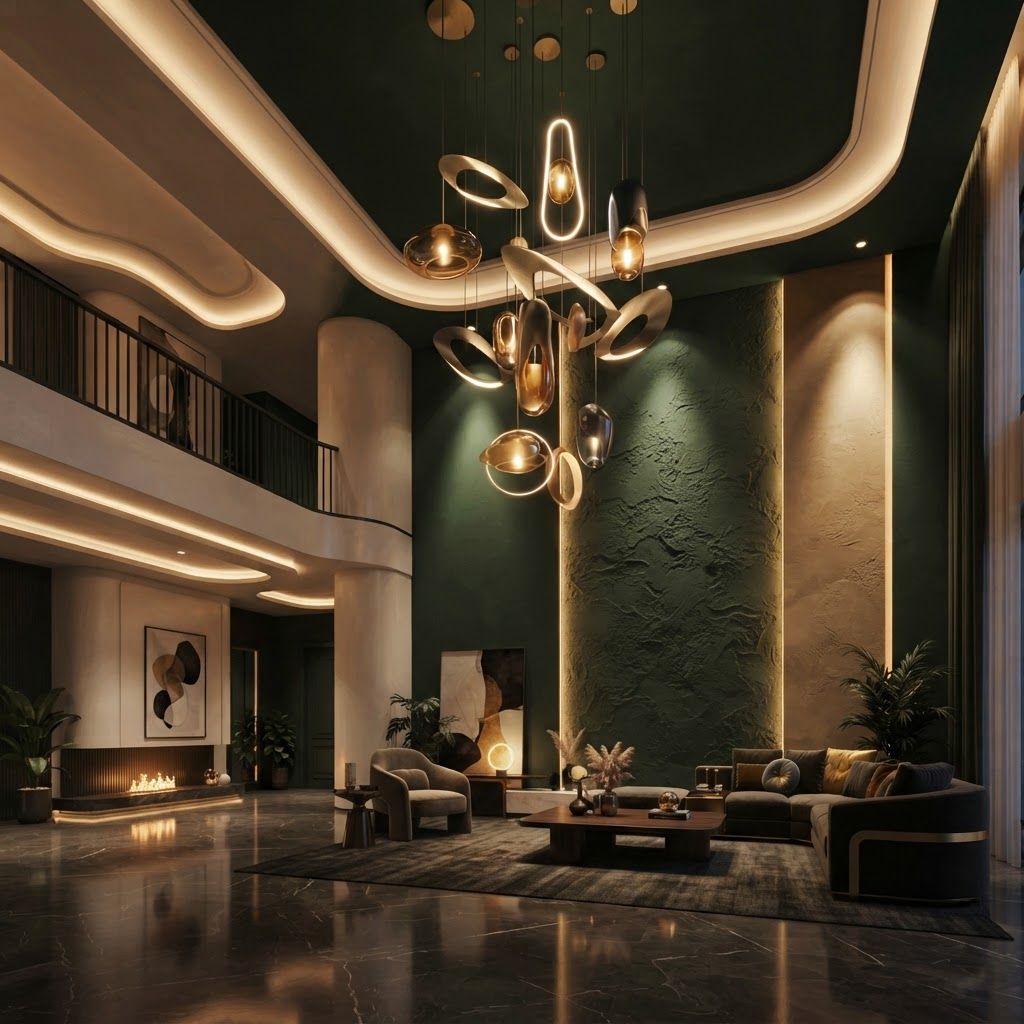
Luxury lighting is about seeing light, not fittings. Recessed fittings should sit flush with minimal visible trim, ideally in a matte black baffle to reduce glare. Cove and shadow gap details hide LED strips entirely so the light appears to come from the architecture. Linear profiles can be plastered in so only a slot of light shows. Where fittings are visible, they should be deliberate design objects: a sculptural pendant over a dining table or stairwell, elegant wall lights flanking a bed, a statement chandelier in a double height entrance. The discipline is simple. Either hide it completely or make it beautiful, and never leave a compromise in between.
A layered scheme is only useful if you can adjust it. At minimum, put every layer on its own dimmable circuit. Better, install a scene based control system where a single keypad press sets a preconfigured balance for morning, cooking, entertaining, dining and late evening. Motion sensors are excellent for wardrobes, pantries, corridors and stairs. Two way switching at both ends of a corridor and beside the bed prevents the daily irritation of crossing a dark room. Always verify that dimmer and driver are compatible, because mismatched pairings cause the flickering and buzzing that plague many local installations.
Any lighting scheme in Pakistan must account for supply interruptions and voltage fluctuation. Decide in advance which circuits run on inverter or UPS backup, and choose them for atmosphere as well as function, so an outage dims the house gracefully instead of dropping it into a single harsh emergency bulb. Specify quality drivers with surge protection, keep them accessible in ceiling voids or joinery for future replacement rather than sealing them permanently, and standardise fittings across the house so spares are simple. Outdoor and bathroom fittings need appropriate ingress protection ratings, and external fittings should be corrosion resistant.
The best light in any home is free. Plan window treatments that filter harsh glare without blocking daylight, use pale ceilings to bounce it deeper into rooms, and place mirrors to reflect it. Outside, discreet lighting on trees, boundary walls, water features and pathways extends the visual space of the house after dark and stops windows becoming black holes at night. Keep exterior levels low and warm, avoid pointing anything toward neighbours or upward into the sky, and put the whole external scheme on a timer or photocell.
Lighting rewards planning more generously than any other part of interior design. Layer ambient, task and accent light, push it toward the walls rather than the middle of the ceiling, keep colour temperature consistent and rendering high, conceal the sources, and put everything on dimmers and scenes. Do that and every material in your home will look better, every room will feel larger, and the house will change character comfortably from breakfast to midnight.

Written by the Living Solutions team
Strategy, design, and trade expertise, all under one roof.
Let's discuss how we can turn your vision into sustainable growth and measurable success.