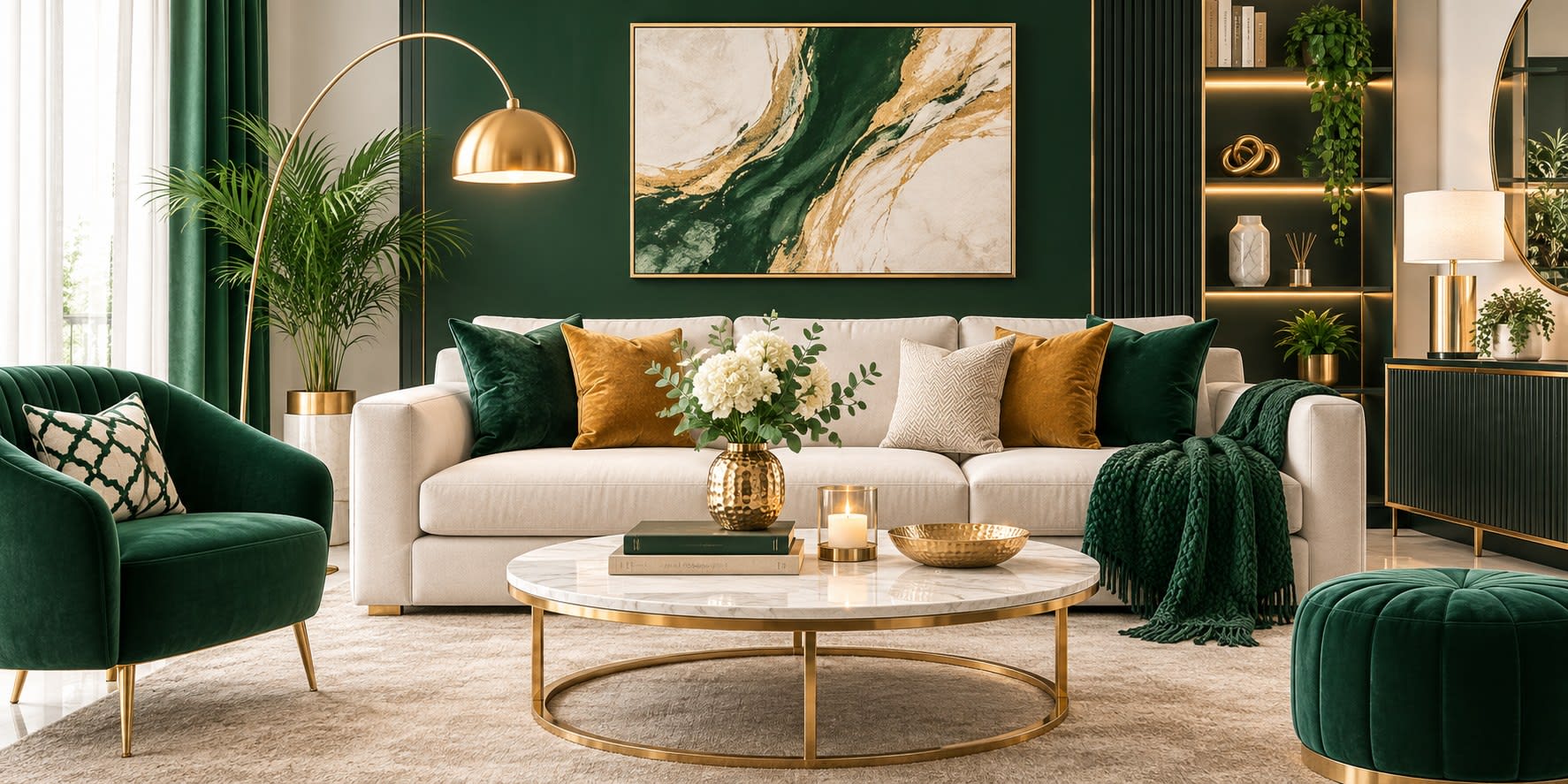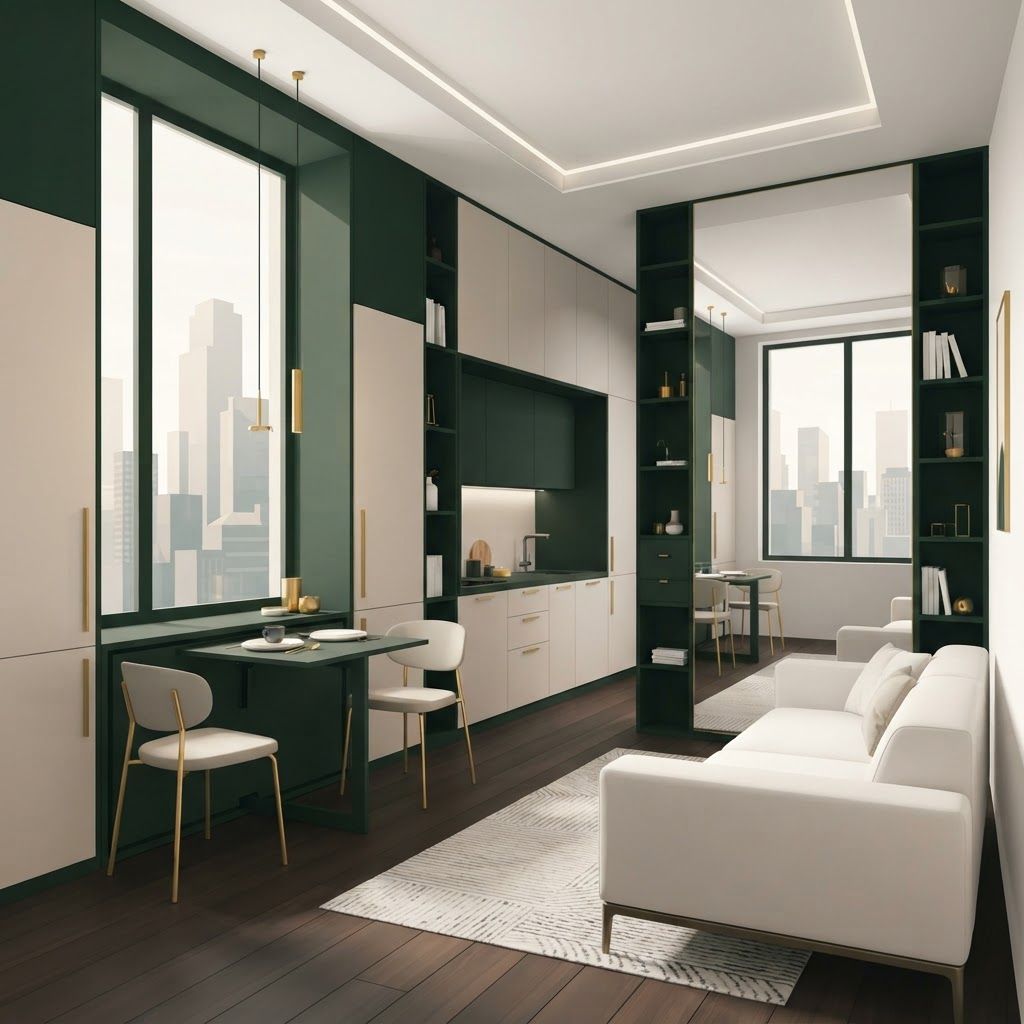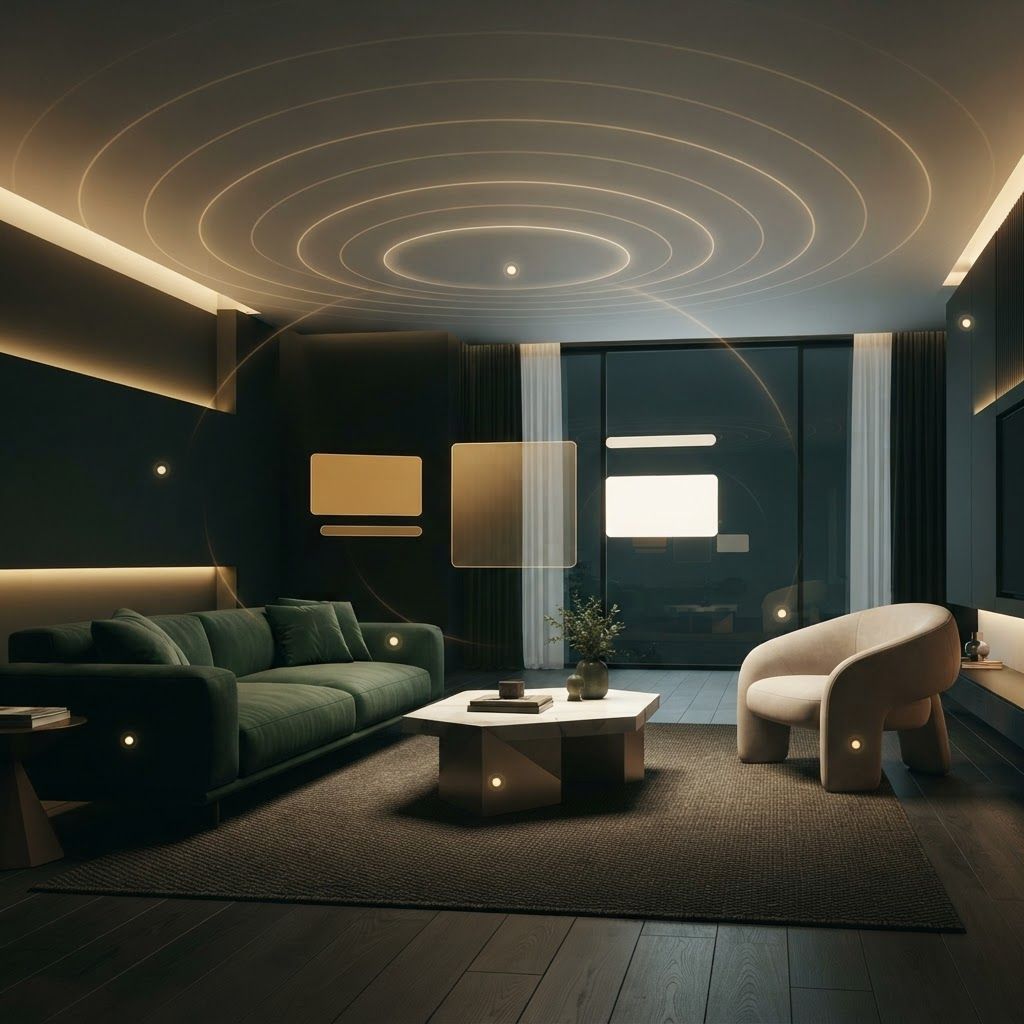
Luxury interiors are defined by proportion, material honesty and flawless execution rather than expense alone. This guide explains how luxury interior design works in Islamabad and what genuinely premium delivery involves.
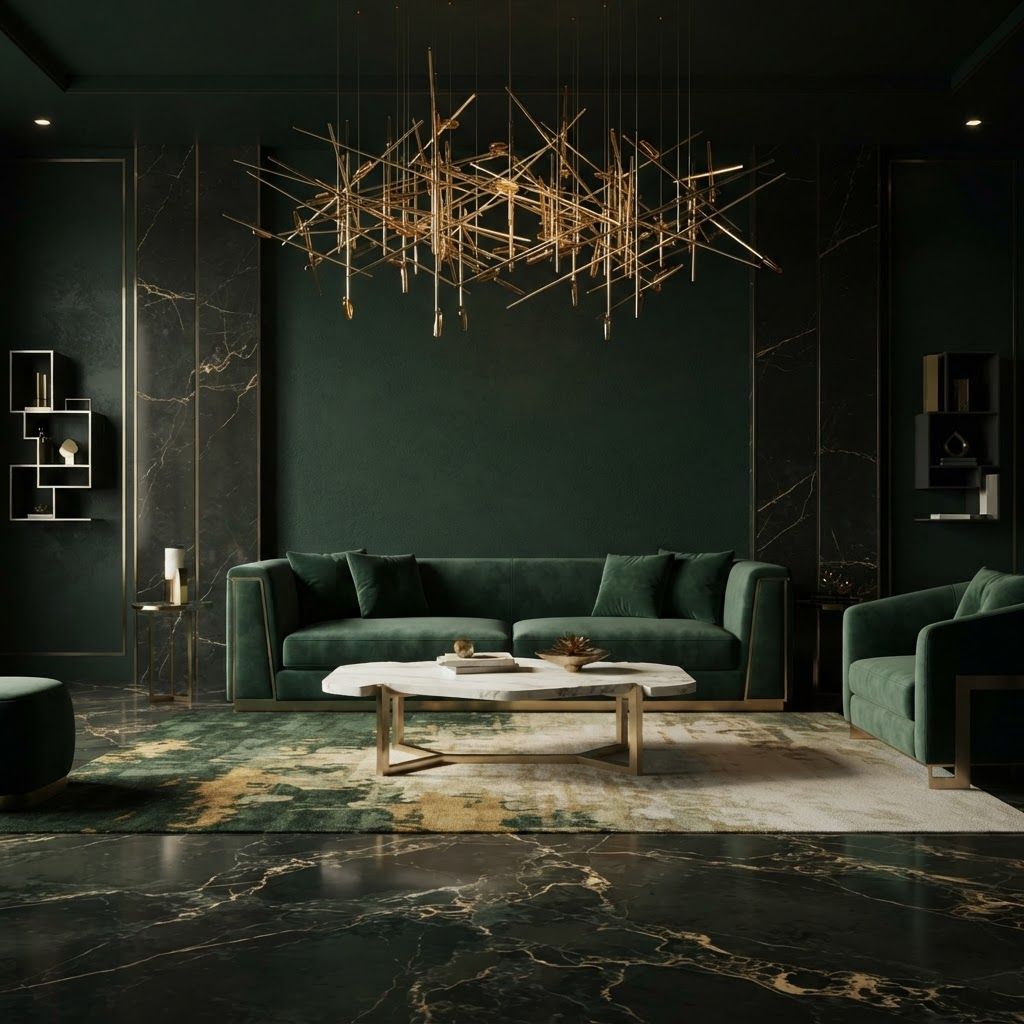
Luxury is one of the most overused words in the interior industry. In practice it rarely comes from price tags or imported labels. It comes from proportion, restraint, material quality and an obsessive attention to how surfaces meet each other. A truly luxurious room feels calm before it feels impressive. Lighting is layered so nothing glares. Joinery lines up with wall panels. Stone veining runs continuously across a threshold. Doors close with weight rather than noise. None of this shouts, yet all of it registers immediately.
Islamabad has developed a genuine market for this standard. Senior professionals, business owners, diplomatic residents and returning expatriates have travelled widely and know what a well built interior feels like. They are no longer satisfied with heavy ornamentation applied to a poorly planned shell. The demand has shifted toward architectural interiors where the base build, the services and the finishes are resolved together. Meeting that demand requires a designer who can document properly and a delivery team capable of building to tolerance.
The Interior Design and Fit Out division at Living Solutions Global specialises in high specification residential and commercial interiors across Islamabad. We take projects from concept and space planning through detailed technical documentation, material sourcing, photorealistic visualisation and site execution under our own supervision. Our value lies in controlling the entire chain, because luxury is lost in the gaps between designer, contractor and supplier. We produce joinery shop drawings, lighting layouts, stone setting plans and finish schedules precise enough that quality is built in rather than negotiated on site.
Premium interiors are built on four foundations. The first is planning. Room proportions, circulation width, sightlines from the entrance and the sequence of spaces determine whether a home feels generous. No amount of expensive finish rescues an awkward plan.
The second is lighting. In luxury work lighting is designed as an engineering exercise. Ambient light washes surfaces, task light supports function, and accent light reveals texture and art. Fixtures are selected for beam angle and colour temperature, not only appearance. Dimming is planned by circuit so one room can shift from bright and social to low and intimate. Concealed sources within coves, under joinery and behind headboards remove the flatness that ruins otherwise beautiful spaces.
The third is material integrity. Real stone, properly finished veneer, solid metal hardware and dense upholstery age gracefully. Imitations do not. A smaller quantity of honest material always outperforms a large quantity of pretend material.
The fourth is detailing. Shadow gaps instead of clumsy trims. Flush skirting. Aligned reveals. Concealed door frames. Continuous grain matching across a run of wardrobes. These decisions cost drawing time rather than money, and they are what separates genuinely designed interiors from expensive assembly.
Islamabad clients have excellent access to natural stone, and Pakistani marble in particular offers character that imported engineered surfaces cannot replicate. The skill lies in selection and setting. Slabs should be chosen from the actual bundle, sequenced so veining flows across a floor or feature wall, and cut with a considered layout rather than left to a site mason's judgment. Book matched stone on a fireplace or vanity wall remains one of the strongest luxury gestures available.
Timber brings warmth that stone cannot. Wall panelling in walnut, oak or locally available alternatives softens acoustics and adds depth, especially in dining rooms, studies and bedroom headboard walls. Grain direction should be deliberate and joins should be planned, not accidental.
Metal provides the punctuation. Brushed brass, antique bronze and blackened steel used sparingly in trims, handles, shelf edges and light fixtures tie a scheme together. The rule is consistency. One metal family throughout a space reads as intentional, while three read as indecision.
In high end interiors most of the visible surface area is joinery. Wardrobes, dressing rooms, kitchen cabinetry, library shelving, bar units, panelled walls and vanities are all made rather than bought. This is a significant advantage in Pakistan because skilled carpentry is available at a fraction of European cost, provided it is properly directed.
Direction means drawings. Elevations, sections, hardware specification, edge details, internal divisions, lighting integration and finish call outs all need to be documented before fabrication. Where clients want the design intent carried through to a fully built result under one contract, we deliver comprehensive fit out services so joinery, stone, services and finishes are coordinated by a single team on a single programme.
Premium standards apply as much to workplaces and hospitality as to residences. A boardroom with properly integrated technology, acoustic treatment and considered lighting communicates seriousness to every visitor. A hotel lobby or clinic reception with resolved detailing builds trust before anyone speaks. We deliver residential interior design for private clients and high specification commercial interior design for businesses that understand environment as part of brand. Our national practice in interior design in Pakistan allows us to draw on specialist trades from multiple cities when a project requires capability that one local market cannot supply.
Luxury budgets should be allocated by permanence and visibility. Services, lighting infrastructure, waterproofing, stone and fixed joinery deserve the largest share because they are difficult to upgrade later and they define the architectural quality of the space. Furniture, art, rugs and accessories can be layered progressively and even improved over years without disruption.
The most wasteful pattern we encounter is heavy spending on decorative items inside a poorly resolved shell. A large chandelier cannot compensate for a low ceiling with visible service runs. A costly sofa cannot fix a living room with no natural focal point. Sequence matters, and a designer's most valuable contribution is often persuading a client to invest in what will never be photographed.
High specification work takes time. Stone selection, joinery fabrication, imported fixture lead times and finishing all require sequencing. Compressing a premium project into an unrealistic schedule guarantees compromise, because the finishing trades that determine perceived quality are always last and always squeezed.
We manage this with a realistic programme, procurement locked immediately after design approval, mock ups for critical details, and inspection at defined stages rather than only at completion. Snagging is treated as a formal process with a documented list and verified closure. This discipline is unglamorous, but it is the actual difference between a project that photographs well and one that lives well.
The best luxury interiors do not follow trends. They establish a clear architectural language, execute it precisely, and allow the owner's collections, textiles and personal objects to provide the changing layer. Ten years later the shell still feels current because it was never fashionable to begin with.
If you are planning a premium interior project in Islamabad, our team is ready to visit your property, understand your ambitions and prepare a detailed proposal covering design, specification, programme and cost. We build interiors intended to feel considered on the first day and still feel considered a decade later.

Written by the Living Solutions team
Strategy, design, and trade expertise, all under one roof.
Let's discuss how we can turn your vision into sustainable growth and measurable success.