A new generation of female interior designers is reshaping how luxury homes in Islamabad look and feel. This article explores their approach to material, light, craft and liveable elegance. It also shows how our design studio delivers that standard on residential projects.
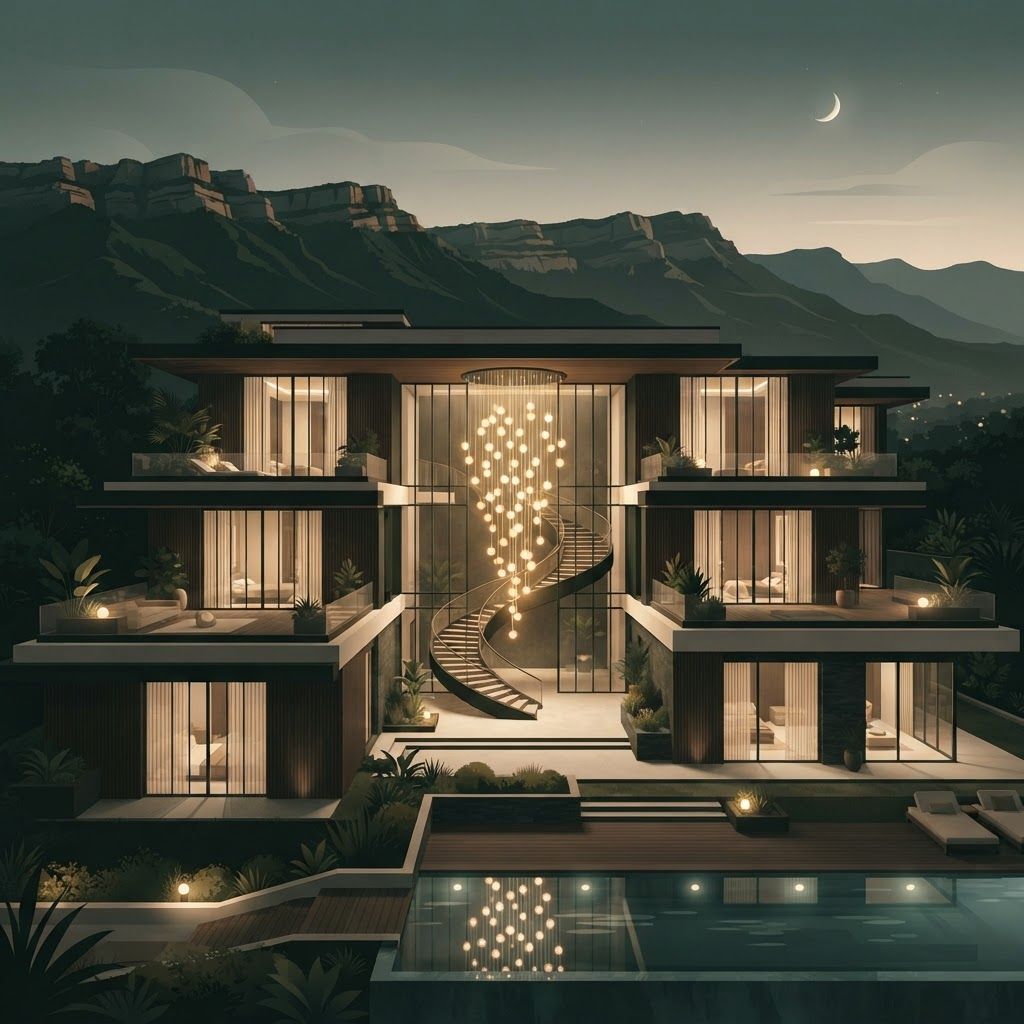
Walk through the newer streets of DHA Phase Two, Bahria Enclave, Park Road or the established sectors of F Six and F Seven and you will notice something different about the homes completed in recent years. Luxury in Islamabad no longer means the loudest chandelier or the shiniest marble. It means restraint, craft, proportion and light. A great deal of that shift has been driven by a generation of female interior designers who trained in Pakistan and abroad, worked their way through demanding sites, and built practices that combine serious design thinking with an unusual sensitivity to how a family actually lives. Homeowners searching for a female interior designer in Islamabad are increasingly looking for exactly this sensibility, and the results are visible across the capital.
What follows is a look at how these designers work, the signature moves that define their projects, and the standards a homeowner should expect when commissioning a luxury interior in Islamabad today.
Our Interior Design and Fit Out division at Living Solutions Global is built for precisely this category of work. We are based in Islamabad, and our senior female designers lead luxury residential commissions from the first survey through to the final styling. The scope typically includes concept design, detailed space planning, three dimensional visualisation, bespoke joinery drawings, stone and timber selection, lighting design, procurement of imported and local materials, full site supervision and handover. Because we manage design and execution together, the specification you approve is the specification that gets installed. Our residential interior design team works on new build villas, apartment conversions and complete home renovations, and our fit out services cover the civil, joinery, electrical and finishing trades so you are never left coordinating separate contractors. For overseas Pakistani clients we provide regular photographic and video reporting so decisions can be made confidently from abroad.
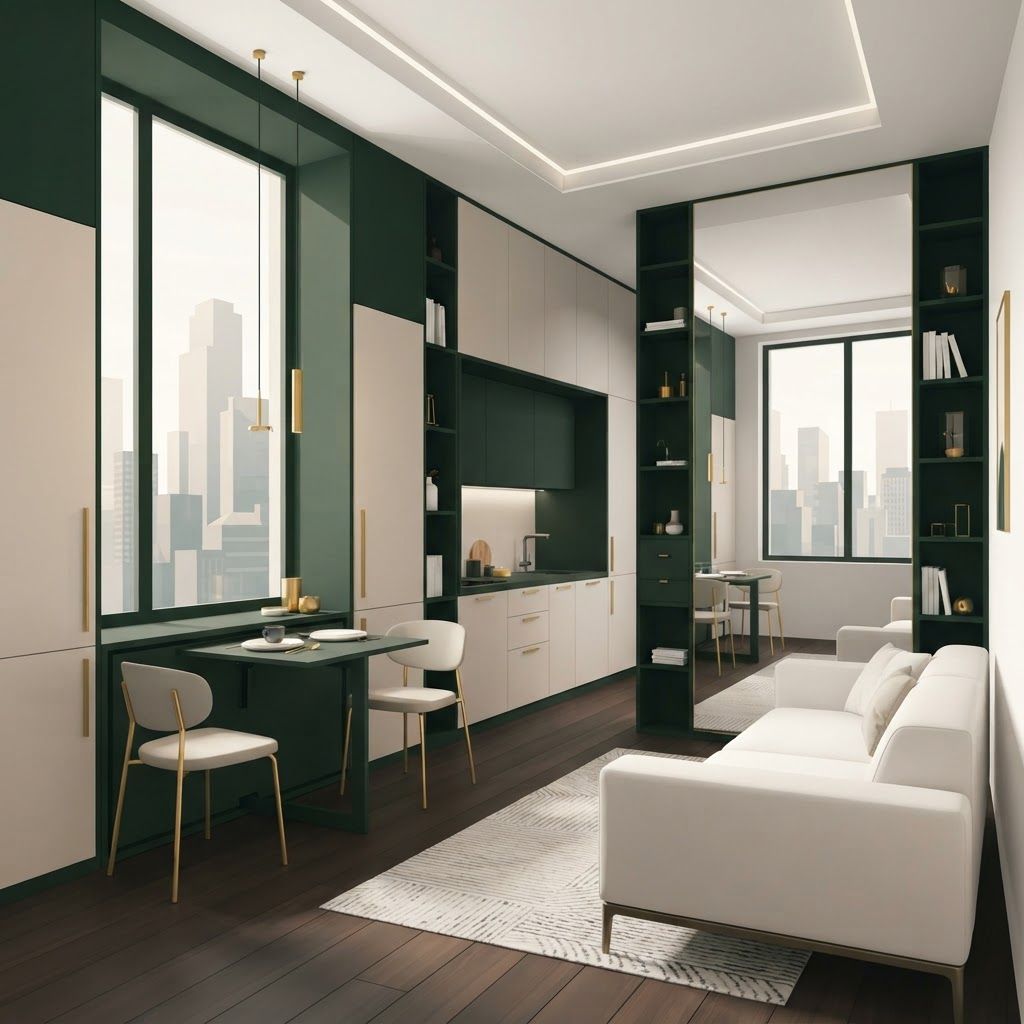
The clearest common thread among Islamabad's leading female designers is that they treat interior design as an architectural discipline. Before a single fabric is chosen, they interrogate the plan. Is the entrance sequence generous? Does the drawing room have the correct proportion for its ceiling height? Can the kitchen be relocated so the family dining area receives morning light? Should a wall be removed to connect the living space with the lawn?
This willingness to alter the shell rather than decorate around its flaws is what separates a genuinely luxurious interior from an expensive one. Marble applied to a badly proportioned room stays a badly proportioned room. Correct the proportion first and even modest materials look magnificent.
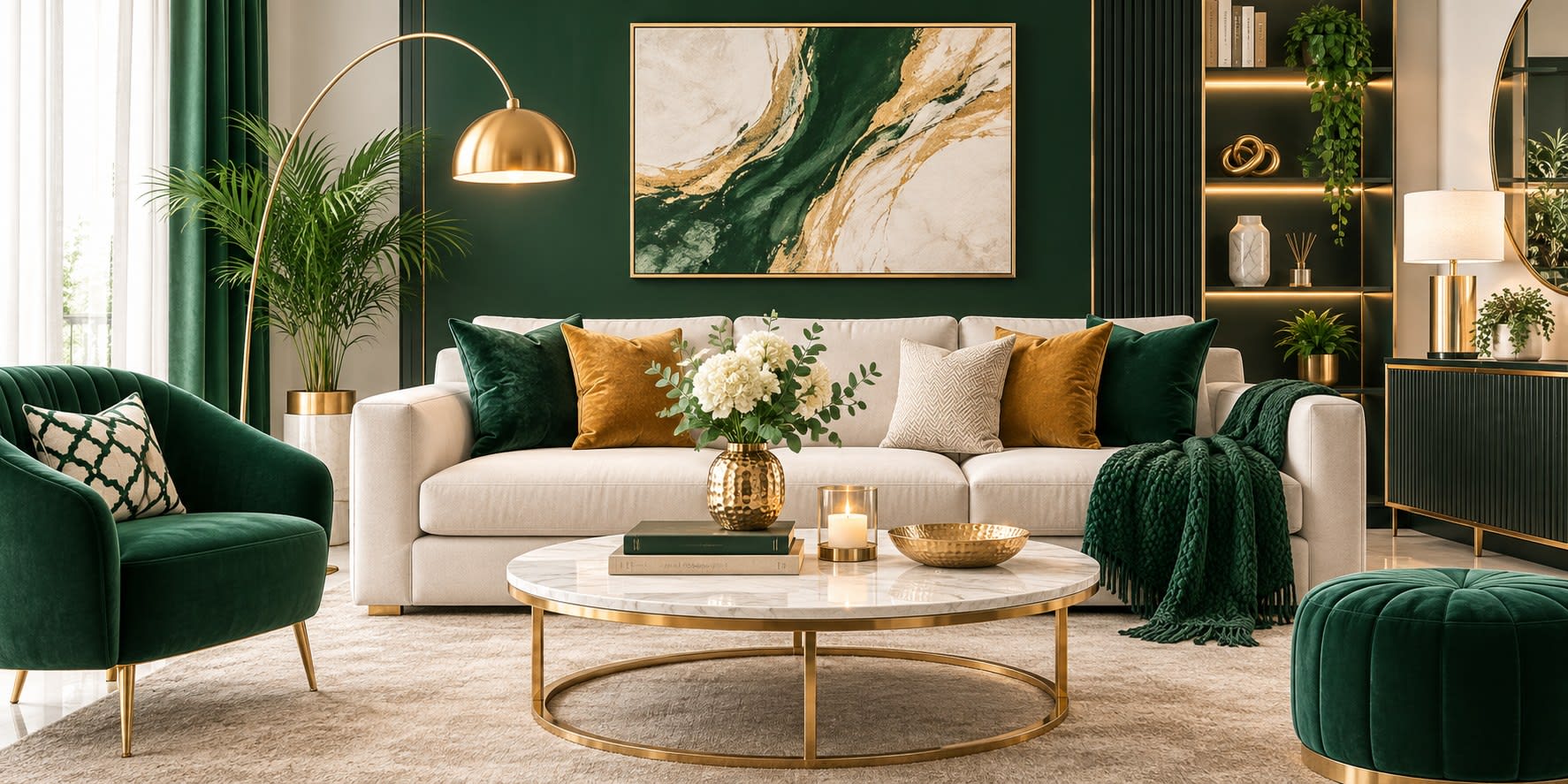
Contemporary luxury in Islamabad is defined by depth rather than contrast. The palettes we see and specify tend to be built from a small number of excellent materials used generously. Honed rather than polished stone. Fluted or slatted timber with a natural oil finish. Textured lime or micro cement plaster on feature walls. Linen, wool and cotton in upholstery and drapery. Brushed brass or antique bronze in ironmongery, lighting and shadow gap detailing.
The discipline is in editing. Three superb materials repeated across a home create coherence. Twelve competing materials create noise, no matter how expensive each one was. Female designers in the capital are consistently praised for this editing instinct, and it is one of the reasons their projects still look current five years after completion.
Islamabad's natural light is exceptional and its evenings are long. The best luxury interiors in the city exploit both. Windows are enlarged where structure allows, sheer layers are used behind heavier drapery so daylight is filtered rather than blocked, and internal openings are positioned to borrow light between rooms.
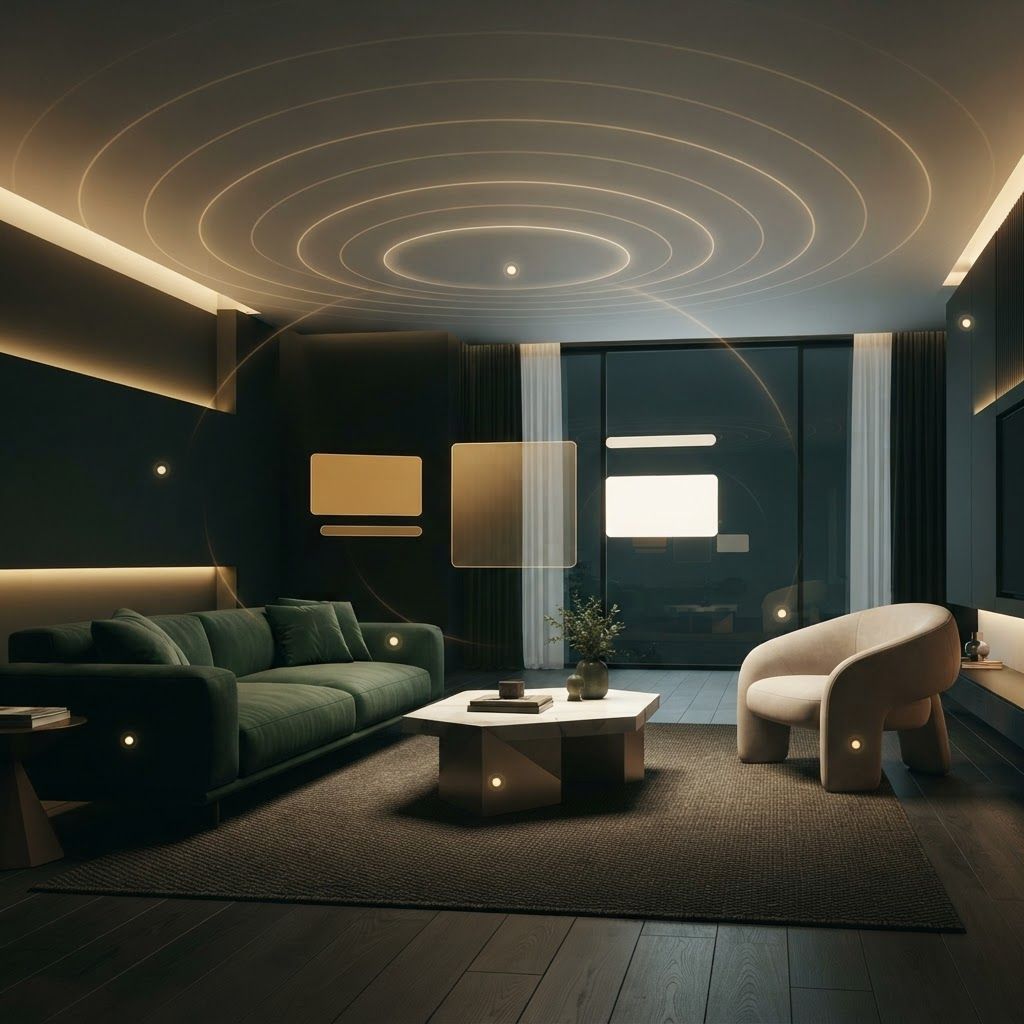
Artificial lighting is then designed as a system rather than a shopping list. Ambient light washes the ceiling or walls, task light serves kitchens, desks and vanities, and accent light picks out art, joinery and texture. Circuits are separated and dimmed so a single room offers several distinct moods. Colour temperature is kept consistently warm. Fixtures are chosen for the quality of the light they cast rather than the drama of their appearance. This is the single most transformative element in a luxury home and the one most often mishandled.
Pakistan has outstanding carpenters, stone masons, metal fabricators and upholsterers. The designers producing the best work in Islamabad have invested years in relationships with these craftspeople and know how to draw for them. Bespoke joinery is where luxury becomes tangible: a wardrobe with fully lined interiors and integrated lighting, a kitchen island in a single stone slab with a mitred edge, a wall panel with perfectly aligned grain, a stair balustrade in blackened steel and oak.
Our own studio produces full joinery detail drawings before fabrication begins, and our designers inspect items in the workshop rather than discovering problems after installation. That habit alone eliminates the majority of quality disputes on high value projects.
The most important shift in Islamabad's luxury market is the expectation that a beautiful home must also be practical. Female designers have led this change because they ask relentlessly practical questions during the design of even the most expensive rooms. Where do children eat on a weekday? Which door do guests use? How is the formal drawing room closed off when it is not needed? Where do forty pairs of shoes go? What happens to this stone when a glass of tea spills?
The answers produce homes that feel calm to live in. Durable finishes in high traffic areas. Generous concealed storage so surfaces stay clear. A private family lounge separated from the formal reception. A pantry that keeps the working mess out of a show kitchen. Luxury, defined properly, is the absence of daily friction.
Islamabad's best interiors feel rooted in Pakistan without resorting to cliche. Contemporary Pakistani art, hand knotted rugs, ceramics, brass objects and simplified references to traditional jali screens or arched forms appear regularly in the projects we admire and the projects we deliver. These elements give a home identity that imported furniture alone cannot provide.
Curating them takes confidence and time. A designer who books an art visit, sources a rug specifically for a room's dimensions, or commissions a screen from a local workshop is adding value that cannot be replicated from a catalogue.
A properly run luxury project in Islamabad should include a measured survey and site appraisal, a written brief, a concept presentation with material samples, dimensioned drawings for every trade, a full lighting and electrical layout, a joinery package, a transparent cost breakdown by trade, a programme with milestones, weekly site supervision with written reports, snagging and a documented handover. If a designer cannot show you this process, the project will be improvised on site, and improvisation on a high value home is expensive.
The female designers transforming Islamabad's luxury homes share one belief, that elegance and everyday practicality are not in conflict. Our studio was built on the same belief. If you are planning a new villa, renovating a family home or upgrading an apartment in the capital, contact Living Solutions Global for a consultation. We will visit your property, understand how you live and prepare a design that is refined, deliverable and genuinely yours.

Written by the Living Solutions team
Strategy, design, and trade expertise, all under one roof.
Let's discuss how we can turn your vision into sustainable growth and measurable success.