Minimalism is not empty rooms and white walls. It is a disciplined approach to space, storage, materials and light that makes a home calmer and easier to live in. Here is how to apply it practically in a family home.
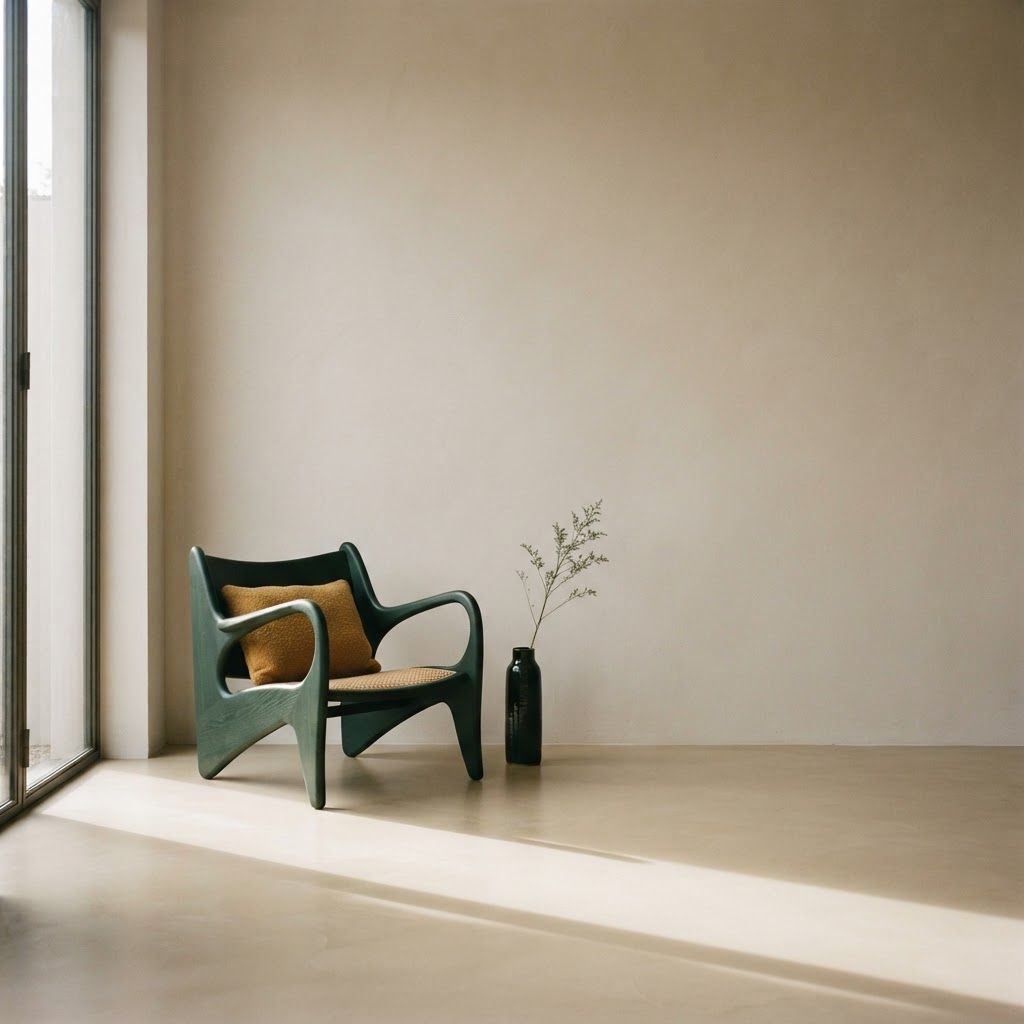
Minimalist design is frequently misunderstood as bare white rooms with a single chair and nothing else. In practice, minimalism is a discipline rather than a look. It means removing what does not serve a purpose so that what remains can be experienced properly. A minimalist home is not empty, it is edited. Every object has a reason to be there, every surface is intentional and nothing competes for attention unnecessarily.
This approach suits family homes far better than most people expect. Fewer possessions on display means less cleaning, less visual stress and less time spent searching for things. In busy households across Pakistan, where homes accommodate extended family, frequent guests and multiple generations, a calm and well organised interior is genuinely valuable rather than merely fashionable.
Minimalism is unforgiving of poor execution. When there is little decoration to distract the eye, the quality of a joint, the alignment of a shadow gap and the evenness of a wall finish become highly visible. Our Interior Design and Fit Out division at Living Solutions Global approaches minimalist projects with detailed drawings, precise tolerances and close supervision of finishing trades, because in this style craftsmanship is the design.
Our residential interior design service focuses on concealed storage, flush detailing, handleless joinery and integrated lighting that keep surfaces uninterrupted, and our broader interior design in Pakistan team manages procurement and site delivery to the standard the style demands. For households who prefer a woman on the design team to lead in home consultations covering bedrooms, wardrobes and family routines, we can assign our female interior designer in Islamabad.
Minimalism starts with editing what you own, not with buying new furniture. Go through each category of possession and separate what you use, what you value and what you keep only out of habit. Almost every home contains furniture that is never used, crockery reserved for occasions that never arrive and decorative items bought without thought.
Reducing first means your storage requirement drops, which changes the design brief entirely. Many homes that feel too small are simply holding too much.
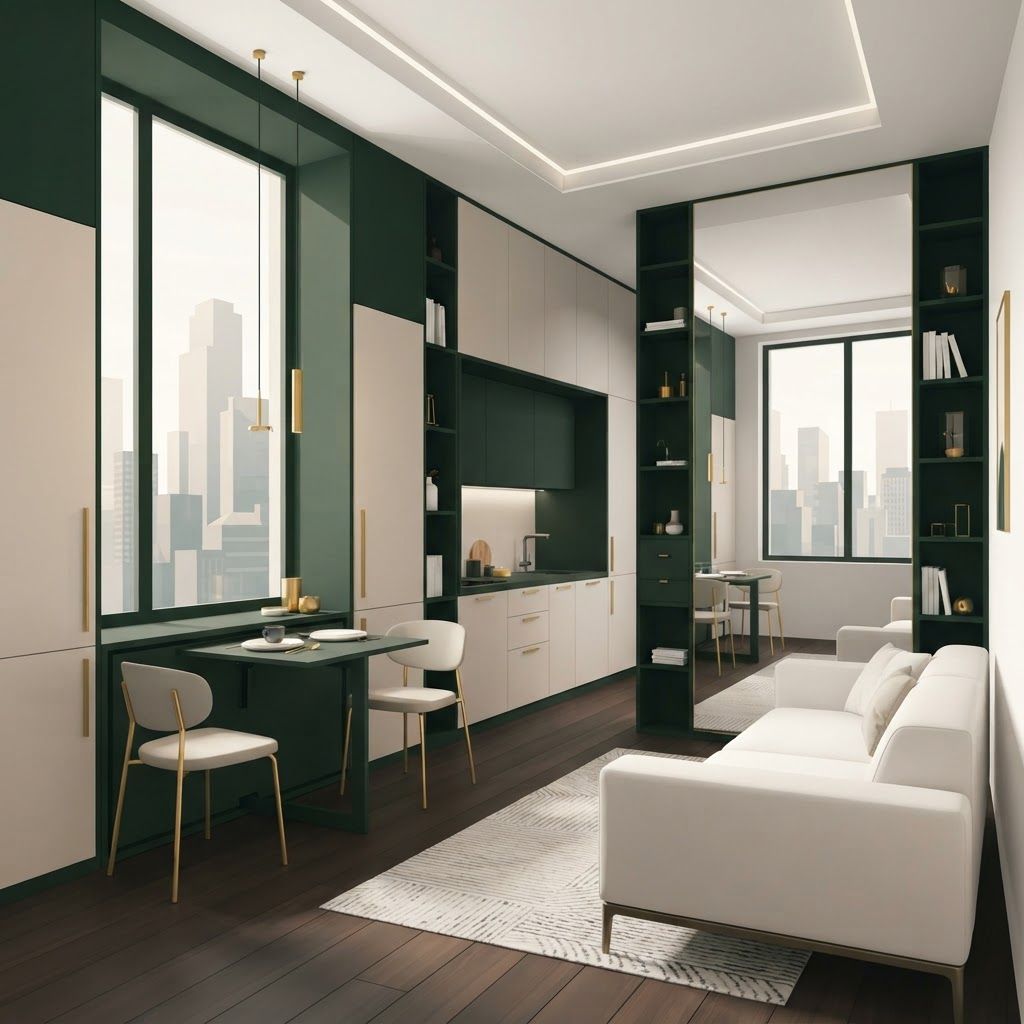
Visual calm depends on closed storage. Plan full height cupboards with flush doors, drawers rather than open shelves and integrated units that sit within wall depth where possible. Handleless push to open or slim recessed pull details keep the plane of the cupboard unbroken, which is central to the minimalist aesthetic.
Keep open display very limited. One shelf with three carefully chosen objects has more presence than a full bookcase of mixed items, and it is far easier to keep looking good.
Choose two or three colours and stay with them across the whole home. Warm whites, soft greige, pale oat and a deeper grounding tone such as charcoal or forest green provide plenty of range. Paint the ceiling the same tone as the walls to remove the dividing line and let the volume read as a single form.
Because the palette is quiet, undertone consistency becomes critical. A single cool grey element in a warm neutral scheme will look like a mistake.
Minimalist rooms avoid flatness through material variety rather than pattern and ornament. Combine a limewashed wall, a linen curtain, a wool rug, an oiled timber table and a matte stone counter, and the space becomes rich even though the colour range is tiny. Run your hand across a well designed minimalist room and you will feel the differences you barely see.
This is the most reliable way to avoid the cold, unfinished feeling that poorly executed minimalism produces.
Minimalism concentrates budget rather than spreading it thin. Instead of filling a living room with several average items, buy one excellent sofa, one beautiful dining table and one well made armchair. Quality shows clearly when there is nothing to distract from it, and good pieces last long enough to justify the investment.
Prefer simple forms with honest materials. Furniture that relies on applied decoration rarely sits comfortably in a minimalist interior.
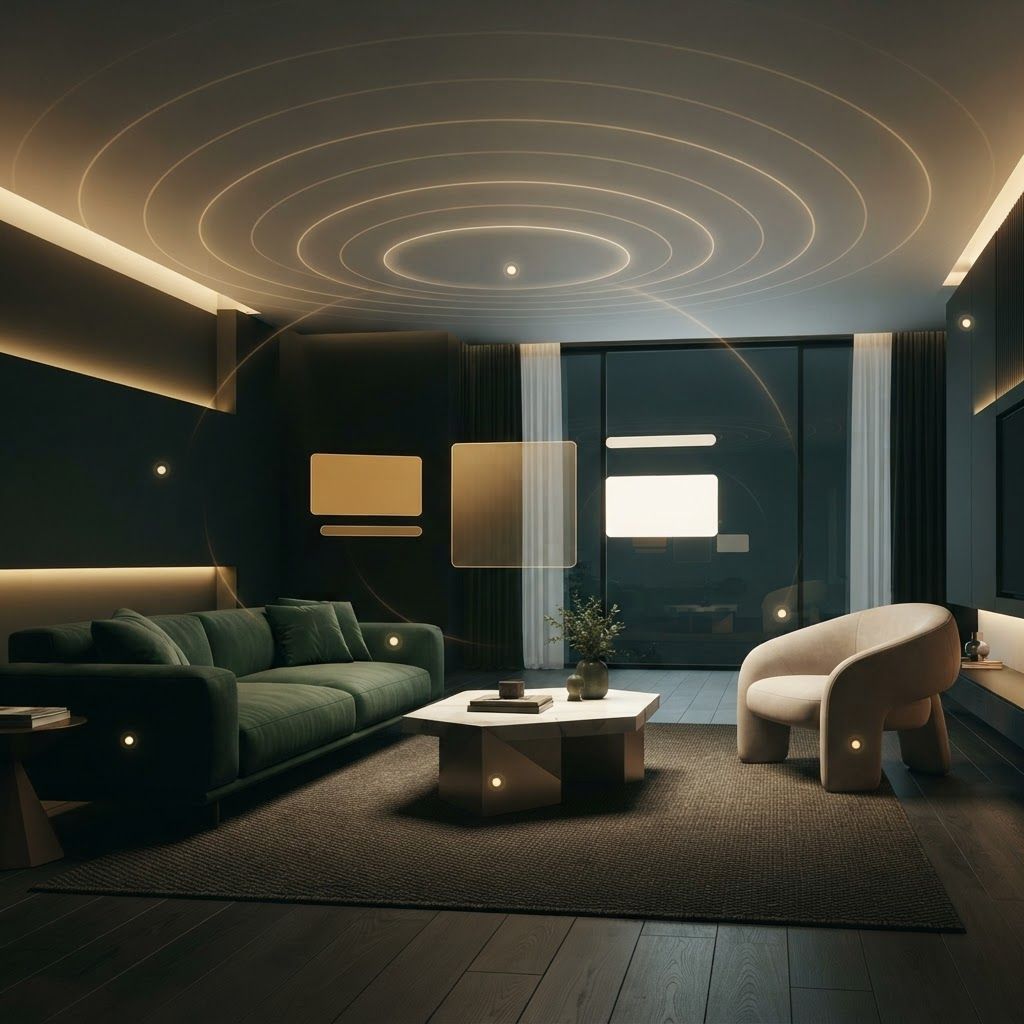
Light is the primary decorative element in a minimalist home. Maximise daylight by keeping window areas uncluttered and using light reflective wall finishes. For artificial lighting, conceal the source and light the surface. Cove lighting, recessed linear fittings, wall grazing that reveals texture and discreet accent spots create atmosphere without visual clutter.
Keep colour temperature consistent and add dimming so the same restrained space can feel bright and functional by day and soft and enveloping at night.
Empty space is a design element, not a failure to finish. Leave walls bare in places, allow gaps between furniture groups and resist the instinct to fill every corner. Negative space gives the eye somewhere to rest and makes the pieces you have chosen feel significant.
A useful discipline is to remove one item from a room after you think it is complete. In most cases the room improves.
In minimalist interiors the details you notice are the joints. Shadow gaps instead of skirting, doors flush with wall surfaces, ceiling to wall junctions without cornices, and floor finishes meeting cleanly at thresholds all contribute enormously to the finished quality. These details require accurate setting out and skilled trades, so they must be drawn and priced properly rather than left to site decisions.
Minimalism can absolutely accommodate children, guests and daily mess, provided the systems are right. Provide a closed toy store in the living area so the room resets in minutes. Choose washable performance fabrics rather than delicate ones. Install a proper entrance unit so shoes and bags never reach the living space. Give each family member a defined place for their belongings.
Minimalism sustained by good systems is easy. Minimalism sustained by constant tidying is not.
Plants, natural light, stone, timber and views of greenery prevent minimalist rooms from feeling sterile. A single large plant in a well chosen pot brings life and softness to a restrained space more effectively than several small ones. Natural materials also age visibly, which adds warmth and character over time rather than looking worn.
Minimalist design gives you calm, clarity and ease of maintenance in exchange for discipline in what you keep and precision in how things are built. Edit your possessions, conceal your storage, narrow your palette, build interest through texture, invest in fewer better pieces and treat empty space as valuable. Done properly the result is not stark but deeply comfortable. If you would like a minimalist interior detailed and executed to a high standard, our team can deliver the precision this style requires.

Written by the Living Solutions team
Strategy, design, and trade expertise, all under one roof.
Let's discuss how we can turn your vision into sustainable growth and measurable success.