
Explore the opportunities in port development along Pakistan strategic coastline and their role in global trade. Learn how investors and exporters can benefit from modern maritime infrastructure.
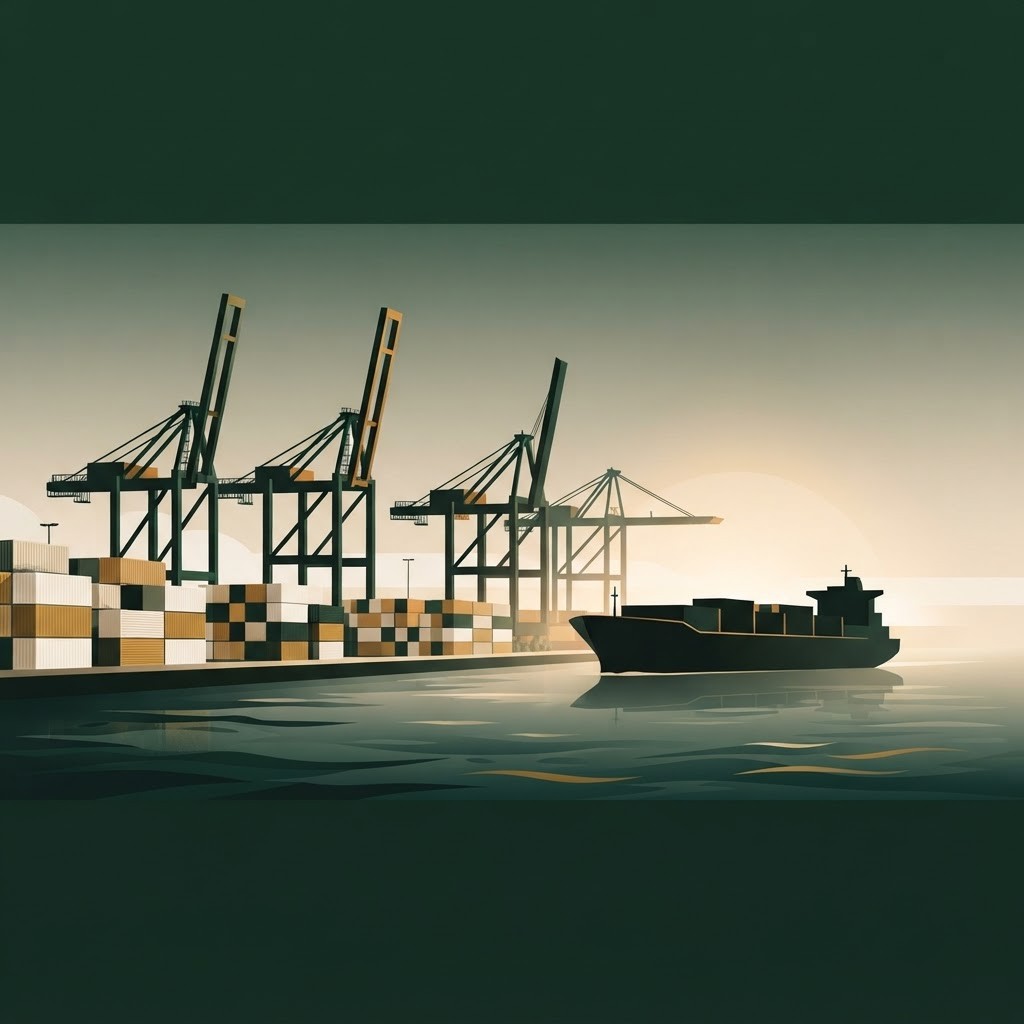
Pakistan strategic location along key maritime routes makes its ports vital gateways for regional and global trade. Port development is accelerating as the country works to increase capacity, improve efficiency, and capture a larger share of international shipping. Modern ports handle containers, bulk cargo, and energy imports while serving as hubs for logistics and industry. For investors and exporters, port development presents significant opportunities tied directly to the growth of trade.
At Living Solutions Global, we help investors, exporters, and logistics firms engage with port development and maritime trade across Pakistan. From Islamabad, our team provides feasibility analysis, regulatory guidance, and trade advisory that connect infrastructure with commercial opportunity. For businesses focused on international trade in Pakistan, we align port capabilities with your supply chain and market goals to maximize value.
Ports are the interface between land and sea trade, handling the vast majority of goods that cross borders. An efficient port lowers the cost and time of moving cargo, making a country more competitive in global markets. Pakistan coastline offers access to the Arabian Sea and beyond, positioning its ports as natural transit points for regional trade. Developing this potential strengthens exports, attracts industry, and integrates the economy into global supply chains.
Port development encompasses terminals, berths, container handling, storage, and connecting infrastructure such as roads and rail. Specialized facilities handle bulk commodities, liquid cargo, and energy imports. Free zones and industrial parks often grow around ports, adding manufacturing and logistics value. Each of these areas requires investment in equipment, technology, and services, creating a broad range of opportunities for developers, operators, and suppliers.
Ports are commonly developed through concessions and public private partnerships, where private operators finance, build, and manage facilities over long terms. Investors may develop terminals, operate cargo handling, or provide logistics and warehousing services. These structures share risk between government and private parties while ensuring facilities meet international standards. Understanding the terms and revenue mechanisms of these arrangements is essential to evaluating returns and managing risk.
Efficient ports are essential to export competitiveness. Faster handling, lower costs, and reliable connections help exporters reach markets on time and at competitive prices. As Pakistan expands its export base, demand for modern port capacity grows accordingly. Businesses that align with capable ports gain an advantage in international markets. Our export consultancy in Pakistan helps exporters leverage port infrastructure to streamline logistics and expand their global reach.
Port projects require careful study of cargo demand, shipping routes, and competition. Realistic forecasts of trade volume and vessel traffic underpin financial viability. Location, water depth, and connectivity to inland transport all influence outcomes. Our team conducts detailed feasibility and commercial analysis so clients understand the potential and risks before investing. This groundwork supports sound decisions and reduces exposure to costly miscalculations.
Building and operating ports is technically complex, involving marine engineering, heavy equipment, and strict regulatory compliance. Coordinating construction, dredging, and systems integration requires experienced management. Selecting qualified partners and maintaining rigorous oversight keeps projects on track. We help clients manage delivery, control costs, and ensure quality across every phase of port development, from planning through operation.
Ports link infrastructure investment directly to trade flows, creating opportunities that span both sectors. Investors benefit from steady cargo revenue, while exporters and importers gain efficient access to global markets. This connection makes ports especially attractive for those seeking to combine infrastructure returns with trade growth. We help clients see and capture these linked opportunities, coordinating investment and trade strategy for maximum impact.
Port development offers a compelling opportunity in Pakistan, driven by strategic location, growing trade, and rising demand for modern maritime infrastructure. With careful feasibility work, sound investment structures, and disciplined delivery, participants can earn durable returns while strengthening the country trade position. Our team is ready to help you assess opportunities, structure investments, and connect port infrastructure to real commercial value.

Written by the Living Solutions team
Strategy, design, and trade expertise, all under one roof.
Let's discuss how we can turn your vision into sustainable growth and measurable success.