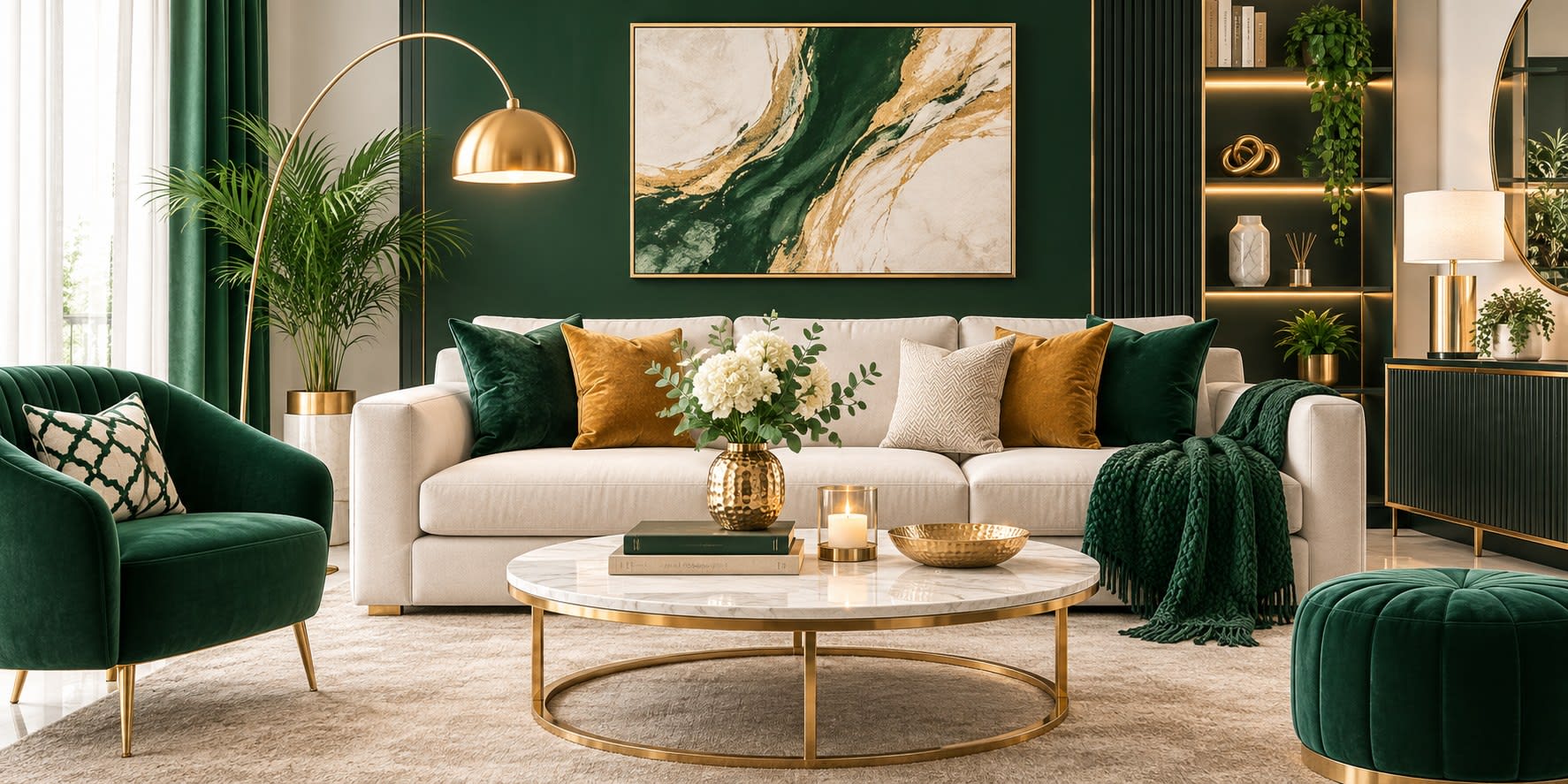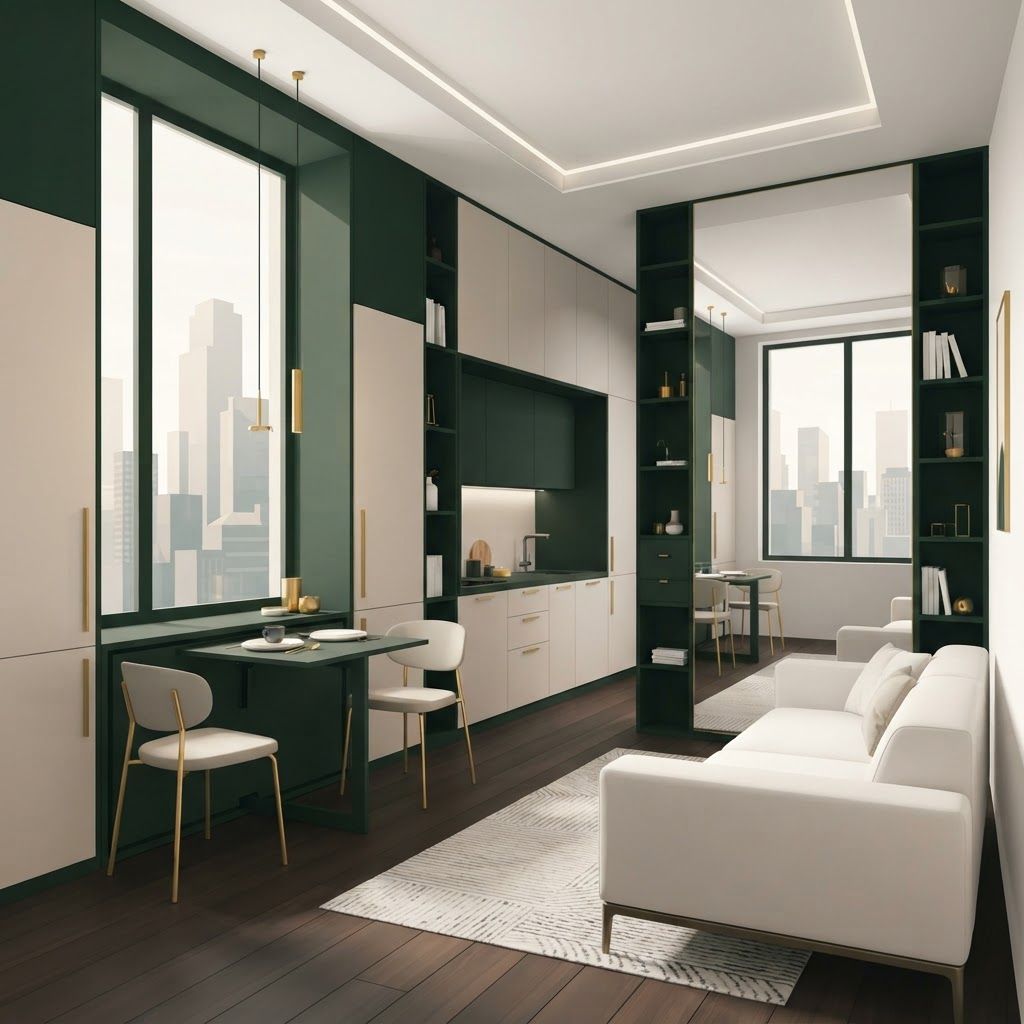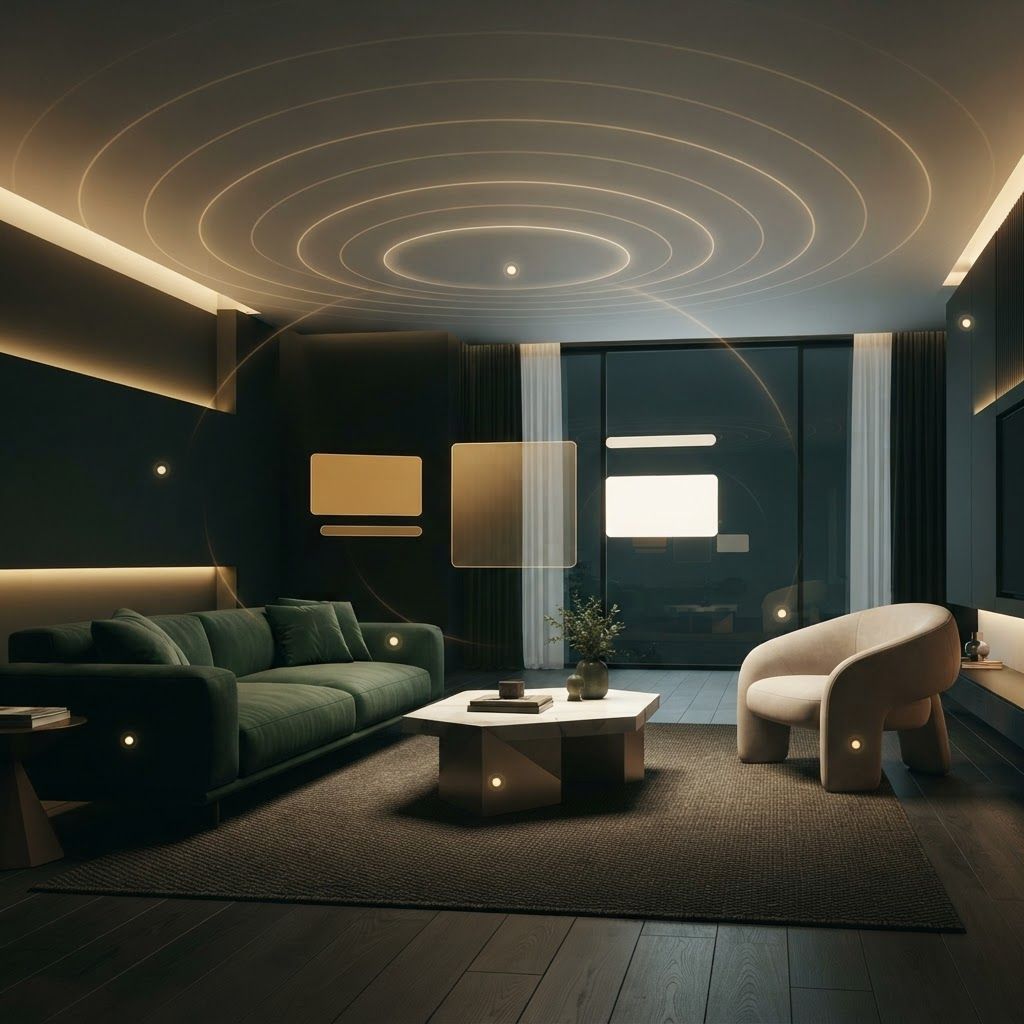
Discover how smart office design uses technology and intelligent layouts to boost efficiency, comfort, and collaboration. Learn how automation, connectivity, and data driven spaces are shaping the future of work.
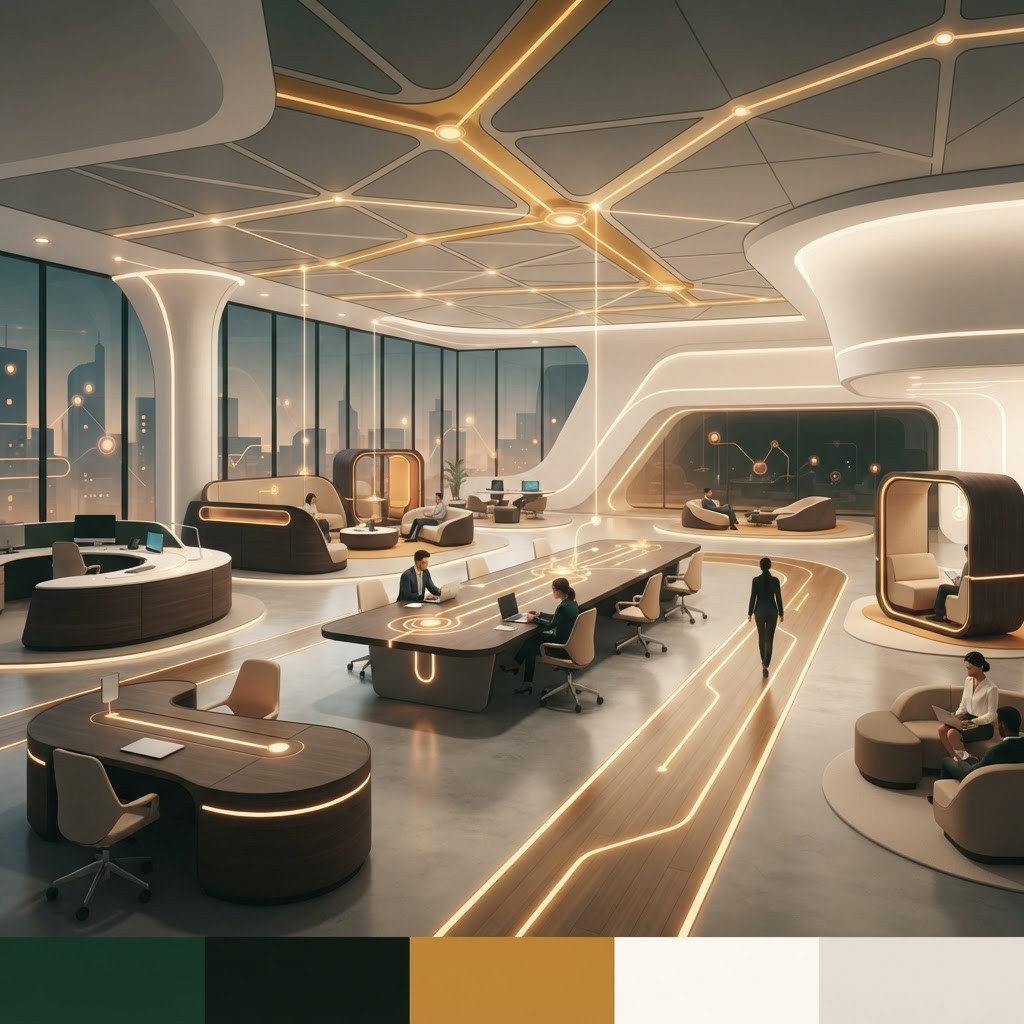
Smart office design brings together technology, intelligent layouts, and human centered thinking to create workplaces that are efficient, comfortable, and adaptable. As businesses embrace hybrid work and digital tools, the office is evolving into a connected environment that responds to the needs of its people. Smart offices improve productivity, reduce operating costs, and enhance the employee experience. For forward thinking organizations in Pakistan, smart design is a powerful way to future proof the workplace. This article explores what makes an office truly smart.
At Living Solutions Global we design smart offices that seamlessly blend technology with thoughtful interiors. Our team integrates automation, connectivity, and flexible layouts to create workplaces that work smarter, not harder. Through our office interior design services we ensure technology enhances comfort and productivity without overwhelming your space. With Living Solutions Global as your partner, you get a modern, intelligent workplace tailored to how your team actually works.
A smart office uses technology and data to improve how a workplace functions. This includes automated lighting and climate control, connected meeting rooms, occupancy sensors, and integrated systems that respond to real needs. Rather than adding gadgets for their own sake, smart design focuses on solving real problems, such as reducing energy waste, simplifying booking, and creating environments that adapt throughout the day. The result is a workplace that feels effortless and responsive.
Automation is a defining feature of the smart office. Lighting that adjusts to daylight, climate systems that respond to occupancy, and shades that regulate glare all improve comfort while conserving energy. Employees can control their environment easily through apps or intuitive interfaces, creating personalized comfort. Automation also reduces manual tasks and operating costs, freeing facilities teams to focus on higher value work. When done well, these systems operate quietly in the background, enhancing the experience without demanding attention.
In a hybrid world, connectivity is essential. Smart offices provide reliable networks, connected meeting rooms, and technology that makes collaboration between in person and remote team members effortless. Video conferencing, wireless sharing, and easy room booking remove friction from daily work. Well equipped collaboration spaces ensure that everyone can contribute equally, regardless of location. This seamless connectivity keeps teams aligned, productive, and engaged.
One of the biggest advantages of smart offices is the ability to understand how space is actually used. Occupancy sensors and analytics reveal which areas are popular, which are underused, and how patterns change over time. This data helps organizations optimize layouts, reduce wasted space, and plan more effectively. Instead of guessing, decisions are based on real insights, leading to smarter investments and a workplace that truly fits how people work.
Smart offices are inherently flexible, designed to adapt as needs evolve. Modular furniture, movable partitions, and multipurpose spaces allow teams to reconfigure areas quickly. Bookable desks and rooms support hybrid schedules and fluctuating attendance. This adaptability ensures the office remains useful and efficient even as team sizes and work styles change, protecting your investment and keeping the space relevant over time.
Technology should always serve people, and the best smart offices prioritize wellbeing. Good air quality, natural light, comfortable temperatures, and pleasant acoustics all contribute to health and focus. Smart systems can monitor and improve these conditions automatically. Combined with thoughtful design, greenery, and comfortable spaces, technology creates an environment where employees feel supported and energized rather than monitored or overwhelmed.
Smart offices also enhance security and sustainability. Keyless access, visitor management, and integrated security systems keep the workplace safe while remaining convenient. On the sustainability side, automated energy management, efficient lighting, and data driven optimization significantly reduce consumption and costs. These benefits align environmental responsibility with practical business advantages, making smart design a win on multiple fronts.
Introducing smart technology works best with a clear, phased plan. Start by identifying the problems you want to solve, whether that is energy waste, booking friction, or poor collaboration. Choose scalable systems that can grow with your needs and integrate smoothly with existing tools. Involve employees early to understand their preferences and ensure adoption. Training and support help teams embrace new features confidently. A thoughtful rollout avoids overwhelming users and ensures that technology delivers real, lasting value rather than becoming an underused novelty.
Smart office design represents the future of work, combining technology, flexibility, and human centered thinking to create environments that are efficient, comfortable, and adaptable. By embracing automation, connectivity, data, and wellbeing, organizations build workplaces that support their people and their goals. Whether you are upgrading an existing office or creating a new one, expert guidance ensures technology enhances rather than complicates your space. Explore our interior design in Pakistan services and build a smarter workplace today.

Written by the Living Solutions team
Strategy, design, and trade expertise, all under one roof.
Let's discuss how we can turn your vision into sustainable growth and measurable success.