
Special Economic Zones offer investors attractive incentives, but entry involves specific costs and procedures. This guide explains what it takes to establish operations in a zone near Islamabad.
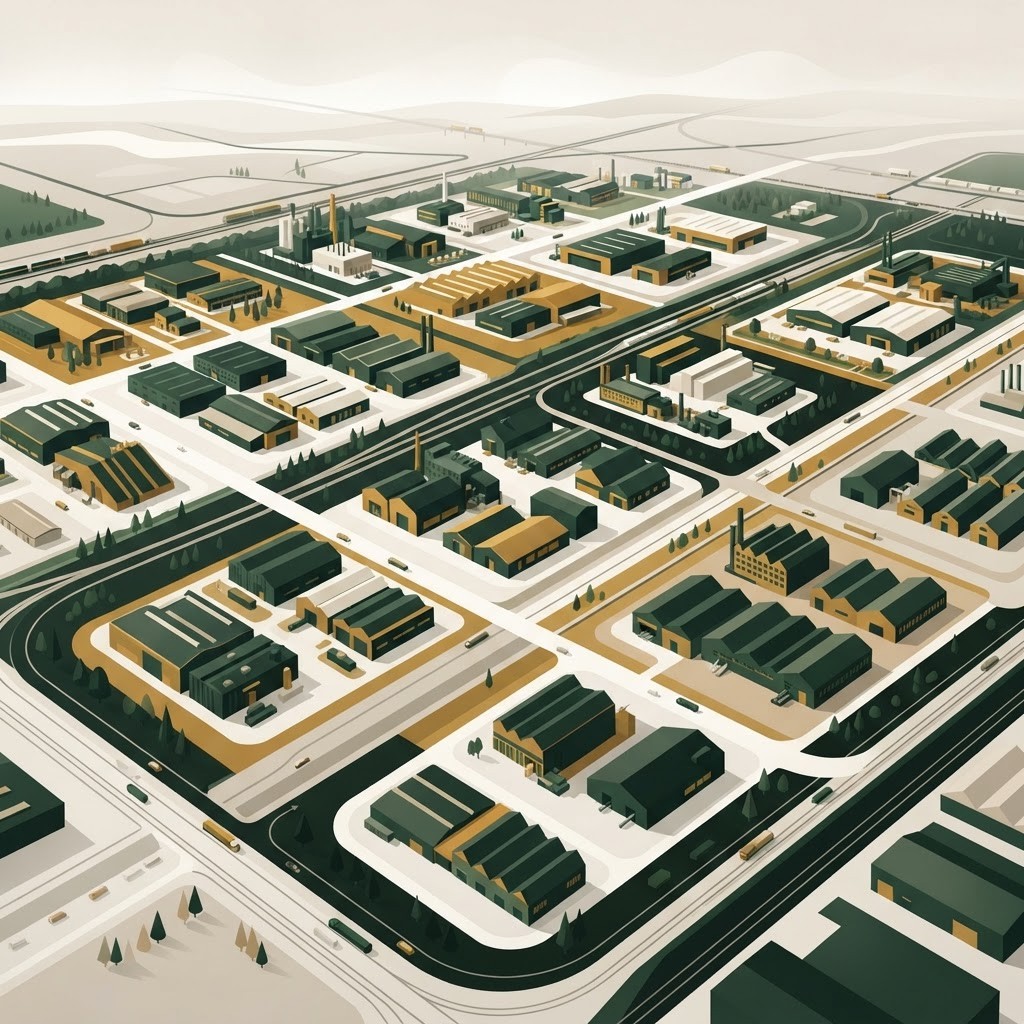
Special Economic Zones have become a cornerstone of industrial and investment policy in Pakistan, offering incentives designed to attract manufacturers, exporters, and technology firms. For businesses looking at the Islamabad region, these zones can dramatically lower the cost of doing business while providing ready infrastructure. Understanding the costs involved and the steps to enter a zone helps investors decide whether this route fits their strategy and plan their capital accordingly.
We help investors evaluate whether a Special Economic Zone suits their operations and then manage the process of setting up within one. Our invest in Islamabad advisory assesses the opportunity, while our manufacturing consultancy supports production planning and our Pakistan infrastructure projects expertise helps you navigate large scale industrial commitments.
Zones are designated areas where businesses enjoy incentives not available elsewhere. These typically include relief on certain duties and taxes, streamlined regulatory processes, and access to developed infrastructure such as roads, power, and utilities. The goal is to concentrate industry, boost exports, and create employment. For an investor, the appeal is a lower cost base and fewer bureaucratic hurdles once inside the zone.
Entering a zone involves several cost layers. First is the cost of land or built space, whether purchased or leased from the zone developer. Second is the cost of construction or fit out for your facility. Third is machinery and equipment, which may benefit from concessions on import duties. Fourth are the operational costs of utilities, labor, and compliance. Finally there are professional and administrative costs for registration, approvals, and ongoing reporting. Mapping these categories early prevents budget surprises.
Not every business qualifies or benefits from a zone. Zones often target specific sectors such as manufacturing, processing, or technology. Begin by confirming that your activity is eligible and that the incentives genuinely improve your economics. A careful feasibility assessment compares operating inside a zone against a conventional location.
Different zones offer different infrastructure, incentives, and proximity to markets and transport. Evaluate factors such as available plot sizes, power reliability, distance to logistics routes, and the maturity of the zone. A zone that matches your supply chain and workforce needs will serve you far better than one chosen purely on headline incentives.
Once you choose a zone, you negotiate for land or space with the zone developer and obtain the necessary approvals to operate. This stage involves submitting your project details, expected investment, and employment plans. Clear, complete documentation speeds the process, while gaps cause delays.
With land secured, you construct or fit out your facility and import the machinery you need. This is often where the largest costs and the most valuable incentives appear, since concessions on equipment imports can substantially reduce capital expenditure. Plan procurement and construction timelines carefully to avoid idle capital.
Before production begins, complete tax registration, obtain operating permits, and establish the record keeping needed to maintain your incentives. Zones usually require periodic reporting to confirm you meet the conditions tied to your benefits. Building strong compliance from the start protects the advantages that drew you to the zone.
A Special Economic Zone can be transformative for the right business, offering a lower cost base and a supportive environment for export oriented growth. However, the commitment is significant, and the incentives come with obligations. A disciplined analysis of costs against benefits, combined with a clear operating plan, ensures the decision strengthens your business rather than stretching it.
The incentives that make a zone attractive are often time bound or tied to conditions such as export volumes and employment levels. Wise investors plan for the day when initial concessions taper off, ensuring the underlying business remains profitable on its own merits. Build financial models that test how your operation performs both with and without the incentives, so you are never dependent on benefits that could change. It is also worth considering how easily you could expand within the zone as demand grows, since relocating a fully equipped facility is costly and disruptive. Choosing a zone with room to scale, reliable infrastructure, and a stable policy environment protects your investment over the years ahead and turns a short term cost advantage into a lasting strategic position.
Setting up in a Special Economic Zone near Islamabad involves clear steps and a layered cost structure, but the rewards can be considerable for eligible, export focused ventures. Success depends on choosing the right zone, planning capital carefully, and maintaining compliance to preserve your incentives. If you want expert support to assess and execute a zone entry, our team at Living Solutions Global can help you plan every stage with confidence.

Written by the Living Solutions team
Strategy, design, and trade expertise, all under one roof.
Let's discuss how we can turn your vision into sustainable growth and measurable success.