Special Economic Zones are reshaping how businesses invest in Islamabad. This guide explores the latest policy, infrastructure, and investor trends driving growth in the capital.
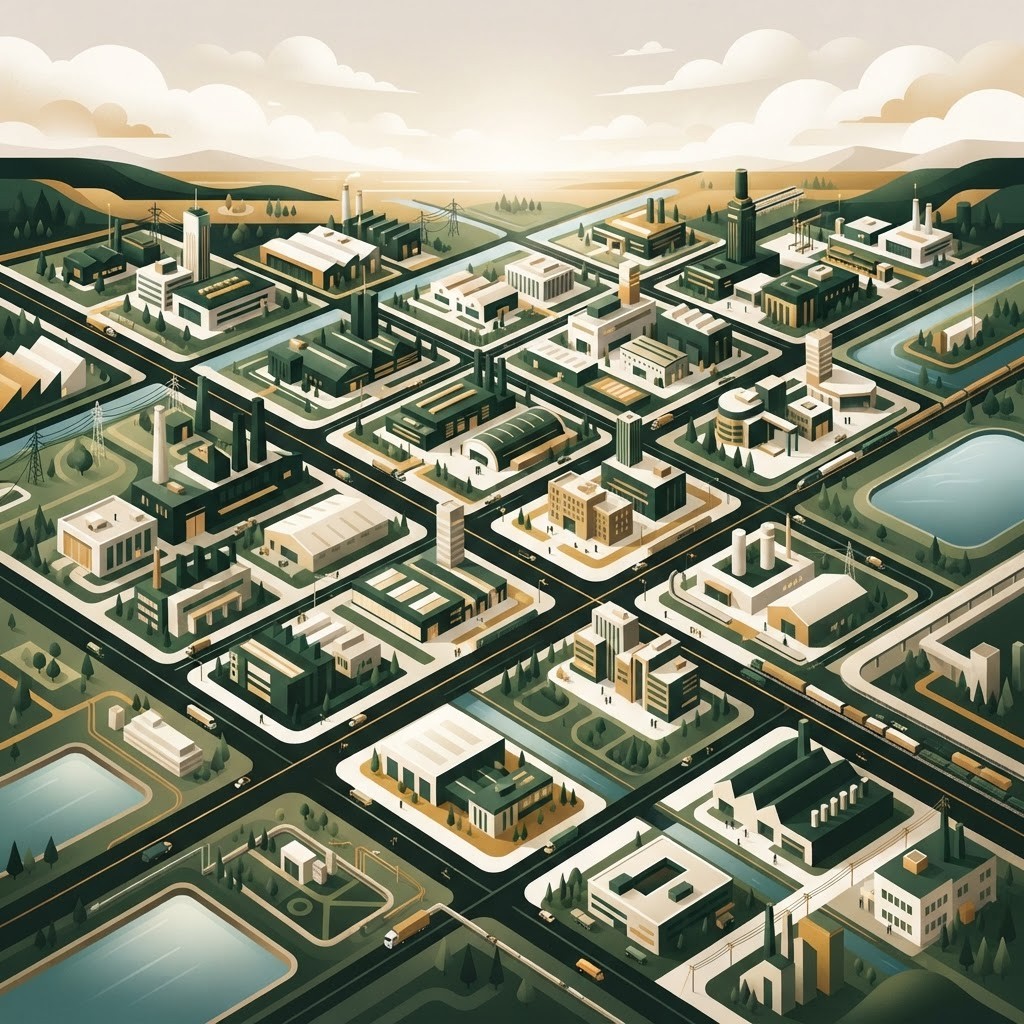
Special Economic Zones, often called SEZs, have become one of the most talked about vehicles for industrial and commercial growth in Islamabad. These designated areas offer investors a package of incentives, streamlined regulation, and dedicated infrastructure that make setting up a business faster and more predictable. As the capital positions itself as a hub for manufacturing, technology, and export oriented industry, understanding the trends that shape these zones is essential for any serious investor.
The appeal of an SEZ lies in its ability to remove many of the frictions that traditionally slow down a new venture. Tax holidays, duty free import of machinery, and simplified approvals allow companies to focus on production rather than paperwork. For Islamabad specifically, proximity to government institutions and a growing pool of skilled professionals adds further weight to the case for investing here.
At Living Solutions Global, we guide investors through every stage of establishing a presence inside an SEZ. Our team provides clear investment consultancy in Pakistan that covers zone selection, incentive analysis, and regulatory compliance. Whether you are a local entrepreneur or exploring foreign investment in Pakistan, we translate complex policy into a practical roadmap so you can commit capital with confidence.
One of the strongest trends is the move toward predictable, long term incentive frameworks. Investors have historically worried about sudden changes in tax treatment or import rules. Recent policy direction has emphasised consistency, giving businesses the confidence to plan over ten and fifteen year horizons. This shift toward stability is drawing larger and more capital intensive projects into Islamabad zones.
Modern zones are increasingly built around reliable power, water, and digital connectivity before a single factory opens. Developers now understand that uninterrupted electricity and high speed internet are not luxuries but prerequisites. In Islamabad, new zones are being planned with dedicated feeders, on site utilities, and road links that connect directly to national highways and dry ports. This infrastructure first approach reduces operational risk and shortens the time to profitability.
Rather than accepting any and every business, zones are becoming more focused. Some target light engineering and electronics, others prioritise pharmaceuticals, food processing, or information technology. This clustering creates supply chain efficiencies, as suppliers and buyers locate near one another. For investors, choosing a zone whose specialisation matches their industry can unlock partnerships and shared services that would be difficult to find elsewhere.
Environmental responsibility is moving from a talking point to a requirement. Newer zones incorporate solar generation, water recycling, and waste management systems. Buyers in export markets increasingly demand proof of sustainable production, so a zone that supports clean operations gives exporters a competitive edge. This trend is especially relevant for companies targeting European and Gulf buyers.
The administration of zones is going digital. Online portals for approvals, single window clearance systems, and electronic tracking of applications are reducing the reliance on manual processes. This transparency limits delays and makes the investment journey far more predictable. It also builds trust with international partners who expect modern, accountable governance.
While the incentives are attractive, success in an SEZ still depends on careful planning. Investors must evaluate demand for their product, the availability of skilled labour, and the true cost of logistics. A zone with generous tax breaks but poor transport links may cost more in the long run than a slightly less generous zone with excellent connectivity. We help clients weigh these factors and identify Pakistan investment opportunities that align with their risk appetite and growth targets.
Islamabad combines the advantages of being the seat of government with a growing services economy and a relatively young, educated workforce. Decisions made in the capital often set the tone for national policy, and being close to those institutions can be an advantage for businesses that need approvals or engage with public projects. Our government advisory practice supports clients who must navigate these relationships professionally and transparently.
The direction of travel is clear. Special Economic Zones in Islamabad are becoming more specialised, better governed, and more focused on sustainable, infrastructure led growth. Investors who understand these trends early can position themselves ahead of the curve, securing the best plots, incentives, and partnerships. With the right guidance, an SEZ can be the foundation of a highly profitable and resilient enterprise in the heart of Pakistan.

Written by the Living Solutions team
Strategy, design, and trade expertise, all under one roof.
Let's discuss how we can turn your vision into sustainable growth and measurable success.