A retail interior shapes how customers feel, browse, and buy. This step by step guide shows how to design and deliver a retail store interior in Islamabad that drives sales.
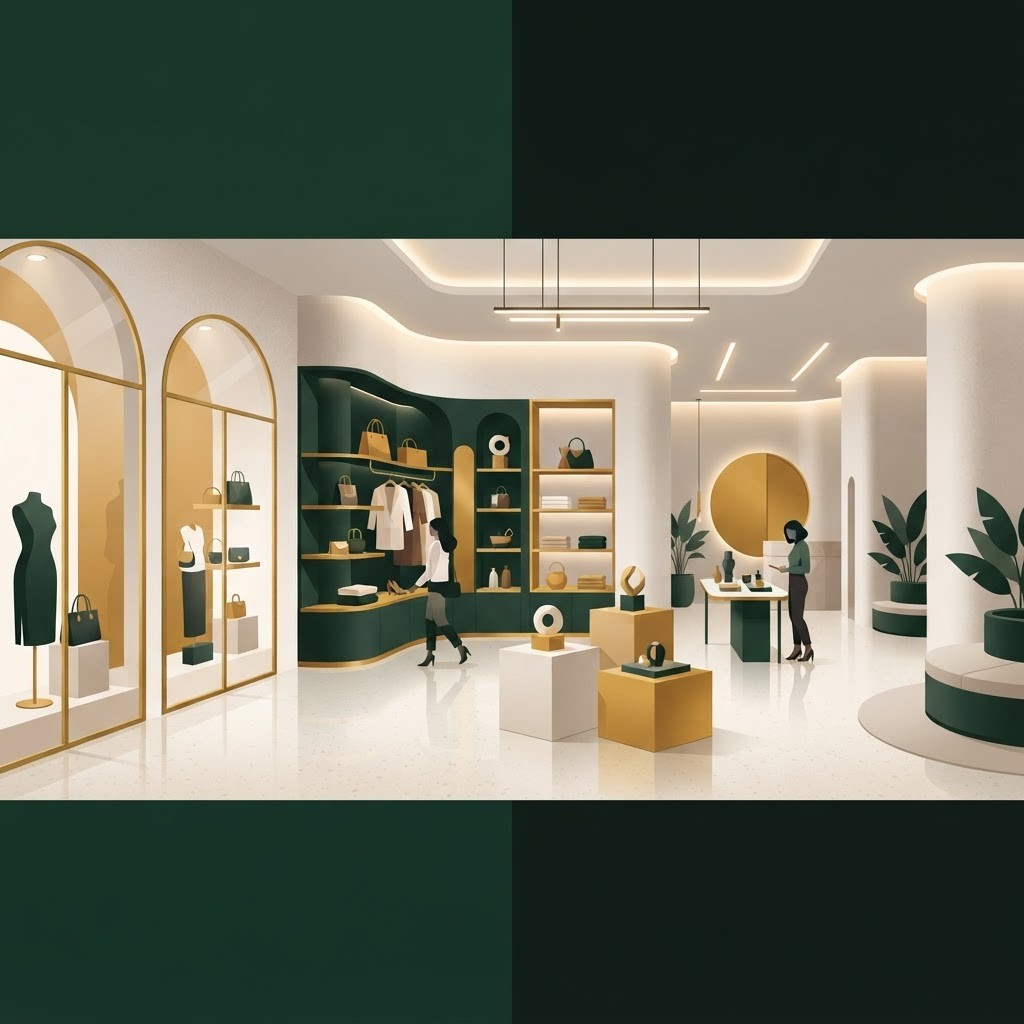
A retail store's interior is far more than decoration. It shapes how customers feel the moment they walk in, guides how they move through the space, influences what they notice, and ultimately affects how much they buy. In a competitive retail market like Islamabad, a well designed interior is a powerful commercial tool. Creating one requires a disciplined process that balances brand, customer experience, and practical operations. This step by step guide walks through how to get it right.
We design and deliver retail interiors that strengthen your brand and encourage customers to buy. Our commercial interior design team creates spaces built around the customer journey, while our fit-out services turn the design into a finished store ready to open.
Everything begins with your brand. The interior must express who you are, whether that is premium and exclusive, warm and welcoming, or bold and energetic. Clarify the identity you want customers to feel, and let it guide every decision on materials, color, lighting, and layout. A store that clearly expresses a strong concept stands out and builds loyalty.
Design for the people who will shop with you. Consider how they browse, what they value, and how they make decisions. A store aimed at families needs different flow and features than one targeting young professionals. Understanding your customer ensures the interior supports their behavior rather than working against it.
Layout is the backbone of retail design. Plan how customers enter, where their eyes fall first, and the path they take through the store. Good layouts draw shoppers in, expose them to more products, and lead them naturally toward key displays and the checkout. Consider the placement of high margin and impulse items, and ensure the space feels easy to navigate rather than cramped or confusing.
Fixtures and displays present your products and shape the shopping experience. Design them to showcase merchandise attractively, allow easy access, and remain flexible for changing stock and seasons. Well designed displays make products desirable and help customers find what they want. Balance visual impact with practicality, since staff must restock and maintain these fixtures daily.
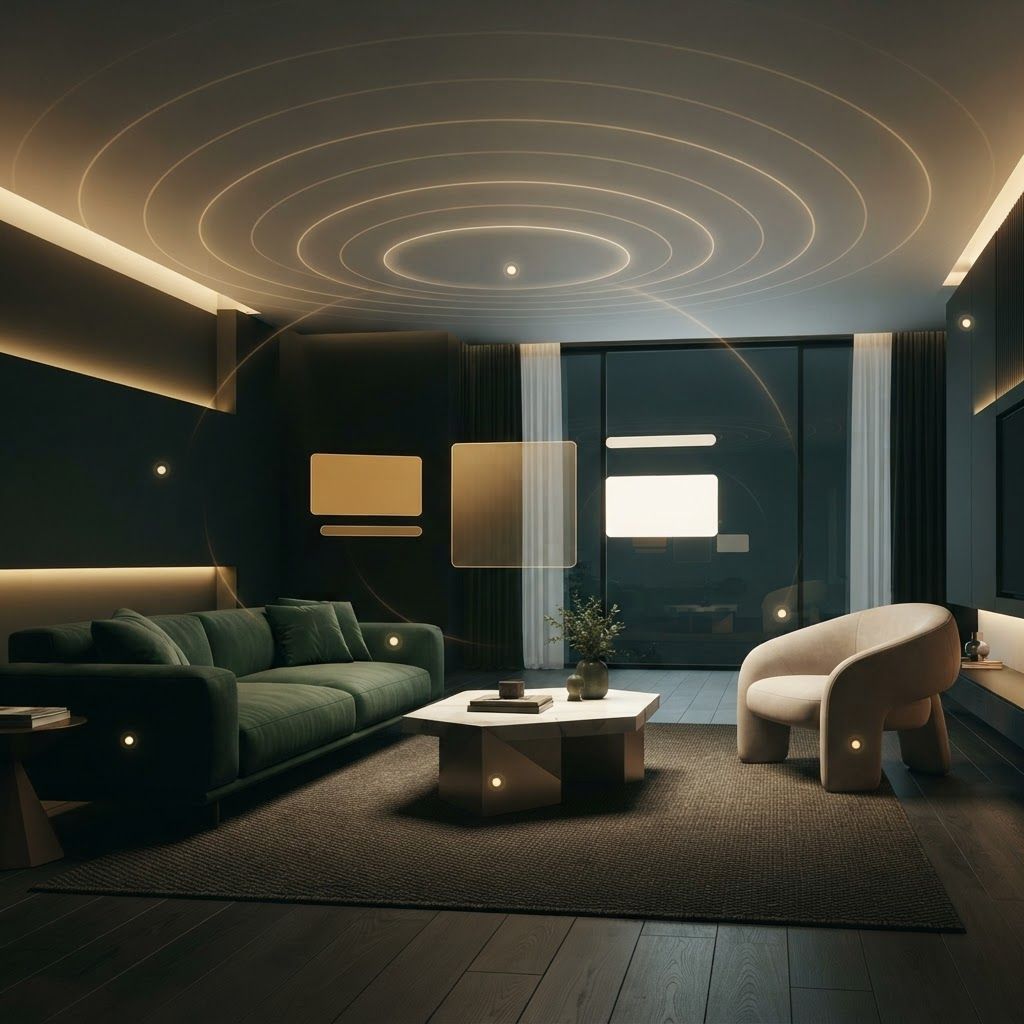
Lighting is one of the most powerful tools in retail design. Layered lighting combines general illumination with accent lighting that highlights products and creates atmosphere. The right lighting makes merchandise look its best, draws attention to key areas, and sets the emotional tone of the store. Poor lighting, by contrast, makes even good products look flat.
Materials communicate quality and reinforce your brand. Premium stores use rich, tactile finishes, while value focused stores favor clean, durable surfaces. Beyond appearance, materials must withstand heavy foot traffic and be easy to maintain. Choosing finishes that balance appeal and durability protects both your image and your investment.
The checkout is where the sale is completed and the final impression is formed. Position it logically, size it to handle busy periods without long queues, and design it to encourage last minute purchases. A smooth, pleasant checkout leaves customers with a positive memory that brings them back.
A beautiful store must also function. Plan storage, staff areas, and stock movement so operations run smoothly behind the scenes. Ensure the design meets safety requirements, provides clear circulation, and is accessible to all customers. Practical considerations protect both your staff and your customers.
With the design complete, careful fit out brings it to life. Manage the construction and installation to protect quality and timeline. Once open, observe how customers actually use the space and refine displays and layout over time. The best retail interiors evolve based on real customer behavior.
Displays are where design meets selling. Plan focal displays at natural stopping points, keep your best sellers and highest margin products at eye level, and give featured items room to breathe rather than crowding shelves. Use height, grouping, and lighting to draw the eye and tell a story about each product. Flexible fixtures let you refresh displays for new seasons and promotions without rebuilding the store. Thoughtful merchandising guides customers toward the products you most want to sell while making the whole space feel curated and considered, which encourages shoppers to spend more time browsing and, in turn, to buy more before they leave.
A beautiful store must also work for the people who run it. Position the checkout where staff can see the floor and serve customers efficiently, and make sure fitting rooms, storage, and stock replenishment routes do not disrupt the shopping experience. Consider sightlines for security, comfortable circulation during busy periods, and easy access for restocking shelves. A layout that supports smooth daily operations keeps staff productive and customers happy, while one that ignores these realities creates constant friction. Balancing an attractive customer facing design with practical back of house needs is what separates a store that merely looks good from one that truly performs.
A successful retail interior in Islamabad flows from a clear brand concept through thoughtful layout, compelling displays, effective lighting, and practical operations. Each step builds a space that not only looks impressive but actively encourages customers to browse and buy. If you want a partner to design and deliver a retail store that drives sales, our team at Living Solutions Global is ready to help you create it.

Written by the Living Solutions team
Strategy, design, and trade expertise, all under one roof.
Let's discuss how we can turn your vision into sustainable growth and measurable success.