
Sustainable infrastructure balances economic progress with environmental responsibility. Learn the principles behind resilient, resource efficient design and how we help deliver infrastructure projects that create lasting value.
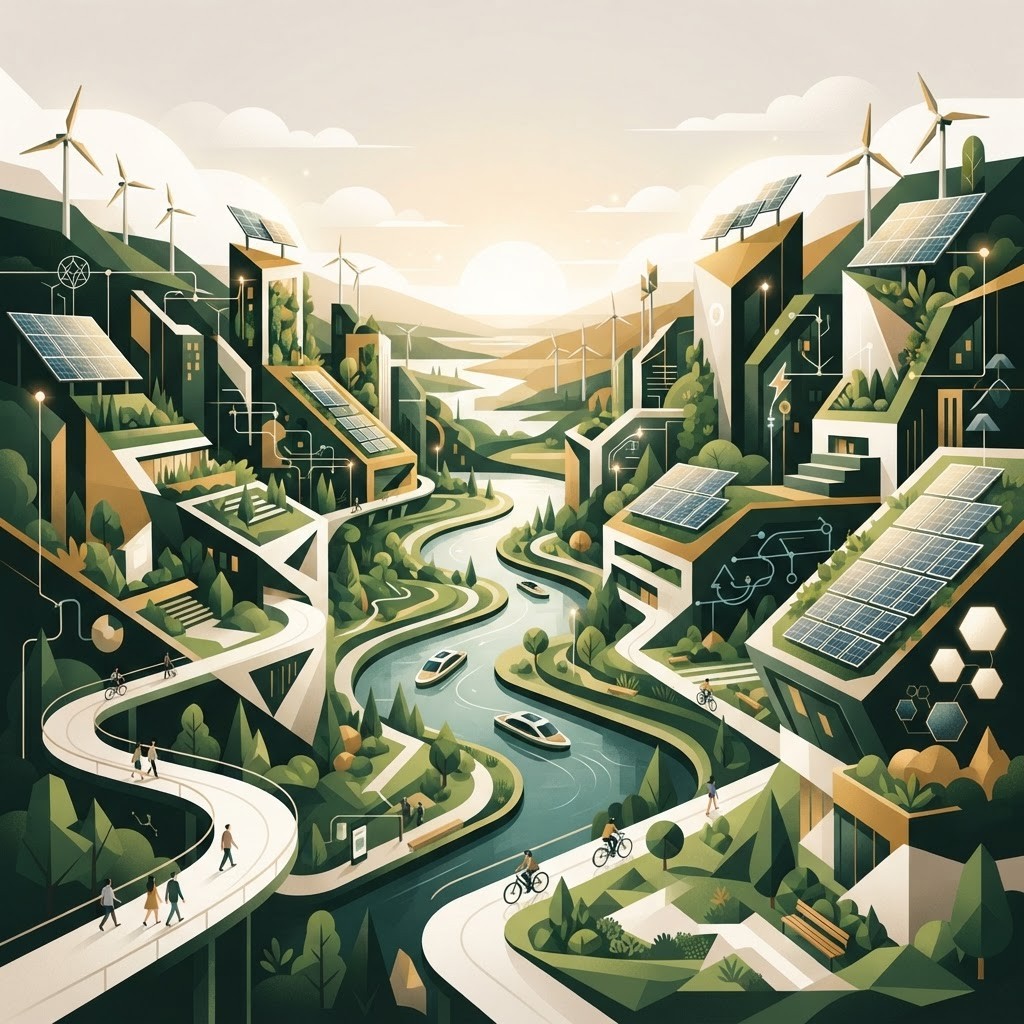
Sustainable infrastructure design is reshaping how we build the systems that support modern life. Roads, buildings, water networks, energy grids, and public facilities all have profound effects on the environment and on communities. Traditional approaches often prioritized short term cost and speed, leaving a legacy of pollution, waste, and vulnerability to climate risks. Sustainable design takes a broader view, balancing economic progress with environmental responsibility and social wellbeing. In Pakistan, where infrastructure investment is growing rapidly, embracing sustainable design is essential to building systems that serve people well for decades without depleting resources or harming the planet.
Sustainable infrastructure is not simply about being green. It is about creating resilient, efficient, and durable systems that deliver value over their entire lifetime. This means considering the full impact of a project, from the materials used and energy consumed to the benefits it provides and the risks it faces. Done well, sustainable infrastructure reduces costs, improves quality of life, and protects communities against future shocks.
At Living Solutions Global (livingsolutionsglobal.com) we help clients plan and deliver infrastructure that is both sustainable and commercially sound. As a key contributor to Pakistan infrastructure projects, we bring feasibility analysis, design insight, and delivery expertise to complex developments. Our disciplined project management ensures that sustainability goals are translated into practical results, keeping projects on schedule, within budget, and true to their environmental commitments.
Sustainable infrastructure rests on several guiding principles. Resource efficiency ensures that materials, water, and energy are used carefully and waste is minimized. Durability and adaptability mean that structures are built to last and to accommodate future needs. Environmental protection safeguards air, water, soil, and ecosystems from harm. Social benefit ensures that projects improve lives and serve communities fairly. Applying these principles from the earliest planning stages produces infrastructure that performs well across economic, environmental, and social dimensions.
Life cycle thinking is central to this approach. Rather than focusing only on construction cost, sustainable design considers the entire life of a project, including operation, maintenance, and eventual renewal. This perspective often reveals that investing more upfront in quality and efficiency yields far greater savings over time.
Energy efficiency is a cornerstone of sustainable infrastructure. Designing systems that consume less power reduces both costs and emissions. Renewable energy sources such as solar and wind can be integrated to further cut reliance on fossil fuels. Water efficient design conserves a precious resource through smart drainage, recycling, and conservation measures. Efficient use of materials, including recycled and locally sourced options, lowers environmental impact and often reduces cost. These efficiencies compound over the life of a project, delivering ongoing benefits long after construction ends.
Climate change is making resilience a critical concern for infrastructure. Rising temperatures, changing rainfall, flooding, and extreme weather threaten systems that were designed for past conditions. Sustainable infrastructure anticipates these challenges, building in the strength and flexibility to withstand them. This might mean elevating structures against flooding, designing drainage for heavier storms, or using materials that endure heat and stress. Resilient infrastructure protects the investment and, more importantly, safeguards the communities that depend on it. Planning for resilience is now a fundamental part of responsible design.
Sustainability and profitability are not in conflict. Sustainable infrastructure often delivers superior economic returns through lower operating costs, longer lifespans, and reduced risk. Efficient systems save money on energy and maintenance. Durable designs avoid frequent repairs and replacements. Resilient projects avoid the enormous costs of damage and disruption. These advantages make sustainable infrastructure attractive to those who invest in Pakistan, offering both financial returns and positive impact. As awareness grows, sustainable projects increasingly enjoy easier access to finance and stronger market demand.
Delivering sustainable infrastructure requires aligning technical design with broader organizational and national goals. Clear strategy ensures that sustainability objectives are defined, measured, and pursued consistently. Strong corporate strategy connects individual projects to long term visions for growth, competitiveness, and responsibility. When sustainability is embedded in strategy rather than treated as an afterthought, it drives better decisions and more consistent results across every project an organization undertakes.
Implementing sustainable infrastructure comes with challenges. Higher upfront costs, unfamiliar technologies, and complex coordination can deter decision makers focused on short term budgets. Overcoming these barriers requires education, clear analysis of long term benefits, and strong leadership. Demonstrating the financial and social returns of sustainable design helps build support among stakeholders and financiers. With the right guidance and commitment, these challenges become manageable, and the rewards of sustainable infrastructure far outweigh the initial hurdles.
Sustainable infrastructure design is essential to building a prosperous and resilient future for Pakistan. By balancing efficiency, durability, environmental protection, and social benefit, sustainable projects deliver lasting value to communities and investors alike. The transition to sustainable infrastructure is not only responsible but also economically wise, offering lower costs, greater resilience, and stronger returns. With careful planning, clear strategy, and expert delivery, sustainability and progress can advance together. We are ready to help you design and deliver infrastructure that serves people, protects the environment, and creates enduring value.

Written by the Living Solutions team
Strategy, design, and trade expertise, all under one roof.
Let's discuss how we can turn your vision into sustainable growth and measurable success.