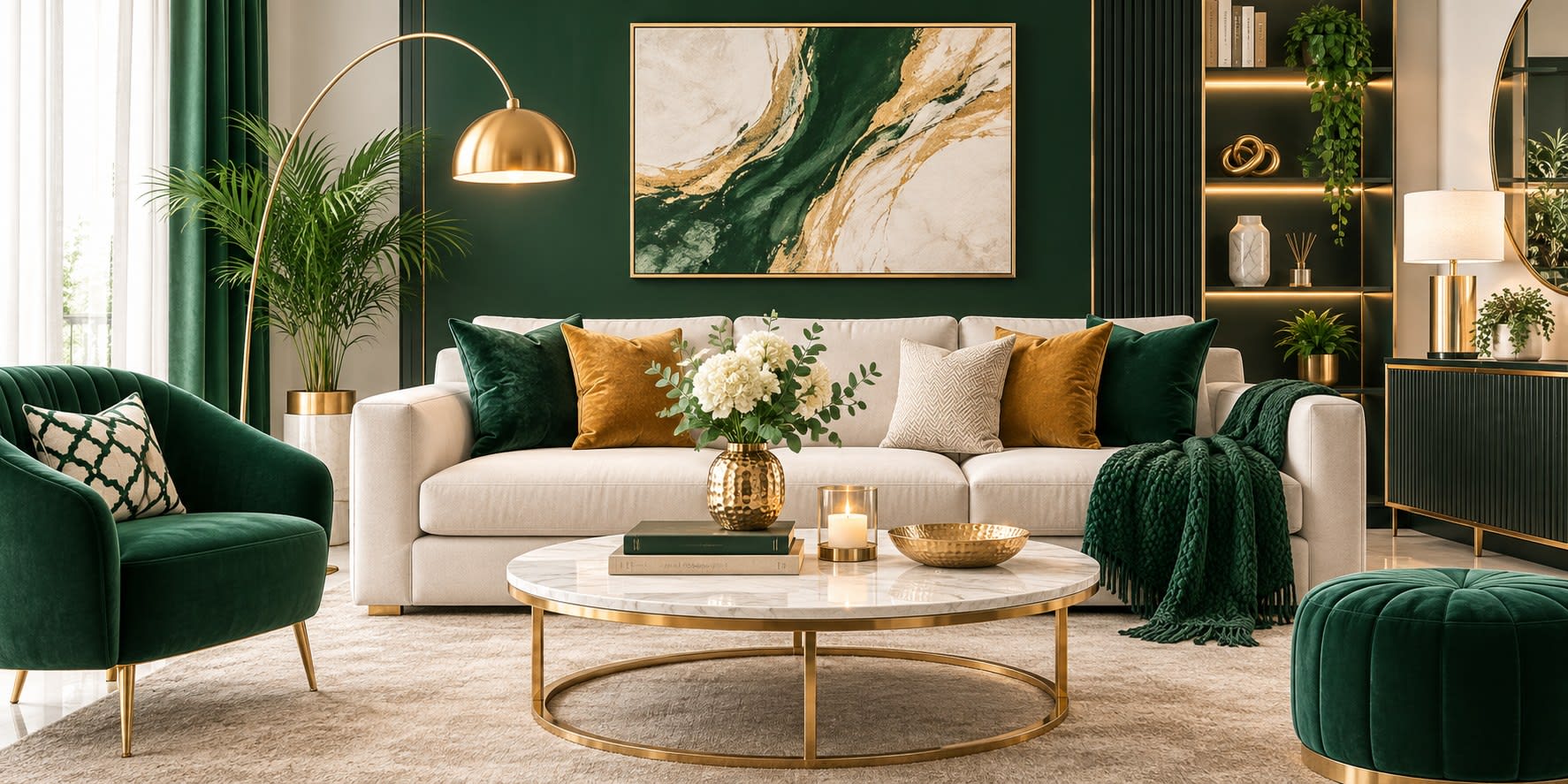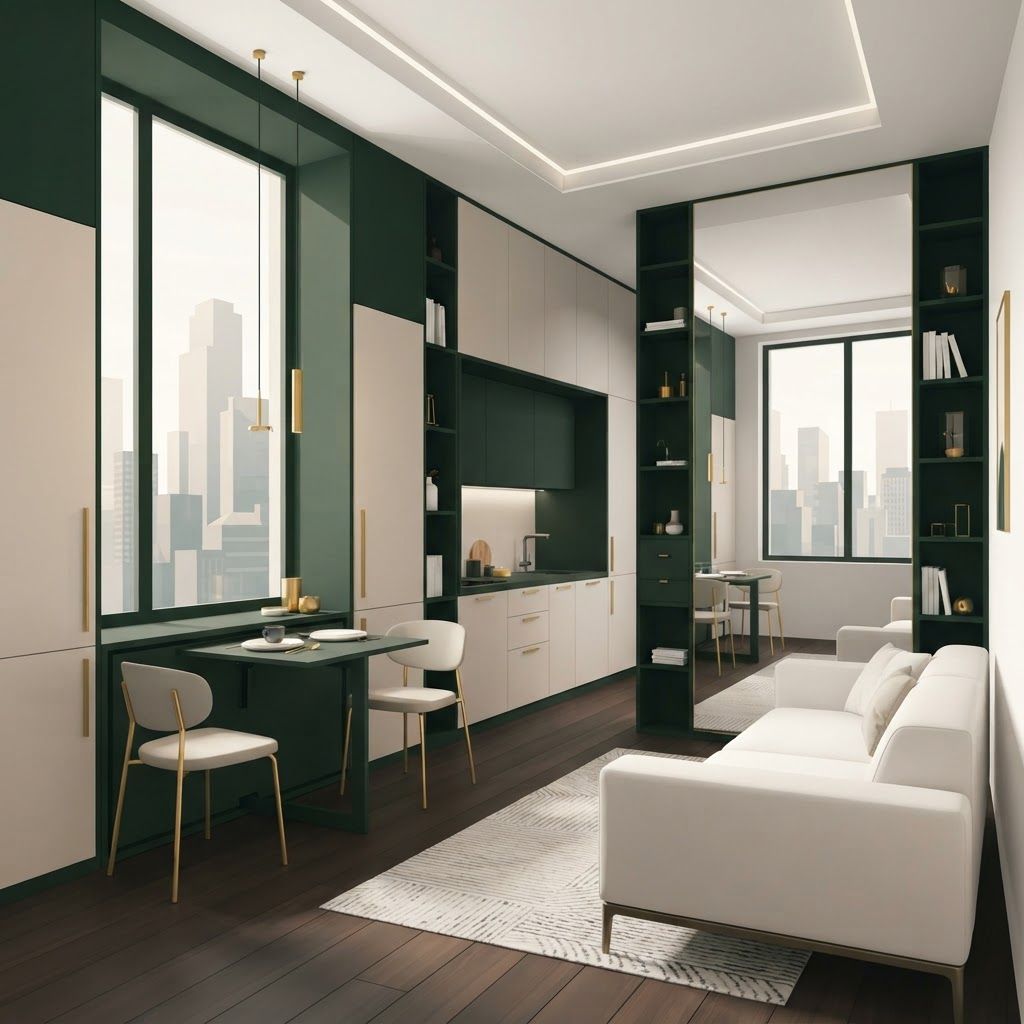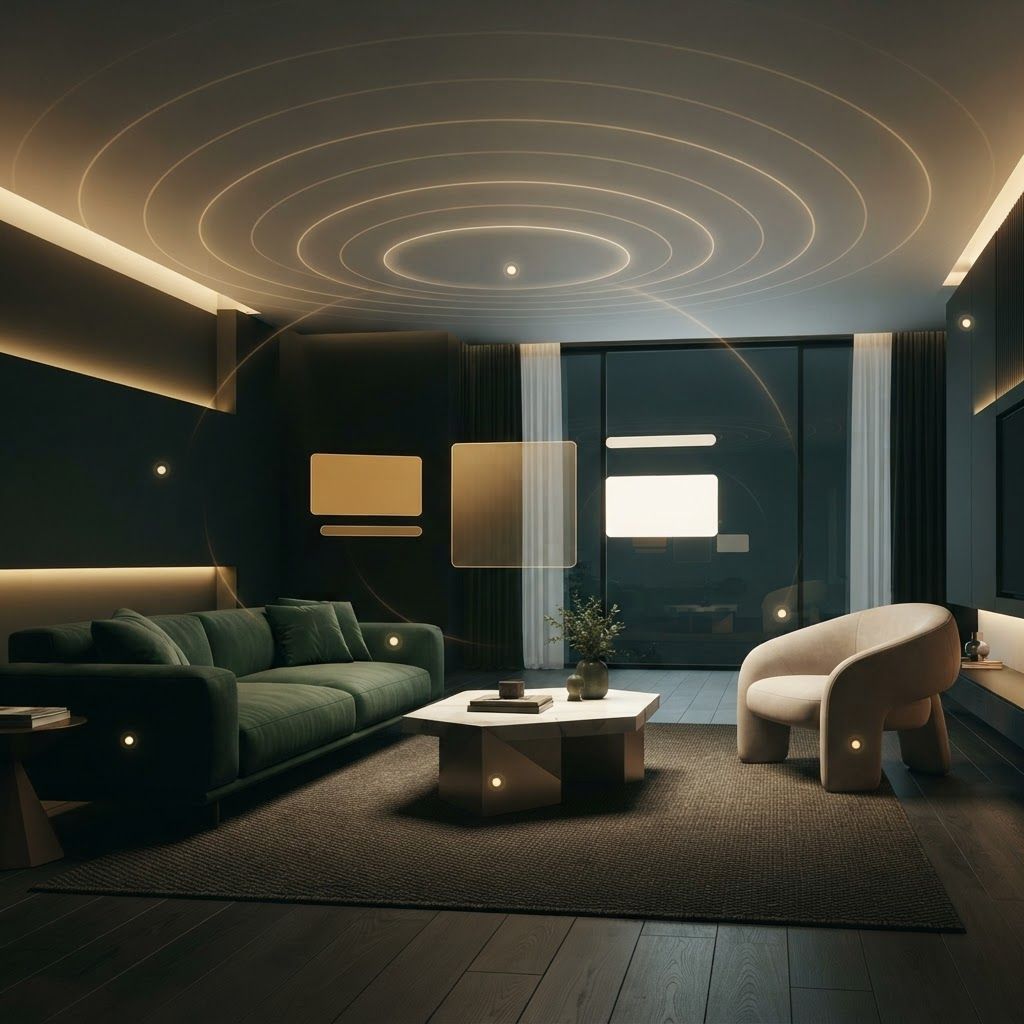
Explore sustainable interior design principles that reduce environmental impact while creating healthy, beautiful spaces. Learn about eco friendly materials, energy efficiency, and responsible design for homes and businesses.
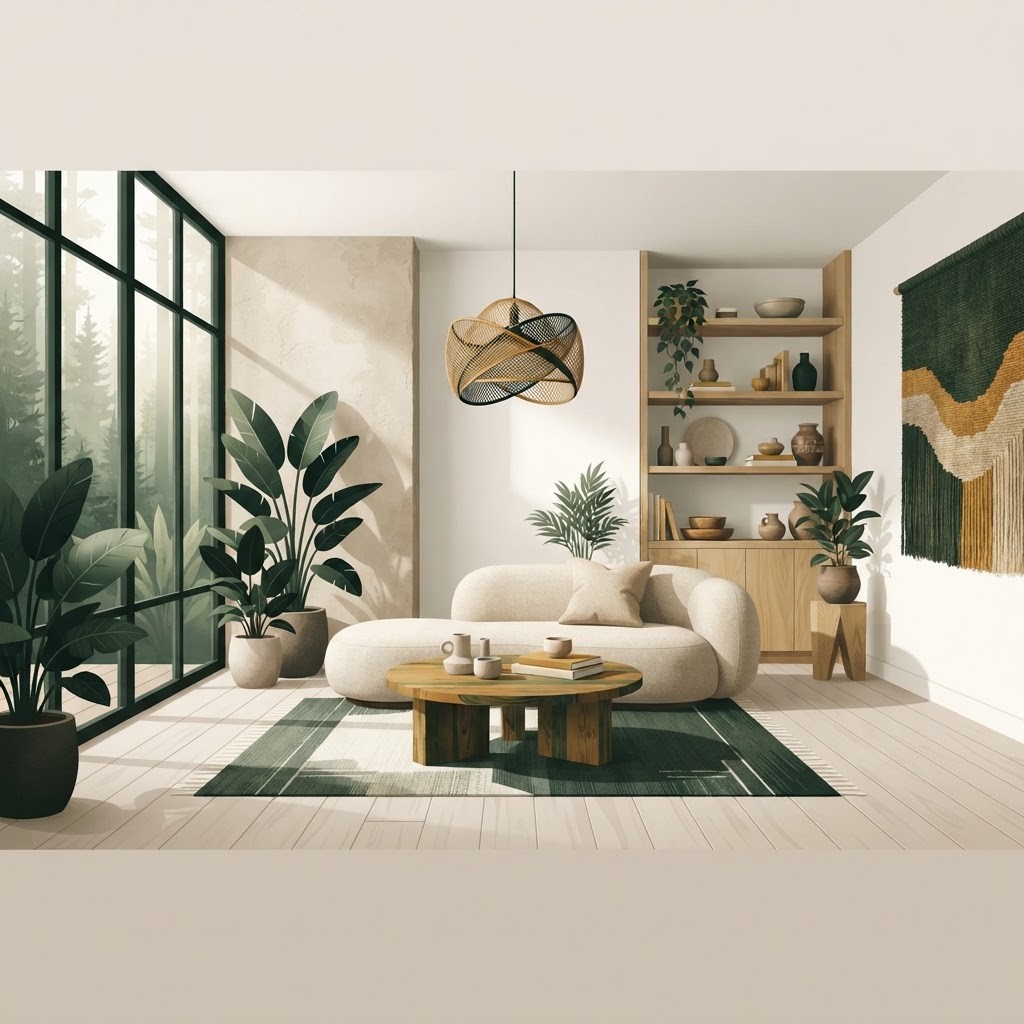
Sustainable interior design is about creating beautiful, functional spaces while minimizing environmental impact and supporting human health. It goes beyond aesthetics to consider how materials are sourced, how energy is used, and how a space affects the people who occupy it. As awareness grows in Pakistan and around the world, sustainable design has shifted from a niche choice to a smart, responsible standard. This article explores the core principles of sustainable interior design and how they benefit both the planet and your bottom line.
At Living Solutions Global we integrate sustainability into every stage of our design process, from material selection to energy efficient solutions. Our team helps homes and businesses reduce their environmental footprint while creating healthy, elegant spaces. Whether you need eco conscious homes through our residential interior design or responsible workplaces through our commercial interior design, we deliver results that are both beautiful and responsible. Partnering with Living Solutions Global means sustainability and style go hand in hand.
Material selection is at the heart of sustainable design. Choosing responsibly sourced, renewable, and recyclable materials reduces environmental harm and often improves indoor air quality. Options such as reclaimed wood, bamboo, natural stone, recycled metals, and low emission finishes offer beauty and durability with a smaller footprint. Prioritizing locally sourced materials also reduces transport emissions and supports the regional economy, making your project more sustainable from the ground up.
Energy use is a major factor in a space's environmental impact. Sustainable interiors maximize natural daylight through smart layouts, glass partitions, and reflective surfaces, reducing the need for artificial lighting. Energy efficient lighting, along with smart controls and sensors, further cuts consumption. Efficient heating, cooling, and ventilation systems keep spaces comfortable while lowering energy bills. These measures reduce environmental impact and deliver meaningful long term savings.
One of the most sustainable choices is to design spaces that last. Durable, high quality materials and timeless design reduce the need for frequent replacements and renovations, which cuts waste and resource use. Flexible, adaptable layouts allow spaces to evolve without complete overhauls. By investing in longevity rather than disposable trends, you create interiors that remain functional and attractive for many years, protecting both the environment and your investment.
Sustainable design closely connects with human health, and indoor air quality is a key concern. Many conventional materials release harmful compounds that affect wellbeing. Choosing low emission paints, adhesives, and furnishings reduces exposure to pollutants. Incorporating natural ventilation, air purifying plants, and proper airflow creates a healthier environment. Clean indoor air improves comfort, concentration, and overall health, making it a valuable benefit for homes and workplaces alike.
Biophilic design connects people with nature and is a cornerstone of sustainable interiors. Incorporating plants, natural materials, water features, and views of greenery reduces stress and enhances wellbeing. Natural textures and earthy color palettes create calming, restorative environments. Beyond their emotional benefits, plants improve air quality and add life to a space. This connection to nature makes sustainable interiors feel warm, inviting, and genuinely pleasant to inhabit.
Sustainable design actively works to reduce waste at every stage. Repurposing existing furniture, choosing modular systems, and planning carefully to avoid excess materials all minimize waste. Selecting products with minimal packaging and recyclable components further reduces impact. Thoughtful planning ensures resources are used efficiently, turning sustainability into a practical discipline rather than an afterthought.
Sustainable interior design is not only good for the planet, it is also good for business. Lower energy and maintenance costs improve long term value, while healthier environments boost productivity and wellbeing. Increasingly, clients, customers, and employees value organizations that demonstrate environmental responsibility. A sustainable interior strengthens brand reputation and signals a forward thinking, ethical mindset that resonates with modern audiences.
Water is a precious resource, and sustainable interiors help conserve it. Low flow fixtures, efficient fittings, and smart controls reduce consumption without sacrificing comfort. In larger projects, systems that capture and reuse water can significantly cut waste. Landscaping with native, low water plants complements interior efforts and creates a cohesive sustainable environment. These measures reduce utility costs and environmental strain while demonstrating a genuine commitment to responsible design. Small choices, applied consistently, add up to meaningful savings over the life of a space.
Sustainable interior design proves that beauty, function, and responsibility can coexist. By choosing eco friendly materials, improving efficiency, prioritizing health, and reducing waste, you create spaces that benefit people and the planet. Whether you are designing a home or a commercial space, embracing sustainability is a wise and rewarding choice. Explore our interior design in Pakistan services and let us help you create an interior that is elegant, healthy, and responsible.

Written by the Living Solutions team
Strategy, design, and trade expertise, all under one roof.
Let's discuss how we can turn your vision into sustainable growth and measurable success.