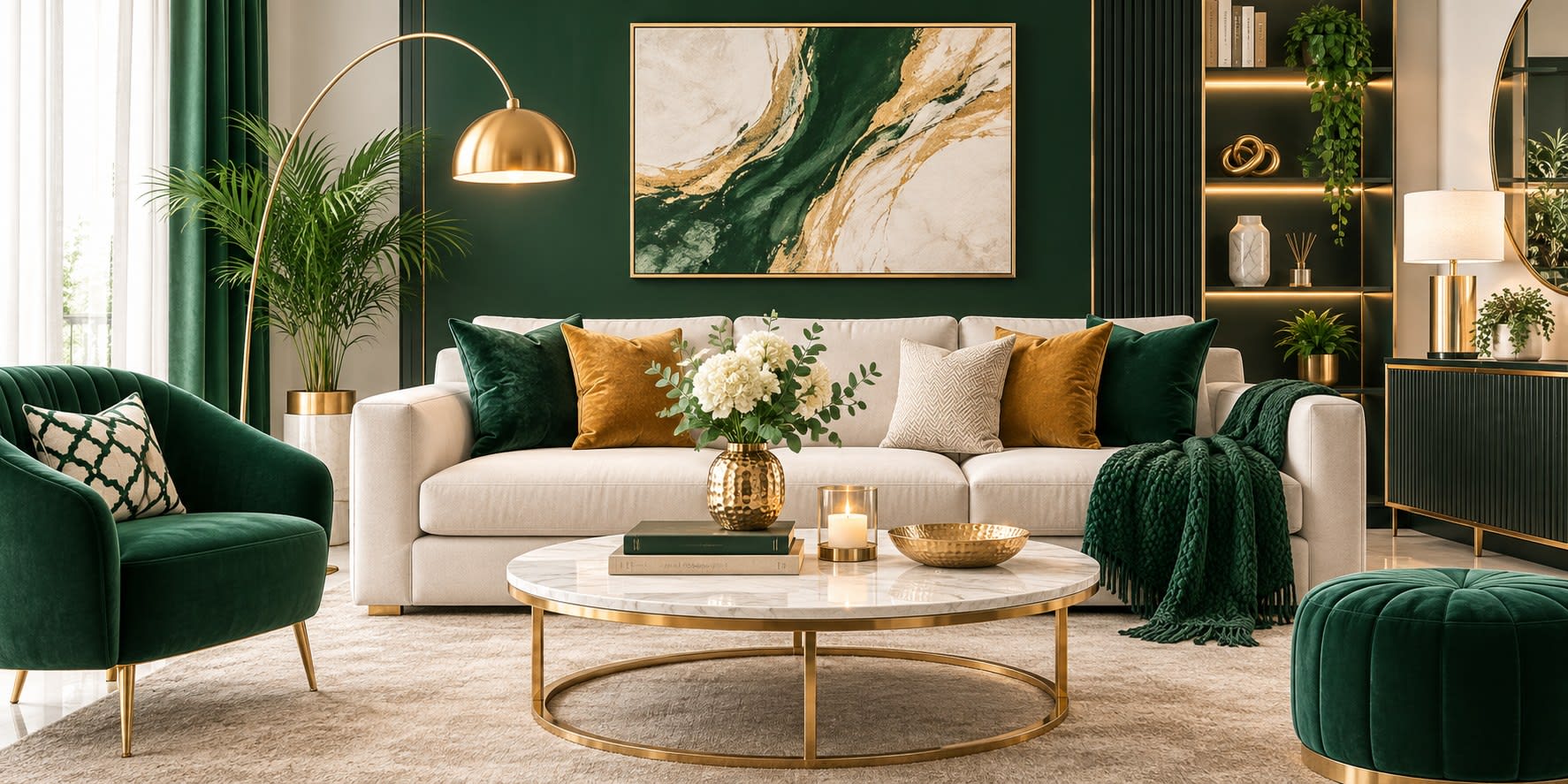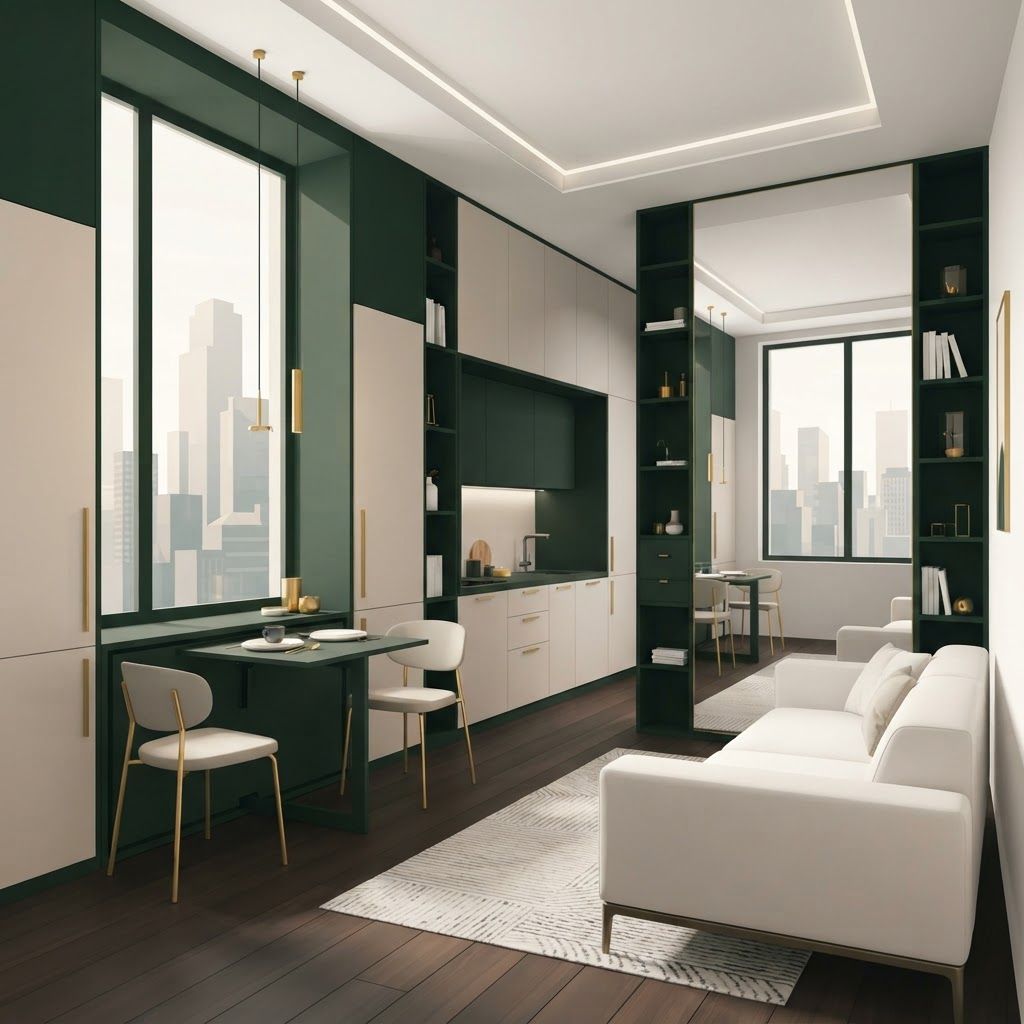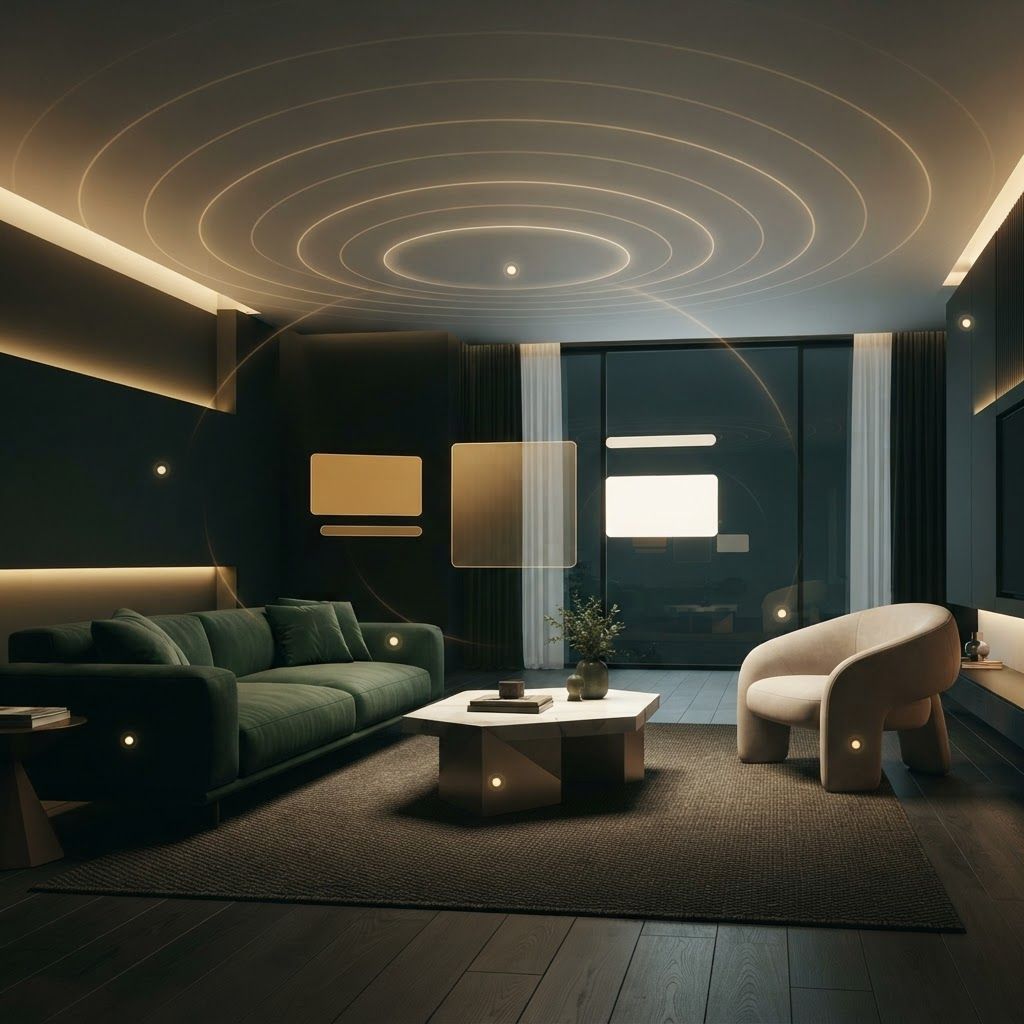
Sustainable interior design in Pakistan combines passive cooling, local materials, water efficiency and durable specification to reduce both environmental impact and running costs. This guide explains practical measures suited to Pakistani climate and supply chains. It also shows why sustainable choices usually save money over time.
Sustainability in interiors is often misunderstood as an expensive imported concept involving certifications and bamboo flooring. In Pakistan the reality is far more practical and far more relevant. With rising electricity tariffs, growing water scarcity, extreme summer temperatures and a currency that punishes import dependence, sustainable design is simply good design. It reduces bills, improves comfort and produces spaces that last longer. This guide covers what actually works here.
At Living Solutions Global we build sustainability into specification rather than treating it as an optional upgrade. Our Interior Design and Fit Out division prioritises passive comfort, locally sourced materials, water efficient fittings, low emission finishes and durability that resists replacement cycles. We also calculate running cost implications so you can see the payback rather than taking our word for it. Discover how these principles run through our interior design in Pakistan projects, from apartments in Islamabad to commercial spaces nationwide.
The most sustainable measure available to you costs nothing to run. Passive design reduces the need for mechanical cooling before a single appliance is switched on.
Manage solar gain first. West and south facing glazing delivers punishing heat through Pakistani summers. Deep reveals, external shading, pergolas, thick lined curtains and layered window treatment reduce that load dramatically. Where glass is being replaced, specify performance glazing rather than plain float glass.
Encourage cross ventilation. Openings on opposite sides of a space allow air to move through rather than stagnate. Even in an apartment, careful positioning of internal openings, ventilated door panels and ceiling fans can make natural ventilation viable for much of the year.
Use light coloured, reflective surfaces on exposed roof terraces and upper floors. Surface temperature reduction translates directly into cooler rooms below.
Insulate where you can. False ceilings with insulation above, insulated roof treatment and even heavy curtains all slow heat transfer. These measures are inexpensive during a fit out and expensive to retrofit later.
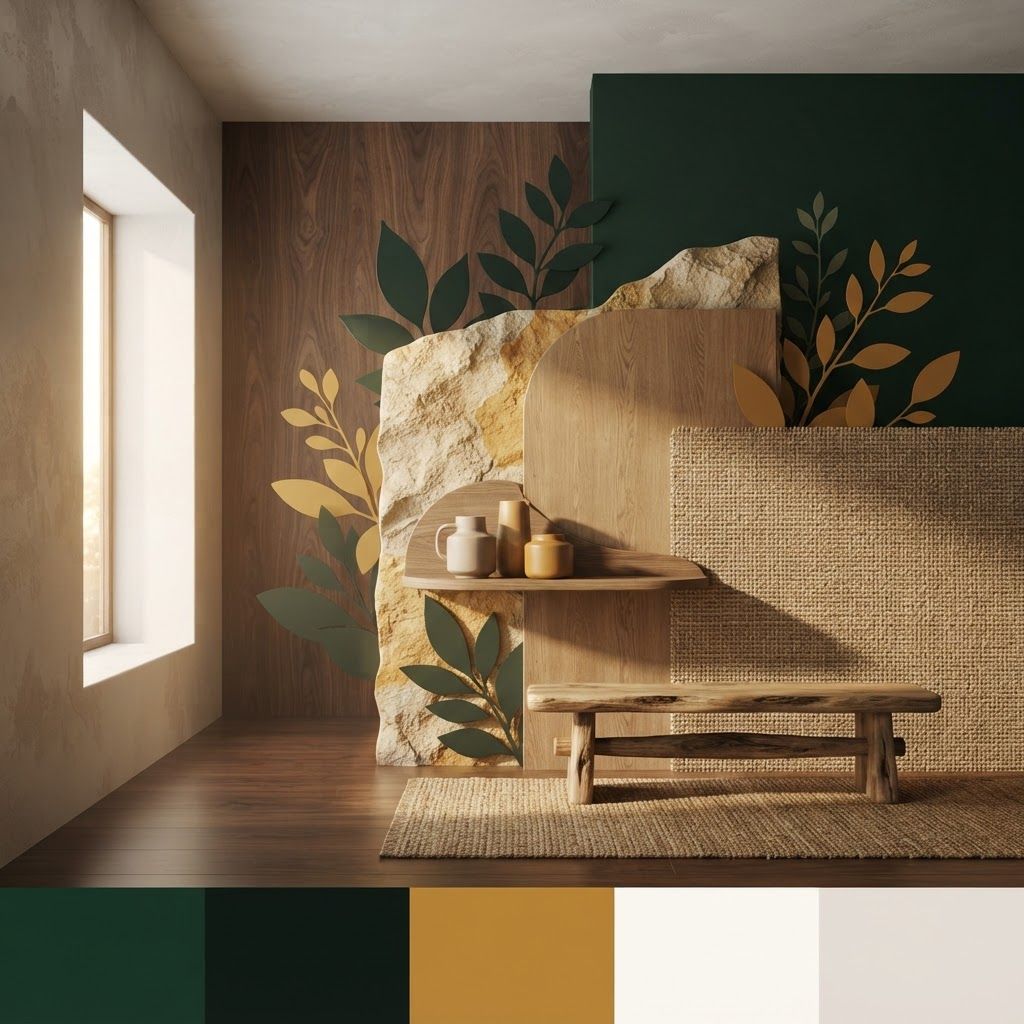
Locally produced materials carry a far smaller carbon footprint than imported equivalents, and in Pakistan they also insulate you from import duty, freight cost and currency movement.
Pakistani marble and stone are abundant, high quality and available in beautiful variety. Locally grown and processed timber, used responsibly, performs well in our climate because it has already adapted to local humidity. Regional textiles, hand woven cotton, jute, khaddar and block printed fabric bring genuine character while supporting domestic craft.
Local sourcing has an unglamorous but valuable benefit. When a panel is damaged or a tile cracks in five years, you can still obtain a match. Imported discontinued products leave you replacing a whole surface.
Water scarcity is a serious and growing issue across Pakistan, and interiors influence consumption more than people assume.
Dual flush cisterns, aerated tap fittings and efficient shower heads reduce usage substantially without any perceptible loss of comfort. Repairing and preventing leaks matters just as much, which means specifying quality concealed plumbing rather than the cheapest available option, because a hidden leak wastes water for months before anyone notices.
Where the property allows, provision for greywater reuse in landscape irrigation or a simple rainwater collection arrangement during monsoon adds meaningful capacity.
Lighting is the easiest win in any interior. Modern efficient fixtures consume a fraction of the energy of older lamps and last far longer, which reduces both bills and waste.
Design lighting in layers with separate circuits so you illuminate only what you need. Motion sensing in corridors, utility areas and bathrooms prevents lights burning in empty rooms. Dimming reduces consumption while improving atmosphere.
Beyond lighting, plan for appliance efficiency and, importantly, plan for solar. Even if you are not installing panels now, running conduit and allowing space for inverter and battery equipment during the fit out makes future installation straightforward instead of disruptive.
Air quality in Pakistani cities is a genuine health concern, particularly through winter smog season. Interiors can help or hurt.
Specify low emission paints, adhesives and boards. Conventional products release volatile compounds for weeks after installation, which is why a newly finished room often smells sharp. Ensure kitchens have properly ducted extraction rather than recirculating hoods, because Pakistani cooking generates significant oil and smoke.
Choose finishes that do not trap dust. Simple detailing, washable surfaces and fewer horizontal ledges make a real difference in a dusty climate. Indoor plants contribute modestly to air quality and considerably to wellbeing.
The greenest product is the one you do not have to replace. Durability is the most underrated sustainability strategy in interiors.
Select materials rated for their location, meaning hard wearing flooring in circulation zones, moisture resistant board in wet areas and quality hardware on doors and drawers that will be opened thousands of times. Prefer construction that can be repaired, so a damaged section can be replaced without dismantling the whole unit.
Avoid highly distinctive permanent finishes. A scheme that dates quickly invites premature renovation, which is the least sustainable outcome of all. Restraint in fixed elements and expression in changeable ones is both stylish and responsible. This philosophy shapes every residential interior design scheme we deliver.
Before demolishing anything, assess what can be retained. Solid wood furniture can be refinished. Doors can be repaired and repainted. Marble can be recut and polished. Good quality frames can be reupholstered at a fraction of replacement cost.
On site, waste reduction comes from accurate quantity calculation, careful cutting plans and separating materials for recycling rather than sending everything to landfill. Surplus materials in good condition can often be donated or sold. Disciplined procurement and supervision are central to our fit out services for exactly this reason.
For businesses the commercial case is straightforward. Efficient lighting and cooling reduce operating expense every month. Durable specification lowers refurbishment frequency. Better air quality and daylight measurably improve staff comfort and attendance. And a demonstrably responsible workplace supports recruitment and client perception without a marketing budget.
The persistent myth is that sustainable interiors cost more. Some individual products do, but the total picture usually favours sustainability. Passive shading reduces cooling load permanently. Efficient fittings cut monthly bills. Local sourcing avoids duty and freight. Durable specification postpones replacement by years. Measured over a decade, the responsible choice is almost always the cheaper one.
Sustainability is a series of sensible decisions made at the right moment, not a premium package added at the end. If you want a home or workplace that is comfortable in July, affordable to run and built to last, speak to our team early and we will build these principles into the design from the first sketch.

Written by the Living Solutions team
Strategy, design, and trade expertise, all under one roof.
Let's discuss how we can turn your vision into sustainable growth and measurable success.