Sustainable urban planning creates cities that are livable, resilient, and environmentally responsible. Discover the principles guiding sustainable development and how Living Solutions Global helps shape better urban futures across Pakistan.
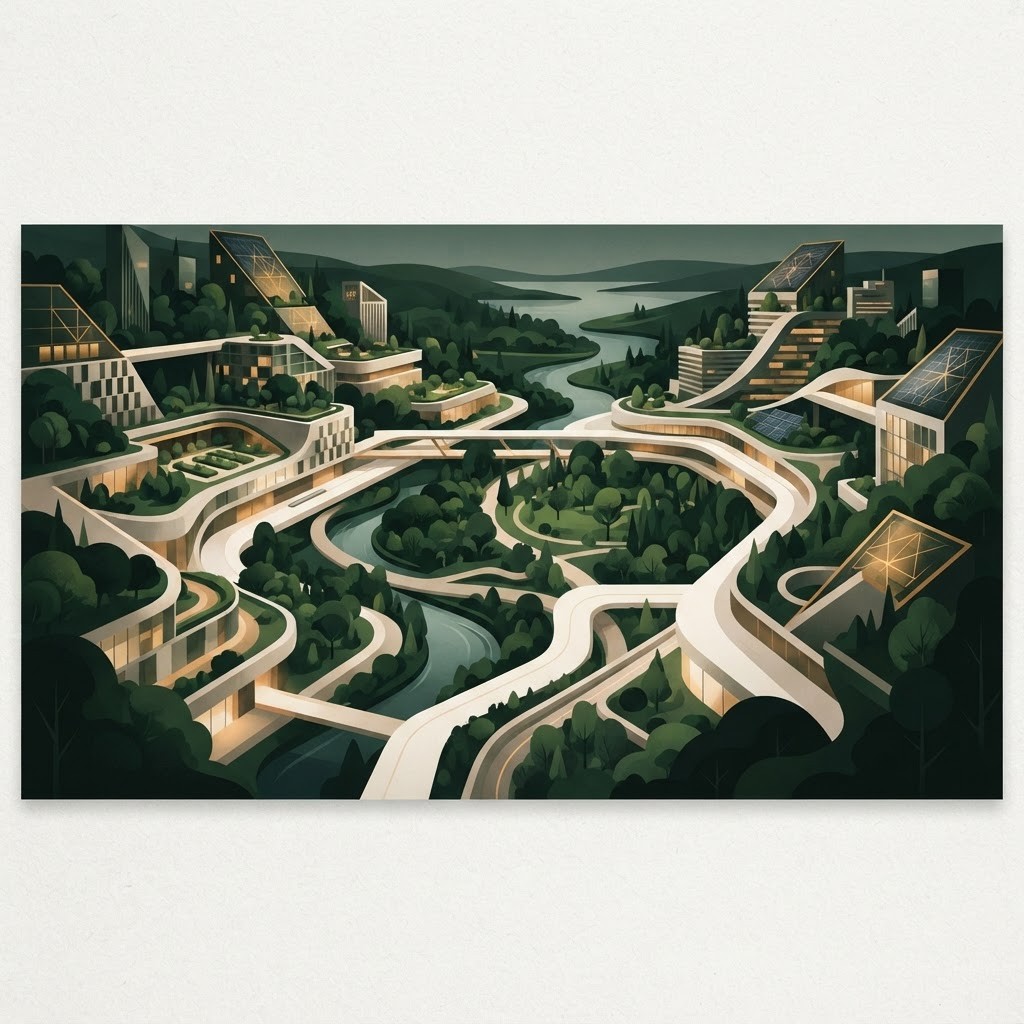
The way cities are planned today will determine the quality of life for generations to come. Sustainable urban planning seeks to create cities that are livable, resilient, and environmentally responsible, balancing growth with the wise use of land, energy, water, and other resources. As Pakistan urbanizes rapidly, the choices made in planning its cities carry enormous consequences. Well planned, sustainable cities attract investment, support healthy communities, and adapt gracefully to change, while poorly planned ones lock in congestion, pollution, and inefficiency for decades.
At Living Solutions Global, we help public bodies, developers, and investors advance sustainable urban planning across Pakistan. As an Islamabad based, Pakistan focused consultancy, we bring together strategic analysis, stakeholder coordination, and delivery expertise to support planning that balances growth with sustainability. Our teams help ensure that urban development creates lasting value for communities, the economy, and the environment alike.
Sustainable urban planning is about designing cities that meet present needs without compromising the ability of future generations to meet theirs. It integrates land use, transport, housing, green space, and infrastructure into a coherent whole that uses resources efficiently and enhances quality of life. Rather than treating growth as an end in itself, sustainable planning asks how growth can be shaped to produce healthier, more resilient, and more prosperous communities over the long term.
How land is used is one of the most important determinants of urban sustainability. Compact, well connected development makes efficient use of land and infrastructure, reduces travel distances, and preserves open space. Thoughtful density, supported by good design and amenities, creates vibrant, walkable neighborhoods rather than sprawling, car dependent ones. Efficient land use also makes public services more viable and reduces the environmental footprint of urban growth.
Transport shapes the sustainability of a city profoundly. Planning that prioritizes public transit, walking, and cycling reduces congestion, emissions, and dependence on private vehicles. Integrating transport with land use ensures that people can reach jobs and services efficiently. Coordinating urban planning with broader Pakistan infrastructure projects ensures that connectivity supports sustainable patterns of growth rather than reinforcing sprawl and inefficiency.
Parks, green corridors, and natural areas are essential to sustainable cities. They improve air quality, manage stormwater, reduce urban heat, and provide places for recreation and community life. Integrating green space into urban plans enhances health and wellbeing while making cities more resilient to environmental stresses. Far from being a luxury, green infrastructure is a core component of sustainable and livable urban environments.
Sustainable planning increasingly drives investment value. Developments in well planned, green, and livable areas command premium value and attract quality tenants and residents. Investors looking to invest in Islamabad and other growing cities recognize that sustainability enhances long term returns and reduces risk. As markets place greater value on environmental performance and quality of life, sustainable developments are increasingly the ones that outperform over time.
Sustainable urban planning requires effective governance and coordination across many agencies and stakeholders. Aligning policy, regulation, and delivery is essential to translating plans into reality. Strong government advisory support helps align public objectives with practical implementation, ensuring that sustainability goals are embedded in decisions and carried through to delivery. Without coordinated governance, even the best plans risk remaining on paper rather than shaping the built environment.
Sustainable cities are resilient cities, able to withstand environmental, economic, and social stresses. Planning for resilience means designing infrastructure and communities that can adapt to climate change, resource constraints, and demographic shifts. This forward looking approach protects the substantial investment that urban development represents and ensures that cities continue to thrive amid uncertainty, serving their residents reliably for decades to come.
Housing lies at the heart of sustainable urban planning. Providing a range of housing options, affordable to different income groups and located near jobs and services, is essential to creating inclusive and stable communities. When housing is well integrated with transport, amenities, and employment, people spend less time and money commuting and enjoy a higher quality of life. Inclusive planning also prevents the social fragmentation that occurs when cities become divided by income or access. By ensuring that growth benefits a broad cross section of society, sustainable planning builds cities that are not only environmentally responsible but also socially cohesive, resilient, and genuinely livable for all their residents rather than a privileged few.
Sustainable urban planning offers a path to cities that are livable, resilient, and prosperous. As Pakistan urbanizes, the importance of getting this right cannot be overstated. Through efficient land use, integrated transport, green infrastructure, and strong governance, cities can grow in ways that enhance quality of life and protect the environment. With careful planning and experienced advisory support, Pakistan can build urban futures that serve its people and economy well for generations.

Written by the Living Solutions team
Strategy, design, and trade expertise, all under one roof.
Let's discuss how we can turn your vision into sustainable growth and measurable success.