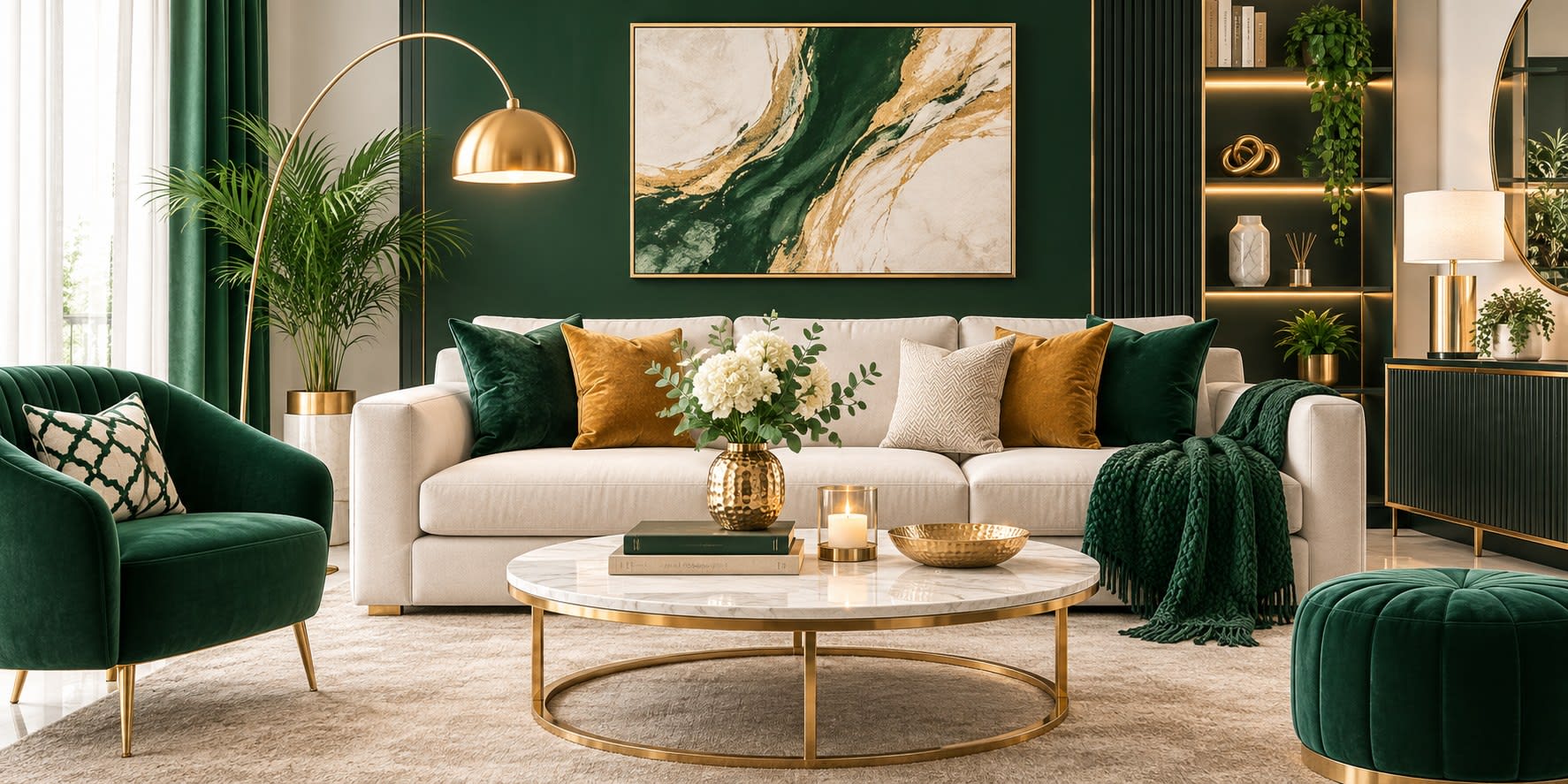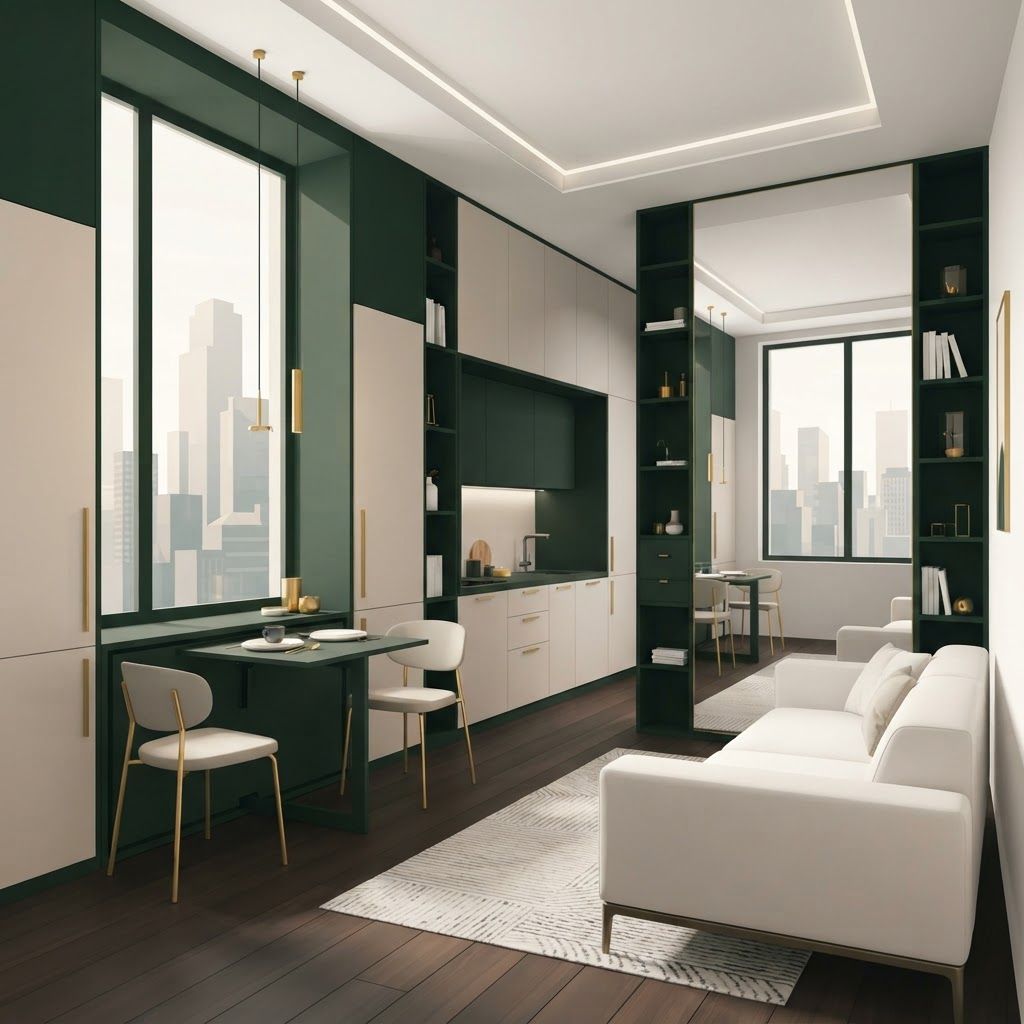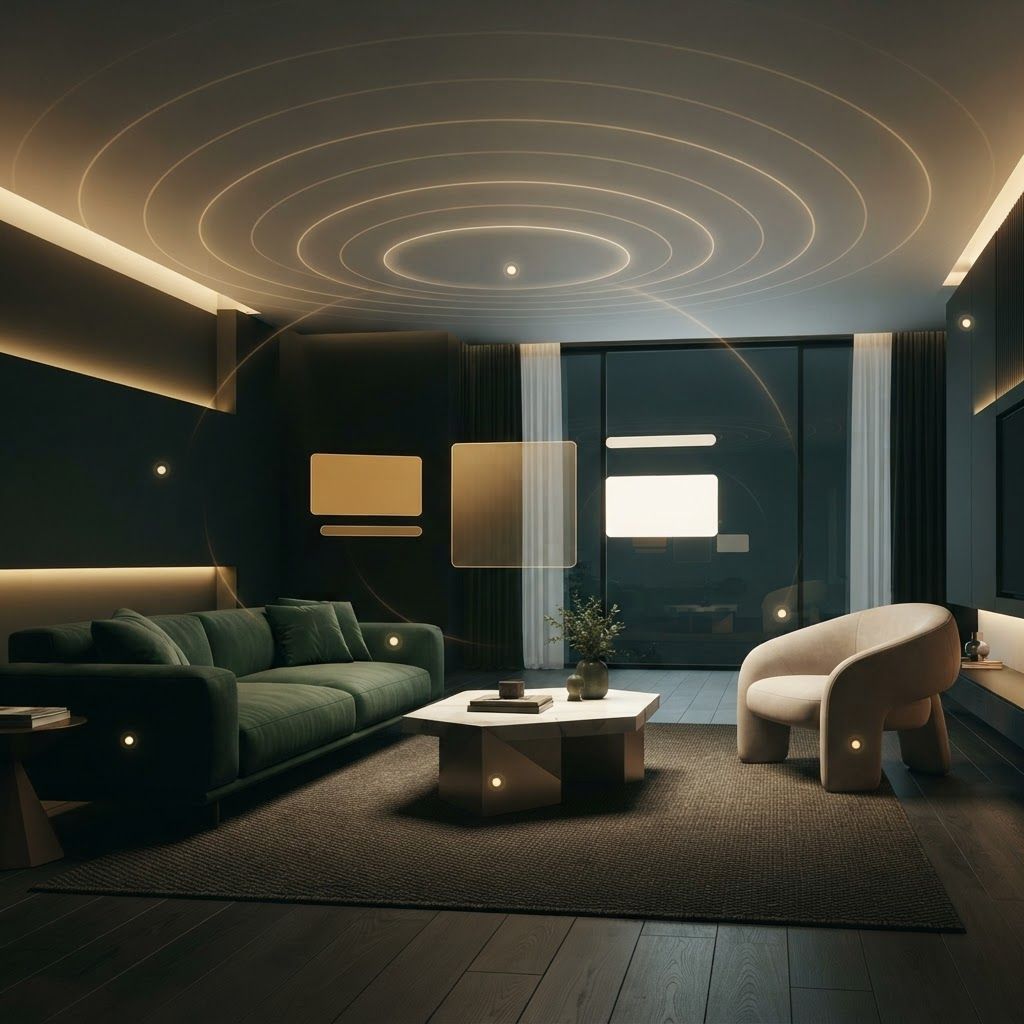
Wall panelling adds warmth, texture, and character to any interior when done well. These ten practical tips help you plan panelling that looks refined and lasts in Islamabad homes and offices.
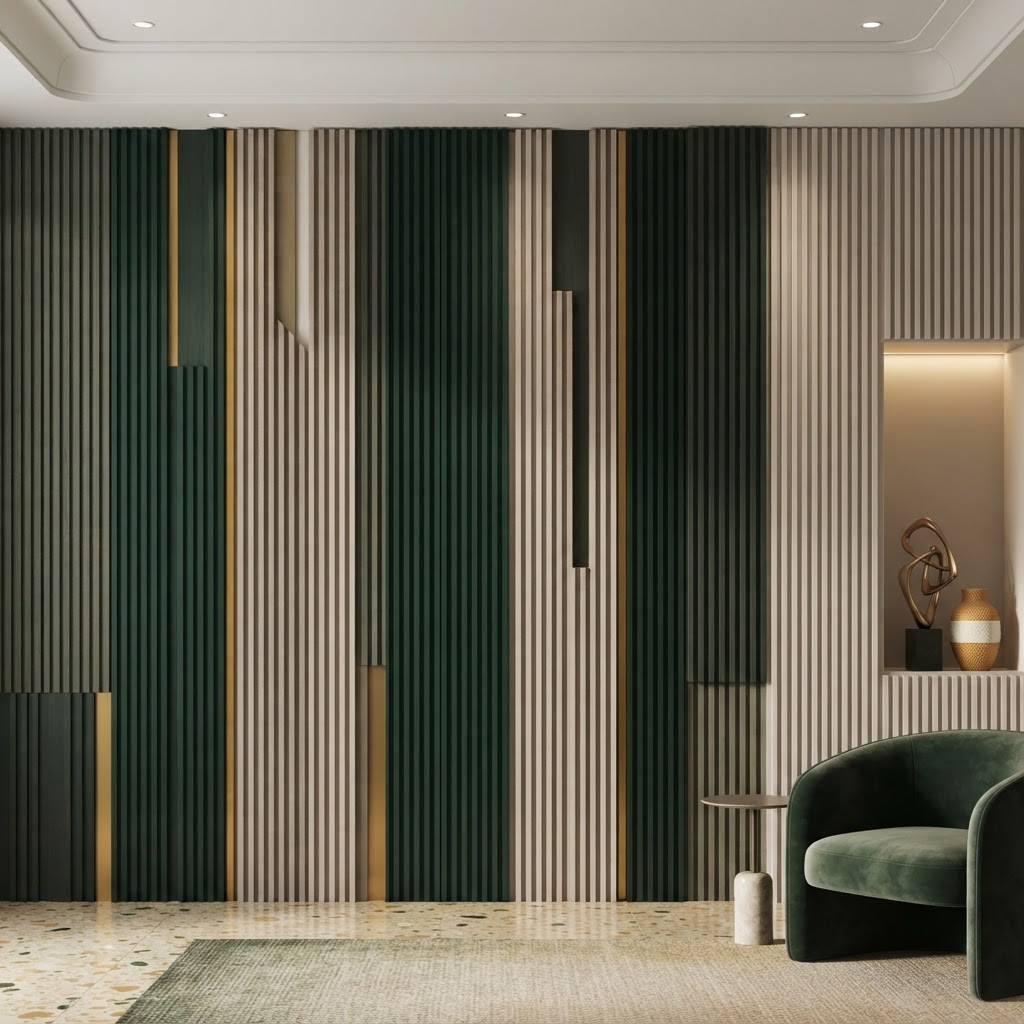
Wall panelling has moved from a traditional feature to one of the most popular ways to add depth, warmth, and character to modern interiors. In homes and offices across Islamabad, well executed panelling transforms plain walls into refined focal points. Yet panelling done carelessly can look dated or cheap, and poor installation causes problems that surface quickly in the local climate. These ten tips will help you plan and execute panelling that looks elegant and endures.
We design and install wall panelling that suits your space, style, and budget as part of our wider interior work. Our interior design in Pakistan team helps you choose materials and layouts that complement the whole room, while our residential interior design service ensures panelling becomes a seamless part of a cohesive home.
Different rooms call for different panelling. A living room or bedroom may suit warm, textured panels that create a cozy feel, while an office reception benefits from clean, structured designs that convey professionalism. Start by considering how the room is used and what atmosphere you want to create.
Panelling materials range from solid wood and engineered wood to composite and moisture resistant boards. Each has strengths in appearance, durability, and cost. Solid wood offers unmatched warmth but demands care, while engineered options provide stability and value. Choose a material suited to both your budget and the conditions of the room.
Islamabad experiences meaningful seasonal changes in temperature and humidity, which affect certain materials. Natural wood can expand and contract, so it needs proper sealing and acclimatization before installation. In bathrooms or kitchens, choose moisture resistant materials. Ignoring the climate leads to warping, gaps, and premature damage.
Panelling looks best when its scale suits the room. In rooms with high ceilings, taller panels or full height designs feel balanced, while lower panelling can make a large room feel more intimate. Getting the height and width of panels right relative to the wall is what separates elegant panelling from awkward panelling.
Before installation, plan the exact layout so panels are evenly spaced and symmetrical around features such as doors, windows, and sockets. A carefully planned layout avoids odd narrow panels in corners and creates a balanced, intentional look. Measuring and marking accurately at this stage prevents disappointment later.
Panelling should complement the room's colors, furniture, and lighting rather than compete with them. Consider how the panel finish will sit alongside flooring, ceilings, and fabrics. Harmony across all these elements is what makes panelling feel like a designed feature rather than an afterthought.
The finish dramatically changes the effect. A painted finish in a soft neutral feels contemporary, while a natural wood grain adds warmth and richness. Matte finishes hide imperfections and feel understated, while sheen adds subtle elegance. Select a finish that suits the mood and the practical demands of the space.
Even the finest materials look poor when installed badly. Precise cutting, level fixing, and clean joints are essential. Skilled installation ensures panels sit flush, corners align, and the surface looks seamless. This is an area where professional workmanship clearly pays off.
Lighting brings panelling to life. Subtle wall washing or accent lighting highlights texture and creates depth, turning a simple panelled wall into a striking feature. Plan any lighting and wiring before installation so it integrates cleanly rather than being added awkwardly afterward.
Consider how the panelling will be cleaned and maintained over time. Some finishes wipe clean easily, while others need more care. Choosing durable, easy to maintain materials in high traffic areas keeps your panelling looking fresh for years with minimal effort.
Panelling should enhance a room, not overwhelm it. Deciding how much wall to cover is as important as choosing the panels themselves. A single feature wall can create a striking focal point, while full height panelling around a room demands restraint in the rest of the decor so the space does not feel heavy. Consider the ceiling height, the amount of natural light, and the furniture that will sit against the panels. When panelling is balanced thoughtfully with the surrounding surfaces and furnishings, it reads as a deliberate design choice that lifts the entire room rather than a decorative afterthought competing for attention.
Lighting transforms how panelling looks and feels. Textured or three dimensional panels come alive when light rakes across them, casting gentle shadows that emphasise their depth and craftsmanship. Flat panelling, by contrast, benefits from even, diffused light that highlights colour and finish. Plan your lighting alongside the panelling rather than as an afterthought, considering both natural light through the day and artificial light in the evening. Wall washers, concealed strips, and well placed fixtures can turn a simple panelled wall into the centrepiece of a room, so coordinate the two elements from the start for the most impressive and cohesive result.
Beautiful wall panelling comes from matching material and design to the room, respecting the local climate, planning the layout with care, and insisting on quality installation. Attention to these details turns plain walls into elegant, lasting features. If you want expert help to design and install panelling that elevates your space, our team at Living Solutions Global is ready to bring your vision to life.

Written by the Living Solutions team
Strategy, design, and trade expertise, all under one roof.
Let's discuss how we can turn your vision into sustainable growth and measurable success.